
How Difficult Is the Mount Kilimanjaro Climb? is one of the most common and important questions asked by people planning to reach the highest point in Africa, because the challenge of this mountain is not technical climbing, but the powerful combination of altitude, long hiking days, changing weather, physical endurance and mental discipline.
The mountain attracts people from all over the world because it offers a rare opportunity to walk to a very high altitude without ropes or climbing experience, yet the reality is far from easy. Understanding the real difficulty helps travellers prepare safely, respect the mountain and choose responsible operators who protect both people and nature.
How Difficult Is the Mount Kilimanjaro Climb? and why altitude is the main challenge
How Difficult Is the Mount Kilimanjaro Climb? becomes clearer when you understand that altitude is the single biggest obstacle. As you gain height, the amount of oxygen in the air decreases, making every step feel heavier and slower. Medical and high-altitude health guidance published by the World Health Organization explains how reduced oxygen levels affect breathing, heart rate and sleep, even in people who are physically fit.
Scientific assessments on human adaptation to high altitude are also supported by climate and environmental research coordinated by the Intergovernmental Panel on Climate Change, which shows that changing climate conditions can increase temperature variation and weather instability on high mountains, adding another layer of stress for climbers.
How Difficult Is the Mount Kilimanjaro Climb? and the role of physical fitness
How Difficult Is the Mount Kilimanjaro Climb? depends strongly on personal fitness, but not in the way many people expect. You do not need to be an athlete, but you do need good cardiovascular endurance, strong legs and the ability to walk slowly for many hours each day. Research into human performance and environmental stress shows that long-duration walking at moderate intensity places continuous demand on muscles, joints and energy systems.
Landscape and ecosystem studies supported by the International Union for Conservation of Nature and environmental research coordinated by the United Nations Environment Programme also show that high-mountain ecosystems are fragile, which is why trekkers are encouraged to move slowly, stay on designated trails and follow strict environmental rules.
How Difficult Is the Mount Kilimanjaro Climb? and mental strength on the mountain
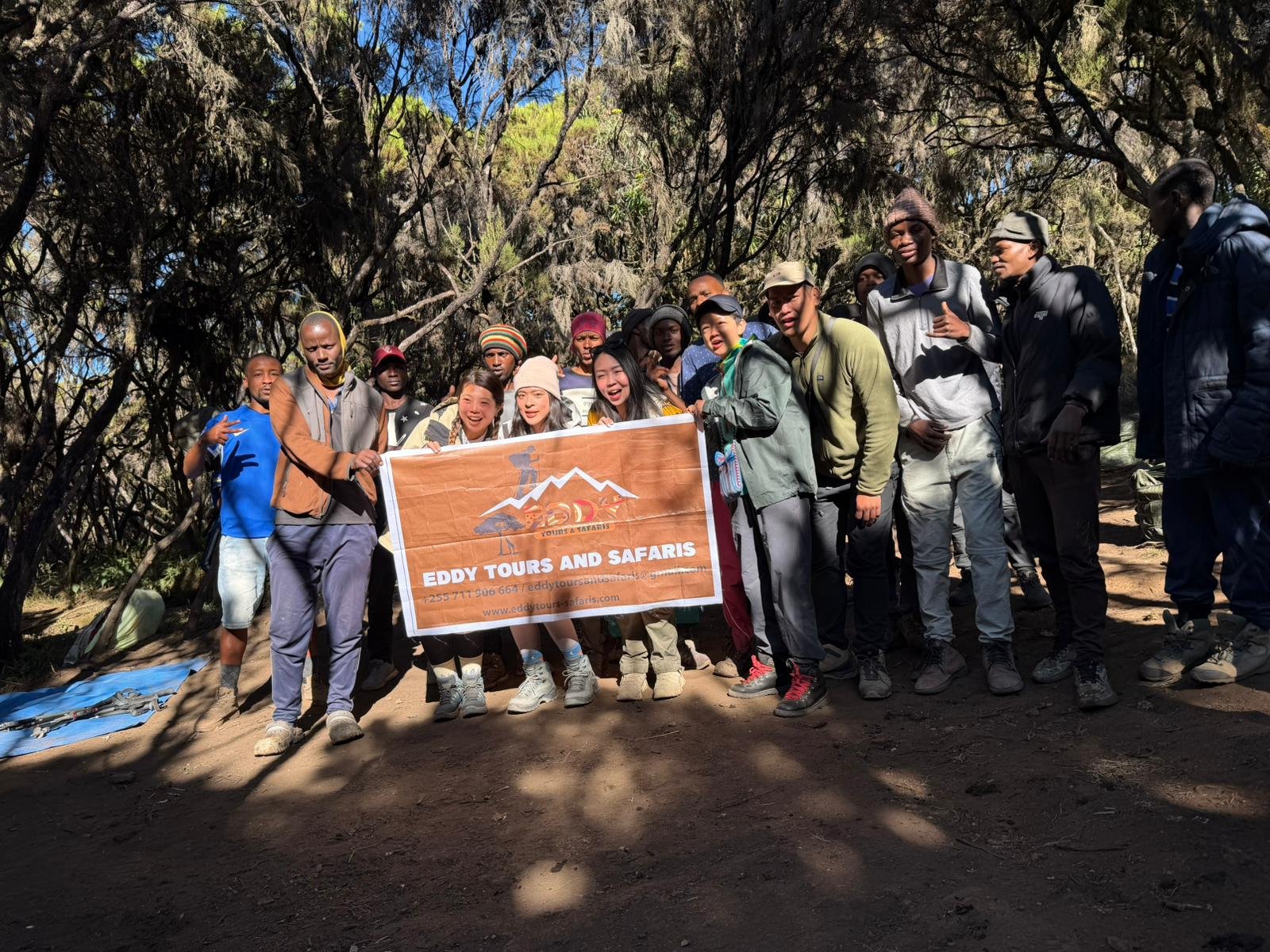
How Difficult Is the Mount Kilimanjaro Climb? is not only a physical question. Mental strength plays a huge role, especially during summit night when hikers walk for many hours in cold temperatures and darkness. Fatigue, cold, low oxygen and lack of sleep can affect decision-making and motivation, which is why professional support and proper pacing are critical for safety.
Emergency preparedness and outdoor safety principles promoted by the American Red Cross highlight the importance of structured rest, hydration, energy intake and psychological readiness during prolonged outdoor activities in challenging environments.
How Difficult Is the Mount Kilimanjaro Climb? and weather and terrain conditions
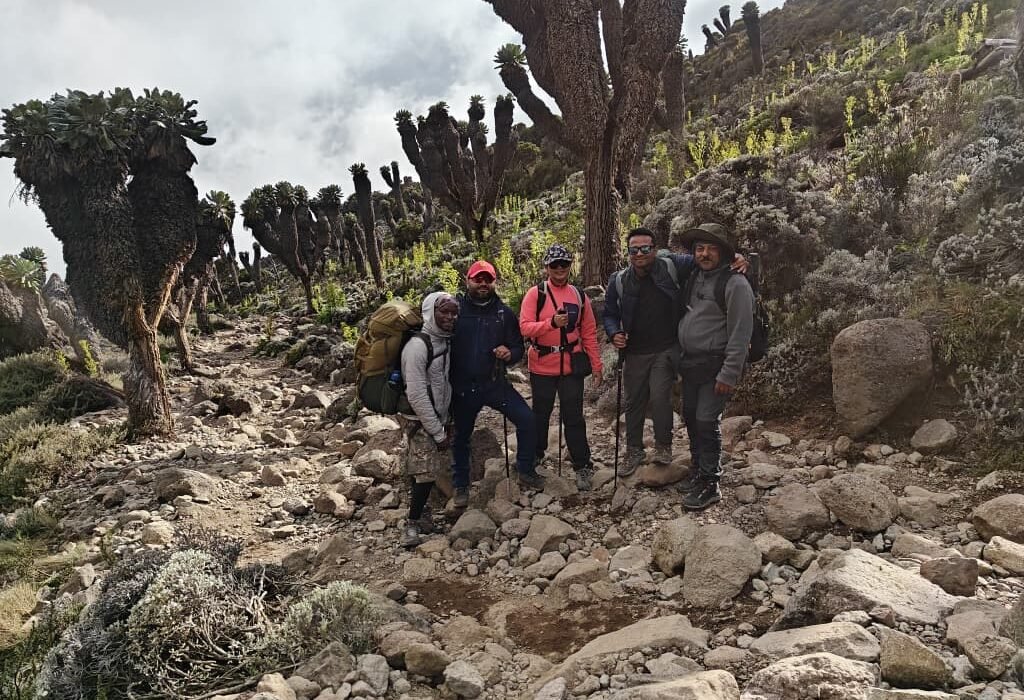
How Difficult Is the Mount Kilimanjaro Climb? also depends on weather and terrain. Climbers walk through rainforest, moorland, alpine desert and icy summit zones, all within one journey. Each zone presents different footing, temperatures and environmental exposure, which makes preparation essential.
Forest and mountain ecosystem research by the Center for International Forestry Research and biodiversity monitoring by the UN Environment Programme World Conservation Monitoring Centre explain why Kilimanjaro’s ecosystems are extremely sensitive to erosion, waste and overcrowding, making responsible trekking practices a core part of every climb.
How Difficult Is the Mount Kilimanjaro Climb? and acclimatization planning
How Difficult Is the Mount Kilimanjaro Climb? becomes manageable when proper acclimatization is included in the itinerary. Slow ascent, rest days and gradual altitude gain allow the body to adapt and significantly reduce the risk of altitude illness.
Scientific guidance on altitude adaptation and environmental exposure is supported by biodiversity and ecosystem health assessments from the Intergovernmental Science-Policy Platform on Biodiversity and Ecosystem Services, which also highlights how climate and habitat changes influence high-altitude environments worldwide.
How Difficult Is the Mount Kilimanjaro Climb? and environmental responsibility
How Difficult Is the Mount Kilimanjaro Climb? should also be understood through the responsibility trekkers carry toward the mountain itself. Kilimanjaro is not only a tourism site, but a critical water catchment and biodiversity refuge. Environmental protection and ecosystem management programmes supported by Conservation International and habitat protection initiatives promoted by The Nature Conservancy emphasize how responsible visitor behaviour helps prevent long-term damage.
Species distribution and ecosystem monitoring coordinated by the Global Biodiversity Information Facility further supports conservation planning around the mountain’s unique biological zones.
How Difficult Is the Mount Kilimanjaro Climb? and the importance of local mountain crews
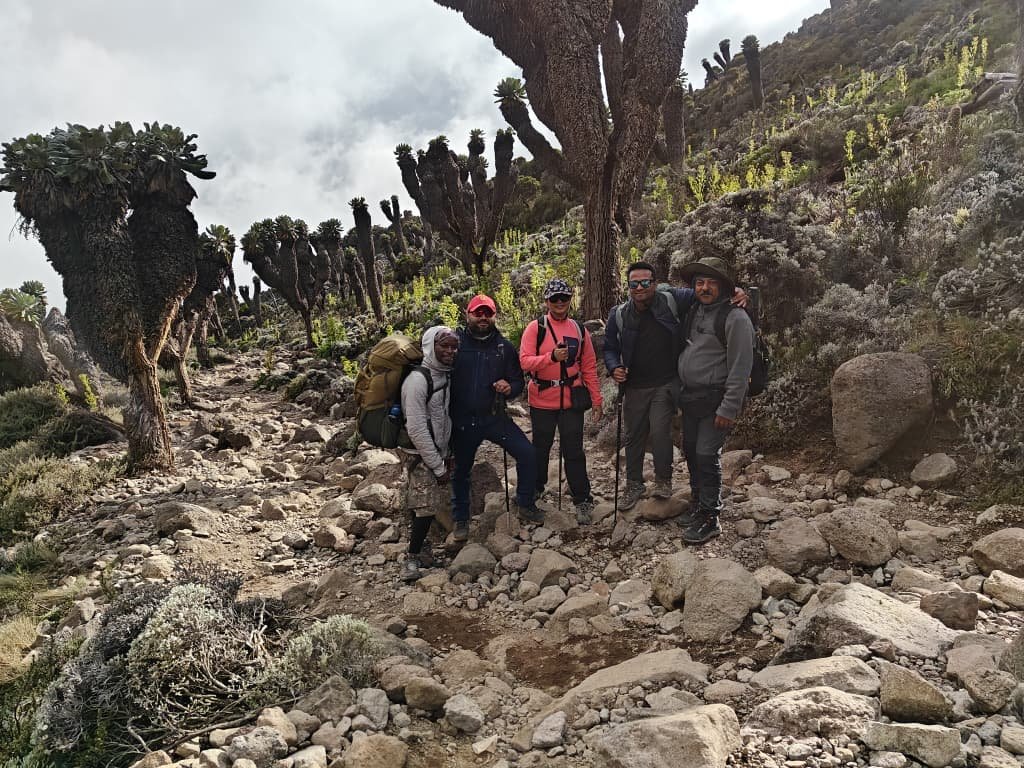
How Difficult Is the Mount Kilimanjaro Climb? is closely linked to the skills of guides, porters and cooks who support every expedition. Their experience with pacing, altitude symptoms, weather changes and route management greatly improves safety and success rates.
Labour protection and fair working standards promoted by the International Labour Organization and sustainable community development research published by the World Bank show how ethical trekking operations directly support education, health services and stable livelihoods in mountain communities.
Travellers who choose professionally organised climbs through Eddy Tours and Safaris directly contribute to responsible employment practices and community-based conservation around the mountain.
How Difficult Is the Mount Kilimanjaro Climb? and safety systems on the mountain
How Difficult Is the Mount Kilimanjaro Climb? is also influenced by safety management, emergency response planning and medical preparedness. Health guidance and high-altitude travel recommendations provided by the World Health Organization help trekking operators improve screening, response procedures and evacuation readiness.
Additional environmental and disaster risk frameworks promoted by UN Environment support safer visitor management in sensitive natural areas such as high-mountain parks.
How Difficult Is the Mount Kilimanjaro Climb? compared to normal hiking trips
How Difficult Is the Mount Kilimanjaro Climb? becomes easier to understand when compared with ordinary hiking. The daily distances may not be extreme, but the cumulative fatigue, thin air and cold temperatures make every kilometre more demanding than low-altitude trails.
Ecological and land-use research shared through ScienceDirect confirms that high-altitude trekking requires different planning standards because environmental recovery is slower and human impact is more severe than in lowland forests or parks.
How Difficult Is the Mount Kilimanjaro Climb? and water and food management
How Difficult Is the Mount Kilimanjaro Climb? is affected by hydration and nutrition more than many climbers realise. Clean water access and proper food handling are essential in remote mountain camps.
Food safety and nutrition guidance from the Food and Agriculture Organization and environmental health research coordinated by UN Environment support better hygiene standards in wilderness tourism operations.
How Difficult Is the Mount Kilimanjaro Climb? and legal and conservation protection
How Difficult Is the Mount Kilimanjaro Climb? must be considered within a strong conservation framework. International biodiversity policy promoted by the Convention on Biological Diversity helps guide how protected mountain landscapes are managed, zoned and preserved for future generations.
Bird and forest species protection programmes led by BirdLife International also contribute to safeguarding habitats found on and around Kilimanjaro’s forest belt.
How Difficult Is the Mount Kilimanjaro Climb? and ethical travel choices
How Difficult Is the Mount Kilimanjaro Climb? becomes more meaningful when travellers understand the social and environmental impact of their booking choices. Research from the Overseas Development Institute confirms that responsible tourism models generate stronger long-term benefits for communities and conservation than short-term mass tourism.
Many climbers prefer to design their journeys using custom Kilimanjaro and safari itineraries that combine mountain trekking with wildlife and cultural experiences, allowing their visit to support a wider conservation economy.
How Difficult Is the Mount Kilimanjaro Climb? and choosing the right preparation plan
How Difficult Is the Mount Kilimanjaro Climb? depends largely on preparation. Training walks, slow hiking practice, mental readiness and realistic expectations make a major difference to how your body reacts to altitude and long days on the trail.
Climbers who prepare with expert guidance through professional Kilimanjaro travel planning services benefit from route advice, acclimatization planning and ethical crew management.
How Difficult Is the Mount Kilimanjaro Climb? and long-term conservation value
How Difficult Is the Mount Kilimanjaro Climb? should also be seen as part of a wider environmental story. Kilimanjaro’s glaciers, forests and water catchments play an important role in regional climate stability and water supply for surrounding communities.
Long-term ecosystem protection programmes supported by Wildlife Conservation Society, habitat connectivity research from the African Wildlife Foundation, and ecosystem restoration initiatives promoted by Conservation International help protect the wider landscapes connected to the mountain.
How Difficult Is the Mount Kilimanjaro Climb? and the real answer for future climbers
How Difficult Is the Mount Kilimanjaro Climb? has a simple and honest answer. It is challenging, but achievable for well-prepared people who respect the mountain, move slowly, listen to their guides and choose responsible operators.
Travellers who book ethically and responsibly through trusted local Kilimanjaro trekking services not only improve their own safety and success, but also help protect the mountain and support the communities that make every climb possible.
In simple words, How Difficult Is the Mount Kilimanjaro Climb? is not about technical climbing skills. It is about patience, preparation, respect for nature and understanding that this beautiful mountain rewards those who climb it slowly, responsibly and with care for both people and the environment.