
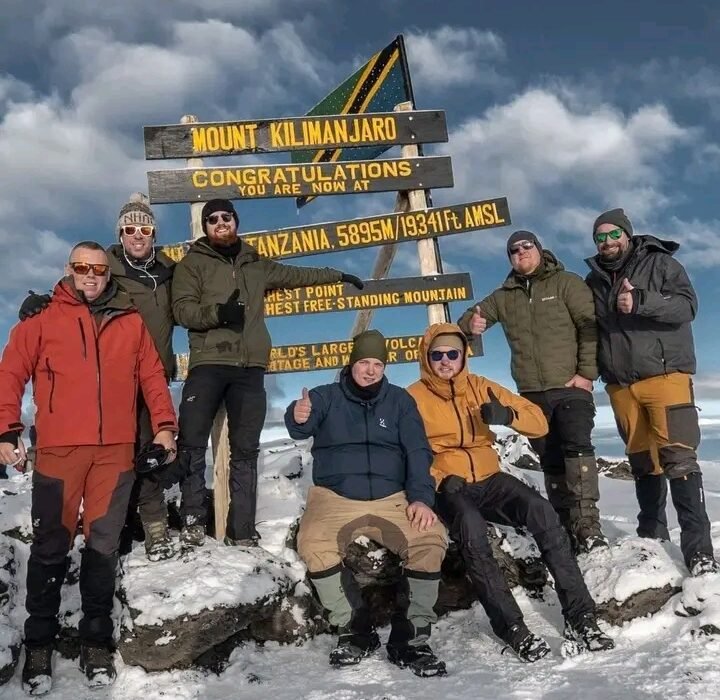
How Hard Is It to Hike Mount Kilimanjaro? A Beginner’s Guide in 2026–2028 For many travelers, hiking Mount Kilimanjaro is the adventure of a lifetime. As the highest mountain in Africa, standing at 5,895 meters (19,341 feet), Kilimanjaro attracts thousands of climbers every year from every corner of the world. The idea of reaching the “Roof of Africa” is exciting, but it also raises one important question:
How hard is it to hike Mount Kilimanjaro?
If you’re planning your adventure in 2026, 2027, or 2028, you’re not alone in wondering whether you’re fit enough, experienced enough, or prepared enough to reach the summit. The good news is that Kilimanjaro is one of the few high mountains in the world that ordinary people can climb without technical mountaineering skills.That doesn’t mean it’s easy.
The hike requires determination, preparation, and respect for the mountain. However, with proper planning and the support of an experienced local operator such as Eddy Tours and Safaris, thousands of first-time trekkers successfully stand on Uhuru Peak every year.
This beginner’s guide explains exactly what makes Kilimanjaro challenging, how to prepare, what to expect during the climb, and how to maximize your chances of reaching the summit safely.
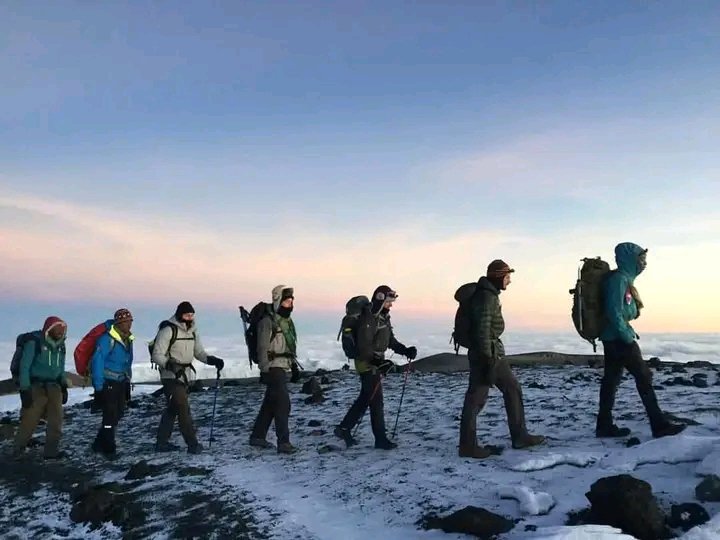
Is Mount Kilimanjaro Difficult to Hike :How Hard Is It to Hike Mount Kilimanjaro? A Beginner’s Guide in (2026–2028)
The honest answer is yes but it’s a different kind of difficult than many people imagine.
Unlike mountains such as Everest or Mont Blanc, Kilimanjaro is not a technical climb. You won’t need ropes, ice axes, crampons, or climbing experience on the standard routes. Most of the journey is a high-altitude trek on well-maintained trails.
The real challenge comes from altitude.As you climb higher, oxygen levels decrease significantly. By the time you reach Uhuru Peak, there is approximately 50% less oxygen than at sea level. Your body must adapt to these conditions, and that process can be physically and mentally demanding.
Many people who consider themselves fit discover that altitude not steep trails is the toughest obstacle.
Can Beginners Climb Mount Kilimanjaro?
One of the reasons Kilimanjaro is so popular is that it is accessible to beginners who are willing to prepare properly.
Every year, successful climbers include:
- Teachers
- Students
- Retirees
- Office workers
- Couples
- Families
- Charity groups
- First-time hikers
You do not need previous mountain climbing experience.
Instead, you need:
- Good physical preparation
- Proper equipment
- A positive mindset
- Enough time for acclimatization
- Professional mountain guides
This is where Eddy Tours and Safaris makes a difference. Their experienced guides understand how to help beginners adjust to altitude, maintain a comfortable pace, and stay motivated throughout the journey.
Why Altitude Is the Biggest Challenge
Altitude affects everyone differently.
You may be incredibly fit yet still experience symptoms of altitude sickness, while someone older with average fitness may reach the summit comfortably.
Common symptoms include:
- Headaches
- Fatigue
- Loss of appetite
- Nausea
- Dizziness
- Difficulty sleeping
- Shortness of breath
These symptoms usually improve with proper acclimatization.
Experienced operators like Eddy Tours and Safaris monitor climbers regularly by checking oxygen saturation levels and general health. Their guides are trained to recognize early signs of altitude sickness and make decisions that prioritize your safety.
How Fit Do You Need to Be?
You don’t have to be an athlete.
However, Kilimanjaro is a multi-day trek that requires endurance.
Expect to hike:
- 5–8 hours on most trekking days
- 10–15 hours during summit day
Preparing for several months before your trip is highly recommended.
Good training activities include:
- Hiking local trails
- Long-distance walking
- Stair climbing
- Cycling
- Swimming
- Jogging
- Strength training
- Core exercises
Aim to train consistently for 8–12 weeks before your climb.
The goal isn’t speedit’s endurance.
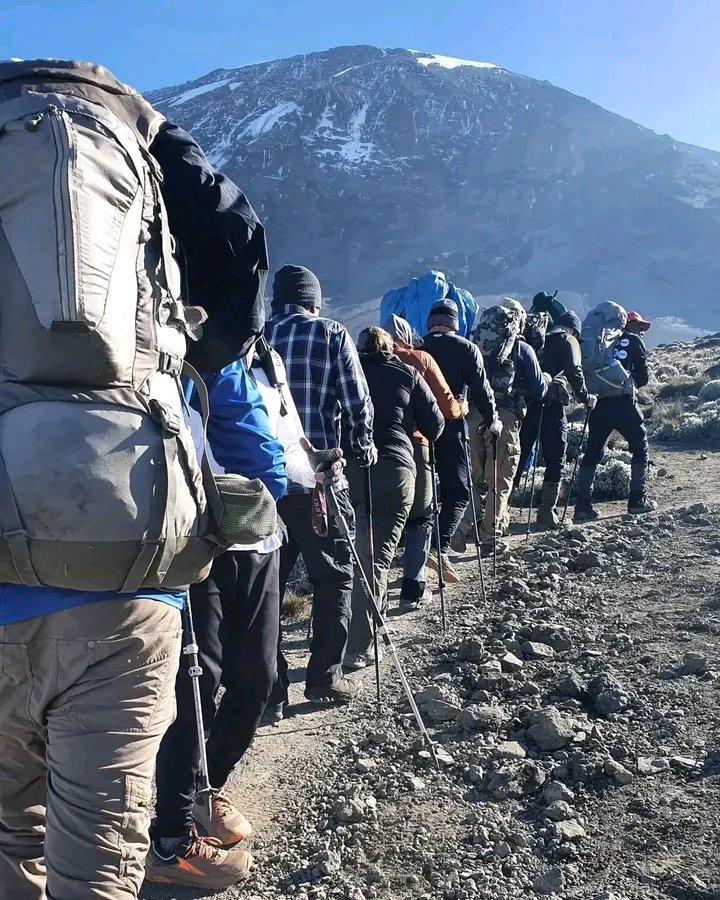
Understanding the Pole Pole Philosophy of How Hard Is It to Hike Mount Kilimanjaro? A Beginner’s Guide in (2026–2028)
One of the first Swahili phrases you’ll learn on Kilimanjaro is:Pole Pole It means Slowly, slowly.Walking slowly is one of the most important strategies for summit success.
Many beginners make the mistake of hiking too quickly during the first few days.
Experienced guides from Eddy Tours and Safaris carefully control the pace to help your body adapt naturally.
Moving slowly:
- Conserves energy
- Improves acclimatization
- Reduces fatigue
- Lowers the risk of altitude sickness
- Increases summit success
Remember, Kilimanjaro is not a race.
Choosing the Right Route
Your choice of route greatly affects your experience.
Lemosho Route
Perfect for beginners because it offers:
- Excellent acclimatization
- Beautiful scenery
- High summit success rates
- Less crowded early sections
Machame Route
One of the most scenic routes with:
- Challenging hiking days
- Great acclimatization
- Popular campsites
Rongai Route
Ideal for those seeking:
- Quieter trails
- Gentle ascent
- Drier conditions
Marangu Route
Known for hut accommodation instead of camping.
Although comfortable, its shorter itinerary often leads to lower summit success due to reduced acclimatization.
When booking with Eddy Tours and Safaris, you’ll receive personalized advice on selecting the route that best matches your fitness, travel schedule, and trekking experience.
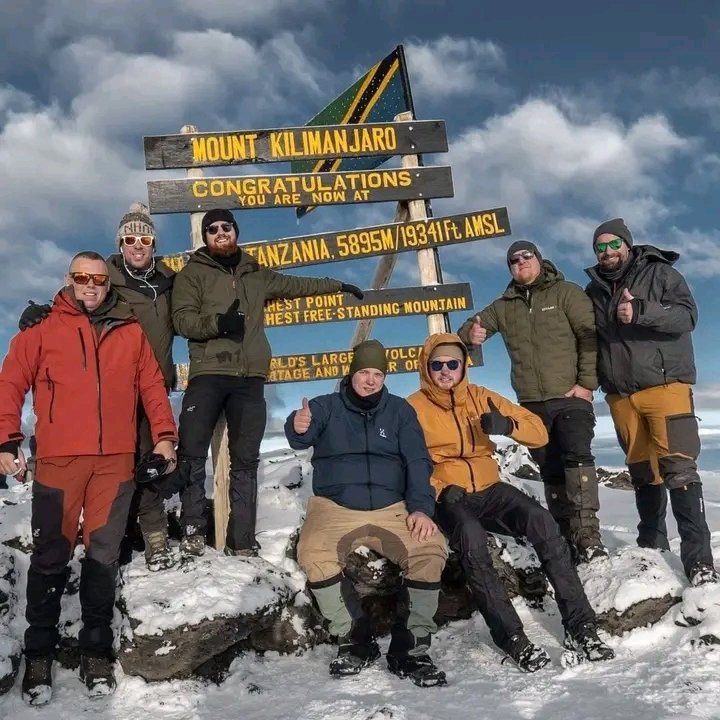
What Is Summit Night Like :How Hard Is It to Hike Mount Kilimanjaro? A Beginner’s Guide in (2026–2028)
Almost everyone agrees that summit night is the hardest part of climbing Kilimanjaro.
The day begins around midnight, After a light meal and hot tea, climbers begin hiking in darkness using headlamps Conditions include:
- Freezing temperatures
- Thin air
- Strong winds
- Steep volcanic scree
- Mental exhaustion
Every step becomes slower.
Breathing requires more effort.
Yet as dawn approaches, the landscape transforms.
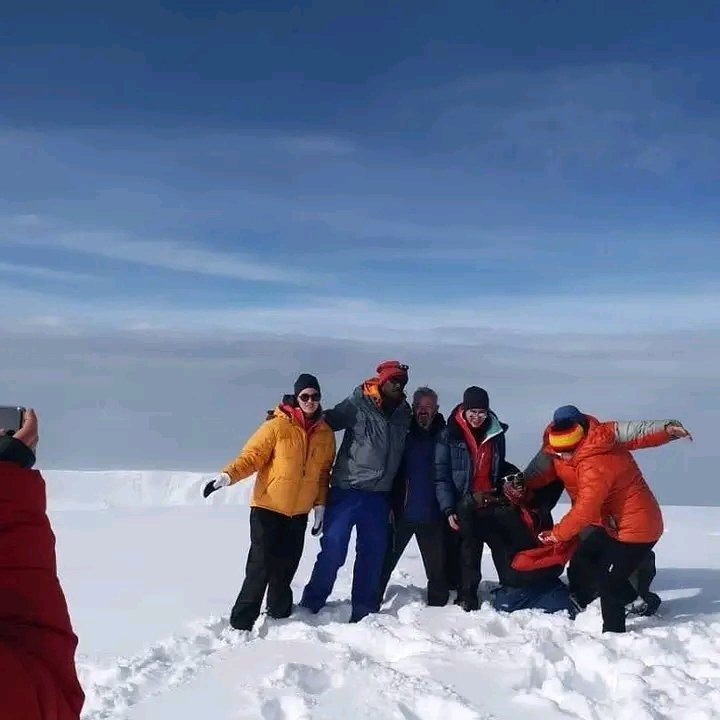
Watching the sunrise over Africa from Uhuru Peak is an unforgettable reward that makes every difficult step worthwhile.
Weather on Mount Kilimanjaro
One of Kilimanjaro’s unique features is its five ecological zones.
You’ll travel through:
Rainforest
Warm and humid with lush vegetation.
Heath and Moorland
Open landscapes with giant groundsels and spectacular views.
Alpine Desert
Dry, rocky terrain with dramatic scenery.
Arctic Zone
Cold temperatures, glaciers, and snow near the summit.
Temperatures may vary from over 30°C (86°F) at the base to below -15°C (5°F) near the summit.
Layered clothing is essential.
Best Time to Hike Kilimanjaro (2026–2028)
The best climbing seasons remain:
January–March
Advantages:
- Fewer climbers
- Cooler temperatures
- Clear mornings
- Possible summit snow
June–October
Advantages:
- Dry weather
- Excellent visibility
- Stable conditions
- Peak trekking season
These months typically provide the best hiking conditions so Booking early with Eddy Tours and Safaris is recommended, particularly during peak travel periods.
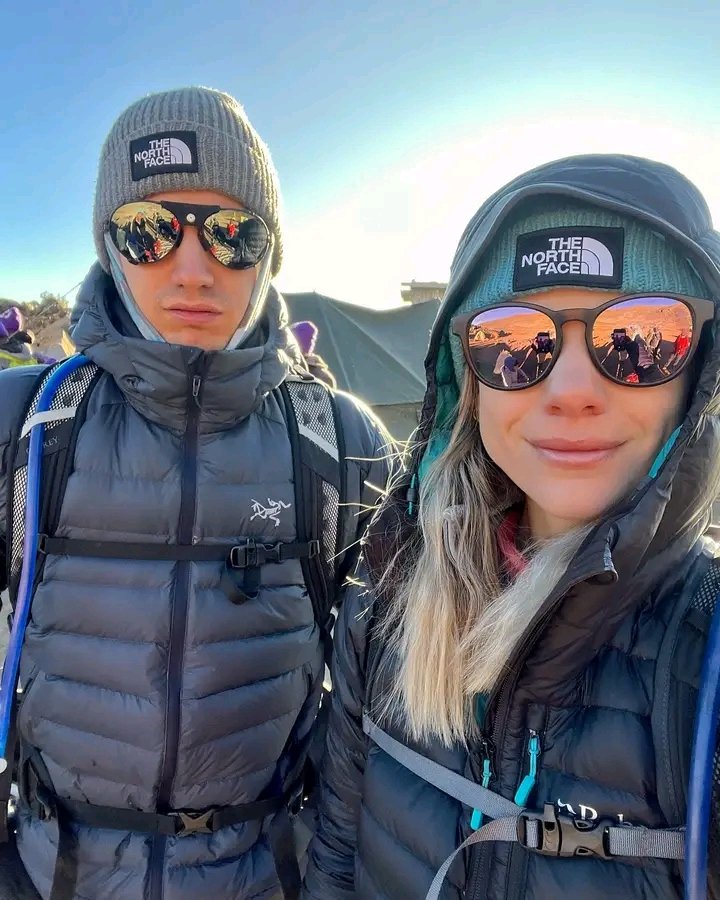
What Should Beginners Pack
Packing properly contributes significantly to a successful climb.
Essentials include:
- Waterproof hiking boots
- Warm sleeping bag
- Thermal underwear
- Insulated jacket
- Waterproof rain jacket
- Hiking trousers
- Warm gloves
- Trekking poles
- Headlamp
- Sunglasses
- Sun hat
- Wool socks
- Water bottles
- Hydration bladder
- Sunscreen
- Lip balm
- Personal medications
- Snacks
Eddy Tours and Safaris provides detailed packing guidance before every expedition and can assist with renting quality mountain equipment if needeThe Importance of Experienced Guides
A good guide can completely transform your Kilimanjaro experience.
Professional guides:
- Monitor your health
- Set the correct pace
- Explain mountain safety
- Provide encouragement
- Coordinate camps
- Manage emergencies
- Help you acclimatize
The mountain crew also includes dedicated cooks and porters who work incredibly hard behind the scenes to ensure climbers remain comfortable throughout the trek.
With Eddy Tours and Safaris, you’re supported by experienced local professionals who know every section of Kilimanjaro and are passionate about helping visitors achieve their dream safely.
Mental Preparation Is Just as Important
Many people focus only on physical fitness.
However, mental strength often determines success.
There will be moments when you’re:
- Cold
- Tired
- Sleep deprived
- Missing home
- Wondering if you can continue
Staying positive makes a tremendous difference.
Experienced guides encourage climbers to focus on one step at a time rather than worrying about the summit.
Breaking the journey into smaller goals keeps motivation high.
Common Mistakes Beginners Make
Avoid these common errors:
Hiking Too Fast
Always follow the “Pole Pole” pace.
Choosing the Shortest Route
Longer itineraries improve acclimatization.
Underestimating Cold Weather
Summit temperatures can be extremely cold.
Skipping Training
Even regular walking before your trip makes a difference.
Ignoring Hydration
Drink plenty of water every day.
Bringing New Boots
Always break in hiking boots before your climb.
How to Increase Your Summit Success
Successful climbers usually follow these recommendations:
- Train for at least two months.
- Choose a 7- or 8-day itinerary.
- Stay hydrated.
- Eat nutritious meals.
- Walk slowly.
- Sleep whenever possible.
- Listen to your guides.
- Maintain a positive attitude.
These simple habits dramatically improve your chances of standing on Uhuru Peak.
Why Choose Eddy Tours and Safaris from How Hard Is It to Hike Mount Kilimanjaro? A Beginner’s Guide in (2026–2028)
Planning a Kilimanjaro climb involves far more than booking flights and packing a backpack. Choosing a reliable local operator is one of the most important decisions you’ll make.
Eddy Tours and Safaris specializes in professionally guided Mount Kilimanjaro expeditions for climbers of all experience levels. Their knowledgeable local guides, experienced cooks, and dedicated porters work together to create a safe, enjoyable, and well-organized trekking experience.
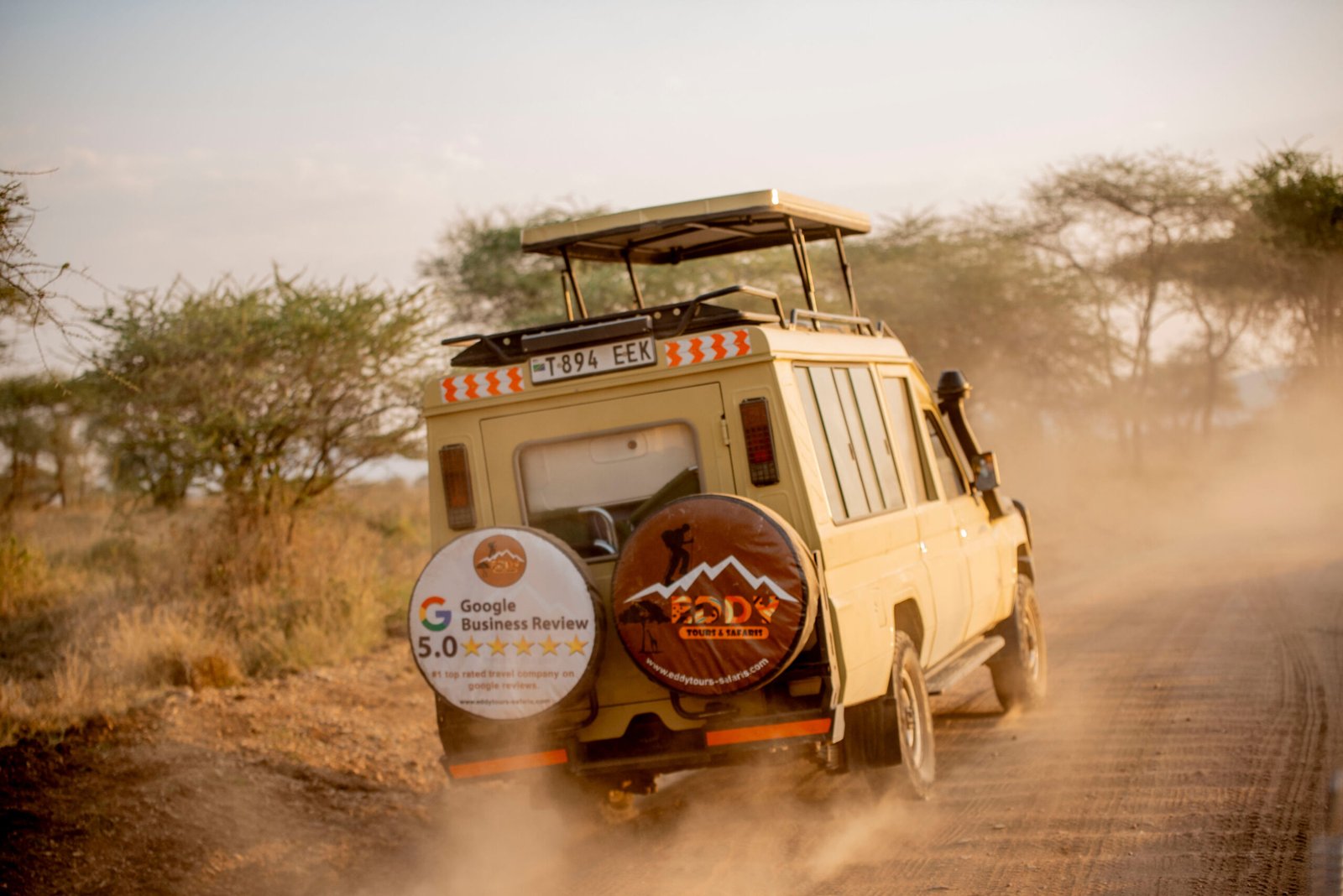
From your arrival in Tanzania to your summit celebration, the team provides personalized support, quality camping equipment, nutritious meals, and detailed pre-climb advice. Safety is always the top priority, with regular health checks and careful pace management helping climbers acclimatize successfully.
Beyond Kilimanjaro, Eddy Tours and Safaris also offers unforgettable wildlife safaris to Serengeti National Park, the Ngorongoro Conservation Area, Tarangire National Park, Lake Manyara National Park, and beach holidays in Zanzibar. Many travelers combine a Kilimanjaro climb with a safari, creating the ultimate Tanzanian adventure.
The company’s commitment to responsible tourism also means supporting local communities, promoting ethical porter treatment, and helping preserve Tanzania’s remarkable natural heritage for future generations.
Frequently Asked Questions
Is Kilimanjaro harder than a marathon?
They are different challenges. A marathon tests speed and endurance over one day, while Kilimanjaro is a multi-day trek where altitude is the biggest obstacle.
Can I climb Kilimanjaro if I’m over 50?
Yes. Many climbers in their 50s, 60s, and even 70s successfully reach the summit each year with proper preparation.
How many days should I choose?
A 7- or 8-day itinerary is generally recommended because it gives your body more time to acclimatize and increases your chances of success.
Will I need oxygen?
Supplemental oxygen is not normally required for standard Kilimanjaro climbs, but guides carry emergency oxygen for safety.
Is camping comfortable?
Most routes involve camping in quality mountain tents with dining tents and hearty meals prepared by experienced cooks, creating a surprisingly comfortable trekking experience despite the remote environment.
Final Thoughts is How Hard Is It to Hike Mount Kilimanjaro? A Beginner’s Guide in (2026–2028)
How Hard Is It to Hike Mount Kilimanjaro? A Beginner’s Guide in (2026–2028) climb is not about technical mountaineering it is about endurance, patience, preparation, and adapting to high altitude. With the right training, suitable equipment, a realistic itinerary, and the support of an experienced guiding team, thousands of beginners successfully reach Africa’s highest point every year.
If you’re dreaming of climbing Kilimanjaro in 2026, 2027, or 2028, start planning early, prepare consistently, and choose a trusted local operator like Eddy Tours and Safaris. Their expertise, commitment to safety, and deep knowledge of the mountain can help turn a challenging trek into one of the most rewarding experiences of your life ,Standing on Uhuru Peak as the sun rises over the African continent is more than a travel milestone it is a powerful reminder that extraordinary achievements are possible when you take one steady step at a time.