
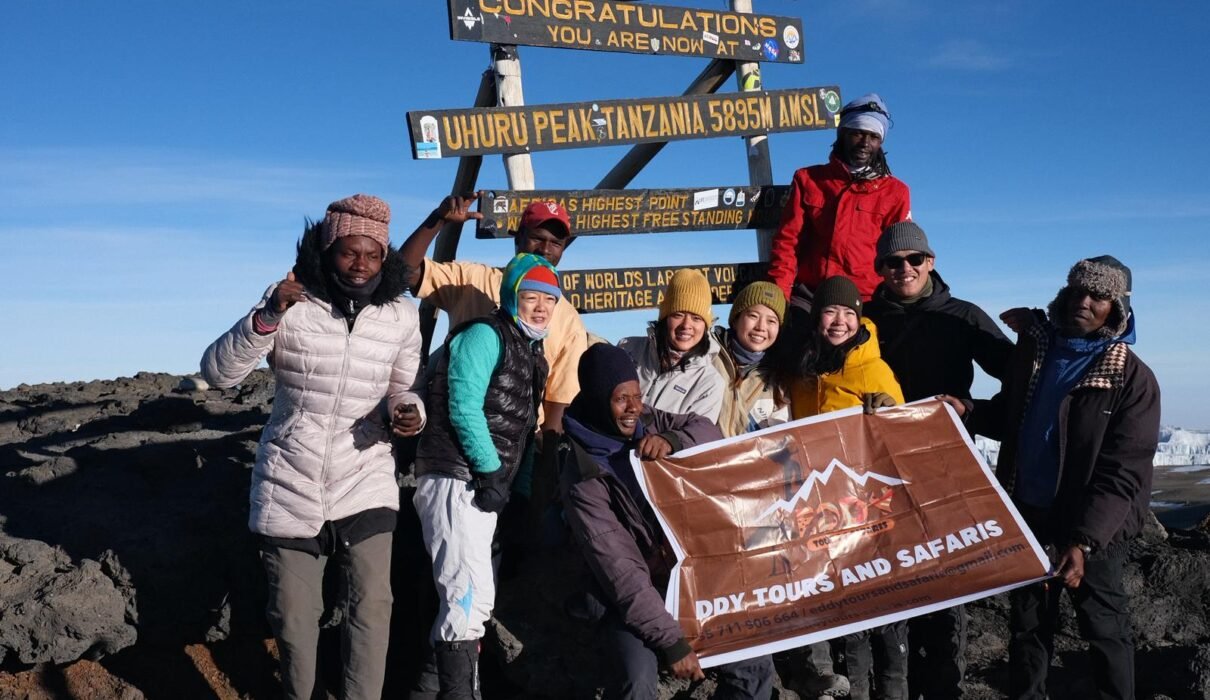
How Long Does It Take to Climb Mount Kilimanjaro? This is one of the first questions travelers ask when planning their dream adventure to Africa’s highest peak. The answer is not just a number of days; it depends on your chosen route, fitness level, and how well your body adjusts to altitude. Understanding this timeline is essential if you want to enjoy the journey, stay safe, and increase your chances of reaching the summit.
Climbing Kilimanjaro is not a technical mountaineering challenge, but it is still physically demanding. With proper planning, guidance, and support from professionals like Eddy Tours & Safaris, you can transform this once-in-a-lifetime trek into an unforgettable success story.
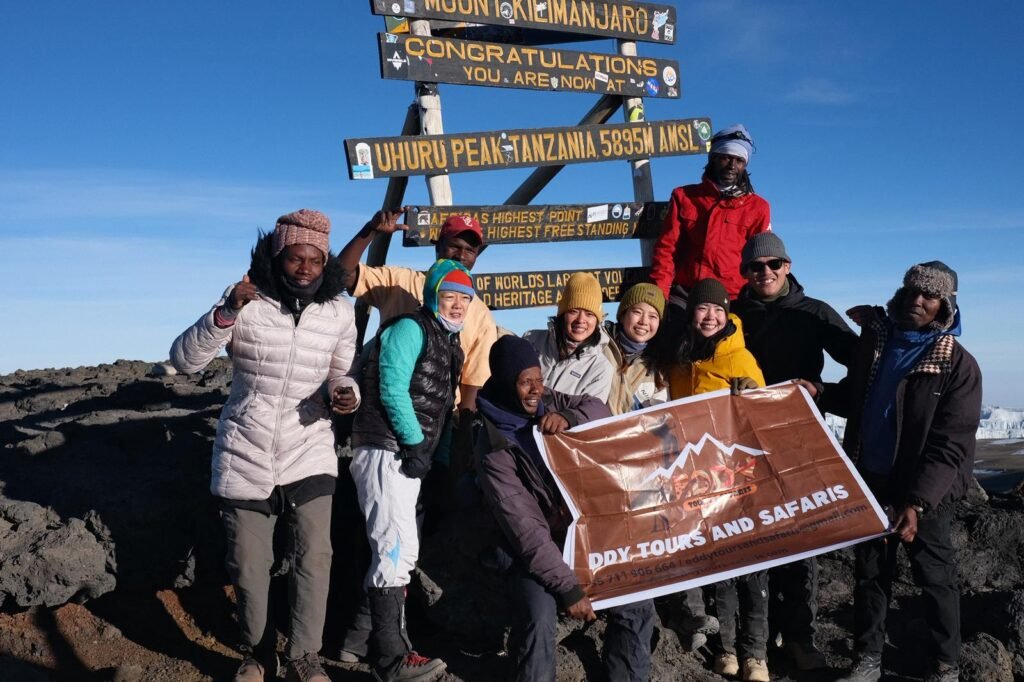
How Long Does It Take to Climb Mount Kilimanjaro? Understanding the Average Duration
When people ask How Long Does It Take to Climb Mount Kilimanjaro?, the standard answer ranges between five to nine days. However, shorter routes are not always better. A longer itinerary allows your body to adapt to altitude changes gradually, which is critical for avoiding altitude sickness and improving summit success rates.
According to research from WHO and CDC, proper acclimatization significantly reduces health risks during high-altitude climbs. This is why experienced operators often recommend longer routes rather than rushing the journey.
If you are planning your trek with trusted experts such as Kilimanjaro climbing specialists, you will notice that most itineraries are designed with safety and comfort in mind rather than speed.
Factors That Influence How Long Does It Take to Climb Mount Kilimanjaro?
Route Selection
The route you choose has the biggest impact on your climbing duration. Popular routes like Machame and Lemosho typically take six to eight days, while shorter routes like Marangu can be completed in five days. However, studies from National Geographic highlight that longer routes significantly improve summit success rates.
Acclimatization Needs
Your body needs time to adjust to decreasing oxygen levels. According to Altitude.org, gradual ascent is the most effective way to prevent altitude sickness. This is why climbers who take longer routes often feel stronger and more confident near the summit.
Physical Fitness
Fitness plays a key role, but even highly fit individuals need time to acclimatize. Organizations like NHS emphasize that altitude affects everyone differently, regardless of fitness level.
Weather Conditions
Kilimanjaro’s weather can change quickly. Insights from NOAA show that mountain climates are unpredictable, which may influence your pace and overall duration.
Popular Routes and Their Duration
Marangu Route (5–6 Days)
This is often called the “Coca-Cola Route” because of its hut accommodations. While it is shorter, it offers less time for acclimatization, making it less ideal for beginners.
Machame Route (6–7 Days)
Known as the “Whiskey Route,” this path offers stunning scenery and better acclimatization. Many climbers book this route through Machame packages for a balanced experience.
Lemosho Route (7–9 Days)
This route is widely regarded as one of the best due to its scenic beauty and high success rates. Research from IUCN highlights the ecological richness of this area.
Rongai Route (6–7 Days)
Approaching from the north, this route is quieter and drier. It is ideal for those seeking a less crowded experience.
Why Longer Climbs Increase Success Rates
When evaluating How Long Does It Take to Climb Mount Kilimanjaro?, it is important to understand that longer climbs significantly increase your chances of reaching the summit. Studies from NCBI show that gradual altitude gain improves oxygen adaptation and reduces fatigue.
Many experienced guides from local safari experts recommend at least seven days for the best balance of safety and enjoyment. This approach allows climbers to fully appreciate the landscapes while minimizing health risks.
Daily Trekking Schedule on Kilimanjaro
A typical day on Kilimanjaro starts early in the morning with a gentle hike lasting four to six hours. Afternoons are usually reserved for rest, hydration, and acclimatization walks. According to ResearchGate, this “climb high, sleep low” strategy is highly effective for altitude adjustment.
Summit day is the longest and most challenging, often lasting between ten to fifteen hours. However, with proper preparation and support from guides like those at Eddy Tours, this challenge becomes manageable.
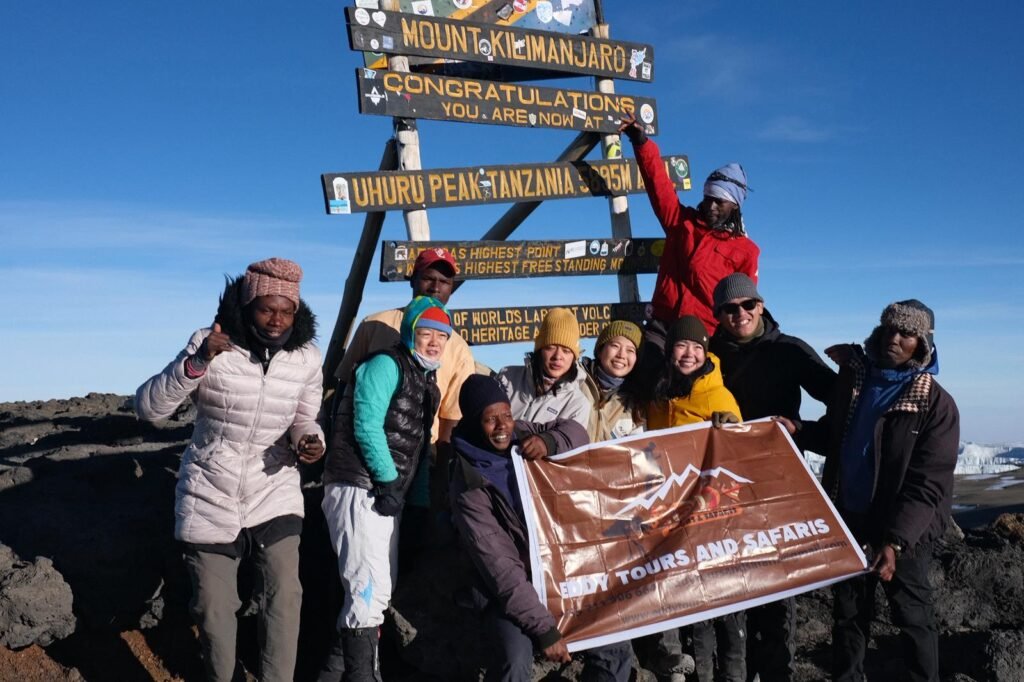
Essential Tips to Plan Your Climb Duration
Choose the Right Operator
Working with experienced guides ensures your itinerary is safe and well-paced. Trusted operators collaborate with conservation groups like African Wildlife Foundation to promote responsible tourism.
Train in Advance
Physical preparation improves endurance. Guidance from Mayo Clinic suggests combining cardio and strength training for best results.
Stay Hydrated
Hydration is crucial at high altitudes. Research from Harvard T.H. Chan School emphasizes the importance of water intake during strenuous activities.
Pack Smart
Carrying the right gear can make a big difference. Many climbers also explore preparation tips from Kilimanjaro climb specialist resources.
Environmental and Conservation Considerations
Kilimanjaro is not just a mountain; it is a delicate ecosystem. Organizations like UNEP and WWF stress the importance of sustainable tourism. Choosing eco-conscious operators helps preserve this natural wonder for future generations.
By trekking responsibly and following guidelines from groups like Conservation International, you contribute to protecting wildlife and local communities.
FAQs About How Long Does It Take to Climb Mount Kilimanjaro?
How many days are ideal for beginners?
Seven to eight days are ideal for beginners, as they allow proper acclimatization and a higher success rate.
Can I climb Kilimanjaro in five days?
Yes, but it is not recommended due to increased risk of altitude sickness and lower success rates.
What is the longest route available?
The Northern Circuit route takes about nine days and offers excellent acclimatization.
Is altitude sickness common?
Yes, but it can be managed with proper pacing and hydration, as advised by CDC.
Do I need prior climbing experience?
No technical experience is required, but good fitness and preparation are essential.
When is the best time to climb?
Dry seasons are preferred for better weather conditions and visibility.
Conclusion: Planning Your Kilimanjaro Timeline Wisely
Understanding How Long Does It Take to Climb Mount Kilimanjaro? is the foundation of a successful adventure. While it may be tempting to choose a shorter route, taking extra days can make a significant difference in your experience and safety. With the right preparation, guidance, and mindset, reaching the summit becomes not just possible but deeply rewarding.
Whether you are a first-time trekker or an experienced adventurer, planning your climb with professionals like Eddy Tours & Safaris ensures a smooth, safe, and unforgettable journey to the Roof of Africa.