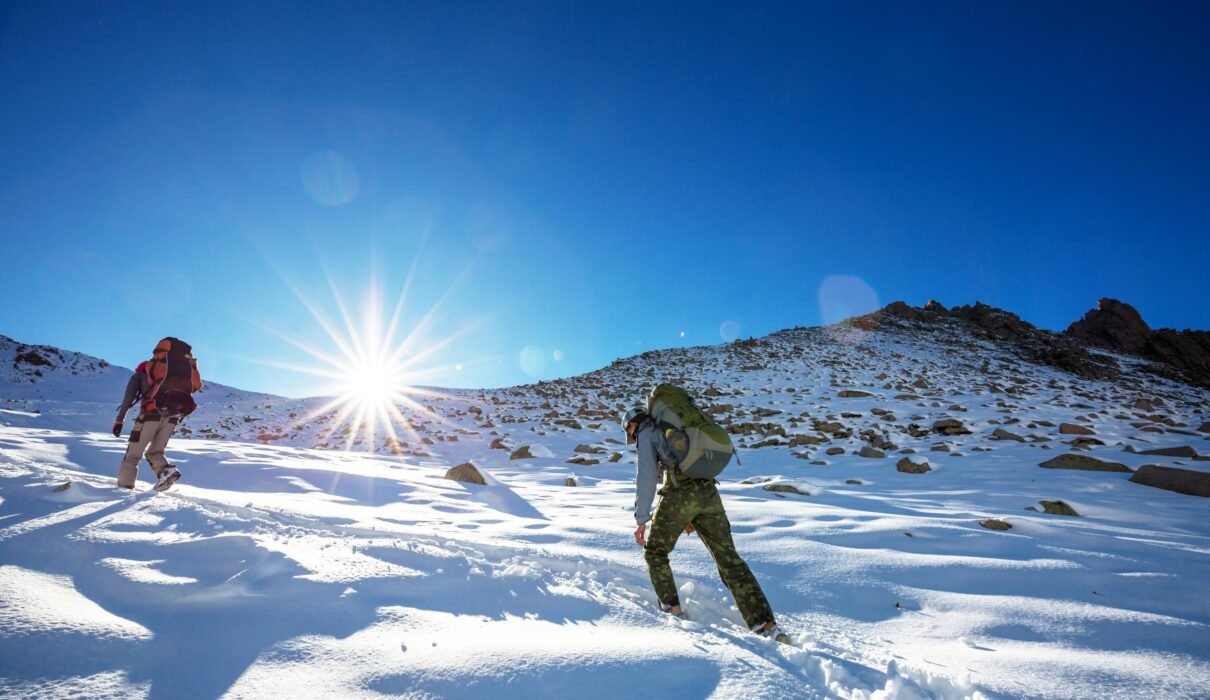
,How Much Does It Cost to Climb Mount Kilimanjaro in 2026, 2027 & 2028 Complete Price Guide is a dream adventure for thousands of travelers every year. Standing at 5,895 meters (19,341 feet) above sea level, it is Africa’s highest mountain and one of the world’s most famous trekking destinations. Unlike many other high-altitude peaks, Kilimanjaro does not require technical climbing skills, making it accessible to anyone with good preparation, determination, and the right support team.
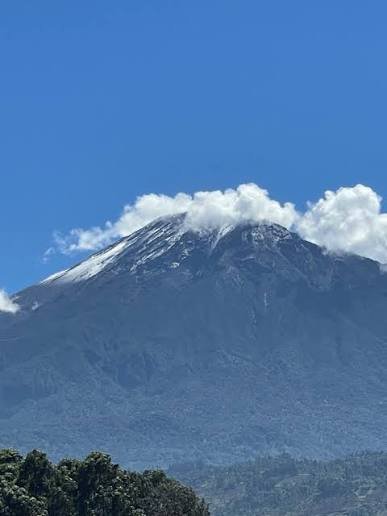
One of the first questions every traveler asks is, How much does it cost to climb Mount Kilimanjaro? The answer depends on several factors, including the route you choose, the number of trekking days, the level of service, and the tour operator. While some budget packages advertise very low prices, climbing Kilimanjaro involves mandatory park fees, guide wages, porter salaries, camping equipment, food, transportation, and safety measures that significantly influence the final cost.
If you’re planning your climb in 2026, 2027, or 2028, this comprehensive guide explains everything you need to know about Kilimanjaro prices, what is included in a typical package, additional expenses to expect, and how to choose the best value for your budget.
Average Cost to Climb Mount Kilimanjaro of How Much Does It Cost to Climb Mount Kilimanjaro in 2026, 2027 & 2028? Complete Price Guide
Most climbers spend between US$2,000 and US$6,000 depending on the package they select.
Estimated Kilimanjaro Climbing Prices
| Package Type | 2026 | 2027* | 2028* |
|---|---|---|---|
| Budget Group Climb | $2,000–$2,600 | $2,100–$2,700 | $2,200–$2,900 |
| Standard Group Climb | $2,700–$3,500 | $2,800–$3,700 | $2,900–$3,900 |
| Private Climb | $3,500–$5,500 | $3,700–$5,700 | $3,900–$6,000 |
| Luxury Climb | $5,500–$8,000+ | $5,700–$8,300+ | $6,000–$8,500+ |
*2027 and 2028 prices are estimated and may change depending on future park fees, inflation, and operator pricing.
Why is Climbing Kilimanjaro Expensive?:How Much Does It Cost to Climb Mount Kilimanjaro in 2026, 2027 & 2028? Complete Price Guide
Many first-time travelers are surprised by the price of a Kilimanjaro climb. Unlike ordinary hiking trips, climbing Africa’s highest mountain requires a large support team and strict regulations set by Tanzania National Parks.
A single climber may be accompanied by:
- Lead guide
- Assistant guide
- Cook
- 8–15 porters
- Rescue equipment
- Camping gear
- Emergency oxygen
- Medical kit
Your payment supports not only your adventure but also hundreds of local jobs in Tanzania.
What Determines the Cost?:How Much Does It Cost to Climb Mount Kilimanjaro in 2026, 2027 & 2028? Complete Price Guide
Several factors influence the total cost of climbing Mount Kilimanjaro.
1. Route Selection
Different routes have different durations and park fees.
| Route | Days | Average Price |
|---|---|---|
| Marangu | 5–6 | $2,000–$3,000 |
| Machame | 6–7 | $2,400–$3,800 |
| Lemosho | 7–8 | $2,700–$4,500 |
| Rongai | 6–7 | $2,400–$3,700 |
| Northern Circuit | 8–9 | $3,200–$5,500 |
| Umbwe | 6 | $2,300–$3,500 |
Longer routes cost more because additional park fees, camping, food, and staff wages are required.
2. Group Size
Joining a group climb is the most affordable option because expenses are shared among participants.
Example:
- Solo Climb: $3,800
- Two People: $3,100 each
- Four People: $2,700 each
- Six People: $2,500 each
3. Camping vs Hut Accommodation
Only the Marangu Route offers mountain huts.
Camping routes require:
- Large tents
- Dining tents
- Portable toilets (optional)
- Mattresses
- Kitchen equipment
These increase logistics costs but often provide a better trekking experience.
4. Tour Operator Quality
Very cheap operators often reduce costs by:
- Paying staff poorly
- Using old equipment
- Hiring inexperienced guides
- Providing lower-quality meals
A reputable operator invests in experienced mountain guides, quality camping gear, emergency oxygen, and ethical porter treatment.
Typical Kilimanjaro Package Inclusions
A standard climbing package usually includes:
- Airport transfers
- Hotel accommodation before and after the climb
- National Park fees
- Rescue fees
- Conservation fees
- Professional mountain guides
- Porters
- Cook
- Camping equipment
- Sleeping tents
- Dining tent
- Table and chairs
- Three nutritious meals daily
- Drinking water
- Oxygen cylinder
- Pulse oximeter
- First aid kit
- Summit certificate
What is NOT Included?
Most packages exclude:
- International flights
- Tanzania Visa
- Travel insurance
- Personal equipment
- Sleeping bag rental
- Tips for guides and porters
- Personal snacks
- Alcoholic drinks
- Laundry
- Souvenirs
Breakdown of Kilimanjaro Costs
Here is an approximate breakdown of where your money goes.
| Expense | Estimated Cost |
|---|---|
| Park Fees | $900–$1,400 |
| Guide & Crew Salaries | $500–$900 |
| Food | $120–$250 |
| Camping Equipment | $150–$300 |
| Transportation | $80–$150 |
| Hotel Accommodation | $100–$250 |
| Administration | $150–$300 |
| Emergency Equipment | $80–$150 |
Park fees alone make up one of the largest portions of the total climbing cost.
Hidden Costs You Should Budget For
Besides the package price, there are additional expenses every climber should prepare for.
Tanzania Visa
Approximately US$50–100, depending on nationality.
Travel Insurance
A comprehensive policy covering high-altitude trekking typically costs between US$80 and US$250.
Tips
Crew tipping is expected after every climb.
Suggested tipping:
- Lead Guide: $20–30 per day
- Assistant Guide: $15–20 per day
- Cook: $12–15 per day
- Porter: $8–10 per day
For a seven-day climb, budget around US$250–400 for tips.
Equipment Rental Costs
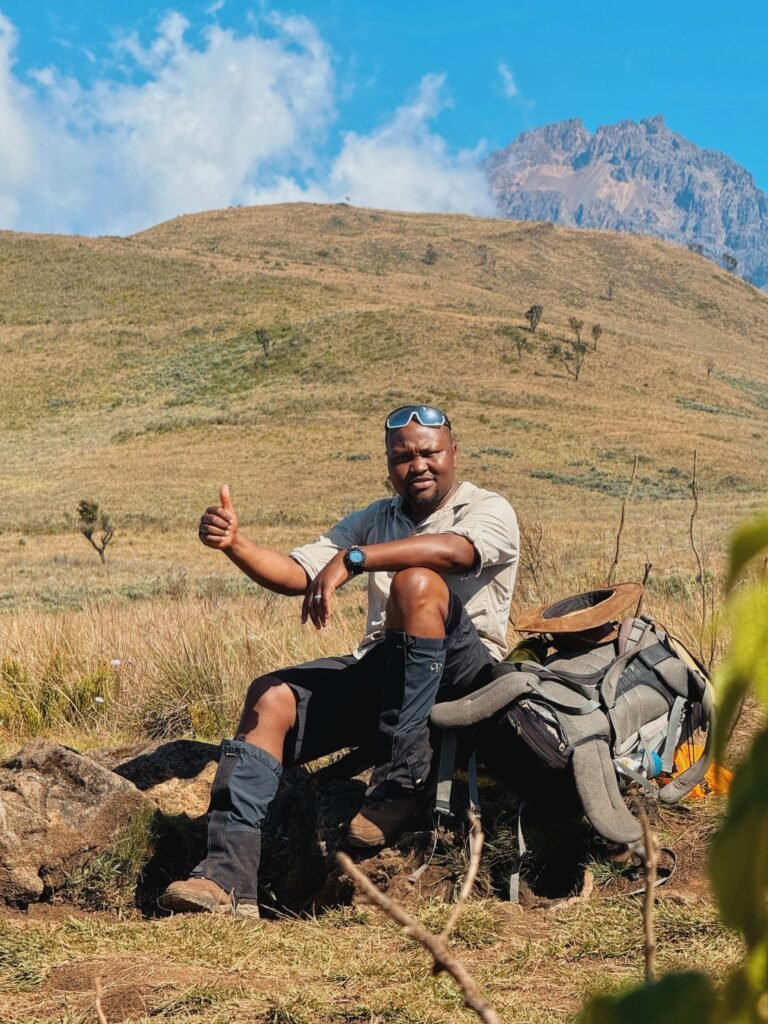
If you don’t own mountain gear, you can rent it in Moshi.
| Equipment | Rental Cost |
|---|---|
| Sleeping Bag | $30–50 |
| Trekking Poles | $15–25 |
| Down Jacket | $25–40 |
| Hiking Boots | $30–45 |
| Waterproof Pants | $15–25 |
| Headlamp | $10–15 |
Budget vs Mid-Range vs Luxury Packages
Budget Climbs
Ideal for travelers who want the lowest possible cost.
Usually includes:
- Shared tents
- Basic hotels
- Group departure
- Standard meals
Average cost:
US$2,000–2,600
Mid-Range Climbs
The most popular choice.
Includes:
- Better hotels
- Quality camping equipment
- Experienced guides
- Better food
- Smaller groups
Average price:
US$2,700–4,000
Luxury Climbs
Perfect for travelers wanting premium comfort.
Luxury climbs may include:
- Boutique hotels
- Private toilet tent
- Heated dining tent
- Gourmet meals
- Satellite communication
- Private guide
- Premium transport
Average cost:
US$5,500–8,500+
Is It Worth Paying More?
Generally, yes.
A higher-quality operator usually offers:
- Better safety standards
- More experienced guides
- Better acclimatization advice
- Improved meals
- Comfortable camps
- Higher summit success rates
- Ethical porter treatment
Choosing solely based on price can affect both your experience and safety
Best Time to Climb
Prices are generally similar throughout the year, but demand is highest during:
- January to March
- June to October
- December holidays
Booking early for these periods helps secure your preferred dates and may lock in current pricing before any future increases.
Money-Saving Tips
If you’re looking to reduce costs without compromising safety, consider these strategies:
- Join a scheduled group climb.
- Book several months in advance.
- Travel during the shoulder season.
- Bring your own trekking equipment instead of renting.
- Compare what different operators include before making a decision.
- Avoid choosing a package solely because it is the cheapest.
Why Booking with a Reputable Operator Matters
Your Kilimanjaro adventure is more than reaching the summit. A reliable operator provides trained guides, quality equipment, emergency preparedness, and fair treatment of mountain crews. While low-cost packages may appear attractive, they can cut corners in areas that directly affect your comfort and safety.
Investing in a professionally organized expedition often leads to a smoother experience, better acclimatization support, and a higher chance of successfully reaching Uhuru Peak.
Frequently Asked Questions
What is the cheapest way to climb Kilimanjaro?
Joining a group climb on the Marangu or Machame Route is usually the most affordable option, with prices starting around US$2,000.
Why are park fees so high?
Park fees help fund conservation, trail maintenance, rescue services, and environmental protection within Kilimanjaro National Park.
Can I climb Kilimanjaro without a guide?
No. Tanzanian regulations require all climbers to be accompanied by licensed guides.
Are 2027 and 2028 prices confirmed?
Future prices depend on any changes to park fees, government regulations, and operator costs. Estimates provide a useful planning guide, but actual rates may vary.
How much should I budget in total?
Including flights, visa, insurance, equipment, tips, and the climbing package, many international travelers spend between US$3,500 and US$7,000 for a complete Kilimanjaro adventure.
Final Thoughts Of How Much Does It Cost to Climb Mount Kilimanjaro in 2026, 2027 & 2028? Complete Price Guide
How Much Does It Cost to Climb Mount Kilimanjaro in 2026, 2027 & 2028? Complete Price Guide;Climbing Mount Kilimanjaro is one of the world’s most rewarding trekking experiences, and understanding the costs in advance will help you plan with confidence. While prices for 2026 are relatively predictable, estimates for 2027 and 2028 suggest modest increases due to inflation and potential updates to park fees and operating costs.
Whether you choose a budget-friendly group trek or a luxury private expedition, remember that the cheapest option is not always the best value. Experienced guides, quality equipment, ethical porter practices, and strong safety standards can make a significant difference to your overall experience and your chances of standing on the roof of Africa.
If you budget realistically and choose a reputable operator, your investment will reward you with unforgettable landscapes, personal achievement, and memories that last a lifetime.