
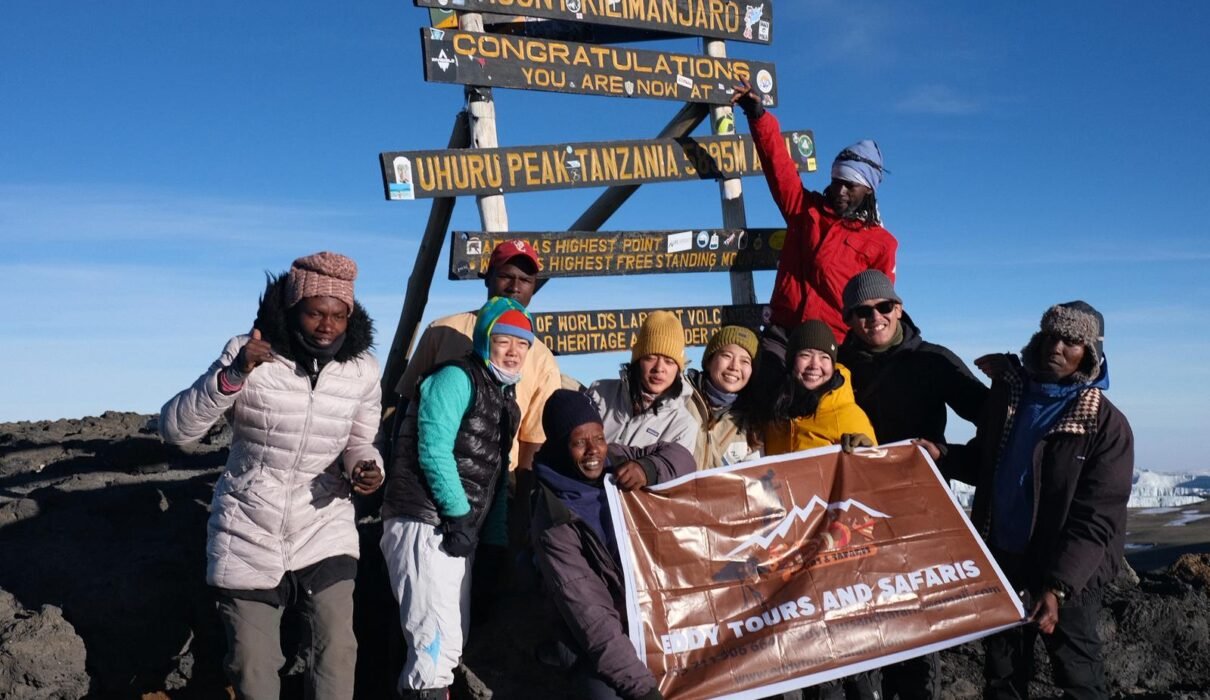
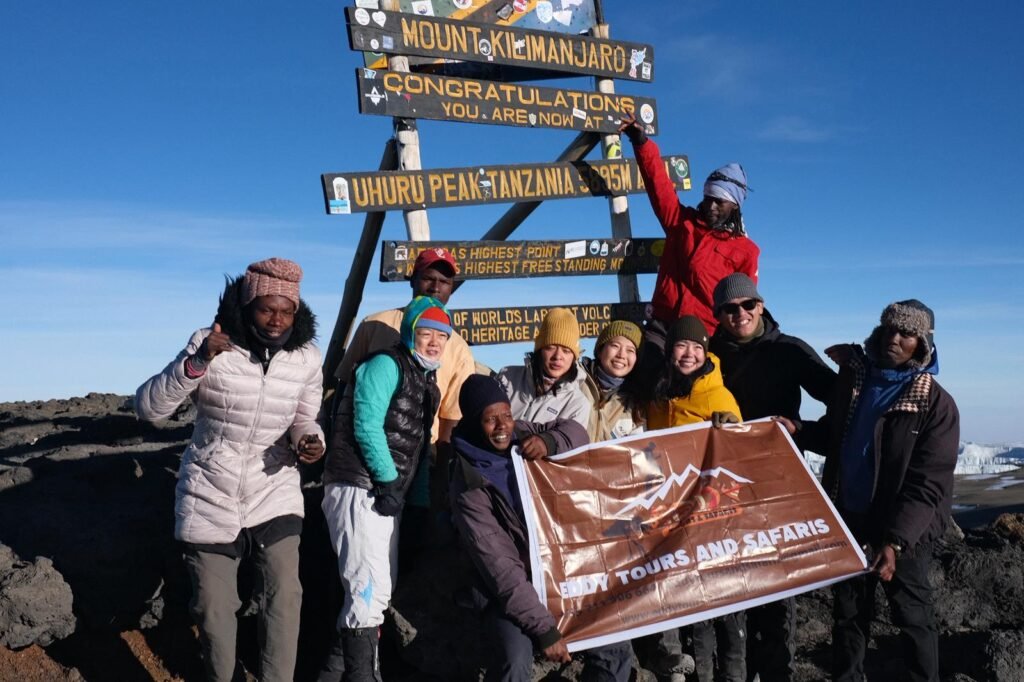
How Safe Is Climbing Mount Kilimanjaro is one of the first questions most travelers ask before planning a high-altitude adventure in Tanzania, and it is a very smart question because safety on Africa’s highest mountain depends more on preparation, professional support, and personal awareness than on physical strength alone. Many people imagine extreme danger, but real risk usually comes from altitude sickness, poor planning, and choosing operators that do not follow proper safety systems, not from the mountain itself.
This article explains the real safety situation in a simple and honest way. You will learn what science says about altitude, how weather affects climbers, what medical organizations recommend, and what responsible operators do differently to protect their clients. If you are planning your climb with a trusted local team such as Eddy Tours & Safaris, understanding these details will help you make better decisions and enjoy the mountain with confidence.
How Safe Is Climbing Mount Kilimanjaro from a medical point of view?
When people ask How Safe Is Climbing Mount Kilimanjaro medically, most international health organizations agree on one main risk: altitude-related illness. The mountain rises very fast, and the human body needs time to adapt to reduced oxygen. According to the Wilderness Medical Society and international mountain medicine research, acute mountain sickness is common but preventable with correct ascent planning and rest days. Reliable guidance can be found from the Wilderness Medical Society and the International Society for Mountain Medicine.
Research published through the U.S. National Library of Medicine shows that gradual ascent, hydration, and early symptom recognition significantly reduce serious complications. The Centers for Disease Control and Prevention also provides clear medical guidance on high-altitude travel, emphasizing slow climbs and avoiding unnecessary pressure to summit quickly.
Professional operators working with proper medical protocols usually follow the same safety principles promoted by the World Health Organization, especially in emergency preparedness, infection control, and health screening before and during remote travel activities.
How Safe Is Climbing Mount Kilimanjaro in terms of weather and climate risks?
Another key part of understanding How Safe Is Climbing Mount Kilimanjaro is knowing how weather behaves on the mountain. Kilimanjaro creates its own climate zones, ranging from humid forest to alpine desert and arctic-like summit conditions. Climate and atmospheric data from NASA Climate Science and environmental monitoring programs show that temperature and wind change rapidly with altitude.
The mountain’s fragile ecosystems are closely studied by conservation and climate organizations such as UN Environment Programme and International Union for Conservation of Nature. These institutions warn that climate variability increases the importance of reliable forecasting and flexible climbing schedules. Well-managed climbs adjust daily plans when conditions change, rather than following rigid timetables.
Weather risk becomes dangerous only when climbers or companies ignore professional advice and push through storms or extreme cold without proper gear. Ethical operators monitor conditions and adapt routes accordingly.
How Safe Is Climbing Mount Kilimanjaro when wildlife and environment are considered?
Many visitors worry about wildlife encounters. In reality, understanding How Safe Is Climbing Mount Kilimanjaro from an environmental perspective shows that wildlife risks are extremely low on the main trekking routes. Conservation organizations such as World Wide Fund for Nature and African Wildlife Foundation confirm that large animals avoid heavy human activity corridors.
Environmental protection bodies including Food and Agriculture Organization and the Conservation International emphasize that regulated trekking supports conservation funding and community protection programs. Responsible tourism reduces environmental pressure when managed correctly.
The mountain is not dangerous because of animals. The real safety issue remains human behavior and environmental responsibility.
How Safe Is Climbing Mount Kilimanjaro if you choose a professional local operator?
Choosing the right team changes everything when people evaluate How Safe Is Climbing Mount Kilimanjaro. Professional operators follow internationally accepted safety systems. Mountaineering and safety frameworks promoted by the International Climbing and Mountaineering Federation strongly recommend trained guides, daily health monitoring, clear evacuation plans, and proper equipment checks.
Operators who invest in guide training often collaborate with outdoor safety and leadership standards developed through organizations such as National Outdoor Leadership School. These practices directly improve client safety by creating calm and organized decision-making in difficult conditions.
When planning your climb through a local company that focuses on safety culture, such as Kilimanjaro climbing specialists, you benefit from local knowledge, fast communication with rescue services, and teams that understand mountain conditions daily.
How Safe Is Climbing Mount Kilimanjaro compared with other high-altitude destinations?
When comparing How Safe Is Climbing Mount Kilimanjaro with other international trekking regions, global data suggests Kilimanjaro is safer than many remote Himalayan and Andean routes because of its strong park management and established rescue systems. International development and risk-reduction programs studied by the World Bank Disaster Risk Management show that structured access points and ranger coordination significantly reduce response time during emergencies.
Academic research from University of Oxford research programmes and outdoor medicine studies published through PubMed indicate that properly managed trekking destinations produce far fewer severe incidents than informal or unregulated climbing zones.
Kilimanjaro’s controlled entry system and mandatory use of registered operators make it easier to maintain consistent safety standards.
How Safe Is Climbing Mount Kilimanjaro for first-time high-altitude hikers?
First-time hikers often worry most about How Safe Is Climbing Mount Kilimanjaro without previous altitude experience. Medical research supported by the Johns Hopkins Medicine and Cleveland Clinic confirms that first-time trekkers can safely reach high elevations when guided correctly and when rest days are respected.
Organizations such as the International Red Cross and Red Crescent Movement also highlight the importance of emergency readiness, communication equipment, and trained response teams in remote environments. These systems are already integrated into well-organized Kilimanjaro operations.
The real danger for beginners comes from underestimating the mountain and choosing rushed itineraries designed only to reduce cost.
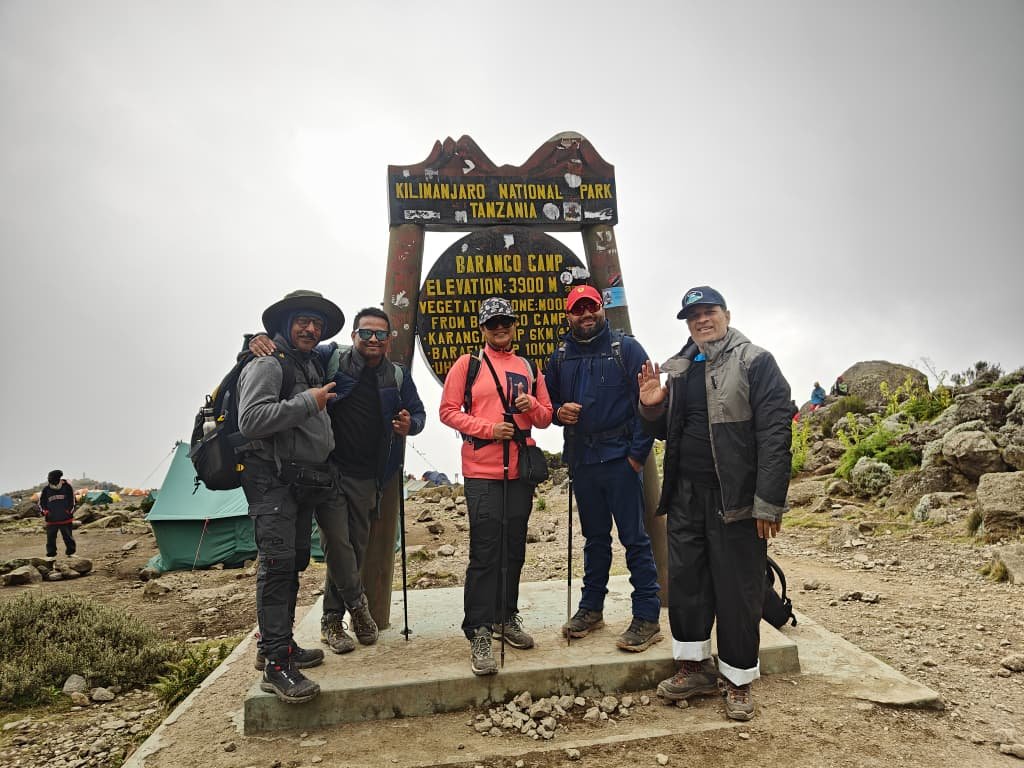
How Safe Is Climbing Mount Kilimanjaro when emergency response is required?
Understanding How Safe Is Climbing Mount Kilimanjaro during emergencies depends on rescue coordination and evacuation capacity. International disaster response standards promoted by International Federation of Red Cross and Red Crescent Societies stress rapid communication and trained local responders as key survival factors.
Kilimanjaro benefits from structured ranger networks and established evacuation routes. Scientific field logistics studies supported by the National Geographic Society emphasize how structured access routes improve rescue reliability compared to wilderness areas with limited infrastructure.
When you climb with an operator that maintains radios, oxygen systems, and evacuation procedures, response time becomes predictable and manageable.
How Safe Is Climbing Mount Kilimanjaro for long-term health?
Another question linked to How Safe Is Climbing Mount Kilimanjaro concerns long-term health effects. Research published through Frontiers in Physiology and medical reviews available on ScienceDirect indicate that healthy individuals experience no permanent harm from short-term high-altitude exposure when ascents are well managed.
Short-term fatigue and temporary symptoms disappear after descent. What matters most is hydration, nutrition, and controlled exertion. Operators that prioritize proper meals and pacing reduce post-climb complications dramatically.
How Safe Is Climbing Mount Kilimanjaro if you care about ethics and community?
People increasingly include social responsibility when asking How Safe Is Climbing Mount Kilimanjaro. Organizations such as International Labour Organization and Oxfam International stress fair working conditions, porter welfare, and ethical employment as essential parts of sustainable tourism safety.
Supporting operators who follow ethical porter care guidelines improves safety for everyone on the mountain, because healthy and respected staff perform better and communicate risks more clearly.
Why booking with a responsible local team matters
Safety is not only equipment and medicine. It is communication, planning, respect for people, and respect for the mountain. Many climbers choose to work with experienced Tanzanian professionals such as local safari and trekking operators because they understand real conditions, not just marketing promises.
By booking with a company that invests in training, fair employment, and environmental care, you directly improve your own safety while supporting conservation and local livelihoods. If you want honest advice about routes, acclimatization options, and safety-focused schedules, you can explore professional planning support at contact our local experts.
Final truth about safety on Africa’s highest mountain
So, How Safe Is Climbing Mount Kilimanjaro in real life? It is safe when approached responsibly, planned professionally, and climbed with respect for your body and the mountain. The risks are real, but they are manageable and well understood by medical science and conservation organizations around the world.
If you prepare properly, choose a safety-driven operator, and follow professional guidance, Kilimanjaro becomes not a dangerous challenge, but a meaningful and well-supported journey. For travelers who value comfort, honest advice, and responsible operations, planning with trusted Kilimanjaro experts offers both confidence and peace of mind.