
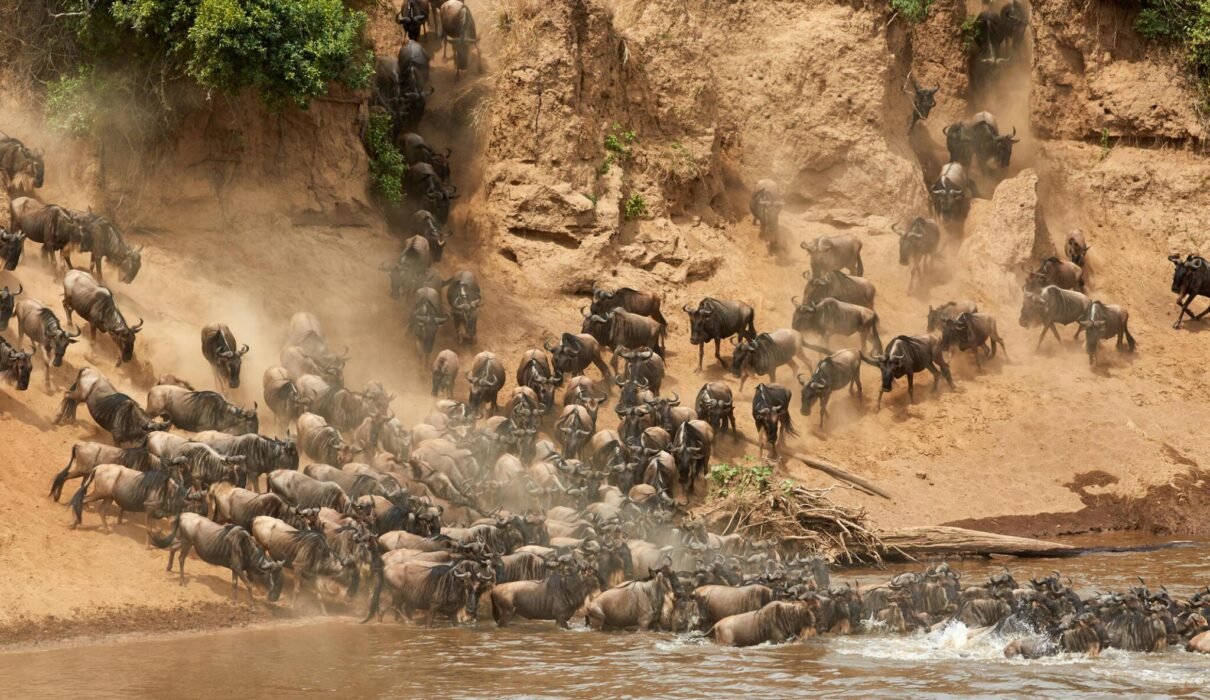
Booking a Serengeti safari is one of the most important steps when planning a wildlife holiday in Tanzania. Serengeti National Park is famous for its extensive grasslands, large predator populations, and the Great Wildebeest Migration, making it a popular destination for travelers from around the world. However, choosing the right safari involves more than selecting a package and paying a deposit. You need to consider the best travel dates, the region you want to visit, accommodation, transportation, park fees, and the experience of your tour operator.
Many first-time visitors find the booking process confusing because different companies offer packages with similar names but different prices, accommodation standards, and services. A three-day safari may appear affordable, but long driving distances can reduce the time available for wildlife viewing. A luxury package may include excellent accommodation, but its location might not suit the wildlife experience you are hoping to see.
Understanding how to book a Serengeti safari helps you avoid these problems and make informed decisions before traveling. Whether you are planning a budget camping safari, a private wildlife adventure, a Great Migration tour, or a luxury fly-in holiday, careful preparation can make your journey more comfortable and rewarding.
At Eddy Tours & Safaris, we help travelers organize Serengeti safari packages based on their interests, travel dates, group size, and accommodation preferences. This guide explains the booking process step by step, including the questions you should ask before making a payment and the arrangements to confirm before departure.
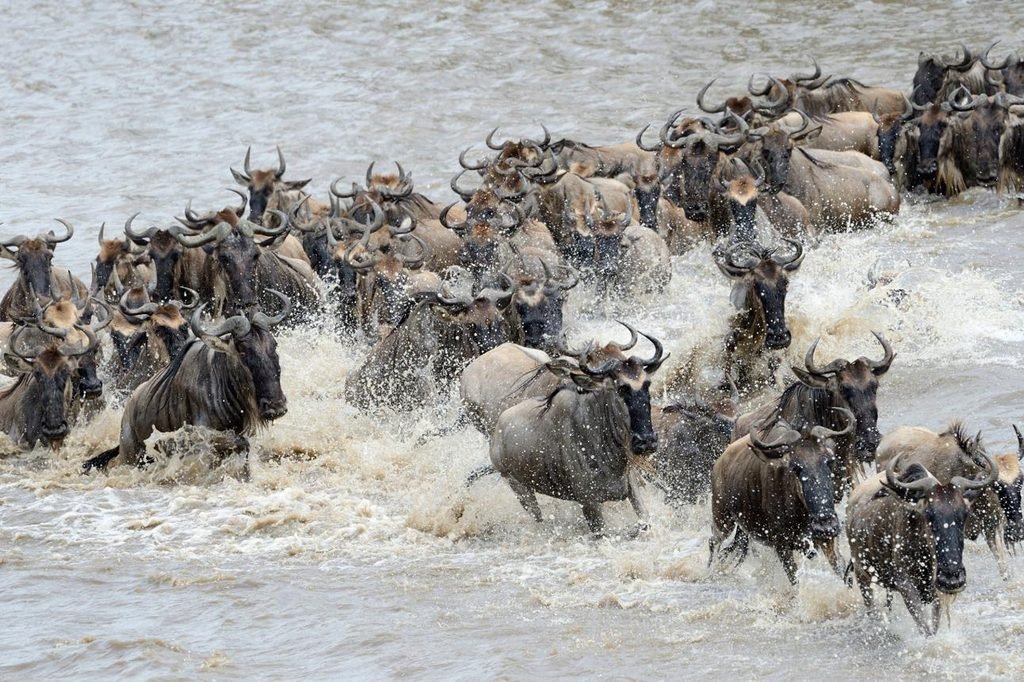
Why Visit Serengeti National Park?
Serengeti National Park is located in northern Tanzania and forms part of the larger Serengeti-Mara ecosystem. The park covers approximately 14,750 square kilometres and is internationally recognized for its extensive wildlife habitats and annual migration of wildebeest, zebras, and other grazing animals.
Serengeti supports lions, leopards, cheetahs, elephants, buffaloes, giraffes, hippos, crocodiles, and numerous antelope species. Its different landscapes include open grasslands, woodland, rivers, rocky outcrops, and seasonal wetlands. These habitats provide opportunities to observe a wide variety of animals throughout the year.
The park is also a UNESCO World Heritage Site, recognized for its ecological importance and large-scale wildlife migration. The migration is one of the world’s major natural wildlife movements, but the herds change location throughout the year according to rainfall and grazing conditions.
For visitors, this means the best Serengeti safari is not necessarily the most expensive package. It is the one that matches your travel dates, wildlife interests, and available time.
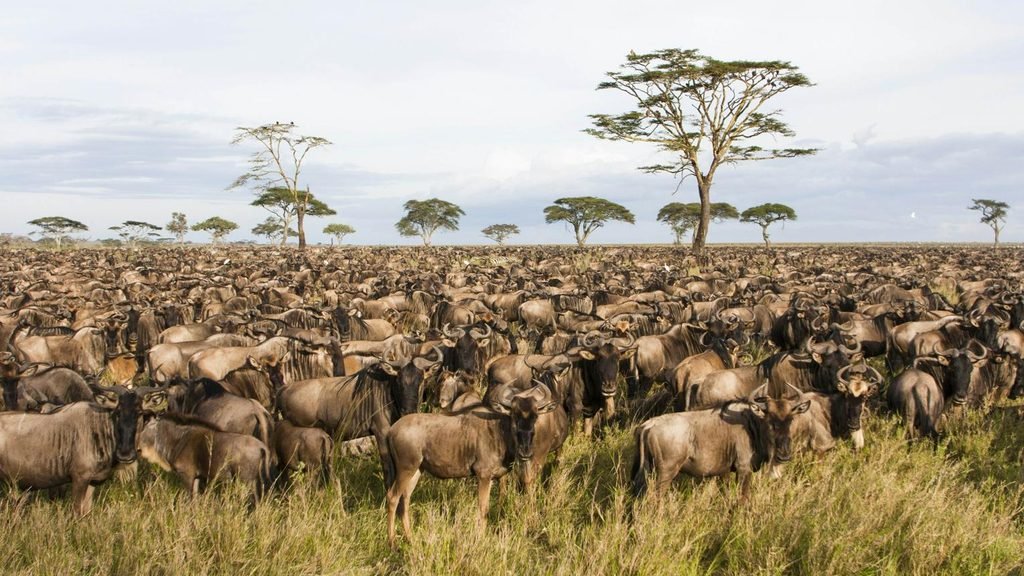
How to Book a Serengeti Safari: 10 Important Steps
Step 1: Decide What Kind of Serengeti Safari You Want
Before contacting a tour operator, think about the type of experience you would like. Some travelers want to spend several days photographing lions and leopards, while others are particularly interested in the Great Wildebeest Migration. Families may prioritize comfortable accommodation and manageable driving distances, while honeymooners may prefer luxury tented camps and private activities.
The main Serengeti safari options include private road safaris, group joining safaris, luxury lodge holidays, fly-in safaris, and specialized migration itineraries. Each option has different advantages, and the right choice depends on your expectations and budget.
A private safari provides greater flexibility because the vehicle and guide are dedicated to your group. A group joining safari may reduce costs, but the itinerary and daily schedule are usually shared with other travelers. Fly-in safaris can reduce long road transfers, while road safaris allow visitors to explore additional destinations along Tanzania’s northern circuit.
Start by identifying your priorities. This makes it easier for your operator to recommend a suitable itinerary rather than offering a generic package that may not match your interests.
Step 2: Choose the Best Time to Visit Serengeti
Serengeti can be visited throughout the year, but the wildlife experiences change with the seasons. If your main interest is observing resident wildlife, central Serengeti is a practical choice during many months. If you want to follow the Great Migration, your travel dates will influence which region you should visit.
The southern Serengeti and Ndutu area are commonly associated with the wildebeest calving season between January and March. The western corridor becomes important during parts of the migration’s northward movement, while northern Serengeti is particularly popular between July and October for possible Mara River crossings.
However, the migration does not follow a fixed calendar. Rainfall can influence the timing and direction of herd movements, and river crossings cannot be guaranteed.
| Travel period | Common wildlife interests | Suggested region |
|---|---|---|
| January–March | Wildebeest calving and predators | Southern Serengeti and Ndutu |
| April–May | Green landscapes and migrating herds | Southern, central or western areas |
| June–July | Northward migration movements | Western and northern Serengeti |
| August–October | Possible Mara River crossings | Northern Serengeti |
| November–December | Returning herds and resident wildlife | Central and southern areas |
These periods are general planning guidelines. Ask your safari operator to recommend a region based on the latest available seasonal information rather than promising a particular migration event.
Step 3: Decide How Many Days to Spend in Serengeti
The number of days you spend in Serengeti can make a considerable difference to your experience. Because the park is large and some regions are far apart, a short visit may involve more time traveling than expected.
A two-day visit can work as part of a broader Tanzania safari, but it provides limited time inside the park, particularly when traveling by road from Arusha. Three or four days allow more opportunities for wildlife viewing, while five days or longer can be useful for photographers and travelers focusing on the Great Migration.
If your itinerary includes Tarangire, Lake Manyara, or Ngorongoro Crater, consider the total number of days rather than counting only the Serengeti portion. A five-day northern circuit safari with two nights in Serengeti is different from spending five full days inside the park.
For travelers with sufficient time, three nights in Serengeti is often a good starting point. This allows an arrival game drive, two days of exploration, and some additional wildlife viewing before departure, depending on the itinerary.
Step 4: Choose the Right Serengeti Region
One of the most common booking mistakes is selecting accommodation without considering its location. Serengeti is extensive, and traveling between the central and northern regions can take several hours. A lodge that is convenient for resident wildlife viewing may not be suitable for travelers hoping to see the migration near the Mara River.
Central Serengeti, particularly the Seronera area, is popular for year-round resident wildlife, including lions, leopards, cheetahs, giraffes, and elephants. It is a practical choice for first-time visitors and general wildlife safaris.
Northern Serengeti, including the Kogatende region, is associated with possible Mara River crossings during parts of the dry season. Travelers interested in this experience should consider accommodation in the north rather than making a long excursion from central Serengeti.
Western Serengeti contains river habitats and woodland associated with the Grumeti River. It may be particularly interesting during certain migration periods.
Southern Serengeti and Ndutu are popular during the calving season. Some important Ndutu accommodation and wildlife areas lie within the Ngorongoro Conservation Area rather than Serengeti National Park, so the itinerary and applicable fees should reflect the correct location.
Ask your operator to explain where your accommodation is located and why that area suits your travel dates.
Step 5: Select a Reliable Tanzania Safari Tour Operator
Choosing a dependable tour operator is one of the most important parts of booking a Serengeti safari. A professional company should be able to explain the itinerary clearly, provide accurate accommodation information, discuss park fees, and answer questions about transportation and payment arrangements.
Before booking, check whether the company has a clear business identity, reliable contact information, and a professional booking process. You can also examine independent customer reviews, ask for recent guest feedback, and request details about the guides and safari vehicles.
A trustworthy operator should not guarantee specific animal sightings or promise that a river crossing will occur on a particular day. Wildlife moves naturally, and even experienced guides cannot control where animals will be found.
Be cautious when comparing extremely low prices. A cheaper quotation may exclude park fees, use different accommodation, involve more travelers sharing a vehicle, or provide fewer game-drive hours.
At Eddy Tours & Safaris, travelers can request a customized quotation through our official contact page and discuss their preferred arrangements before confirming a safari.
Step 6: Compare Safari Packages and Accommodation
Safari packages should be compared according to what they actually include rather than their advertised price alone. Two companies may offer a four-day Serengeti safari, but one may provide accommodation inside the park while another uses a property farther away. The difference can affect travel time and wildlife-viewing opportunities.
Serengeti accommodation generally includes budget camping, midrange lodges, permanent tented camps, and luxury safari properties. Budget camping may appeal to adventurous travelers, while midrange lodges offer additional comfort. Luxury camps often provide spacious accommodation and attentive service, although facilities vary between properties.
Ask for the exact names of the proposed lodges or camps, the number of nights at each property, the meal arrangements, and whether the accommodation is inside the park or in a surrounding area.
Also confirm whether the package includes a private safari vehicle, park entry fees, concession or camping charges where applicable, airport transfers, drinking water, and domestic flights if required.
Step 7: Request a Detailed Safari Quotation
Once you have selected your preferred itinerary, request a written quotation. A detailed quotation should identify the travel dates, number of travelers, daily activities, accommodation, transportation, included services, excluded expenses, and total price.
Avoid relying entirely on brief messages that mention only the number of days and a final amount. Without a complete itinerary, it can be difficult to understand what you are purchasing or compare offers from different operators.
A good quotation should also explain whether the safari is private or shared, how many travelers will use the vehicle, and whether the accommodation is confirmed or still subject to availability.
For families, the quotation should reflect children’s ages and any special accommodation requirements. For honeymooners or travelers celebrating an occasion, special requests should be discussed before the reservation is finalized.
You can also read our Tanzania Safari Cost Guide to understand the main expenses involved in a wildlife safari.
Step 8: Understand Deposits, Payments and Cancellation Terms
After agreeing on an itinerary, the tour operator will normally explain the deposit required to secure the reservation. The amount and payment schedule depend on the company’s booking conditions and the requirements of the accommodation providers.
Before sending money, request an official invoice showing the company details, total safari cost, deposit amount, remaining balance, payment method, and applicable terms. Confirm the beneficiary information carefully, particularly when making an international bank transfer.
Use a payment method provided through the company’s verified official channels. If payment instructions change unexpectedly, confirm the new details through a previously established contact number or email address rather than relying on an unfamiliar message.
Read the cancellation and refund conditions before making a payment. Some lodges, flights, and seasonal camps may have stricter cancellation rules than others. Understanding these conditions helps avoid disagreements if your travel plans change.
After payment, request an official receipt and written confirmation of the services reserved.
Step 9: Confirm Your Safari Reservation and Travel Arrangements
A payment receipt is important, but you should also receive a clear booking confirmation. This should identify the agreed itinerary, accommodation, dates, number of travelers, and any additional activities that have been reserved.
If your package includes domestic flights, confirm the flight route, departure information, baggage restrictions, and relevant airstrip. Serengeti has several airstrips serving different regions, so the correct arrival point depends on your accommodation.
Travelers arriving internationally should also confirm airport pickup arrangements and whether an overnight stay in Arusha is required before the safari begins. Kilimanjaro International Airport and Arusha Airport serve different travel purposes, and transfer times should be included in the plan.
Keep copies of your invoice, payment receipt, booking confirmation, passport information, and emergency contact details in an accessible location.
Step 10: Prepare Your Travel Documents and Safari Equipment
Once your booking is confirmed, begin preparing the documents and personal items needed for your trip. International visitors should check passport validity, visa requirements, health guidance, and travel insurance conditions well before departure.
Tanzania operates an official electronic visa system for eligible travelers. Visa requirements vary by nationality, and some travelers must obtain approval before arriving. Always use official immigration information rather than assuming that every visitor can obtain a visa on arrival.
Travel insurance should be suitable for your planned activities and provide appropriate medical and emergency assistance coverage. If your safari includes additional activities such as mountain trekking, check whether these are specifically covered.
For game drives, pack comfortable clothing, a warm layer for cool mornings, sunscreen, a hat, binoculars, a camera, personal medication, and any essential travel documents. Soft-sided luggage can be particularly useful for domestic flights, where baggage restrictions may apply.
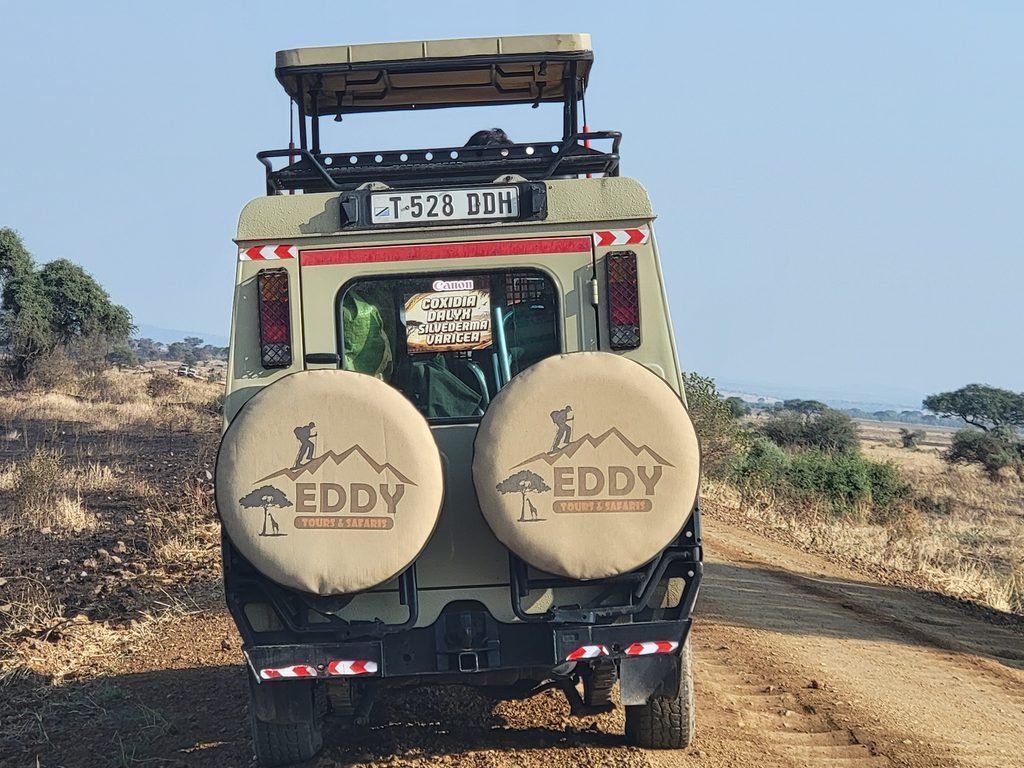
How Much Does It Cost to Book a Serengeti Safari?
Serengeti safari prices vary according to the number of days, travel season, accommodation standard, group size, transportation, and included activities. A private road safari generally has different costs from a luxury fly-in safari, while group joining arrangements may reduce the cost per traveler.
National park fees and accommodation charges also influence the final price. These fees can change, so travelers planning a safari in 2027 or 2028 should request a quotation based on the applicable rates rather than relying on outdated prices.
Optional experiences such as hot-air balloon safaris, special dining arrangements, and additional domestic flights may increase the total cost. A detailed quotation should identify these services separately.
The most useful way to compare prices is to consider the total value of the package, including accommodation location, wildlife-viewing time, vehicle arrangements, and the reliability of the operator.
How Far in Advance Should You Book a Serengeti Safari?
Booking early is particularly useful for travelers planning to visit during popular migration periods or those interested in specific luxury camps. Accommodation in northern Serengeti can become highly sought after during the months associated with Mara River crossings, while seasonal camps around Ndutu attract visitors during the calving period.
For popular dates, beginning your planning six to twelve months ahead can provide more accommodation choices. However, this is a planning recommendation rather than a booking requirement, and availability varies between properties.
Travelers with flexible dates may find suitable arrangements closer to departure, especially outside peak periods. Last-minute safaris are possible in some circumstances, but accommodation selection and flight availability may be limited.
If you are planning a safari for 2027 or 2028, it is sensible to begin discussing your preferred dates and accommodation options early.
Should You Book a Private or Group Serengeti Safari?
A private safari is suitable for travelers who want greater flexibility, personal attention, and the ability to concentrate on specific wildlife interests. Couples, families, photographers, and small groups often appreciate having a dedicated vehicle and guide.
A group joining safari may be more affordable because transportation and guiding costs are shared. However, travelers generally follow a fixed itinerary, and accommodation or departure dates may offer less flexibility.
Neither option is automatically better for everyone. The right choice depends on your budget, preferred travel style, and expectations.
For travelers particularly interested in wildlife photography or the Great Migration, a private safari can be advantageous because the daily schedule may be adjusted within the limits of park regulations and practical travel conditions.
Road Safari or Fly-In Safari: Which Is Better?
A road safari from Arusha allows travelers to experience the changing landscapes of northern Tanzania and combine Serengeti with destinations such as Tarangire and Ngorongoro Crater. It is a popular option for visitors who want a broader northern circuit experience.
However, the drive from Arusha to central Serengeti takes much of a day, depending on road conditions and stops. Travelers visiting northern Serengeti may face additional driving time.
A fly-in safari can reduce lengthy transfers and provide more time near the chosen wildlife region. Domestic flights serve airstrips in different parts of Serengeti, although schedules, luggage restrictions, and flight availability must be confirmed.
For a short luxury safari, flying may be particularly convenient. For a longer itinerary visiting several national parks, road transportation can provide a practical and enjoyable journey.
Common Mistakes to Avoid When Booking a Serengeti Safari
One common mistake is booking accommodation in the wrong region for the intended wildlife experience. Travelers hoping to see Mara River crossings may be disappointed if they stay far away in central Serengeti and have insufficient time to reach the northern area.
Another mistake is choosing a safari based only on price. A quotation may appear cheaper because it excludes important fees, uses distant accommodation, or provides fewer game drives.
Travelers should also avoid assuming that migration sightings are guaranteed. The herds respond to natural conditions, and the timing of specific events can vary significantly.
Finally, do not make a payment before understanding the cancellation policy, verifying the company details, and receiving a clear written quotation.
What Is Included in a Typical Serengeti Safari Package?
A typical private Serengeti safari may include a 4×4 safari vehicle, professional English-speaking driver-guide, scheduled game drives, accommodation, meals, applicable park fees, and drinking water during safari activities.
Depending on the itinerary, airport transfers, domestic flights, additional conservation charges, and accommodation outside Serengeti may also be included.
International flights, visas, travel insurance, tips, personal purchases, alcoholic drinks, and optional activities are generally excluded unless specifically stated. Always check the written quotation because inclusions differ between packages and operators.
Can You Combine Serengeti with Other Tanzania Destinations?
Yes. Many visitors combine Serengeti with Ngorongoro Crater, Tarangire National Park, and Lake Manyara National Park. These destinations offer different landscapes and wildlife experiences, making them popular additions to northern Tanzania itineraries.
Ngorongoro Crater is known for its volcanic setting and resident wildlife, while Tarangire is particularly associated with elephants and baobab trees. Lake Manyara provides forest habitats, birdlife, and Rift Valley scenery.
Travelers with additional time may also combine a Serengeti safari with a Mount Kilimanjaro climb or a Zanzibar beach holiday. The best arrangement depends on your interests, available time, and travel budget.
Frequently Asked Questions About Booking a Serengeti Safari
1. How do I book a Serengeti safari?
Choose your travel dates, preferred safari type, and accommodation standard, then request a detailed quotation from a reliable tour operator. Review the terms before paying a deposit.
2. Can I book a Serengeti safari online?
Yes. Many operators accept online enquiries and provide electronic invoices, payment options, and booking confirmations.
3. Is it better to book through a local Tanzania operator?
A reliable local operator can help arrange transportation, accommodation, guiding, and practical travel logistics. Compare operators based on their services and credibility.
4. How early should I book?
Six to twelve months ahead is a useful planning window for popular travel periods, although availability varies.
5. Can I book a last-minute Serengeti safari?
Sometimes. Last-minute arrangements depend on accommodation, vehicle, guide, and flight availability.
6. What is the best month to visit Serengeti?
The best month depends on whether you want general wildlife viewing, calving activity, or possible river crossings.
7. When should I book for the Great Migration?
Choose your dates according to the expected location of the herds and allow enough time in the relevant region.
8. Are Mara River crossings guaranteed?
No. River crossings are unpredictable natural events.
9. How many days should I spend in Serengeti?
Three to four days is a good starting point for many travelers, while longer stays suit migration-focused safaris.
10. Is a private safari expensive?
Private safaris vary in price, and the cost per person generally decreases when more travelers share the vehicle.
11. Are group joining safaris available?
Yes. Some operators arrange group joining departures, subject to confirmed schedules and availability.
12. Can I book a luxury Serengeti safari?
Yes. Luxury lodges, tented camps, and fly-in packages can be arranged.
13. Are national park fees included?
They may be included, but this must be clearly stated in your quotation.
14. Do I need to pay a deposit?
Many operators require a deposit, but the amount and payment schedule vary.
15. Is it safe to pay online?
Use verified company payment channels and confirm payment instructions before sending money.
16. Will I receive a booking confirmation?
You should request written confirmation identifying your itinerary, dates, accommodation, and reserved services.
17. Can I change my safari dates after booking?
Changes depend on accommodation availability and the operator’s terms and conditions.
18. Can I cancel my Serengeti safari?
Cancellation is generally possible under the agreed booking terms, but fees and refund conditions vary.
19. Can I fly directly to Serengeti?
Domestic flights serve several Serengeti airstrips, subject to schedules and availability.
20. Do I need a visa for Tanzania?
Visa requirements depend on nationality. Check the official Tanzania Immigration Services website.
21. Is Serengeti suitable for children?
Yes. Family safaris can be arranged, although some accommodations and activities have age restrictions.
22. Can I book a honeymoon safari?
Yes. Private luxury safaris and suitable accommodation can be arranged for honeymooners.
23. Can I add a hot-air balloon safari?
Yes. Balloon safaris may be added subject to weather, availability, and additional cost.
24. Can I combine Serengeti with Ngorongoro Crater?
Yes. This is one of the most popular combinations on Tanzania’s northern safari circuit.
25. How can I book with Eddy Tours & Safaris?
Contact our team with your travel dates, number of travelers, preferred accommodation, and wildlife interests. We can prepare a personalized quotation.
Book Your Serengeti Safari with Eddy Tours & Safaris
Booking a Serengeti safari should be an exciting part of planning your Tanzania holiday. By choosing the right travel dates, understanding the different Serengeti regions, comparing accommodation carefully, and confirming all booking details, you can avoid common mistakes and arrange a safari that suits your interests.
Whether you want to observe lions and elephants in central Serengeti, follow the Great Wildebeest Migration, enjoy a luxury lodge holiday, or combine Serengeti with Ngorongoro Crater, the most important step is selecting an itinerary that matches your expectations and available time.
At Eddy Tours & Safaris, we arrange private Serengeti wildlife safaris, Great Migration itineraries, luxury lodge holidays, and customized Tanzania safari packages. Our team can help you choose suitable travel dates, select accommodation, and prepare a detailed quotation before you confirm your booking.
Request Your Serengeti Safari Quotation
Chat with Our Safari Team on WhatsApp
Email: sales@eddytours-safaris.com
Explore more safari packages and Tanzania travel information at Eddy Tours & Safaris.
Start planning your Serengeti safari for 2027 or 2028 with a knowledgeable local team and an itinerary designed around your travel interests.