
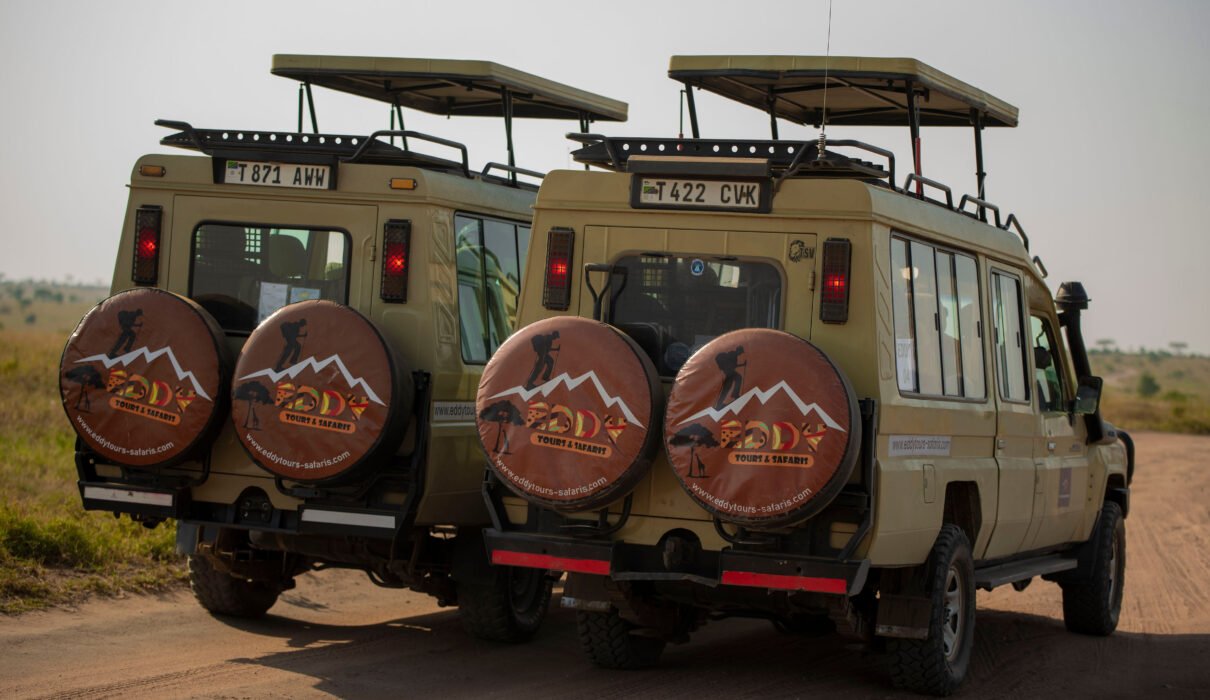
How to Choose the Best Family Safari Camps in Zanzibar and Tanzania: A Parent-Friendly Guide;Suddenly, there are dozens of safari camps, lodges, tented camps, beach resorts, parks, activities, transfer options, room types, and itineraries to compare. One property has a swimming pool. Another promises luxury tents in the wilderness. Another is closer to the animals. Another looks perfect for children.
And then comes the question every parent eventually asks:
Will my family actually be comfortable and safe here?
That is the question that matters most.A safari with children can be an incredible experience. Tanzania combines some of Africa’s most famous wildlife destinations with beautiful beaches and island experiences in Zanzibar. The official Tanzania Tourism website currently highlights safari destinations such as Serengeti, Ngorongoro and Tarangire alongside Zanzibar’s beaches, culture and island experiences.
But travelling with children is different from travelling as a couple or with a group of adults.
Parents need to think about nap times, food, bathroom access, long drives, medical arrangements, safety around wildlife, room configurations and, perhaps most importantly, whether the children will actually have fun.
The good news is that you do not need to be a safari expert to make a good decision.
You simply need to know what to look for.
Here is a practical, parent-friendly guide to choosing the best family safari camps in Tanzania and Zanzibar.
1. Start With Your Children, Not the Camp
The first mistake parents often make is choosing a camp because it looks beautiful online.
The better approach is to start with your children.
How old are they?
What are they like when travelling?
Do they enjoy long car journeys?
Are they adventurous eaters?
Do they need afternoon naps?
Are they comfortable sleeping somewhere unfamiliar?
Would they enjoy camping?
Would they rather have a swimming pool and Wi-Fi?
These questions may sound simple, but they can completely change the type of safari accommodation you should choose.
A family travelling with teenagers can usually handle a more adventurous itinerary than a family with a three-year-old.
Older children may enjoy longer game drives, photography, walking experiences where permitted, cultural visits and learning about wildlife.
Younger children may be happier with shorter drives, plenty of breaks, simple meals and a comfortable room where they can relax.
There is no universal definition of a family friendly safari.Your family is the starting point.
2. Understand What Safari Camp Really Means:How to Choose the Best Family Safari Camps in Zanzibar and Tanzania: A Parent-Friendly Guide
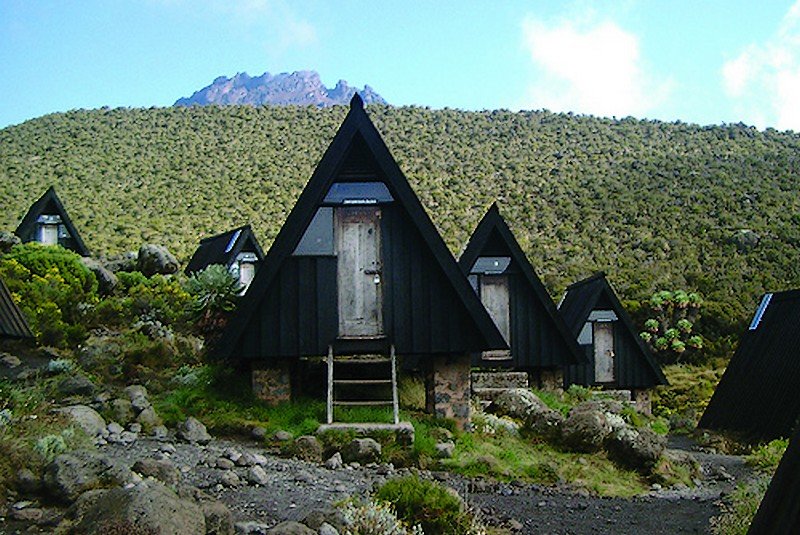
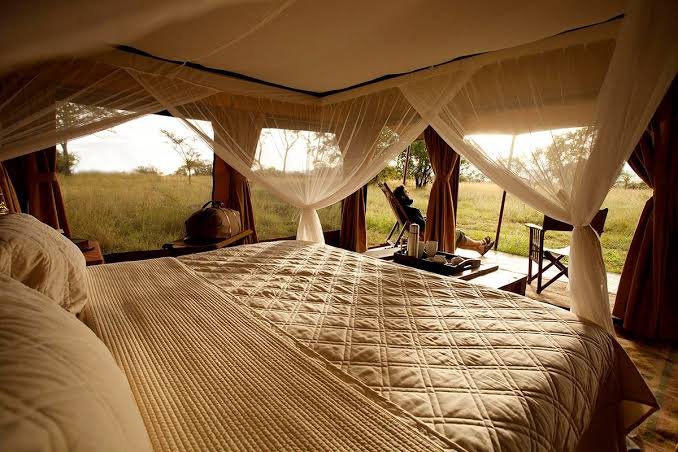
The word camp can be misleading.A safari camp in Tanzania does not necessarily mean sleeping on the ground in a basic tent.
Depending on the property, a camp may offer comfortable canvas tents with beds, private bathrooms, hot showers, electricity, a dining area and other hotel-like facilities.
There are also permanent camps, luxury tented camps, lodges and more basic campsites.TANAPA currently lists a wide range of accommodation inside Tanzania’s national parks, from luxury lodges to campsites, with more than 100 facilities across its accommodation listings.So, before booking, ask exactly what you are getting.For a family, you may want:
- A proper bed for every family member
- A private bathroom
- Hot water
- Reliable electricity
- Family rooms or tents
- A swimming pool
- A dining area
- Laundry facilities
- Safe storage for luggage
- Good communication facilities
If your family is experienced with camping, you may happily choose something simpler.
If this is your first safari, however, comfort can make the entire experience much more enjoyable.
3. Safety Should Be Your Number-One Priority
Let’s be honest: this is probably the biggest concern for parents.You are going into a wildlife environment.That is part of the magic, but it also means that normal hotel rules do not always apply.TANAPA’s visitor guidance stresses keeping a safe distance from wildlife, following guide instructions, staying on permitted routes and avoiding behaviour that disturbs animals. Its current guidelines and procedures also provide dedicated visitor-safety information.
When comparing camps, ask specific questions about safety.
For example:
Is the camp fenced?
If it is unfenced, how do guests move around after dark?
Are children allowed to walk from their tent to the dining area alone?
Does the camp provide an escort after sunset?
What happens if wildlife comes near the camp?
Is there a trained night guard?
Does the camp have communication equipment?
What is the emergency procedure?
A beautiful unfenced camp can provide an unforgettable wilderness experience, but parents must take the safety instructions seriously.
Children should never be allowed to wander around an unfenced safari camp without adult supervision.
4.Check Age Restrictions Before Booking Activities
Not every safari activity is suitable for every child.
This is something parents should investigate before paying a deposit.
For example, TANAPA’s current walking-safari guidelines restrict walking safaris to people above the age of 12 and require designated trails, professional guides and armed park rangers.
Other activities can also have their own requirements.
So if your children are excited about a particular experience, do not simply assume they can participate.
Ask the operator:
- What activities can children do?
- What are the minimum ages?
- Can younger children join walking experiences?
- Are there family-specific activities?
- Can activities be shortened?
- Are private activities available?
This is particularly important if your children are very young.
The goal is not to squeeze every possible activity into your itinerary.
The goal is to choose experiences that are genuinely appropriate for your children.
5. Choose the Right Room Configuration:How to Choose the Best Family Safari Camps in Zanzibar and Tanzania: A Parent-Friendly Guide
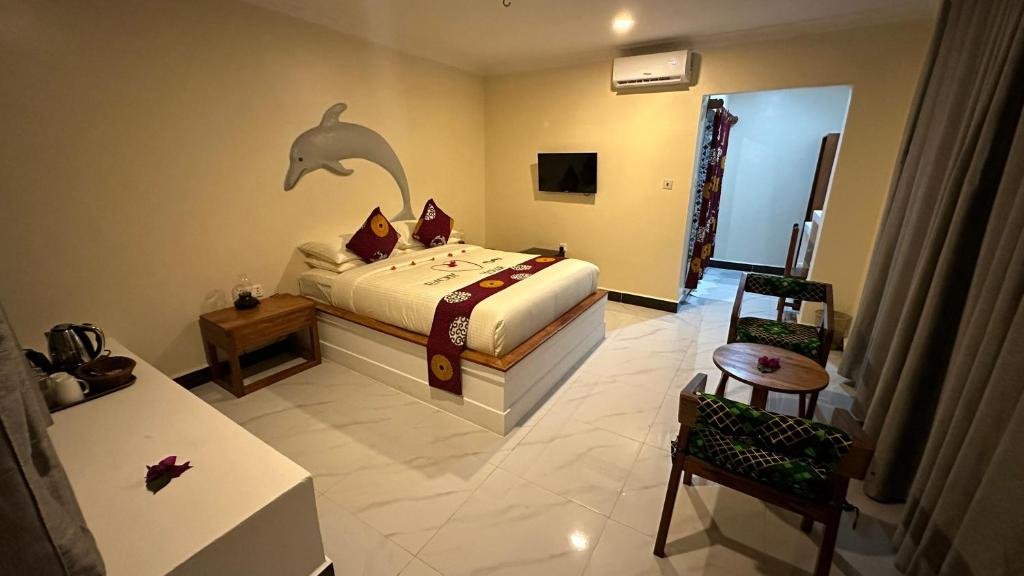
This sounds like a small detail until you arrive at your accommodation and realise that everyone is sleeping in separate tents.
Ask about room arrangements before booking.
Depending on the camp, you may find:
Family tents
These can be excellent for parents travelling with younger children.
Interconnecting rooms
These work well for families with older children who want a little independence while remaining close to their parents.
Two-bedroom family units
These offer additional privacy and can be especially useful for larger families.
Extra beds
Some camps can add beds to an existing room, while others cannot.
Do not assume that “sleeps four” means there are four proper beds.
Ask exactly how the sleeping arrangement works.
Also ask whether the family unit has its own bathroom.
For many parents, having a private bathroom at night is worth far more than having an expensive view.
6. Think About the Bathroom Situation
Nobody wants to discover halfway through a family safari that the bathroom arrangement is uncomfortable for their children.
Some safari accommodations have beautifully designed en-suite bathrooms.
Others may have shared facilities.
Some camps use traditional safari-style bathrooms.
Others offer full hotel-style bathrooms.
There is nothing inherently wrong with any of these options.
The question is:
What works for your family?
If you are travelling with a toddler, ask how far the bathroom is from the sleeping area.
If the accommodation is unfenced, ask whether children can leave the tent at night.
If hot water is limited to particular times, find out when those times are.
The more you know before arriving, the fewer surprises you will have.
7. Consider the Location Carefully
A camp can be wonderful and still be the wrong choice if it creates too much travelling for your family.
Tanzania is a large country, and safari destinations are not all next door to each other.
The official tourism board currently promotes destinations including Serengeti, Ngorongoro, Tarangire and other safari areas, while Zanzibar provides a separate coastal and island experience.
For families, travel time matters.
A six-hour transfer may sound manageable when you are planning your holiday from home.
It can feel very different when you have a tired child asking, Are we there yet? for the fifteenth time.
This is why it can be better to spend several nights in one location rather than constantly moving.
A slower itinerary can actually give you more quality family time.
8. Choose Camps Near the Experiences You Want:How to Choose the Best Family Safari Camps in Zanzibar and Tanzania: A Parent-Friendly Guide
Think about what you really want from the safari.
Do you want to see elephants?
Are lions important?
Are you hoping to experience the Great Migration?
Do you want landscapes as much as wildlife?
Would your children enjoy birdwatching?
Would you like to combine safari with cultural experiences?
TANAPA’s current park information highlights different parks and activities, while Tanzania Tourism promotes wildlife, nature, culture and island experiences as different ways of exploring the country.
There is no point choosing a camp based purely on its luxury level if it is poorly suited to your priorities.
Location should support your experience.
9. Do Not Underestimate the Importance of a Good Guide
A good safari guide can completely transform a family trip.
An experienced guide does more than identify animals.
They can explain why elephants behave in certain ways.
They can show children animal tracks.
They can point out birds that parents would never notice.
They can answer endless questions.
And they can often recognise when children are getting tired.
For families, this is extremely valuable.
A guide who enjoys working with children can turn a game drive into a moving classroom.
Instead of simply saying, “There’s a lion,” they can explain how lions live, why they hunt at certain times and how they interact with other animals.
Children learn without even realising they are learning.
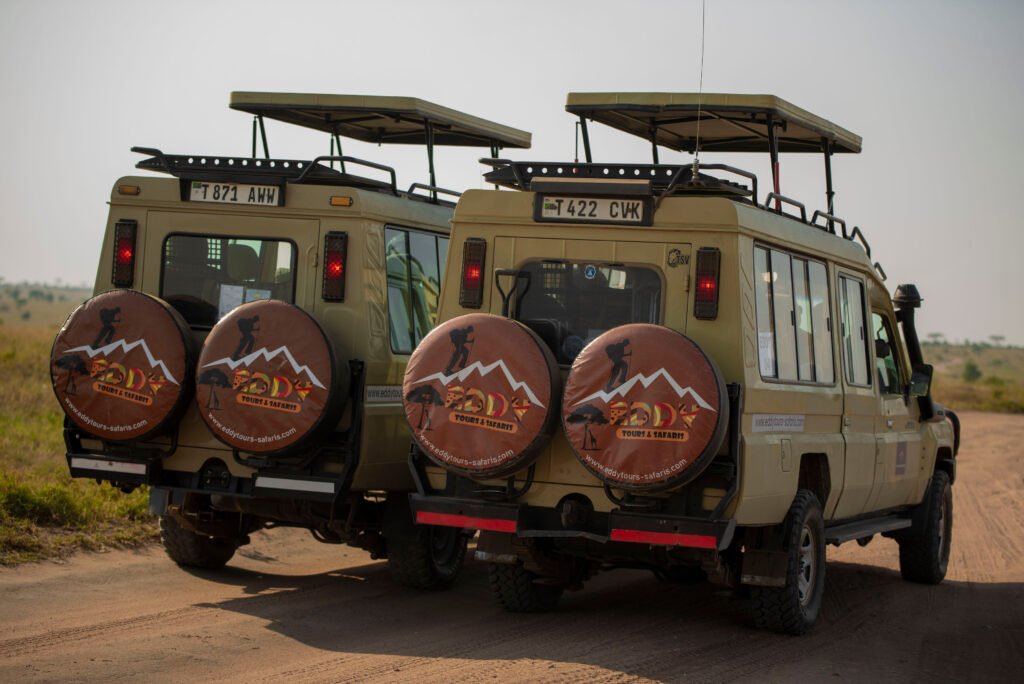
10. Consider a Private Safari Vehicle:How to Choose the Best Family Safari Camps in Zanzibar and Tanzania: A Parent-Friendly Guide
If your budget allows it, this is one of the upgrades families should seriously consider.
A private vehicle gives you flexibility.
You can decide when to leave.
You can stop when the children need a break.
You do not have to worry about disturbing other guests if your children become noisy.
You can return to camp if everyone is tired.
And if you find something incredible, you can spend more time enjoying it.
Tanzania Tourism’s current safari package information lists private 4×4 safari vehicles and professional driver-guides among typical package inclusions, although inclusions vary by operator and package.
A private vehicle may cost more, but for a family it can provide something even more valuable than luxury:
freedom.
11. Think About Food Before You Arrive
Children and food can be an interesting combination.
A parent may be thrilled to try local dishes every evening.
The child may be dreaming about pasta.
This is normal.
Before booking, ask whether the camp can provide children’s meals.
Check whether they can accommodate:
- Food allergies
- Vegetarian diets
- Special dietary requirements
- Simple meals
- Early breakfast
- Packed lunches
- Snacks
If your child has a serious allergy, communicate it clearly before arrival.
Do not assume that mentioning it casually at dinner will be enough.
It is also wise to pack a few familiar snacks for transfers and long game drives.
Sometimes the smallest comforts make travelling with children much easier.
12. Look for a Camp With a Swimming Pool
A swimming pool is not essential for a safari.
But for families?
It can be incredibly useful.
Imagine this:
You have been on a morning game drive for several hours.
You have seen elephants, giraffes and maybe even a lion.
Everyone is happy but tired.
Back at camp, the children jump into the pool while the adults relax with a drink.Suddenly, everyone has recovered.A pool gives children something to look forward to after a game drive.It also creates balance in the itinerary.
The safari does not have to be wildlife, wildlife and more wildlife.Sometimes the best family travel experiences happen during the quiet moments between activities.
13. Make Zanzibar the Relaxing Part of the Journey
One of the best things about combining Tanzania with Zanzibar is the contrast.
Safari days can involve early mornings, wildlife viewing, dusty roads and long periods in a vehicle.
Zanzibar can provide a slower rhythm.
The official Tanzania Tourism site describes Zanzibar as a destination for beaches, Stone Town heritage, spice tours and ocean experiences, including snorkeling and diving.
For families, this can create a very natural holiday structure:
Safari first.
Beach afterwards.
You can spend several days exploring Tanzania’s wildlife destinations and then fly to Zanzibar for swimming, beach walks, cultural activities and relaxation.
For children, the change of scenery can be exciting.
For parents, it can be exactly the rest they need.
14. Choose a Family-Friendly Beach Stay in Zanzibar
When choosing accommodation in Zanzibar, apply many of the same principles you used for the safari camp.
Look for:
- Family rooms
- Safe swimming areas
- Children’s pools
- Shade
- Easy beach access
- Flexible meals
- Family activities
- Reliable transfers
- Babysitting services if needed
- Convenient access to local services
If your children are young, ask whether the beach has strong currents or other conditions that require extra supervision.
If they are teenagers, you may want accommodation that offers snorkeling, kayaking, boat trips or other activities.
The best Zanzibar accommodation is not necessarily the most luxurious.
It is the place where your family can relax.
15. Build in Rest Days
Parents sometimes make the mistake of creating an itinerary that looks amazing on paper but is exhausting in real life.
Day 1: arrive.
Day 2: transfer.
Day 3: game drive.
Day 4: game drive.
Day 5: transfer.
Day 6: another game drive.
Day 7: fly to Zanzibar.
Day 8: excursion.
Day 9: snorkeling.
Day 10: Stone Town.
Day 11: another excursion.
By the end, everyone needs another holiday.
Instead, leave gaps.
A family holiday should have breathing room.
Maybe one afternoon is simply spent at camp.
Maybe one day in Zanzibar has no planned activity.
Maybe you return early from a game drive because the children are tired.
That is not wasting your holiday.
That is enjoying your holiday.
16. Think About Medical Support
Parents should also consider what happens if a child becomes ill.
You do not need to be anxious about every possible scenario, but you should have a plan.
Tanzania Tourism’s current travel guidance recommends consulting health professionals about vaccinations and medicines before travel and recommends appropriate travel insurance, including considering evacuation coverage when travelling in remote areas.
Before booking your camp, ask:
- Where is the nearest medical facility?
- How does the camp handle emergencies?
- Is there a first-aid kit?
- Does the operator have reliable communication?
- What happens if a guest needs urgent evacuation?
- Does the camp assist with medical transfers?
Also discuss travel health requirements with a qualified medical professional before your trip.
This is especially important when travelling internationally with young children.
17. Compare the Total Price, Not Just the Room Rate
A safari quotation can be confusing.
One operator may appear cheaper until you discover that several important items are excluded.
Another may look expensive but include nearly everything.
Tanzania Tourism’s current safari package information shows that inclusions can include accommodation, meals, park fees, game drives, transfers and a private vehicle, while items such as international flights, insurance, tips, drinks and personal expenses may be excluded depending on the package.
When comparing camps, ask for a complete breakdown.
Check whether the price includes:
- Accommodation
- Meals
- Park fees
- Safari vehicle
- Guide
- Airport transfers
- Internal flights
- Zanzibar transfers
- Activities
- Taxes
- Drinks
- Child supplements
- Extra beds
Also remember that park fees and child rates can vary by age and park. TANAPA’s published tariff information currently states that children under five enter free and child rates apply to ages 5–15, but parents should confirm the current tariff applicable to their specific trip.
18. Don’t Assume the Most Expensive Camp Is the Best
Luxury can be fantastic.
But expensive does not automatically mean family-friendly.
A beautiful camp with an excellent guide, good location and flexible service may be better for your family than a more expensive property that is less convenient.
Ask yourself where your money will make the biggest difference.
Would your children benefit more from:
- A private vehicle?
- A family room?
- A swimming pool?
- A better location?
- An extra night?
- A better guide?
- A shorter transfer?
Sometimes the smartest family upgrade is not a more expensive room.
It is a better itinerary.
19. Read Recent Family Reviews Carefully
Reviews can be extremely useful, but read them with a parent’s eye.
Do not focus only on:
Look for comments about:
- Children
- Staff
- Food
- Cleanliness
- Noise
- Safety
- Room configuration
- Transfers
- Game drives
- Flexibility
- Swimming pools
- Family activities
A couple travelling without children may have completely different priorities from your family.
A review saying “the camp was wonderfully remote” may sound fantastic.
For a family with a toddler, “wonderfully remote” might mean a very long transfer to the nearest medical facility.
Context matters.
20. Ask the Safari Operator These Questions
Before paying your deposit, send the operator a list of straightforward questions.
Accommodation
1. Do you have family rooms or tents?
2. How many people can sleep in one unit?
3. Are there proper beds for children?
4. Is the bathroom inside the room?
5. Is hot water available?
Safety
6. Is the camp fenced?
7. How do guests move around after dark?
8. Are children allowed to walk around the property?
9. What emergency procedures do you have?
Safari
10. Can we have a private vehicle?
11. Can game drives be shortened if the children are tired?
12. What activities are suitable for our children’s ages?
Food
13. Can you prepare children’s meals?
14. Can you accommodate allergies?
Transport
15. How long are the road transfers?
16. Can we use domestic flights to reduce long drives?
Price
17. What exactly is included?
18. What will we pay separately?
A reputable operator should be able to answer these questions clearly.
21. A Parent-Friendly Sample Itinerary
There is no single perfect Tanzania-and-Zanzibar itinerary, but a family trip might be structured something like this:
Days 1 To 2: Arusha
Arrive, relax and recover from the journey.
Avoid immediately scheduling a full-day safari after a long international flight.
Days 3To 4: Tarangire Area
Enjoy wildlife viewing without trying to pack too much into each day.
Days 5 To 7: Ngorongoro and/or Serengeti
Spend several nights in one comfortable camp.
Take your time.
Let the children become familiar with the safari vehicle, guide and surroundings.
Day 8: Fly to Zanzibar
Avoid another unnecessarily long road journey where practical.
Days 9 tO 12: Zanzibar
Relax at the beach.
Add one or two activities, such as a cultural experience, spice tour or marine excursion, depending on your children’s ages and interests.
Day 13: Departure
This is only an example.
The ideal schedule depends on your budget, children’s ages, travel dates and the destinations you most want to experience.
22. What Should Parents Pack?
A good family safari packing strategy is simple.
Consider bringing:
- Lightweight clothing
- Warm layers for early mornings
- Comfortable shoes
- Sun hats
- Sunglasses
- Sunscreen
- Insect repellent
- Reusable water bottles
- Personal medicines
- Basic first-aid supplies
- Binoculars
- Camera
- Power bank
- Small backpack
- Swimwear
- Beach sandals
- Familiar snacks
- Important travel documents
- Children’s comfort items
TANAPA’s visitor information and Tanzania Tourism’s travel guidance provide practical information on safety, park rules, travel preparation and essential items.
For younger children, keep some essentials in your day bag rather than packed away in the main luggage.
That way, snacks, wipes, medication or a change of clothes are always close by.
23. The Secret to a Great Family Safari? Don’t Overplan It
This may be the most important advice in this entire guide.
You do not need to see everything.
You do not need to visit five parks.
You do not need to go on a game drive every morning and afternoon.
You do not need to book an excursion every day in Zanzibar.
Children need time to process what they are seeing.
Imagine your child seeing a herd of elephants for the first time.
They may ask twenty questions.
Let them.
Maybe they want to watch the elephants for half an hour.
Stay.
Maybe they are tired after lunch.
Rest.
Maybe they want to swim instead of going on another excursion.
Sometimes, saying yes is what makes the holiday memorable.
The goal is not to collect destinations.
The goal is to create memories.
Final Thoughts: Choose the Safari That Fits Your Family
Choosing the best family safari camps in Zanzibar and Tanzania does not have to be overwhelming.
Start with your children’s ages and personalities.
Then think about safety, accommodation, food, location, activities, transport and budget.
Choose a camp that gives your family enough comfort without losing the feeling of being in the wilderness.
Choose a safari operator that communicates clearly.
Consider a private vehicle if your budget allows it.
Give yourself plenty of time in each destination.
And if possible, combine the excitement of Tanzania’s wildlife with a few relaxing days in Zanzibar.
Tanzania is particularly well suited to this kind of family adventure because you can combine wildlife, nature, culture and beaches in one trip. The official tourism board currently promotes safari and wildlife destinations alongside Zanzibar and other coastal experiences, making it possible to build a holiday around different interests rather than just one type of activity.
Most importantly, remember that the best family safari is not necessarily the most luxurious safari.
It is the one where your children feel comfortable, parents feel confident, everyone has enough time to rest, and the whole family gets the chance to experience Tanzania together.
Years from now, your children probably will not remember the exact thread count of the sheets.
They will remember seeing an elephant for the first time.
They will remember the guide explaining animal tracks.
They will remember laughing together in the safari vehicle.
They will remember swimming in Zanzibar.
They will remember waking up surrounded by the sounds of Africa.
And, hopefully, they will remember one simple thing most of all:
You went on an incredible adventure together.
Frequently Asked Questions
Is Tanzania good for a family safari?
Yes. Tanzania offers a broad range of wildlife, nature, cultural and beach experiences, and families can build an itinerary around their children’s ages and interests.
What age is best for a Tanzania safari?
There is no single ideal age. Older children may enjoy longer game drives and adventurous activities, while families with younger children should prioritise flexible schedules, shorter travel times and suitable accommodation.
Are safari camps safe for children?
They can be, but parents should understand the camp’s wildlife-safety procedures. Children should always follow guide instructions and should never wander around an unfenced camp without adult supervision.
Should we book a private safari vehicle?
For many families, yes. A private vehicle provides greater flexibility and allows the itinerary to adapt to the children’s energy levels.
Can we combine Tanzania and Zanzibar?
Yes. A safari followed by several relaxing days in Zanzibar is a popular way to combine wildlife and beach experiences. Tanzania Tourism currently promotes both safari destinations and Zanzibar as major travel experiences.
What should I ask about a family safari camp?
Ask about family rooms, child age restrictions, wildlife safety, bathrooms, food, medical support, private vehicles, transfer times and exactly what is included in the quoted price.
Is a luxury safari necessary for families?
No. Luxury can add comfort, but the quality of the guide, safety arrangements, location, room configuration and itinerary may matter much more.
How many nights should a family spend on safari?
That depends on the children’s ages and your interests, but avoiding constant accommodation changes is usually helpful. Two or more nights in a destination can create a much more relaxed experience than moving every day.
What is the most important family safari tip?
Slow down. Give children time to rest, ask questions and enjoy what they are seeing. A relaxed itinerary is often much more memorable than a packed one.
A Simple Parent’s Checklist Before Booking
- Confirm the children’s ages with the safari operator.
- Check age restrictions for every planned activity.
- Confirm the exact sleeping arrangement.
- Ask whether bathrooms are private.
- Find out whether the camp is fenced or unfenced.
- Ask how children are escorted around camp after dark.
- Confirm food and allergy arrangements.
- Ask about medical and emergency procedures.
- Consider a private safari vehicle.
- Check transfer times between destinations.
- Compare what each safari package includes.
- Check current park fees and child rates.
- Arrange suitable travel insurance.
- Discuss travel-health requirements with a qualified professional.
- Leave time for rest.
- Choose a Zanzibar stay that suits your children’s ages.
- Keep the itinerary flexible.
- Remember that family enjoyment matters more than ticking every destination off the list.
Useful Official Planning Resources
How to Choose the Best Family Safari Camps in Zanzibar and Tanzania: A Parent-Friendly Guide;For current park rules, accommodation information, tariffs and visitor guidance, check Tanzania National Parks (TANAPA) before travelling. For destination inspiration, travel preparation, safety and Zanzibar information, use Official Tanzania Tourism Website.