
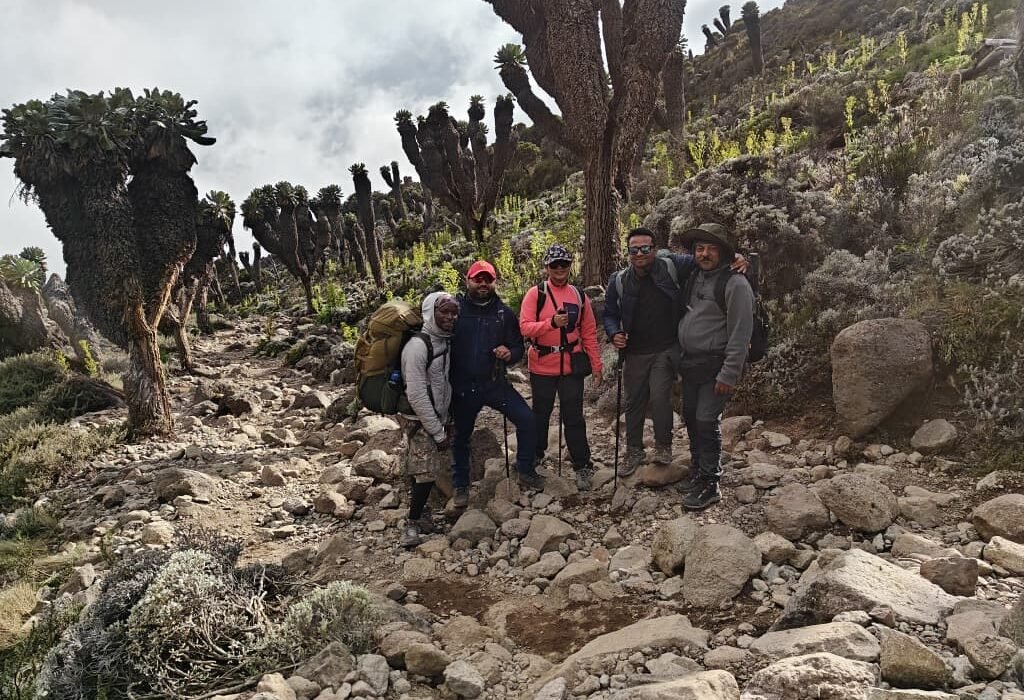
How to Climb Kilimanjaro in 5 Days is one of the most searched questions by travelers who want a short and affordable way to reach Africa’s highest mountain without sacrificing safety or comfort. A five-day climb is possible, but it is also demanding, physically intense and highly dependent on smart preparation, professional support and realistic expectations about altitude and recovery.
This mini guide explains what truly matters when planning a short Kilimanjaro climb. It focuses on health, environmental responsibility, guide standards and decision-making rather than marketing promises. If you are considering a professionally organised climb with a local team such as Eddy Tours & Safaris, this guide will help you understand exactly what you must prepare before choosing a five-day itinerary.
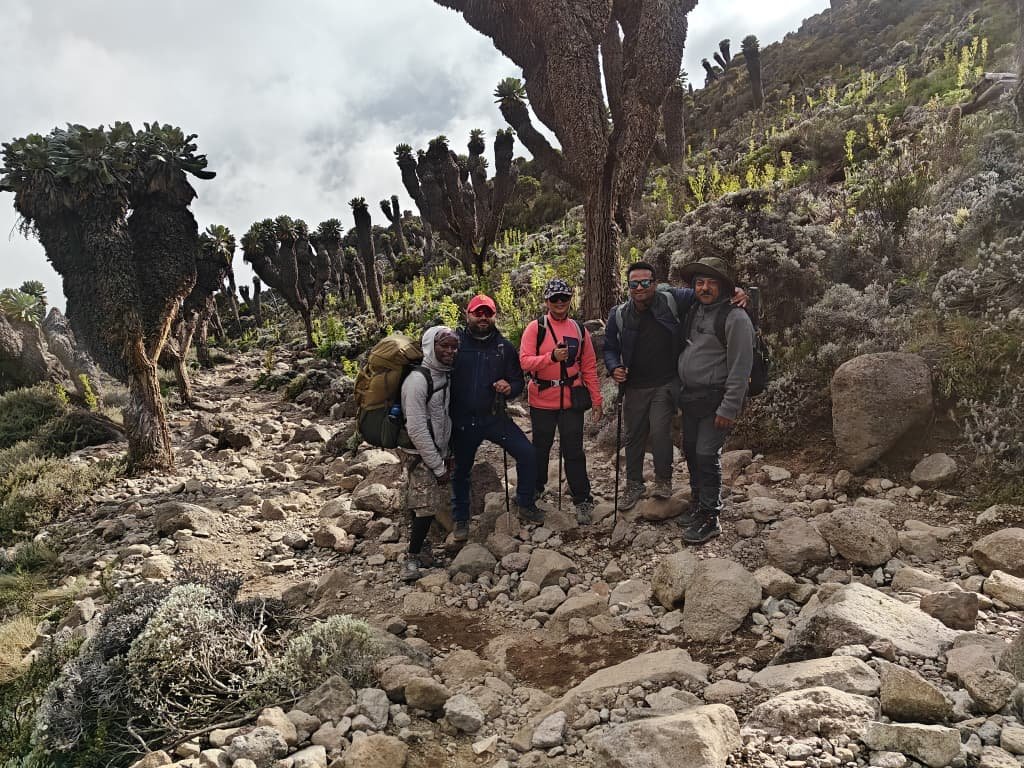
How to Climb Kilimanjaro in 5 Days and understand the real altitude challenge
When learning How to Climb Kilimanjaro in 5 Days, the most important factor is how fast your body is forced to adjust to reduced oxygen. Medical research shared through the U.S. National Library of Medicine and clinical studies available on PubMed confirm that rapid ascent increases the likelihood of headache, nausea, dizziness and severe fatigue.
Clear high-altitude travel guidance from the Centers for Disease Control and Prevention and recommendations published by the International Society for Mountain Medicine show that shorter itineraries leave less room for natural acclimatisation, making daily monitoring and conservative pacing essential during every stage of the trek.
How to Climb Kilimanjaro in 5 Days and choose the correct route style
Understanding How to Climb Kilimanjaro in 5 Days also means accepting that only certain routes realistically support such a short schedule. Short routes usually gain altitude quickly and provide limited opportunities for acclimatisation walks. Outdoor risk management principles taught by the National Outdoor Leadership School and expedition safety standards promoted by the International Climbing and Mountaineering Federation clearly show that ascent structure strongly influences performance and decision-making.
This is why professionally designed short itineraries such as those offered through Kilimanjaro climbing programs focus heavily on controlled walking speed, early camp arrival and realistic summit turn-around times.
How to Climb Kilimanjaro in 5 Days and prepare for weather exposure
Planning How to Climb Kilimanjaro in 5 Days also requires understanding how fast mountain weather changes. Climate research from NASA Climate and global assessments published by the Intergovernmental Panel on Climate Change show that isolated mountains experience strong wind shifts, rapid temperature drops and increased solar exposure at altitude.
Environmental monitoring coordinated by the United Nations Environment Programme and landscape vulnerability assessments by the International Union for Conservation of Nature explain why climbers must carry proper thermal layers, wind protection and hydration systems even when the lowlands feel warm and comfortable.
How to Climb Kilimanjaro in 5 Days and manage hydration and nutrition
Another essential part of How to Climb Kilimanjaro in 5 Days is hydration and energy management. High-altitude physiology research supported by the World Health Organization confirms that dehydration and poor caloric intake significantly worsen altitude symptoms and recovery speed.
Environmental food and water security guidance published by the Food and Agriculture Organization also highlights how fluid loss increases in cold and windy environments. Professional mountain teams therefore plan frequent drink stops, warm meals and energy-dense snacks to protect climbers from sudden energy collapse.
How to Climb Kilimanjaro in 5 Days and protect fragile mountain ecosystems
Learning How to Climb Kilimanjaro in 5 Days should also include understanding your environmental impact. Conservation organizations such as the World Wide Fund for Nature, the African Wildlife Foundation and the Wildlife Conservation Society explain how foot traffic, waste and informal shortcuts accelerate erosion in sensitive mountain zones.
Environmental planning and habitat protection work led by Conservation International and land-use monitoring from the United States Geological Survey support the strict use of designated trails and controlled campsite systems on Kilimanjaro.
How to Climb Kilimanjaro in 5 Days and choose a safety-focused team
A safe approach to How to Climb Kilimanjaro in 5 Days depends heavily on your guide team and operational systems. Emergency response frameworks promoted by the International Federation of Red Cross and Red Crescent Societies emphasize trained personnel, communication equipment and evacuation planning for remote terrain.
Risk-reduction models supported by the World Bank Disaster Risk Management programme show that organised access routes and real-time coordination dramatically improve response time when altitude or weather problems arise.
How to Climb Kilimanjaro in 5 Days and understand wildlife and landscape context
Although wildlife encounters are rare on the upper slopes, understanding How to Climb Kilimanjaro in 5 Days includes recognising the wider ecological system that surrounds the mountain. Scientific communication and ecosystem education promoted by the National Geographic Society and bird population monitoring by BirdLife International explain how forest zones below the trekking routes support biodiversity corridors linking Kilimanjaro to surrounding protected landscapes.
These conservation connections reinforce why responsible tourism directly supports long-term habitat protection rather than simply recreational travel.

How to Climb Kilimanjaro in 5 Days and prepare mentally for a fast ascent
Psychological readiness plays a serious role in How to Climb Kilimanjaro in 5 Days. Fatigue, poor sleep and cold exposure affect judgement and motivation. Behavioural and performance research published through ScienceDirect and field-based human performance studies shared by Nature Research demonstrate that mental resilience is closely linked to realistic goal setting and communication with team leaders.
Professional guides are trained to adjust pace, modify summit timing and encourage rest when warning signs appear, even when clients feel pressure to continue.
How to Climb Kilimanjaro in 5 Days and support ethical mountain teams
Ethical employment is another overlooked element of How to Climb Kilimanjaro in 5 Days. Labour protection principles promoted by the International Labour Organization and community development work supported by Oxfam International show that fair treatment of porters and mountain staff directly improves safety, communication and overall team performance.
Healthy and motivated crews notice early changes in client condition and react more effectively during critical moments on summit night.
How to Climb Kilimanjaro in 5 Days and plan recovery and descent
A realistic view of How to Climb Kilimanjaro in 5 Days must also include what happens after the summit. High-altitude recovery studies available through the PubMed Central archive show that rapid descent, rehydration and rest significantly reduce lingering symptoms and fatigue.
Short itineraries compress both ascent and descent, making professional schedule management essential to avoid unnecessary injury and exhaustion.
How to Climb Kilimanjaro in 5 Days with local professional support
Many climbers choose a short itinerary because of limited time. The safest way to approach How to Climb Kilimanjaro in 5 Days is to work directly with experienced local planners who understand daily trail conditions and weather behaviour.
You can explore professionally structured short itineraries through local Kilimanjaro experts and combine your climb with carefully planned wildlife journeys using Tanzania safari programs.
How to Climb Kilimanjaro in 5 Days and receive honest personal guidance
Because individual fitness, health background and altitude tolerance vary greatly, personalised advice is essential when planning How to Climb Kilimanjaro in 5 Days. Direct communication with experienced local professionals helps you select the most suitable route style and daily pace.
For realistic planning and safety-focused guidance, travellers can speak directly with mountain specialists through local consultation support.
Final truth about climbing Kilimanjaro in only five days
In reality, How to Climb Kilimanjaro in 5 Days is not about rushing to the summit. It is about discipline, preparation and working with professionals who understand the limits of the human body and the demands of a fast ascent. Short climbs succeed when they respect science, environmental responsibility and ethical team management.
If you approach your five-day climb with realistic expectations, professional support and strong respect for the mountain, Kilimanjaro can still become a powerful and safe achievement rather than a risky gamble.