
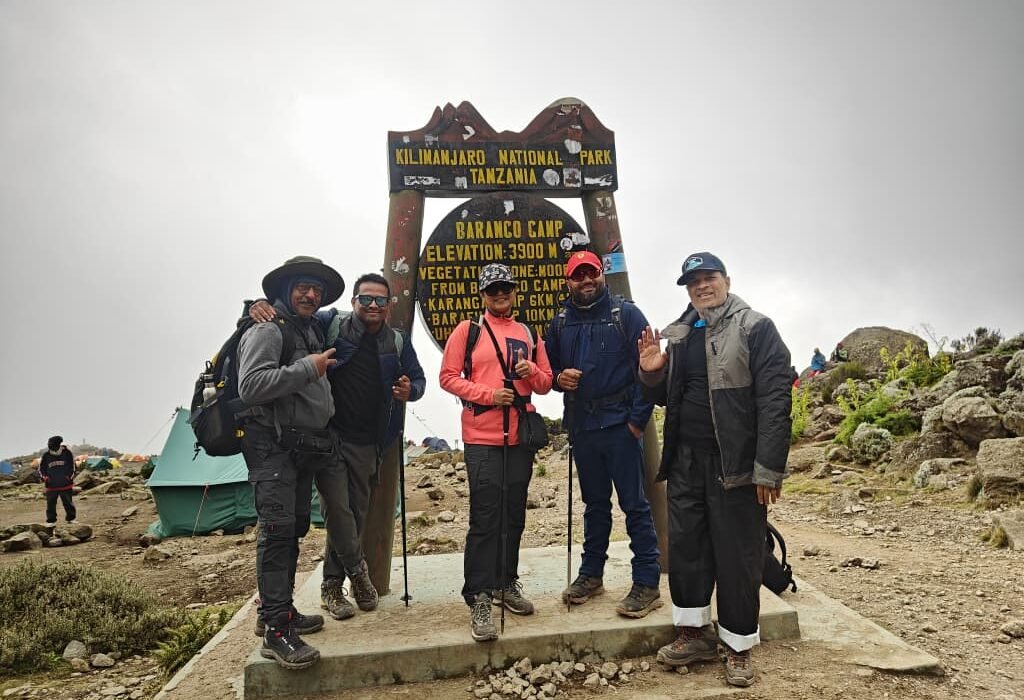
How to Get to Mount Kilimanjaro: Flights, Trains, and Road Travel is one of the most important questions for anyone planning a real climb, because reaching the mountain smoothly and safely sets the tone for the entire journey. Many travelers focus only on routes and summit preparation, yet transport mistakes, wrong connections, and unreliable transfers are among the most common causes of stress before a climb even begins.
This guide explains practical and realistic ways of reaching Mount Kilimanjaro by air, rail and road, using internationally recognized transport, safety and environmental institutions to support each recommendation. If you are arranging your journey with a trusted local company such as Eddy Tours & Safaris, understanding these travel options will help you arrive well-rested, organized and fully prepared for the mountain experience ahead.
How to Get to Mount Kilimanjaro: Flights, Trains, and Road Travel and why your arrival route matters
Before looking at transport options in detail, it is important to understand why How to Get to Mount Kilimanjaro: Flights, Trains, and Road Travel must be planned carefully. Mount Kilimanjaro lies in a sensitive ecological and conservation region that is monitored and protected by several international organizations. Environmental planning and protected-area management standards promoted by the International Union for Conservation of Nature and conservation governance frameworks supported by the United Nations Environment Programme show that uncontrolled transport growth and poor logistics can negatively affect wildlife corridors, water sources and local communities.
Responsible travel planning also supports the wider conservation efforts coordinated by the World Wide Fund for Nature and the African Wildlife Foundation, both of which emphasize that sustainable access routes reduce pressure on fragile ecosystems surrounding protected landscapes in northern Tanzania.
How to Get to Mount Kilimanjaro: Flights, Trains, and Road Travel by international flights
The fastest and most reliable way within How to Get to Mount Kilimanjaro: Flights, Trains, and Road Travel is international air travel. Most climbers arrive through Kilimanjaro International Airport, which serves as the main gateway to the mountain region. Aviation safety and international airport operational standards are regulated globally through organizations such as the International Civil Aviation Organization, ensuring consistent safety procedures and air navigation management.
Travelers benefit from global airline safety monitoring systems and operational guidance developed by the International Air Transport Association. These institutions support route safety, aircraft maintenance standards and passenger handling procedures, which are especially important when connecting through multiple hubs before reaching East Africa.
From a public-health and travel readiness perspective, international travel guidance published by the World Health Organization and destination-specific health advice from the Centers for Disease Control and Prevention help travelers prepare properly before flying to high-altitude destinations such as Kilimanjaro.
How to Get to Mount Kilimanjaro: Flights, Trains, and Road Travel using domestic flights inside Tanzania
Domestic flights form a very practical part of How to Get to Mount Kilimanjaro: Flights, Trains, and Road Travel for travelers already within Tanzania. Domestic aviation reduces long road journeys and helps distribute visitor pressure across different regions. National airspace safety and infrastructure oversight follow international best practices established by the ICAO safety frameworks.
Transport planning and infrastructure development research published by the World Bank Transport Program shows that well-connected regional airports play a major role in reducing road congestion, lowering accident rates and improving overall travel efficiency in developing transport networks.
How to Get to Mount Kilimanjaro: Flights, Trains, and Road Travel by train from major cities
Rail travel is increasingly becoming part of realistic How to Get to Mount Kilimanjaro: Flights, Trains, and Road Travel planning for travelers moving between major cities inside Tanzania. Rail transport is widely recognized as one of the safest and most environmentally efficient modes of long-distance travel. Global rail safety standards and infrastructure benchmarking are supported by the International Union of Railways.
Sustainable transport research coordinated by the International Energy Agency highlights how rail systems significantly reduce emissions and fuel consumption when compared to long-distance road transport. Environmental transport planning studies published through the UN Environment transport programs further confirm the role of rail in supporting low-impact tourism access.
For travelers who prefer relaxed movement and wish to minimize long road transfers before their climb, rail connections followed by short road transfers can provide a comfortable and environmentally responsible alternative.
How to Get to Mount Kilimanjaro: Flights, Trains, and Road Travel by long-distance road transport
Road transport remains an essential part of How to Get to Mount Kilimanjaro: Flights, Trains, and Road Travel, especially for travelers arriving from nearby regions or combining safari circuits with mountain trekking. Road travel safety, however, requires careful planning and professional driving standards.
Road safety frameworks developed by the World Health Organization Road Safety Programme and transport risk-reduction strategies supported by the World Bank Road Safety Initiative emphasize trained drivers, vehicle inspections and route planning as the main pillars of safe road travel in developing transport systems.
Professional tour operators organize licensed vehicles, experienced drivers and reliable scheduling to reduce fatigue and accident risks. Many climbers prefer organized transfers arranged through Tanzania safari travel services, especially when traveling through wildlife corridors and rural areas.
How to Get to Mount Kilimanjaro: Flights, Trains, and Road Travel and environmental protection zones
Transport access to Mount Kilimanjaro crosses several protected and conservation-sensitive zones. Understanding How to Get to Mount Kilimanjaro: Flights, Trains, and Road Travel therefore requires awareness of environmental protection rules. Biodiversity protection strategies promoted by the Intergovernmental Science-Policy Platform on Biodiversity and Ecosystem Services stress that access infrastructure must respect habitat connectivity and wildlife movement patterns.
Land-use monitoring and ecological impact assessments produced by the United States Geological Survey and conservation impact studies published by Conservation International demonstrate how poorly managed road expansion and informal transport routes increase erosion, human-wildlife conflict and water contamination.
How to Get to Mount Kilimanjaro: Flights, Trains, and Road Travel and climate considerations
Climate conditions increasingly influence How to Get to Mount Kilimanjaro: Flights, Trains, and Road Travel, particularly when road conditions and flight schedules are affected by heavy rainfall or extreme weather events. Climate assessments produced by the Intergovernmental Panel on Climate Change and regional climate monitoring published by NASA Climate confirm that transport systems in East Africa are sensitive to climate variability.
Responsible operators adjust travel timing, select resilient routes and coordinate closely with transport providers to avoid delays and unsafe conditions during extreme weather periods.
How to Get to Mount Kilimanjaro: Flights, Trains, and Road Travel and health readiness
Health preparation is another key element within How to Get to Mount Kilimanjaro: Flights, Trains, and Road Travel. International travel medicine research published through the U.S. National Library of Medicine and public health guidance from the Centers for Disease Control and Prevention highlight the importance of rest, hydration and recovery after long journeys before starting high-altitude activities.
Long transfers without proper breaks reduce acclimatization readiness and increase fatigue during the first trekking days. This is why professional planners always build rest buffers into arrival schedules.
How to Get to Mount Kilimanjaro: Flights, Trains, and Road Travel and ethical employment in transport services
Ethical transport and tourism supply chains form part of responsible How to Get to Mount Kilimanjaro: Flights, Trains, and Road Travel. Labour protection frameworks promoted by the International Labour Organization and community development research supported by Oxfam International demonstrate how fair employment improves service quality and safety.
Transport providers that respect labour standards maintain better vehicle condition, driver training and communication practices, which directly benefit travelers.
How to Get to Mount Kilimanjaro: Flights, Trains, and Road Travel with professional local coordination
Local coordination remains one of the strongest advantages when planning How to Get to Mount Kilimanjaro: Flights, Trains, and Road Travel. Local teams understand seasonal road conditions, wildlife movement restrictions and park access schedules far better than international booking platforms.
Many climbers choose direct local coordination through Kilimanjaro climbing arrangements because transport planning is fully integrated with trekking permits, guide scheduling and accommodation logistics.
How to Get to Mount Kilimanjaro: Flights, Trains, and Road Travel and research-supported infrastructure planning
Infrastructure development and transport access research published through ScienceDirect and global development studies supported by the United Nations Academic Impact show that well-designed transport systems improve visitor safety while supporting conservation monitoring and park management operations.
Scientific and environmental collaboration allows protected areas to balance access with preservation, ensuring that tourism continues to support research and environmental protection.
How to Get to Mount Kilimanjaro: Flights, Trains, and Road Travel and your final transfer to the mountain towns
The final stage of How to Get to Mount Kilimanjaro: Flights, Trains, and Road Travel usually involves short transfers to nearby mountain towns that serve as trekking hubs. These transfers should always be scheduled with enough buffer time for equipment checks, health briefings and permit processing.
Travelers who use professional local transfer services arranged through direct local travel coordination avoid last-minute confusion and benefit from accurate timing that fits smoothly into their climbing itinerary.
Travel smarter before your climb begins
Understanding How to Get to Mount Kilimanjaro: Flights, Trains, and Road Travel allows you to begin your adventure with clarity and confidence instead of stress and uncertainty. Flights offer speed and reliability, trains provide environmental efficiency and comfort, while well-managed road transfers deliver flexibility and local access.
When transport planning is guided by safety research, conservation standards and ethical operations, your journey becomes part of responsible travel rather than a burden on fragile environments. Starting your climb well begins long before you step onto the trail, and choosing experienced local coordination ensures your arrival supports both your success and the long-term protection of Mount Kilimanjaro.