
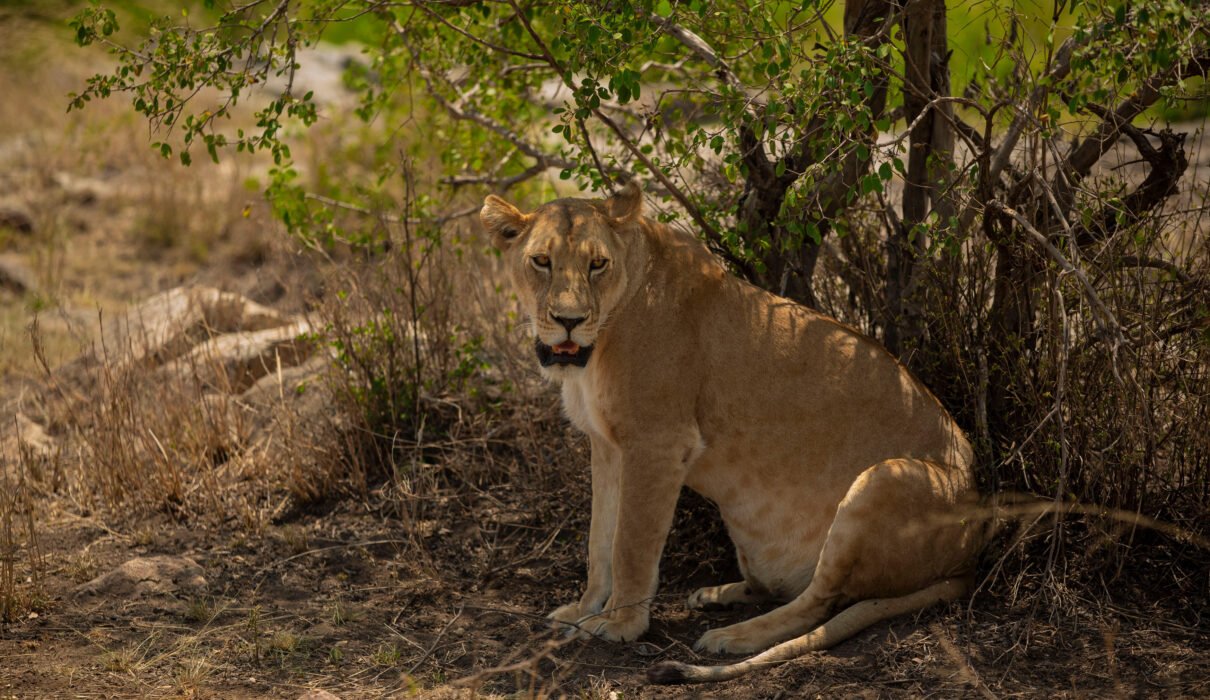
How to Photograph Lions in the Wild begins with understanding that a great image is never more important than the safety of people, animals, and the fragile ecosystems where lions still survive today, and that every responsible photographer becomes part of a much larger conservation story the moment a camera is raised in a natural habitat.
Lion photography is not only about fast lenses and perfect light. It is about patience, respect, silence, positioning, ethical distance, and learning how lions behave when they hunt, rest, protect cubs, and communicate within their pride. When photographers understand these patterns, their images become stronger, calmer, and far more meaningful.
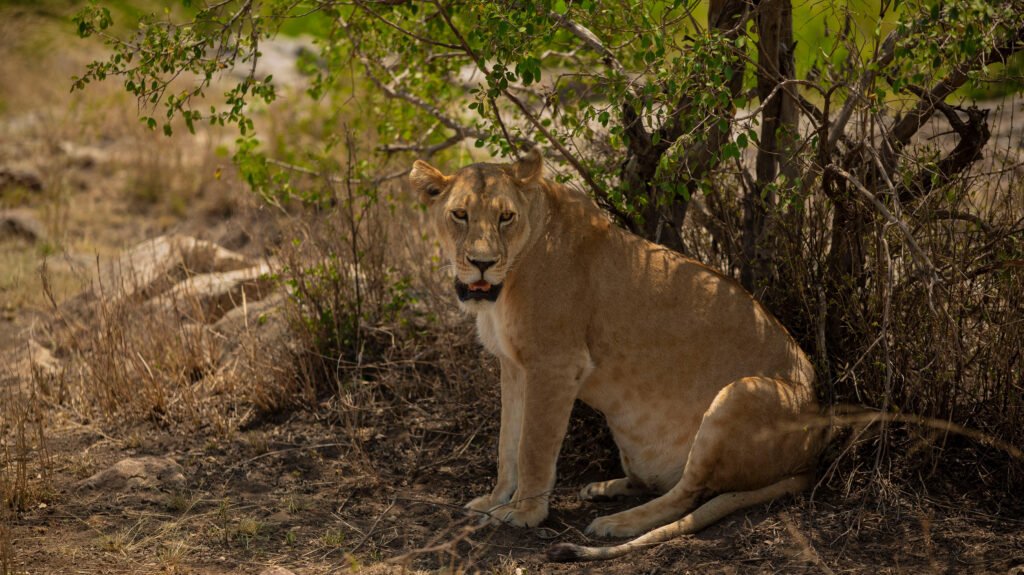
How to Photograph Lions in the Wild by learning lion behaviour first
Before taking a single photograph, it is essential to study how lions move, rest, and interact with each other in their natural environment, because behaviour predicts moments long before they happen. Research and field guidance from the Panthera big cat conservation programme, scientific field studies shared by the Wildlife Conservation Society, and conservation behaviour research promoted by the International Union for Conservation of Nature show that lions follow clear social rules inside the pride, especially during feeding, cub protection, and territorial encounters. Understanding these signs allows photographers to anticipate movement, select the right angle, and avoid dangerous or stressful situations for the animals.
Learning lion behaviour also reduces disturbance, which is strongly encouraged by ethical wildlife observation standards promoted by the World Wide Fund for Nature and conservation awareness programmes led by the African Wildlife Foundation.
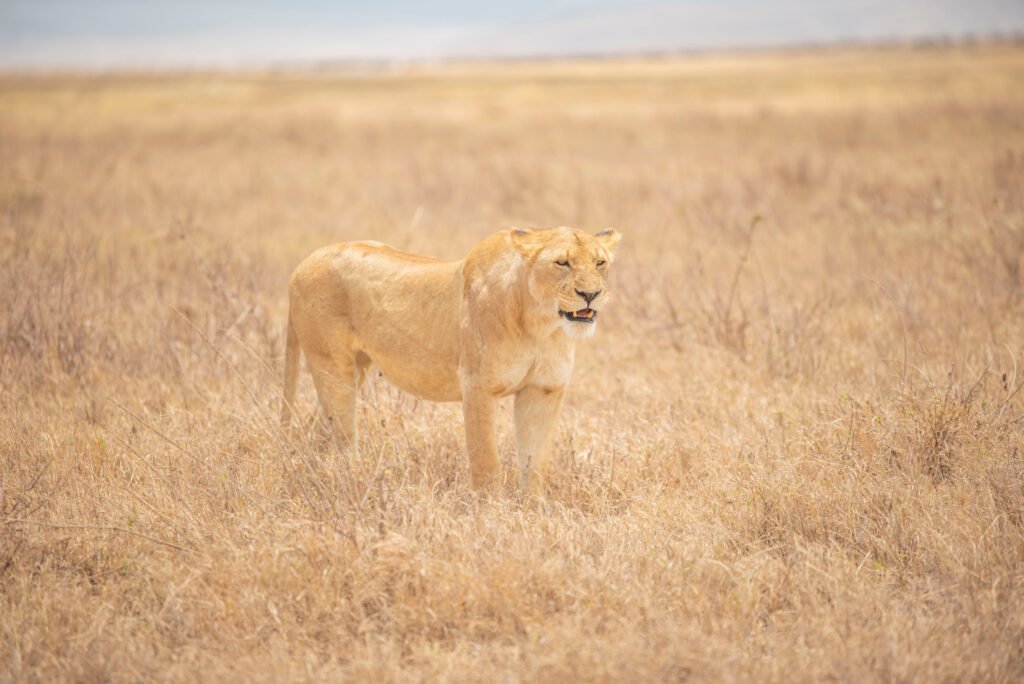
How to Photograph Lions in the Wild using ethical distance and positioning
One of the most important photography skills is knowing how far is far enough. Ethical wildlife viewing principles promoted by Conservation International and habitat protection guidance from The Nature Conservancy clearly show that animals must not be forced to change their natural behaviour for photography. Vehicles should never block movement paths, surround a pride, or separate mothers from cubs.
Keeping respectful distance also protects photographers. Safety and outdoor risk management guidance promoted by the American Red Cross supports controlled positioning, calm movement, and clear communication between drivers and photographers when working around large carnivores.
How to Photograph Lions in the Wild by choosing light, timing, and direction
Light is the silent partner in every strong wildlife photograph. Early morning and late afternoon light softens shadows, highlights fur texture, and gives warmth to the eyes and face of lions. Scientific research on light, colour perception, and animal visibility published through ScienceDirect supports why low-angle light improves contrast and reduces harsh glare in open landscapes.
Positioning your vehicle so the sun sits behind you and slightly to the side allows detail in the mane, whiskers, and eyes to remain visible while avoiding backlit silhouettes, unless artistic backlighting is deliberately chosen.
How to Photograph Lions in the Wild with conservation awareness in mind
Modern wildlife photography is inseparable from conservation. Lion populations are influenced by land use, climate change, habitat loss, and conflict with people. Conservation status data p