
How to Plan a Multi-Park Safari Trip is one of the most important questions travelers ask when they want to see different landscapes, wildlife species, and cultures in a single journey without feeling rushed or exhausted. Planning a safari that crosses several protected areas is not only about choosing parks, but also about understanding conservation rules, road distances, climate conditions, community impact, and health and safety systems that protect both visitors and wildlife.
This guide explains the real planning process behind a smooth multi-park safari using international conservation principles, scientific research and ethical tourism standards. If you are working with a trusted local operator such as Eddy Tours & Safaris, this information helps you design a journey that respects nature, supports local communities and gives you a far richer safari experience than simply jumping between parks on a map.
How to Plan a Multi-Park Safari Trip with a conservation-first mindset
Understanding How to Plan a Multi-Park Safari Trip starts with knowing that every national park and conservation area has different protection goals, visitor limits and wildlife sensitivities. Global conservation organisations such as the International Union for Conservation of Nature and the Intergovernmental Science-Policy Platform on Biodiversity and Ecosystem Services show clearly that unmanaged tourism pressure can damage fragile ecosystems and disturb animal movement patterns.
Responsible planning follows biodiversity protection frameworks promoted by the United Nations Environment Programme and habitat monitoring data produced by the United States Geological Survey. When your itinerary respects conservation zoning, visitor capacity and designated routes, your safari contributes to wildlife protection instead of adding stress to already sensitive habitats.
How to Plan a Multi-Park Safari Trip by selecting parks with different ecosystems
A professional approach to How to Plan a Multi-Park Safari Trip focuses on combining parks that represent different ecological systems rather than repeating the same landscape type. Research supported by World Wide Fund for Nature and the Wildlife Conservation Society highlights how savannahs, wetlands, woodlands and forest ecosystems support different wildlife communities.
Scientific biodiversity mapping initiatives coordinated by Conservation International and species distribution research produced by Nature Research demonstrate why combining contrasting habitats increases the variety of species you are likely to observe while reducing pressure on any single protected area.
How to Plan a Multi-Park Safari Trip with realistic travel distances
One of the most common mistakes when learning How to Plan a Multi-Park Safari Trip is underestimating travel time between parks. Road infrastructure, weather conditions and conservation access points all influence travel efficiency. Development and infrastructure assessments published by the World Bank transport programme show how road conditions and regional accessibility strongly affect travel reliability in rural conservation regions.
Environmental impact studies supported by the International Energy Agency also show that excessive driving increases emissions and disturbs wildlife corridors. Good planning reduces unnecessary transfers and focuses on longer stays in fewer, carefully selected parks.
How to Plan a Multi-Park Safari Trip around seasonal wildlife movement
A key element of How to Plan a Multi-Park Safari Trip is understanding that wildlife does not stay in fixed locations. Migration, breeding and grazing patterns change with rainfall and vegetation cycles. Research produced by African Wildlife Foundation and bird movement data published by BirdLife International confirm that seasonal shifts strongly influence animal distribution.
Climate-driven ecological studies from NASA Climate and the Intergovernmental Panel on Climate Change further show how rainfall variability changes water availability and grazing conditions across protected landscapes, making timing one of the most important planning tools.
How to Plan a Multi-Park Safari Trip with health and safety preparation
Serious travellers understand that How to Plan a Multi-Park Safari Trip must include proper health and safety systems. International travel health guidance published by the World Health Organization and emergency preparedness frameworks promoted by the International Federation of Red Cross and Red Crescent Societies highlight the importance of trained staff, medical preparedness and reliable communication in remote environments.
Risk management models developed through the World Bank Disaster Risk Management programme demonstrate how professional planning reduces response time during emergencies and strengthens coordination with local authorities.
How to Plan a Multi-Park Safari Trip with responsible community engagement
Community participation is essential when learning How to Plan a Multi-Park Safari Trip responsibly. Social development and labour standards promoted by the International Labour Organization and community empowerment programmes supported by Oxfam International show that fair employment and ethical partnerships improve conservation outcomes.
When local communities benefit directly from tourism, they become stronger partners in wildlife protection and habitat management, helping to reduce illegal activities and land-use conflicts around protected areas.
How to Plan a Multi-Park Safari Trip with environmental responsibility
Environmental management is central to How to Plan a Multi-Park Safari Trip. Land-use and ecosystem integrity studies published by the Food and Agriculture Organization and conservation planning tools supported by the National Geographic Society show that unmanaged visitor traffic accelerates soil erosion, water contamination and vegetation damage.
Professional safari planning limits off-road driving, reduces plastic waste and follows designated campsite systems to protect fragile ecosystems and wildlife corridors.
How to Plan a Multi-Park Safari Trip using expert guiding and interpretation
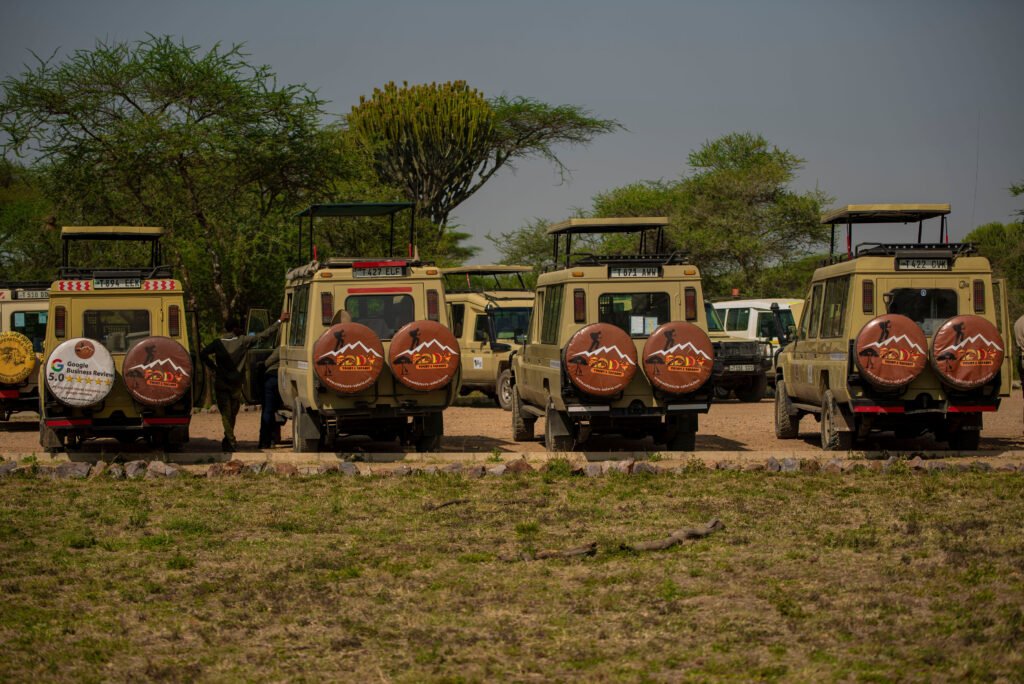
A well-designed How to Plan a Multi-Park Safari Trip includes highly trained guides who understand wildlife behaviour and ecological processes. Species conservation research from Panthera and large-scale biodiversity assessments available through ScienceDirect show that responsible interpretation improves visitor behaviour and reduces wildlife disturbance.
Guides play a critical role in explaining predator–prey dynamics, habitat change and conservation challenges, turning each park visit into a meaningful learning experience rather than simple sightseeing.
How to Plan a Multi-Park Safari Trip with ethical business practices
Transparency is a vital part of How to Plan a Multi-Park Safari Trip. Ethical business standards promoted by Transparency International highlight how clear pricing, honest communication and fair contracts protect travellers from hidden costs and misleading promises.
Responsible operators clearly explain park fees, accommodation standards and conservation contributions so visitors understand how their money supports protected areas and local livelihoods.
How to Plan a Multi-Park Safari Trip with the right local partner
Choosing the right local operator is often the deciding factor in How to Plan a Multi-Park Safari Trip successfully. Local professionals understand park regulations, seasonal access changes and real road conditions far better than international resellers.
You can explore carefully designed multi-park itineraries through Tanzania safari programs that focus on balanced travel time, ethical operations and strong conservation awareness.
How to Plan a Multi-Park Safari Trip that includes adventure options
Many travellers combine wildlife viewing with outdoor activities when learning How to Plan a Multi-Park Safari Trip. Responsible adventure planning follows environmental and safety standards promoted by international conservation and outdoor leadership organisations.
If your itinerary includes mountain or highland experiences, professionally structured options are available through Kilimanjaro climbing programs that integrate safety systems and environmental responsibility.
How to Plan a Multi-Park Safari Trip with personalized expert support
Personal consultation strengthens How to Plan a Multi-Park Safari Trip by allowing your itinerary to match your travel style, physical comfort and learning interests. Local specialists adjust pacing, accommodation level and park combinations to avoid rushed schedules and unnecessary transfers.
For tailored advice and realistic route planning, you can speak directly with experienced professionals through local safari consultation support.
Why careful planning transforms your safari journey
In reality, How to Plan a Multi-Park Safari Trip is about balance. It is about protecting wildlife, supporting communities and giving yourself enough time to truly experience each ecosystem without stress or exhaustion.
When your safari is planned with conservation knowledge, professional safety systems and honest local guidance, every park becomes part of a meaningful story rather than a rushed checklist. A well-prepared journey creates deeper wildlife understanding, stronger community connections and a far more rewarding safari experience from start to finish.