
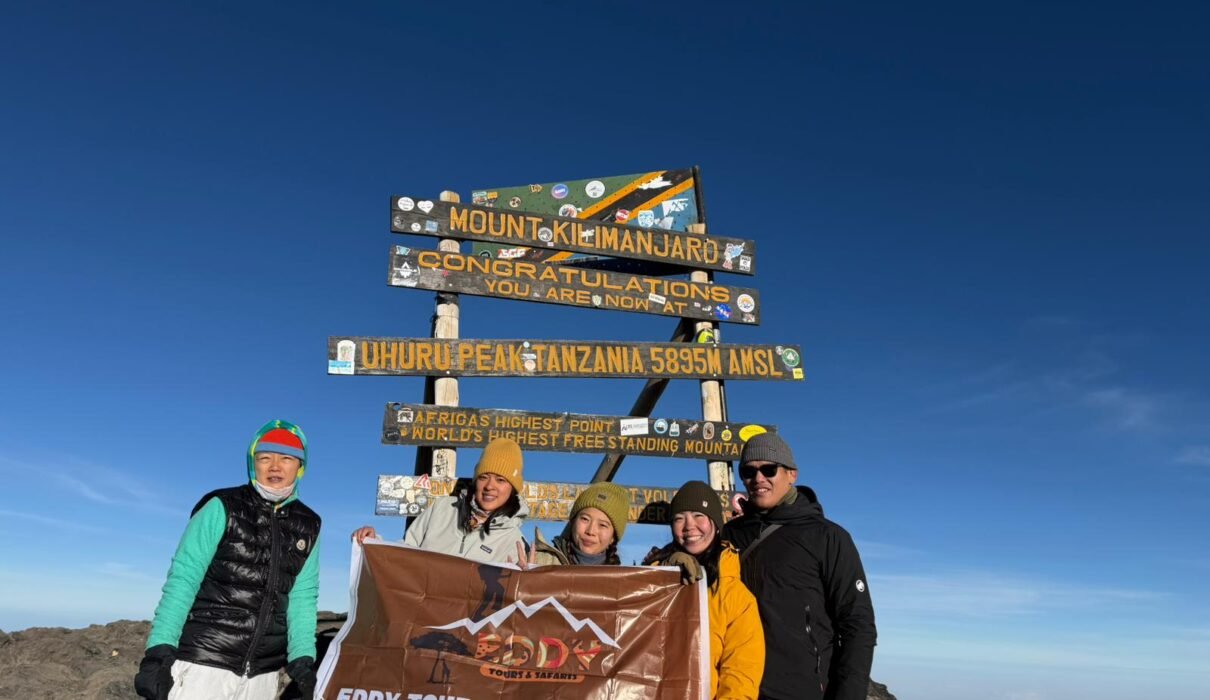
How to Prepare for a Kilimanjaro Expedition is the single most important step if you truly want to reach the summit safely, enjoy the journey, and avoid the common problems that force many climbers to turn back early. Preparing well is not about being extremely fit only, but about understanding your body, your equipment, the mountain environment, and the right local support that makes every day on the trail smoother and safer.
Mount Kilimanjaro stands as Africa’s highest free-standing mountain and one of the most studied high-altitude ecosystems in the world. Scientists, conservation bodies, and medical researchers continue to monitor its fragile environment, fast-changing climate patterns, and the health risks linked to rapid altitude gain. When you plan carefully, you protect yourself and also help protect the mountain.
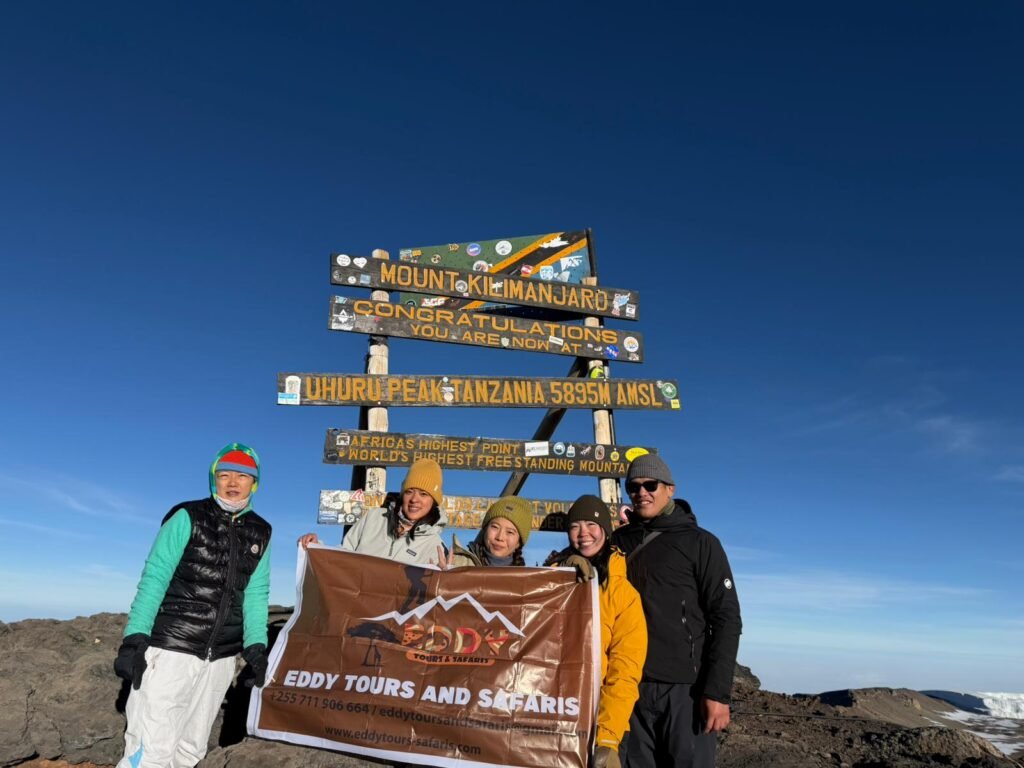
How to Prepare for a Kilimanjaro Expedition with Real Physical Readiness
Many people believe that strong gym workouts alone are enough, but How to Prepare for a Kilimanjaro Expedition begins with training your body for long, slow, continuous movement at moderate to high altitude. Your heart, lungs, legs, and lower back must handle multiple hours of walking every day while carrying light weight and dealing with colder temperatures.
According to research published by the U.S. National Center for Biotechnology Information, endurance-based activities such as hiking, stair climbing, and low-impact cardio are far more effective for altitude trekking than short, intense workouts. You should also follow guidance from the Centers for Disease Control and Prevention on cardiovascular conditioning and injury prevention.
Building your preparation around long weekend hikes, light backpack training, and gradual weekly increases in walking time allows your joints and muscles to adapt slowly. This is one of the safest methods recommended by sports medicine experts at the American College of Sports Medicine.
How to Prepare for a Kilimanjaro Expedition and Protect Your Health
When people ask seriously about How to Prepare for a Kilimanjaro Expedition, altitude health must come before speed or competition. Acute Mountain Sickness and its severe forms are well documented by medical institutions such as the World Health Organization and the U.S. National Library of Medicine.
Before your climb, a medical consultation is strongly advised, especially if you have asthma, heart conditions, or blood pressure challenges. Clinical guidance published by the British Medical Journal shows that slow ascent, hydration, and proper acclimatization remain the most reliable prevention methods.
It is also important to understand how your body reacts to low oxygen environments. Educational resources from Mayo Clinic explain early warning signs clearly, helping trekkers recognize when rest and descent become necessary rather than pushing dangerously forward.
How to Prepare for a Kilimanjaro Expedition through Smart Acclimatization
One of the strongest success factors in How to Prepare for a Kilimanjaro Expedition is route design that allows gradual altitude exposure. High-altitude research from the International Society for Mountain Medicine confirms that “climb high, sleep low” remains one of the most effective adaptation strategies.
If you are planning your route and support logistics, working with experienced local operators who design longer and well-paced itineraries significantly improves success rates. For example, many climbers explore flexible programs and professional support through reliable local companies such as Eddy Tours & Safaris, where proper acclimatization days are built naturally into the climb schedule.
How to Prepare for a Kilimanjaro Expedition with the Right Equipment
Gear selection is often underestimated in How to Prepare for a Kilimanjaro Expedition. Cold, wind, rain, and strong sun exposure can occur in a single day. The REI Co-op Expert Advice Center and the Alpine Club provide detailed guidance on layering systems and foot protection for high mountain trekking.
Proper footwear reduces injury risk, while moisture-wicking base layers regulate body temperature effectively. Scientific textile research published by the National Institute of Standards and Technology confirms that synthetic and merino fabrics outperform cotton in extreme environments.
When you book your climb, it is wise to confirm what technical equipment is provided and what you must bring personally. Reputable local operators such as Kilimanjaro climbing specialists at Eddy Tours & Safaris normally offer transparent gear checklists and inspection support before departure.
How to Prepare for a Kilimanjaro Expedition by Understanding Weather and Climate Risks
Another overlooked part of How to Prepare for a Kilimanjaro Expedition is understanding mountain weather variability. Climate monitoring organizations such as NASA Climate and the National Oceanic and Atmospheric Administration report that East African mountain systems experience increasing temperature shifts and unpredictable precipitation.
Environmental studies from the United Nations Environment Programme show that melting glaciers and changing vegetation zones directly affect trail conditions and campsite exposure. Reading these environmental updates allows climbers to prepare mentally and logistically for colder nights, stronger winds, and wetter trails.
How to Prepare for a Kilimanjaro Expedition with Responsible Travel Practices
Sustainable preparation is now a key pillar in How to Prepare for a Kilimanjaro Expedition. Conservation organizations such as the International Union for Conservation of Nature and World Wide Fund for Nature highlight how fragile mountain ecosystems suffer from unmanaged tourism and waste.
Carrying reusable bottles, respecting designated trails, and following park regulations directly supports long-term conservation objectives promoted by the UNESCO World Heritage programme. Ethical travel behavior also protects local communities whose livelihoods depend on sustainable tourism.
How to Prepare for a Kilimanjaro Expedition with Local Community Support
Supporting fair employment and ethical treatment of mountain staff is part of serious How to Prepare for a Kilimanjaro Expedition. Organizations such as International Labour Organization and Fairtrade International emphasize fair wages, proper working conditions, and social protection for tourism workers.
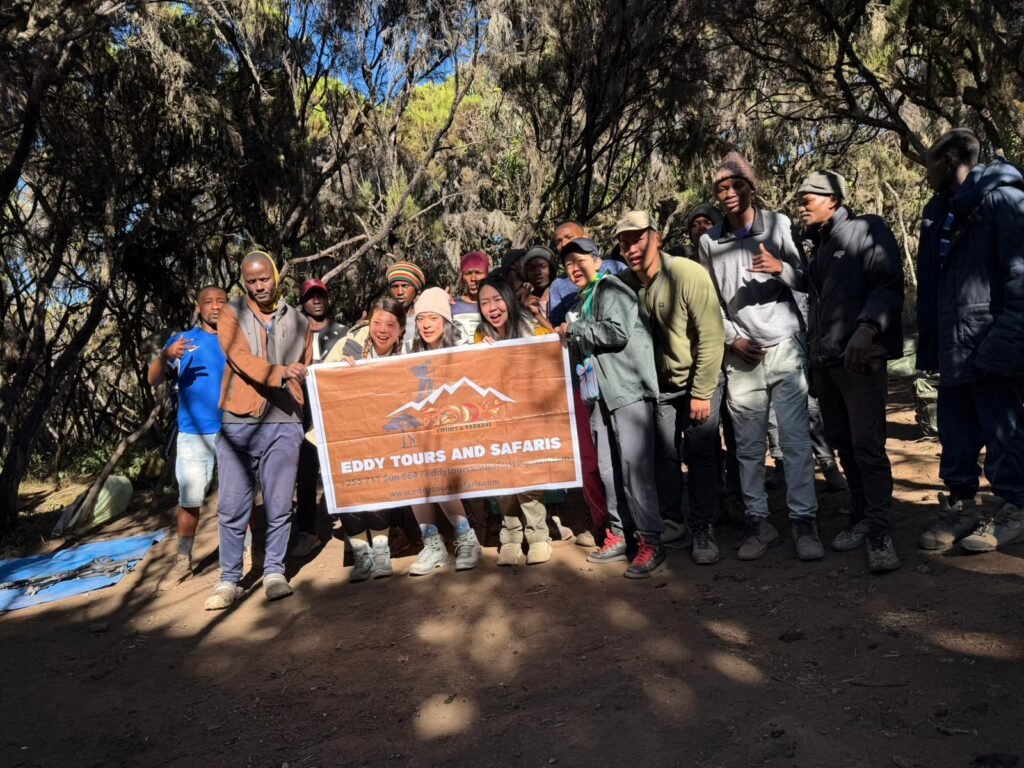
Booking with trusted local operators such as Eddy Tours & Safaris helps ensure that porters and guides are properly equipped, insured, and trained, which directly contributes to safer expeditions and stronger local economies.
How to Prepare for a Kilimanjaro Expedition with Nutrition and Hydration Strategy
Proper fueling plays a critical role in How to Prepare for a Kilimanjaro Expedition. High-altitude research by the Gatorade Sports Science Institute and nutritional guidelines from the Academy of Nutrition and Dietetics recommend balanced carbohydrates, moderate protein intake, and consistent hydration during prolonged physical activity.
Medical hydration standards outlined by the UK National Health Service show that even mild dehydration increases fatigue and altitude-related headaches. Many professional expedition cooks follow structured meal plans to maintain stable energy levels throughout the climb.
How to Prepare for a Kilimanjaro Expedition with Safety and Emergency Awareness
Risk management remains central to How to Prepare for a Kilimanjaro Expedition. The International Red Cross and the International Federation of Red Cross and Red Crescent Societies provide clear first-aid and emergency response frameworks suitable for remote environments.
Mountain rescue protocols and risk assessment tools published by the Mountaineering Scotland and the British Mountaineering Council reinforce the importance of communication devices, trained guides, and continuous health monitoring.
How to Prepare for a Kilimanjaro Expedition and Increase Your Chance of Success
The reality is simple. How to Prepare for a Kilimanjaro Expedition is not about luck. It is about combining physical readiness, medical awareness, correct equipment, environmental responsibility, and professional local support into one well-designed plan.
If you are looking for a smooth and professionally managed climb with proper pacing, experienced mountain teams, and strong safety systems, working with a trusted Tanzanian operator such as Eddy Tours & Safaris allows you to focus on your personal journey while local experts handle logistics, permits, staff coordination, and mountain operations.
Preparation removes fear, confusion, and costly mistakes. When your plan is strong, your body is ready, and your support team is reliable, the mountain becomes a place of learning, personal growth, and deep connection to nature. Start your planning early, ask the right questions, and take every step seriously. Your Kilimanjaro experience deserves nothing less.