
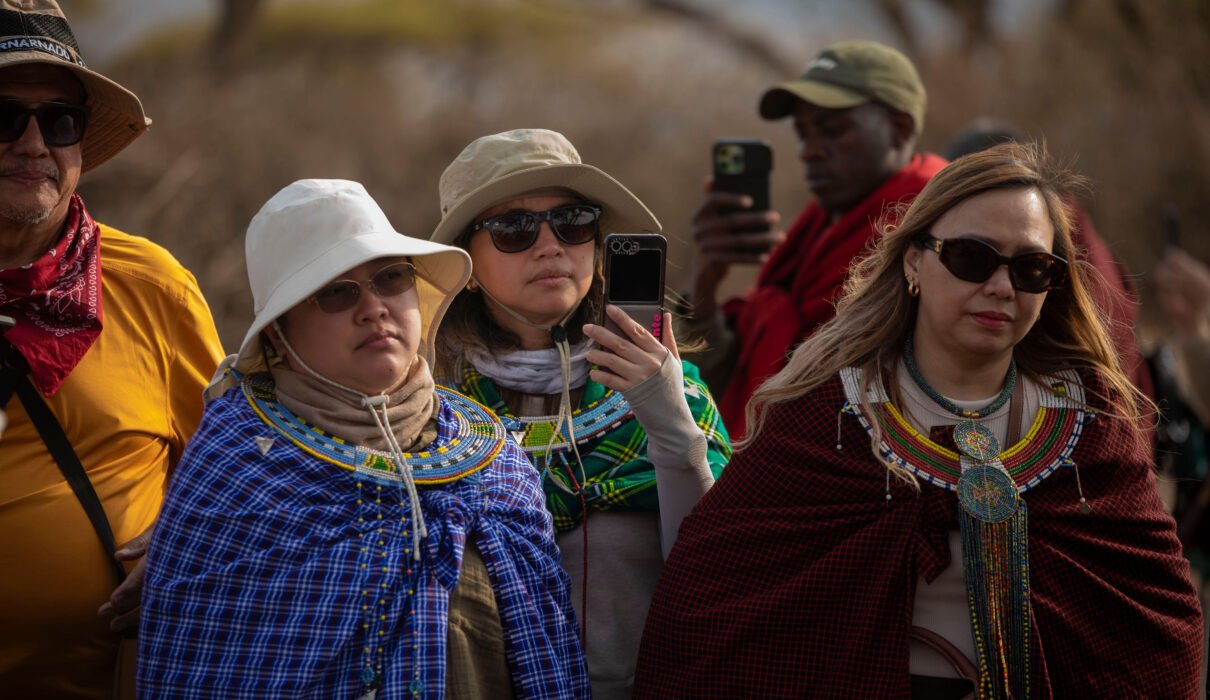
How to Respect Local Traditions While Traveling is one of the most important questions a responsible traveler can ask before visiting a new destination, because culture is not something to observe only with a camera, but something to experience with humility, listening and care for the people who protect it every day. When travelers learn how to behave respectfully, they reduce cultural harm, strengthen trust with local communities and help tourism become a positive force rather than a disruptive one.
This guide explains practical and realistic ways to travel with cultural awareness, based on global human rights principles, community protection standards and ethical travel research. If you are planning a journey in Tanzania or East Africa with a professional local company such as Eddy Tours & Safaris, understanding cultural responsibility will greatly improve your experience and the welcome you receive from the people you meet along the way.
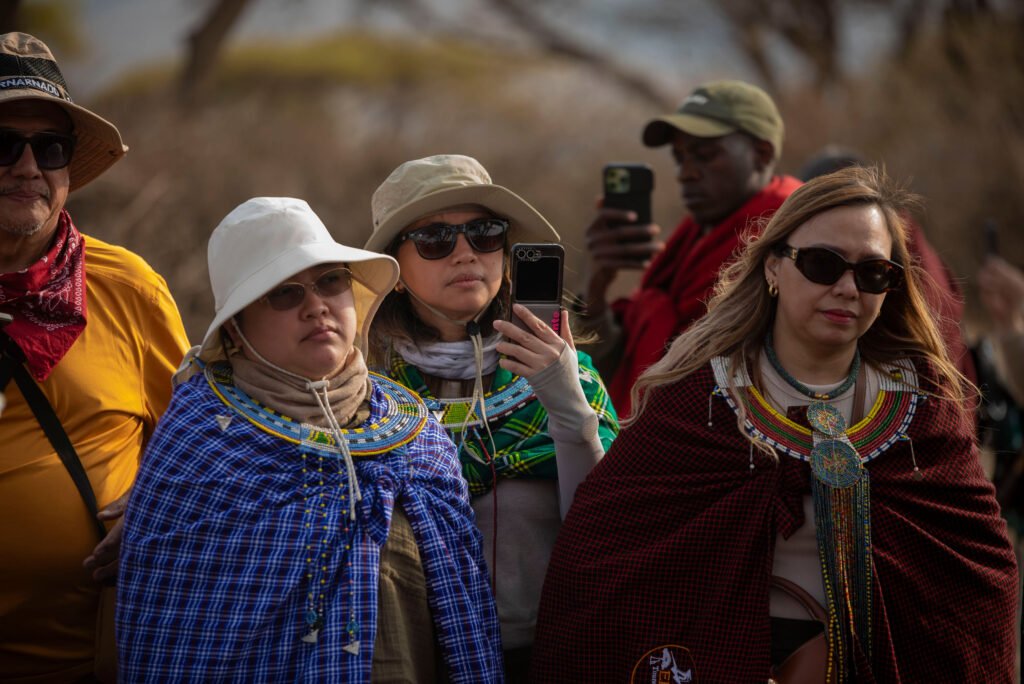
How to Respect Local Traditions While Traveling by learning before you arrive
One of the strongest foundations of How to Respect Local Traditions While Traveling is learning about social norms, belief systems and community structures before your trip begins. Cultural preservation institutions such as UNESCO and social research networks supported by the Harvard University research programmes consistently show that misunderstandings often happen because visitors simply do not know what is considered polite, sacred or private in a host community.
Community studies published through Nature Research and applied social science data available on ScienceDirect confirm that respectful behavior is learned, not instinctive. Reading about local greetings, dress expectations, photography rules and religious customs helps you avoid accidental disrespect and allows your hosts to feel seen and valued rather than observed.
How to Respect Local Traditions While Traveling through respectful communication
Another key element of How to Respect Local Traditions While Traveling is communication that is patient, open and non-judgmental. Community dialogue frameworks promoted by the United Nations Academic Impact and social inclusion studies supported by UNICEF show that listening carefully and speaking slowly builds trust faster than showing expertise or authority.
Many cultures value indirect communication, silence, or group consensus. Human behavior research published through the U.S. National Library of Medicine explains how stress, unfamiliar environments and language barriers can increase misunderstandings. Simple actions such as greeting elders first, waiting for permission before asking personal questions and accepting different conversational styles create a far more respectful cultural exchange.
How to Respect Local Traditions While Traveling by dressing and behaving appropriately
Learning How to Respect Local Traditions While Traveling also means understanding how clothing and public behavior communicate respect. Cultural identity and heritage protection frameworks promoted by UNESCO Culture and ethical heritage management research supported by the National Geographic Society show that dress codes are often deeply connected to religion, history and social structure.
In many communities, modest dress and calm public behavior are interpreted as signs of maturity and good intentions. Ignoring these expectations may not lead to open confrontation, but it can quietly damage relationships and trust. Respecting local clothing customs, especially in villages, religious sites and family homes, demonstrates that you value people more than personal comfort or fashion.
How to Respect Local Traditions While Traveling by protecting children and vulnerable groups
A responsible approach to How to Respect Local Traditions While Traveling includes awareness of child protection and community vulnerability. International safeguarding standards promoted by UNICEF Child Protection and human rights monitoring carried out by Human Rights Watch clearly warn that photography, social media sharing and direct gifting to children can unintentionally create long-term harm.
Visitors should avoid taking photos of children without permission, offering money or gifts directly, or entering private homes without a clear invitation. Community-based development guidelines supported by United Nations Development Programme recommend supporting local initiatives and businesses instead of personal handouts that can disrupt family and social structures.
How to Respect Local Traditions While Traveling and supporting community livelihoods
Understanding How to Respect Local Traditions While Traveling also means recognizing the economic impact of your choices. Ethical employment standards promoted by the International Labour Organization and fair trade development research supported by Oxfam International show that purchasing local products and services directly strengthens cultural continuity.
When you choose local guides, local transport providers and locally owned accommodations, you help protect traditional skills and reduce dependence on external investors. If you are exploring Tanzania, choosing culturally sensitive itineraries through locally guided safari programs supports community-based tourism while giving you deeper insight into everyday life.
How to Respect Local Traditions While Traveling and protecting natural heritage
Cultural traditions are deeply connected to landscapes, wildlife and natural resources. A complete understanding of How to Respect Local Traditions While Traveling therefore includes environmental responsibility. Conservation organizations such as World Wide Fund for Nature, International Union for Conservation of Nature and Conservation International show how sacred forests, grazing lands and water sources often carry cultural meaning far beyond their ecological value.
Environmental governance platforms such as IPBES and ecosystem protection initiatives coordinated by the United Nations Environment Programme explain that damaging natural spaces can also damage cultural identity. Respecting trails, water use rules and community land boundaries protects both people and ecosystems.
How to Respect Local Traditions While Traveling and ethical photography
Photography is one of the most sensitive areas when learning How to Respect Local Traditions While Traveling. Visual anthropology research published by the Smithsonian Institution and community heritage documentation supported by the National Geographic Society emphasize that images shape global perceptions of communities.
Always ask before photographing people, especially elders, religious leaders and children. Avoid photographing private ceremonies, homes or sacred objects without explicit permission. Respecting these boundaries protects dignity and prevents cultural exploitation through social media and commercial use.
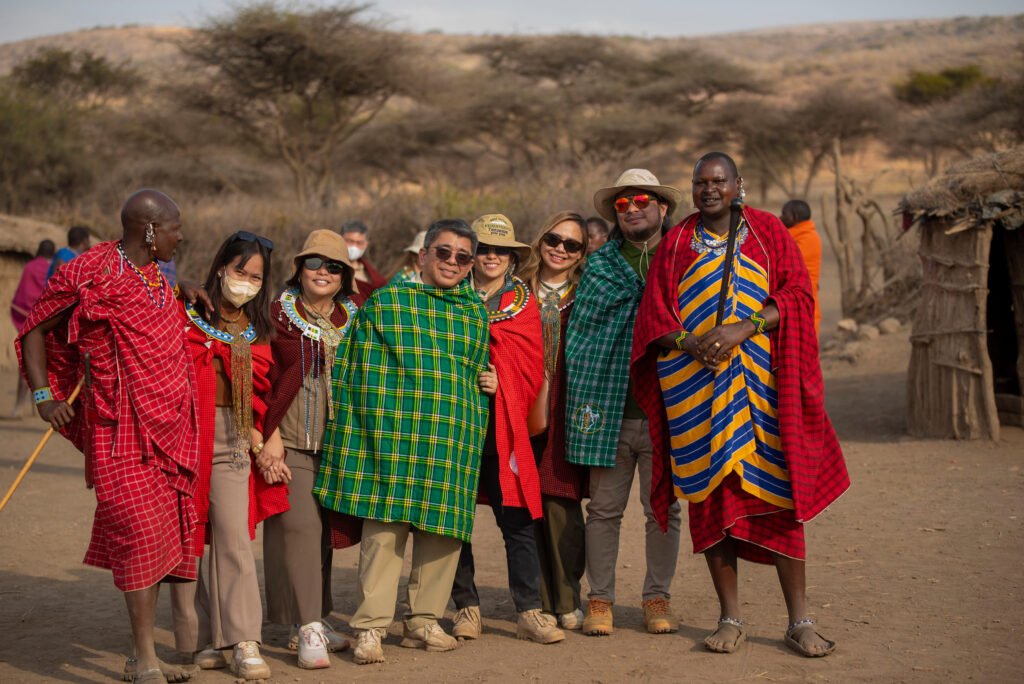
How to Respect Local Traditions While Traveling and health awareness
Health behavior also forms part of How to Respect Local Traditions While Traveling. Public health guidance published by the World Health Organization and emergency preparedness principles promoted by the International Federation of Red Cross and Red Crescent Societies show that visitors should follow local health rules and hygiene practices to protect communities with limited medical infrastructure.
Respecting quarantine measures, vaccination advice and local healthcare practices is not only personal protection, but also community protection. Responsible travelers recognize that their presence should never increase health risk for host populations.
How to Respect Local Traditions While Traveling through honest business behavior
Ethical financial conduct strengthens How to Respect Local Traditions While Traveling. Governance research and transparency frameworks promoted by Transparency International highlight how fair payments, clear agreements and ethical negotiation practices build long-term trust with communities and service providers.
Paying fair prices, respecting agreed fees and avoiding aggressive bargaining over essential services prevents economic pressure on vulnerable families and helps maintain professional standards within the tourism sector.
How to Respect Local Traditions While Traveling when visiting protected areas
Many cultural traditions are directly linked to national parks and protected landscapes. A responsible approach to How to Respect Local Traditions While Traveling includes following conservation regulations developed by institutions such as the United States Geological Survey and international biodiversity monitoring initiatives supported by the World Bank environmental programmes.
Park rules exist not only to protect wildlife but also to protect traditional land use systems and sacred areas. If your journey includes mountain or nature activities, responsible planning through professionally guided adventure programs helps ensure that your visit respects both conservation and cultural boundaries.
How to Respect Local Traditions While Traveling with the support of local experts
Local knowledge is one of the strongest tools for practicing How to Respect Local Traditions While Traveling. Local guides understand sensitive topics, appropriate behavior and cultural timing far better than external sources. They help visitors avoid uncomfortable situations and explain customs in a respectful and accurate way.
For travelers who want culturally sensitive itineraries and honest guidance, speaking directly with experienced local professionals through local travel consultation support provides a respectful and reliable starting point.
Why respectful travel creates deeper and more meaningful experiences
In real life, How to Respect Local Traditions While Traveling is not about memorizing rules. It is about attitude, curiosity and humility. When travelers slow down, listen carefully and accept that different ways of living are equally valid, cultural exchange becomes genuine rather than superficial.
Respectful behavior strengthens community pride, supports cultural survival and transforms travel into a shared human experience rather than a simple holiday. When you choose to travel responsibly with experienced local operators such as Eddy Tours & Safaris, you contribute to tourism that protects people, traditions and landscapes for generations to come.