
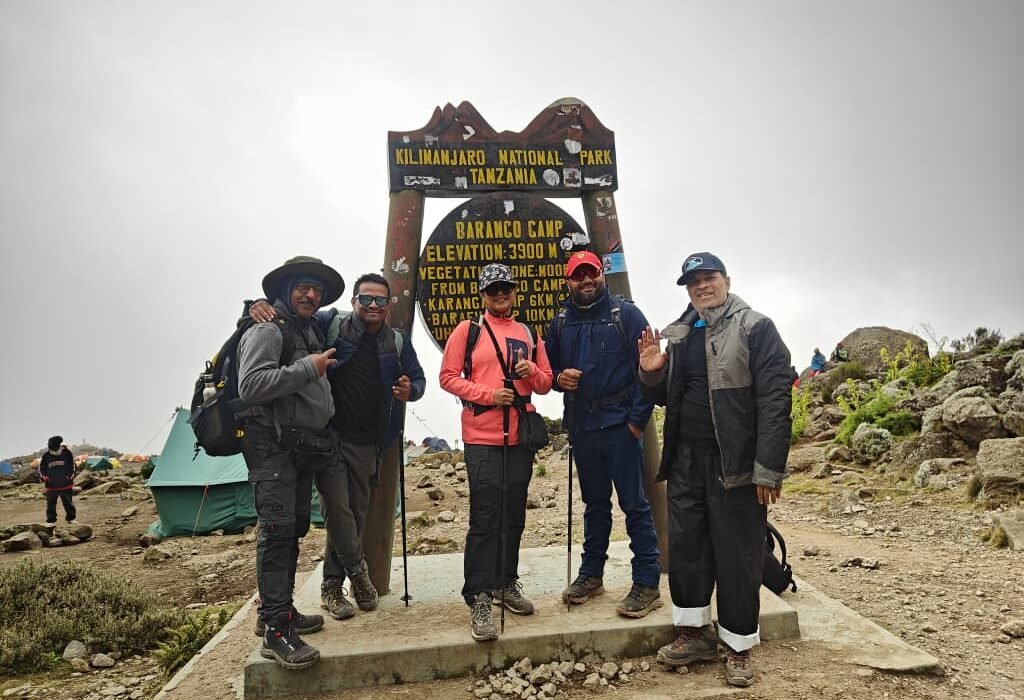
How to Train for Kilimanjaro in 30 Days is a realistic and focused preparation plan for people who already booked their climb and now want to arrive on the mountain strong, healthy, confident and mentally ready, without extreme gym routines or complicated training systems.
This short training window is not about becoming an athlete. It is about building steady endurance, improving breathing and leg strength, protecting your joints, preparing your body for long walking hours, and learning how to manage fatigue, cold and altitude stress in a smart and safe way.
How to Train for Kilimanjaro in 30 Days and understand what your body really needs
Before starting physical training, it is important to understand what actually challenges climbers on Kilimanjaro. The main difficulty is not technical climbing, but long daily walking, repeated uphill sections, cold temperatures and reduced oxygen at altitude. Medical guidance from the World Health Organization explains how reduced oxygen affects breathing, sleep quality and physical performance, while altitude health information published by the Centers for Disease Control and Prevention shows that slow movement, hydration and pacing are far more important than speed or strength.
Sports and endurance physiology research shared through the National Center for Biotechnology Information and training standards from the American College of Sports Medicine clearly show that steady low-intensity exercise is more effective for mountain trekking than short high-intensity workouts.
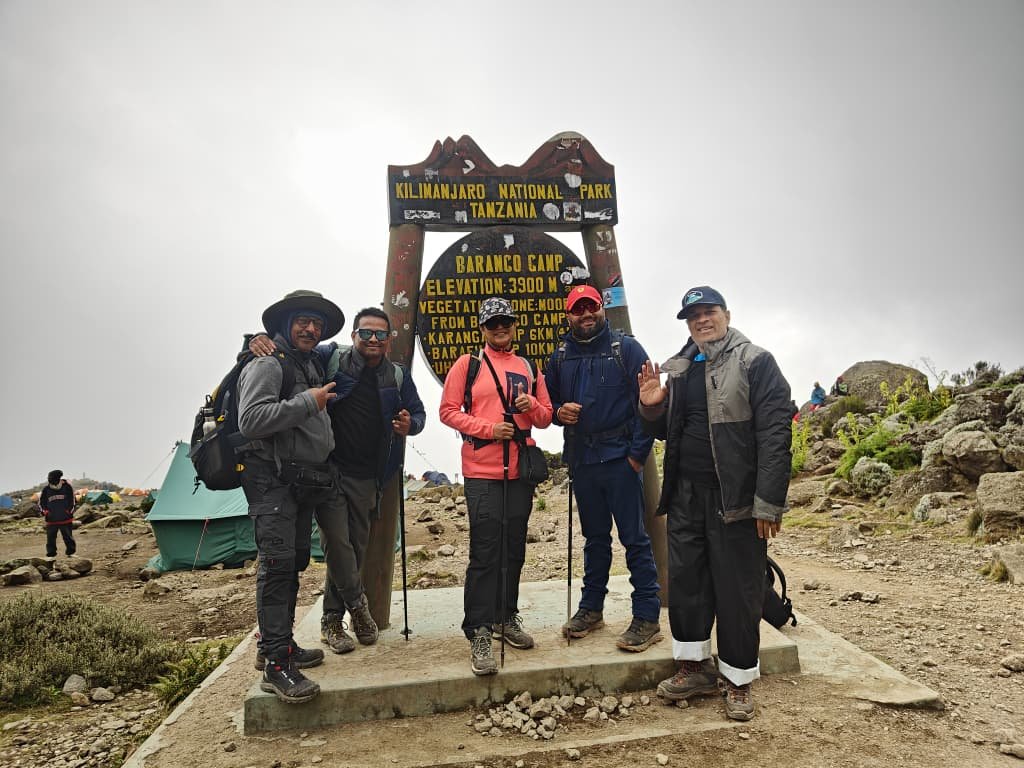
How to Train for Kilimanjaro in 30 Days with a simple weekly structure
A simple and safe structure works best. During your first ten days, focus mainly on long walks, stair climbing, gentle jogging and cycling. Research on aerobic conditioning published by the National Institutes of Health shows that building heart and lung efficiency reduces fatigue during long-duration activities such as hiking. Try to walk at least one hour every day and include one longer walk of two to three hours during the weekend.
From day eleven to day twenty, continue your long walks but add short uphill or stair intervals while carrying a light backpack. Load-carrying and hiking posture studies shared through ScienceDirect demonstrate that gradually introducing pack weight helps protect knees and lower back when hiking at altitude.
How to Train for Kilimanjaro in 30 Days with leg and core strength
Strong legs and a stable core protect your joints and keep your posture correct when you become tired. Strength training recommendations published by the American College of Sports Medicine advise simple movements such as squats, step-ups, lunges and gentle core exercises two to three times per week. Scientific injury-prevention research available through the British Journal of Sports Medicine shows that moderate strength training reduces the risk of knee and ankle injuries during long-distance walking.
You do not need heavy gym machines. Your body weight and a small step or stair are enough to prepare for steep Kilimanjaro trails.
How to Train for Kilimanjaro in 30 Days and protect your joints and recovery
Recovery is part of training. Without rest, your body becomes weaker, not stronger. Sports recovery guidelines from the Mayo Clinic explain that proper sleep, hydration and stretching support muscle repair and prevent overuse injuries. Joint health research published through the Arthritis Foundation also shows that light mobility and flexibility exercises protect knees and hips during repetitive walking activities.
At least one full rest day per week is essential during your 30-day plan.
How to Train for Kilimanjaro in 30 Days and prepare your lungs and breathing
Many climbers underestimate breathing preparation. Controlled breathing exercises help you stay calm when oxygen becomes limited. Respiratory health research from the American Lung Association explains how slow nasal breathing and controlled exhalation improve oxygen use efficiency during endurance activity.
Clinical respiratory training studies published through the National Center for Biotechnology Information show that simple breathing drills can reduce perceived breathlessness during physical stress.
How to Train for Kilimanjaro in 30 Days and build mental endurance
Mental strength is just as important as physical fitness. Long hikes teach patience, rhythm and emotional control. Psychological resilience research published by the American Psychological Association explains that mental rehearsal, goal visualization and controlled stress exposure improve confidence during demanding activities.
Spending time walking alone, limiting phone use during long walks and practicing slow movement helps you build the calm mindset needed for summit day.
How to Train for Kilimanjaro in 30 Days and eat for energy and recovery
Nutrition plays a powerful role in training quality. Sports nutrition guidance from the Food and Agriculture Organization and hydration research published by the Gatorade Sports Science Institute explain how carbohydrates support endurance while protein helps muscle repair. You do not need expensive supplements. Balanced meals, fruits, vegetables, grains and clean water are enough.
Public health nutrition guidance from the Harvard T.H. Chan School of Public Health further shows that consistent meal timing stabilizes energy levels during physical preparation.
How to Train for Kilimanjaro in 30 Days and understand altitude risks early
Even the strongest people can suffer from altitude sickness. Medical education from the MSD Manuals and high-altitude illness research shared through the National Center for Biotechnology Information explain common symptoms such as headache, nausea, sleep disturbance and dizziness.
Learning these signs early helps you communicate clearly with your mountain guide during the climb.
How to Train for Kilimanjaro in 30 Days and prepare for cold and weather stress
Cold, wind and rain increase physical fatigue. Cold exposure and thermal stress research from the National Aeronautics and Space Administration explains how layered clothing and body temperature regulation protect energy reserves. Climate and mountain weather risk information published by the World Meteorological Organization further highlights why proper clothing and hydration planning reduce weather-related exhaustion.
How to Train for Kilimanjaro in 30 Days and personal safety planning
Outdoor safety education from the American Red Cross and travel health guidance from the UK Travel Health Pro help you understand basic first aid, blister care, dehydration management and emergency response principles.
These skills become very valuable during long trekking days.
How to Train for Kilimanjaro in 30 Days and connect your training to your real route
Training becomes more effective when it matches your real itinerary. If you already selected your route, your walking pace and rest rhythm should match your future schedule. Many climbers review route profiles and daily distances through Eddy Tours and Safaris before finalizing their training pace and equipment preparation.
Detailed climbing itineraries and preparation advice are also available through custom Kilimanjaro climbing programmes, which help match fitness level with the most suitable route.
How to Train for Kilimanjaro in 30 Days and choose professional support
Training alone is only part of success. Professional guiding, medical monitoring and safe logistics play a major role on the mountain. Many travellers secure their climb using trusted Kilimanjaro tour operators in Tanzania to ensure proper acclimatization schedules and safety standards.
Personalised trekking arrangements are also prepared through local Kilimanjaro travel planning services, allowing climbers to focus on training while experienced teams manage permits, equipment and mountain logistics.
How to Train for Kilimanjaro in 30 Days and arrive confident on the mountain
Thirty days is enough to prepare well if you stay consistent, listen to your body and follow simple principles. Long walks, light strength training, controlled breathing, proper nutrition, quality sleep and mental readiness create a strong and reliable foundation for your climb.
In simple words, How to Train for Kilimanjaro in 30 Days is about smart preparation, not extreme workouts. When you combine proper training with professional mountain support and responsible travel planning, you give yourself the best possible chance to enjoy your climb safely, confidently and with unforgettable memories on Africa’s highest mountain.