
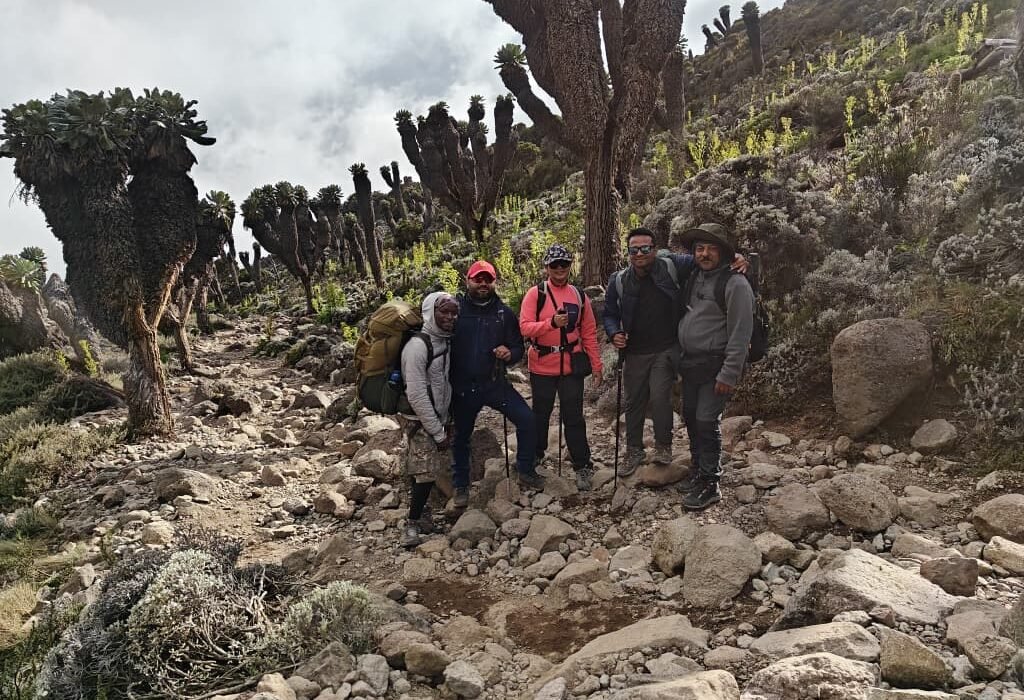
How to Train for Mount Kilimanjaro is one of the most important questions you can ask before planning your climb, because success on Africa’s highest mountain depends far more on preparation, discipline, and awareness than on natural strength or past adventure experience.
Mount Kilimanjaro does not require ropes or technical climbing skills, yet the combination of long walking days, changing terrain, cold nights, and high altitude places serious stress on the body and mind. Good training is not about becoming an athlete. It is about arriving healthy, confident, and ready to walk safely while respecting the fragile mountain environment and the people who protect it.
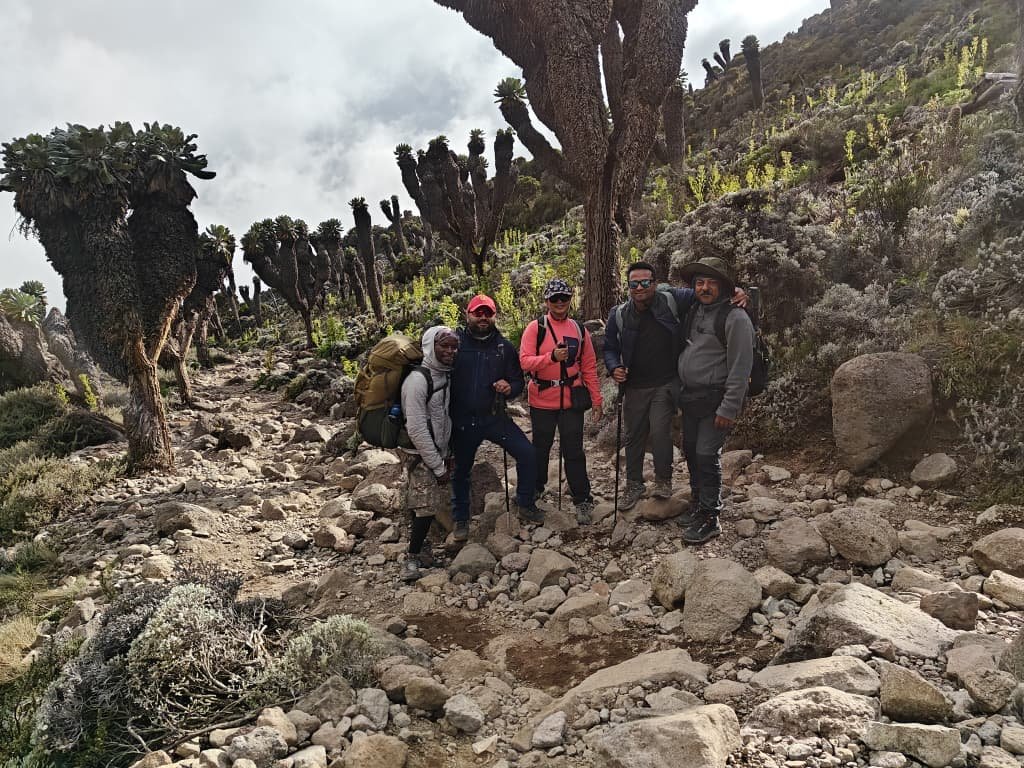
How to Train for Mount Kilimanjaro by understanding the mountain environment first
Before starting any physical training, it is important to understand the natural environment you will be walking through. Kilimanjaro rises through several sensitive ecological zones that are closely monitored by international conservation organisations such as the International Union for Conservation of Nature and the United Nations Environment Programme, both of which highlight how mountain ecosystems are highly vulnerable to climate stress and human pressure.
Scientific assessments from the Intergovernmental Panel on Climate Change and biodiversity risk studies coordinated by the Intergovernmental Science-Policy Platform on Biodiversity and Ecosystem Services show that high-altitude environments are changing rapidly. Training well is also about learning to move responsibly and protect the ecosystems you are visiting.
How to Train for Mount Kilimanjaro by building slow and strong endurance
The most important physical part of How to Train for Mount Kilimanjaro is building walking endurance rather than speed. Long and steady hikes prepare your legs, joints, and back for repeated daily climbs. Walking uphill with a light backpack trains the exact muscles you will use on the mountain and reduces the risk of knee and ankle injuries during descent.
Outdoor activity in natural areas is also encouraged by organisations such as the The Nature Conservancy, which promotes responsible use of natural landscapes for physical wellbeing while protecting ecosystems through low-impact movement.
How to Train for Mount Kilimanjaro with leg and core strength
Many people underestimate how important leg and core strength is for a long mountain trek. Strong thighs, hips, calves, and a stable core protect your lower back and improve balance on rocky and uneven trails. Simple exercises such as step-ups, lunges, controlled squats, and light stair climbing are extremely effective when performed consistently over several weeks.
Forest and landscape research from the Center for International Forestry Research also shows that trail erosion is strongly influenced by poor walking technique and unstable movement. Training your balance and posture helps protect both your body and the trail systems on the mountain.
How to Train for Mount Kilimanjaro and improve breathing efficiency
Breathing control is a quiet but powerful part of How to Train for Mount Kilimanjaro. High altitude reduces the amount of oxygen your body can absorb. Practising slow breathing while walking uphill, focusing on steady rhythm, and avoiding rapid breathing patterns helps your body adapt better once you reach higher camps.
Health and altitude awareness guidance provided by the World Health Organization supports gradual exposure to physical stress and highlights the importance of recognising early symptoms of altitude illness during strenuous activity.
How to Train for Mount Kilimanjaro with real hiking conditions
Gym training alone cannot prepare you fully for Kilimanjaro. Real outdoor walking builds foot strength, ankle stability, and confidence on uneven ground. Training hikes in hills, nature reserves, or forest trails allow your body to adjust to uneven surfaces, long descents, and changing temperatures.
Landscape protection programmes supported by the Conservation International encourage outdoor users to follow low-impact practices, which should already become part of your training habits long before you reach the mountain.
How to Train for Mount Kilimanjaro and prepare your body for altitude safely
Altitude is the main challenge on Kilimanjaro. No training can completely remove the risk of altitude sickness, but controlled preparation can improve how your body reacts to reduced oxygen. Staying well hydrated, maintaining moderate training intensity, and avoiding sudden spikes in workload help your cardiovascular system adapt more smoothly.
Scientific research published through platforms such as ScienceDirect shows that gradual load increases and controlled physical stress reduce recovery time and improve overall endurance in high-stress environments.
How to Train for Mount Kilimanjaro with nutrition and recovery discipline
Proper nutrition is a core part of How to Train for Mount Kilimanjaro. Long hikes burn large amounts of energy and require balanced meals that include complex carbohydrates, healthy fats, and sufficient protein. Recovery days are equally important. Without rest, your body becomes more vulnerable to injury and fatigue.
Nutrition and food safety guidance from the Food and Agriculture Organization supports balanced dietary planning for physically demanding environments and highlights the importance of safe food handling in remote areas.
How to Train for Mount Kilimanjaro and protect your mental strength
Climbing Kilimanjaro is as much a mental journey as a physical one. Long walking days, cold mornings, and slow progress can challenge motivation. Training hikes should include moments where you deliberately continue walking even when tired, learning to remain calm, positive, and focused.
Environmental psychology and wellbeing research shared through the UN Environment Programme shows that time spent in natural environments improves stress management and emotional resilience, which directly supports long mountain expeditions.
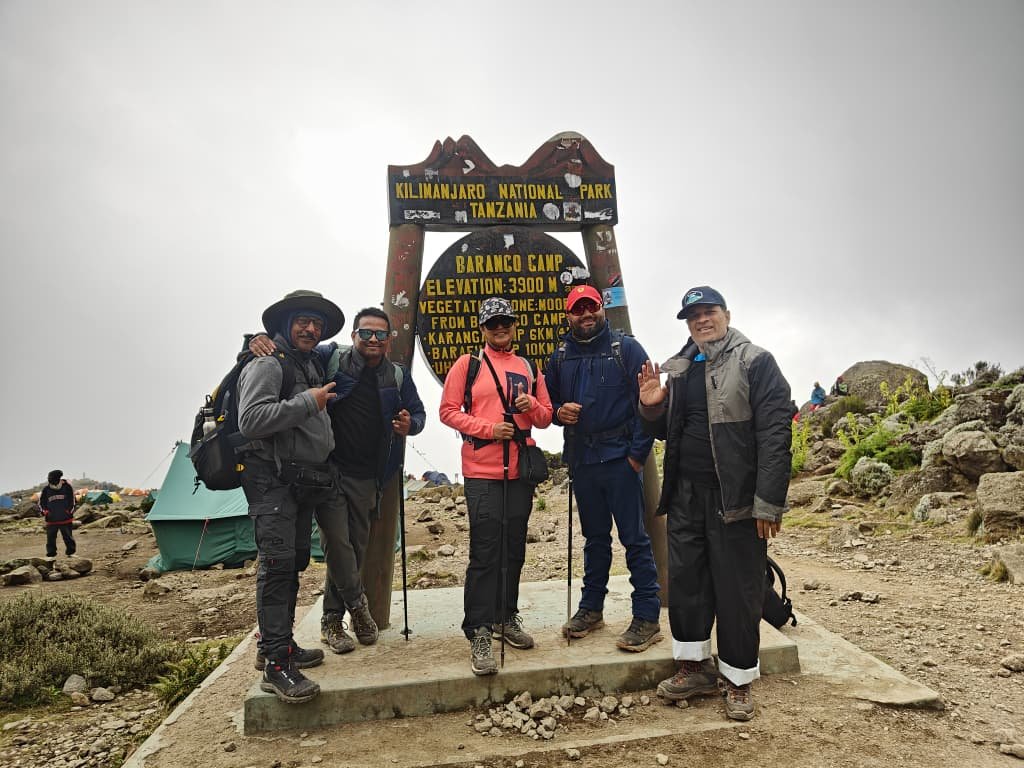
How to Train for Mount Kilimanjaro and reduce injury risk before arrival
One of the most practical benefits of proper training is injury prevention. Ankle sprains, knee pain, and lower-back discomfort are common among unprepared climbers. Gentle stretching, mobility work, and strengthening of small stabilising muscles help protect your joints during long downhill sections.
Emergency preparedness and injury awareness principles promoted by the American Red Cross also encourage basic first-aid knowledge for outdoor environments, which every responsible climber should have before arriving in Tanzania.
How to Train for Mount Kilimanjaro and understand wildlife and forest protection rules
Kilimanjaro is not only a mountain. It is a protected forest and wildlife landscape. Training should include learning responsible behaviour in protected areas, including waste management, water protection, and respectful interaction with local communities.
Forest protection and biodiversity monitoring coordinated by the UN Environment Programme World Conservation Monitoring Centre and bird habitat protection programmes led by BirdLife International show how even small visitor behaviours affect fragile mountain ecosystems.
How to Train for Mount Kilimanjaro and support wildlife conservation beyond the trail
Training is also an opportunity to understand why responsible tourism matters. Wildlife research and ranger-based protection programmes supported by the Wildlife Conservation Society and regional habitat connectivity work promoted by the African Wildlife Foundation help protect the broader landscapes surrounding the mountain.
Learning about conservation before your climb allows you to travel with greater respect and purpose.
How to Train for Mount Kilimanjaro and choose the right professional support
Physical preparation must be combined with professional on-ground support. Many climbers choose to plan their journey through Eddy Tours and Safaris in order to receive guidance on proper pacing, safety procedures, and environmentally responsible climbing operations.
Well-designed itineraries and realistic training advice can also be discussed through custom Kilimanjaro climbing programs, which allow climbers to match their fitness level with appropriate routes and acclimatisation schedules.
How to Train for Mount Kilimanjaro and prepare your gear wisely
Training should include walking in the boots and clothing you will use on the mountain. This prevents blisters, shoulder discomfort, and posture problems. Carrying a lightly loaded backpack during training hikes prepares your shoulders and upper back for daily trekking.
Responsible outdoor equipment use is also supported by sustainability guidance from organisations such as the International Union for Conservation of Nature, which encourages long-lasting equipment and reduced environmental impact.
How to Train for Mount Kilimanjaro and respect community and cultural systems
Kilimanjaro is surrounded by communities whose livelihoods depend on sustainable tourism. Cultural heritage and community participation frameworks promoted by UNESCO and social development research coordinated by the UN Department of Economic and Social Affairs show how respectful visitor behaviour strengthens local economies and conservation partnerships.
Training your mindset to respect local culture, porters, and guides is as important as training your body.
How to Train for Mount Kilimanjaro and final preparation before departure
In the final weeks before travel, reduce training intensity, focus on good sleep, hydration, and light movement. Avoid heavy new workouts and allow your body to recover fully. Mental preparation, route understanding, and realistic expectations help reduce anxiety and improve enjoyment during the climb.
Many travellers confirm final route choices and logistics through professional Kilimanjaro planning services to ensure permits, safety equipment, and trained mountain crews are properly arranged.
How to Train for Mount Kilimanjaro and turn preparation into a meaningful journey
Training for Kilimanjaro is not only about reaching the summit. It is about becoming a responsible visitor in one of Africa’s most important mountain ecosystems. Sustainable land-use strategies supported by the Convention on Biological Diversity and environmental education programmes promoted by The Nature Conservancy show that well-informed travellers play a real role in conservation success.
When you understand How to Train for Mount Kilimanjaro properly, you arrive stronger, safer, and more respectful toward the mountain, its wildlife, and the people who protect it every day. Your preparation becomes part of the conservation story, not just a personal achievement.