
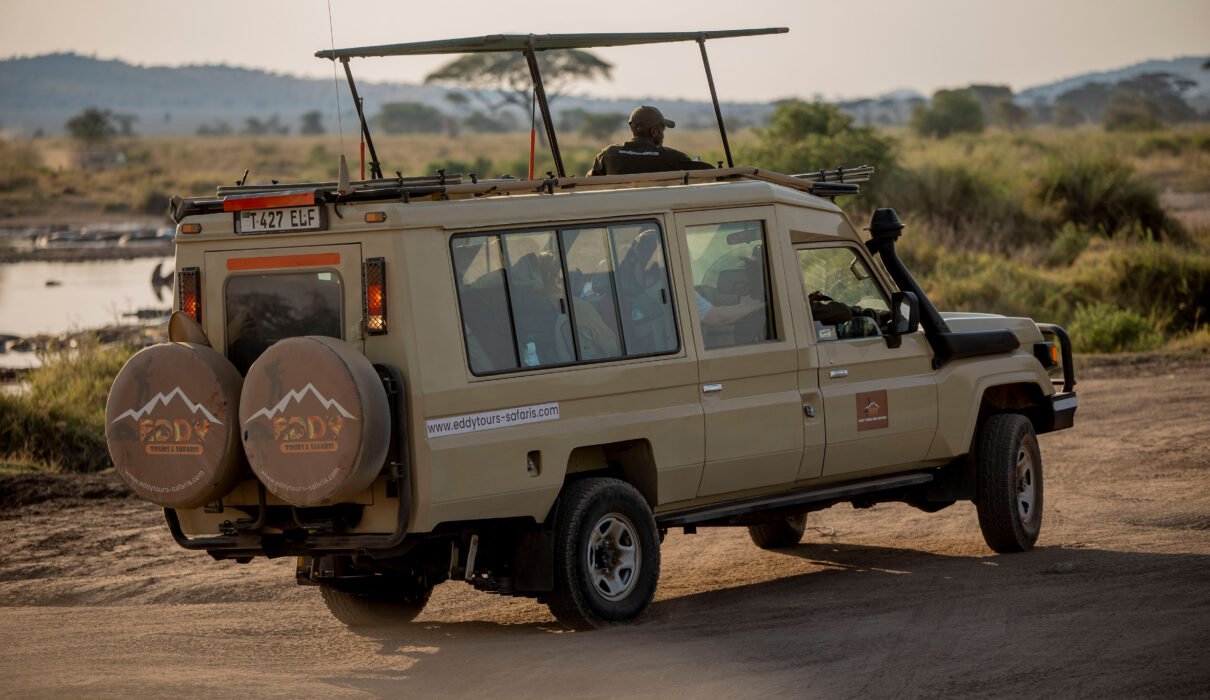
How to Travel Tanzania Solo Safely is one of the most important questions for independent travelers who want to experience wildlife, landscapes and local culture without joining large groups. Tanzania is welcoming, diverse and rich in natural heritage, but moving alone requires awareness, planning and respect for both people and protected environments. When solo travel is prepared properly, it becomes calm, flexible and deeply rewarding instead of stressful and uncertain.
This guide explains how independent travelers can move confidently across Tanzania while protecting their own safety and supporting conservation and communities. The information is shaped by international safety guidance, wildlife protection standards and responsible travel practices. If you prefer local professional support for specific activities, you can always plan sensitive parts of your journey with trusted local experts such as Eddy Tours & Safaris, while still enjoying the freedom of traveling independently.
How to Travel Tanzania Solo Safely by understanding the conservation landscape
Understanding How to Travel Tanzania Solo Safely begins with knowing that much of the country’s tourism takes place inside protected ecosystems that are globally significant. Conservation organisations such as the World Wide Fund for Nature, the African Wildlife Foundation and the Wildlife Conservation Society all show how sensitive wildlife habitats can be disturbed by unregulated access and poor visitor behaviour.
Environmental governance frameworks promoted by the International Union for Conservation of Nature and global biodiversity coordination supported by the Intergovernmental Science-Policy Platform on Biodiversity and Ecosystem Services recommend strict visitor conduct, controlled movement and respect for park regulations. Solo travelers should always follow official entry procedures, use registered guides where required and avoid unapproved routes.
How to Travel Tanzania Solo Safely through health preparation
One of the most practical parts of How to Travel Tanzania Solo Safely is personal health planning. Medical and travel health guidance published by the World Health Organization and high-altitude and travel risk information from the Centers for Disease Control and Prevention clearly show that prevention, vaccinations, hydration and medication planning reduce most common travel health risks.
When you travel alone, you must be fully responsible for recognising early symptoms of illness and fatigue. Emergency response principles promoted by the International Federation of Red Cross and Red Crescent Societies encourage travelers to maintain communication access, carry basic first-aid supplies and share itineraries with trusted contacts.
How to Travel Tanzania Solo Safely by choosing safe transport and movement
Transport decisions play a major role in How to Travel Tanzania Solo Safely. Road safety standards and transport risk management guidance from the World Health Organization Road Safety Programme and sustainable mobility research supported by the International Energy Agency show that trained drivers, maintained vehicles and clear travel schedules significantly reduce accident risk.
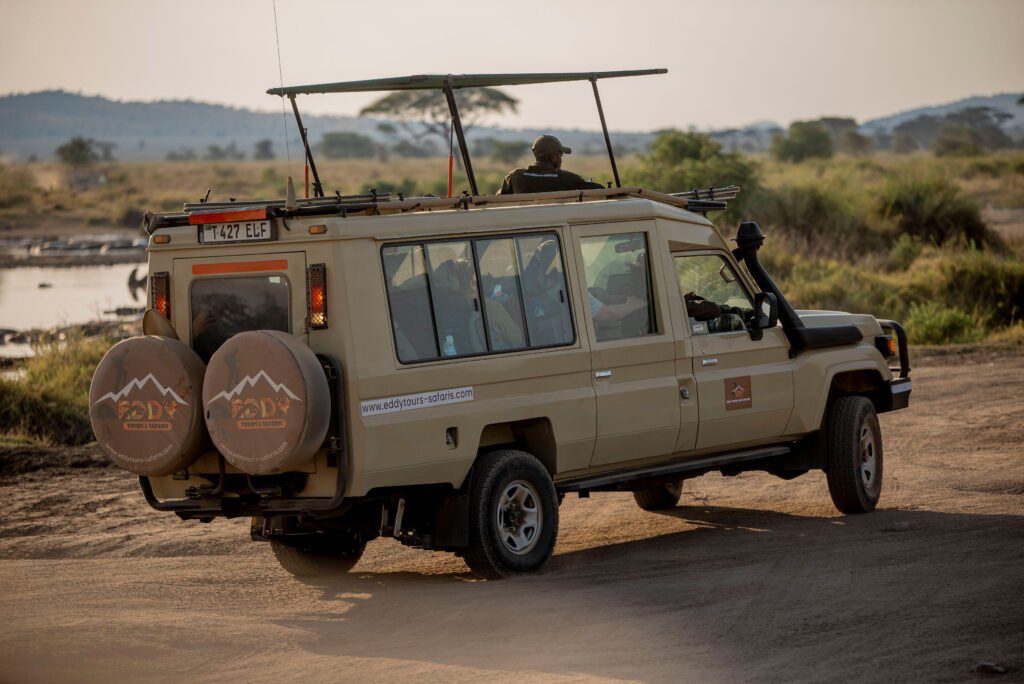
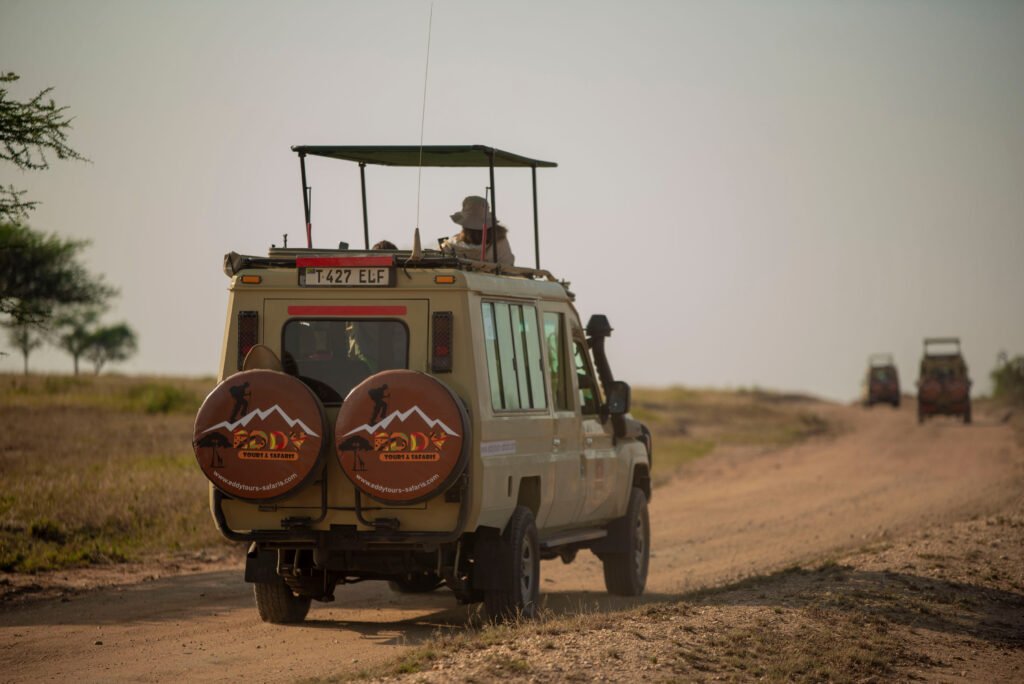
When moving between regions, use licensed transport providers, avoid night travel on unfamiliar roads and always confirm official departure points. For wildlife areas and national parks, independent entry is restricted and professional services are required, which is why many solo travelers reserve their park activities through reliable local teams such as Tanzania safari specialists.
How to Travel Tanzania Solo Safely by respecting wildlife and park rules
Another essential element of How to Travel Tanzania Solo Safely is understanding that wildlife encounters are regulated for your safety and for animal welfare. Conservation science promoted by Conservation International and ecosystem monitoring by the United States Geological Survey confirm that off-road driving, uncontrolled walking and close animal interaction increase both human risk and ecological damage.
Educational initiatives supported by the National Geographic Society show that responsible wildlife viewing behaviour reduces stress on animals and improves visitor safety. Solo travelers should never attempt wildlife tracking, bush walks or photography inside parks without authorised supervision.
How to Travel Tanzania Solo Safely by understanding climate and environmental conditions
Planning for climate conditions is central to How to Travel Tanzania Solo Safely. Climate research published by NASA Climate and global climate assessments produced by the Intergovernmental Panel on Climate Change show how heat, rainfall variability and water availability affect travel routes and daily activity safety.
Environmental resilience guidance from the United Nations Environment Programme and agricultural ecosystem assessments published by the Food and Agriculture Organization confirm that weather patterns influence road conditions, food supply logistics and outdoor activity risks, especially in remote regions.
How to Travel Tanzania Solo Safely through ethical community interaction
Ethical behaviour is an important but often overlooked part of How to Travel Tanzania Solo Safely. Labour standards and fair employment frameworks promoted by the International Labour Organization and community empowerment programs supported by Oxfam International show that respectful interaction with service providers reduces exploitation and improves safety for both visitors and local workers.
Solo travelers should use licensed accommodation, local guides and registered transport providers. Paying fair prices and respecting community customs strengthens trust and reduces misunderstandings that often create unnecessary risk for independent visitors.
How to Travel Tanzania Solo Safely by protecting yourself against misinformation
Digital awareness is increasingly important in How to Travel Tanzania Solo Safely. Transparency and governance studies published by Transparency International show how misleading information, fake bookings and unlicensed operators create financial and safety risks.
Reliable travel information should be cross-checked using institutional research sources such as Nature Research and field studies published on ScienceDirect when learning about wildlife behaviour, environmental risks and regional conditions.
How to Travel Tanzania Solo Safely for cultural and heritage sites
Respecting heritage and culture is part of How to Travel Tanzania Solo Safely. Cultural protection frameworks promoted by UNESCO and social research programs coordinated through Harvard University research initiatives highlight how informed visitors reduce social tension and cultural misinterpretation.
Before visiting villages or cultural locations, learn basic etiquette, dress respectfully and ask permission for photography. These small actions greatly improve personal safety and community relations during independent travel.
How to Travel Tanzania Solo Safely for mountain and adventure activities
Adventure travel requires additional preparation when following How to Travel Tanzania Solo Safely. Environmental and outdoor leadership research confirms that high-altitude and wilderness activities demand structured risk management and professional supervision.
For activities such as mountain trekking, it is safer to arrange professionally guided experiences through established local providers such as Kilimanjaro climbing programs, which follow health, evacuation and environmental protocols suitable for solo travelers.
How to Travel Tanzania Solo Safely with local professional support
Even independent travelers benefit from targeted local support when following How to Travel Tanzania Solo Safely. Local professionals understand seasonal road conditions, wildlife movement, permit requirements and regional security dynamics far better than international platforms.
For personalised advice and practical support, solo travelers can consult directly with local experts through local planning assistance before entering protected areas or remote regions.
How to Travel Tanzania Solo Safely by balancing freedom and structure
The real strength of How to Travel Tanzania Solo Safely lies in balancing independence with structured planning. Solo travel does not mean isolating yourself from professional support. It means choosing carefully when guidance is needed and when independent exploration is appropriate.
Using reliable services for wildlife safaris, protected areas and adventure activities allows you to enjoy flexibility in towns, cultural visits and day-to-day travel while protecting your personal safety and the environment.
Why many solo travelers still choose local operators for key experiences
Many independent visitors who follow How to Travel Tanzania Solo Safely eventually decide to use local professional services for the most sensitive parts of their journey. Wildlife viewing, long-distance transfers and protected landscapes require permits, trained personnel and environmental compliance.
Planning your safari days with a trusted local team such as professional Tanzania operators ensures that your solo adventure remains smooth, safe and respectful of wildlife and communities.
Final guidance for solo travelers in Tanzania
In reality, How to Travel Tanzania Solo Safely is about preparation, awareness and respect. It is not about fear. Tanzania offers extraordinary wildlife, welcoming communities and diverse landscapes for independent travelers who take responsibility for their choices.
By following health guidance, environmental protection standards and ethical travel practices, your solo journey becomes both safe and meaningful, while directly supporting the protection of Tanzania’s remarkable natural and cultural heritage.