
Mount Kilimanjaro has inspired thousands of people from different countries, backgrounds, and age groups to challenge themselves and discover what they can achieve. Standing at 5,895 metres (19,341 feet) above sea level, Kilimanjaro is the highest mountain in Africa and one of Tanzania’s most recognised natural landmarks. Every year, people travel to northern Tanzania with different reasons for climbing. Some want to celebrate an important birthday, others hope to overcome personal difficulties, while many simply want to experience the satisfaction of standing on Africa’s highest summit. Whatever their reasons, the mountain offers an experience that can change how people think about determination, patience, teamwork, and personal achievement.
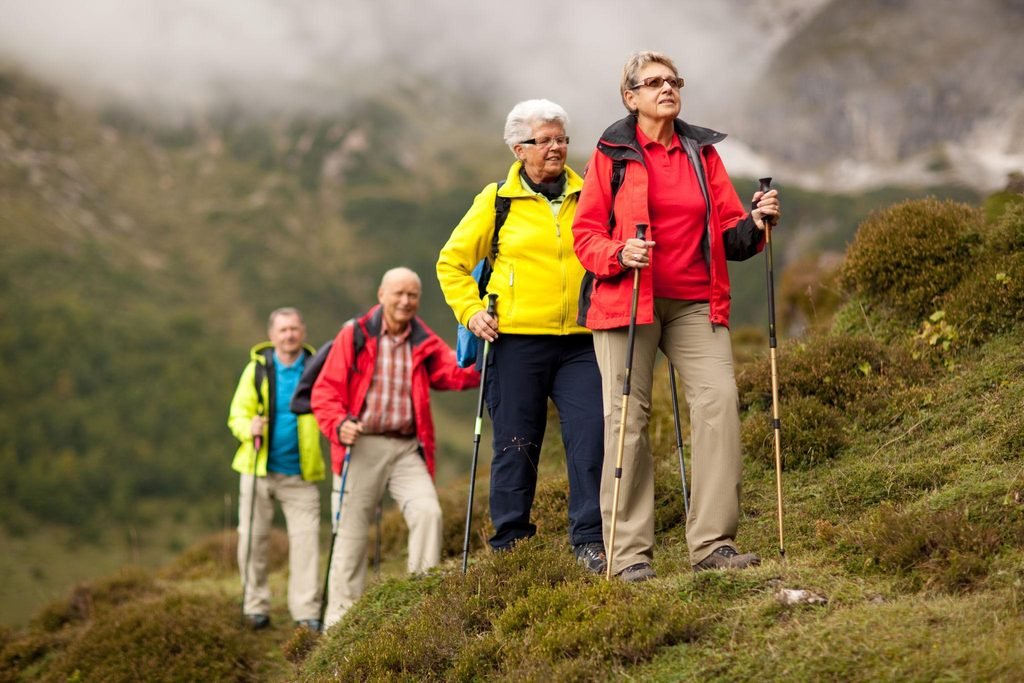
Climbing Kilimanjaro is not simply about reaching Uhuru Peak and taking a photograph beside the famous summit sign. The journey involves several days of walking through changing landscapes, adjusting to high altitude, dealing with cold temperatures, and learning to trust the mountain guides and fellow climbers. Along the way, people discover strengths they never knew they had and develop friendships that often continue long after returning home. At Eddy Tours & Safaris, we believe that understanding the experiences behind Kilimanjaro climbing helps future trekkers prepare for the physical and emotional demands of the mountain.
This article explores the inspiring experiences associated with climbing Mount Kilimanjaro, including historical achievements, common situations faced by climbers, the important contribution of local mountain crews, and the lessons that make the journey meaningful. The personal situations described below are illustrative examples based on common climbing experiences rather than verified testimonials from named Eddy Tours & Safaris guests.
Why Mount Kilimanjaro Inspires People Around the World
Mount Kilimanjaro has a special attraction because it offers ordinary travellers the opportunity to attempt one of the world’s great mountain summits without requiring the technical climbing skills needed on many other high mountains. Unlike peaks that demand advanced rock climbing or ice climbing experience, Kilimanjaro’s established trekking routes are accessible to reasonably fit people who prepare carefully and travel with qualified mountain guides. However, the mountain should never be underestimated. Its altitude, unpredictable weather, demanding summit night, and long walking distances make it a serious physical challenge even for experienced hikers.
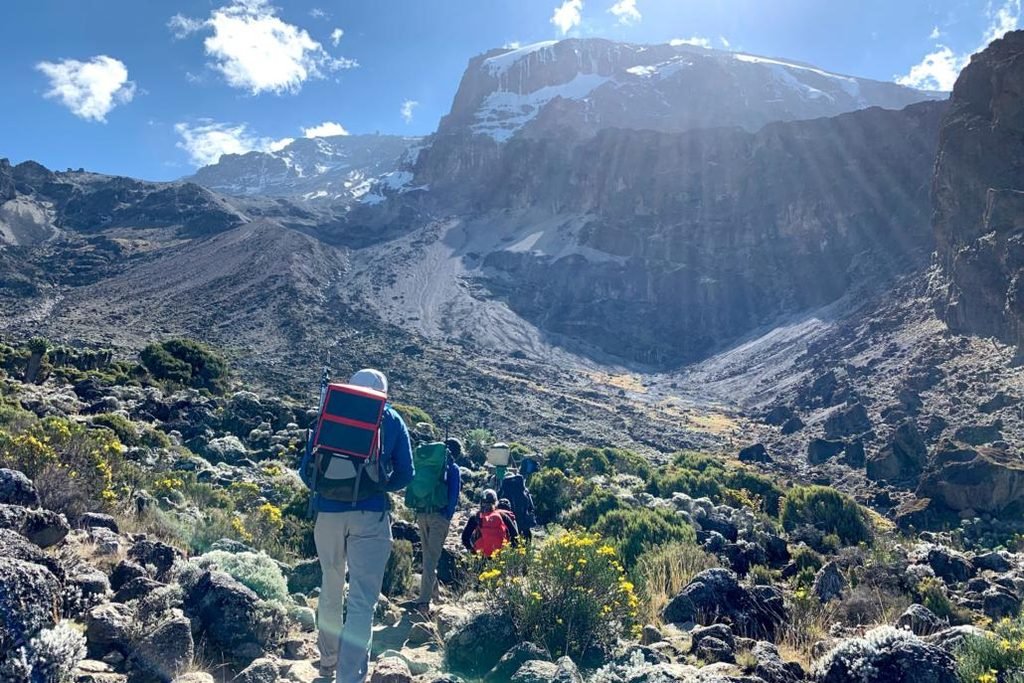
The mountain also offers a remarkable variety of landscapes. Climbers begin their journeys in green forests where birds and monkeys may be seen among the trees. As they continue upward, the vegetation changes into open moorland, rocky slopes, and eventually the cold alpine environment near the summit. This gradual transformation gives climbers the feeling of travelling through several different natural environments within a single expedition. The mountain’s ecological importance is recognised internationally through its designation as a UNESCO World Heritage Site, while its protected landscapes are managed by the Tanzania National Parks Authority.
For many visitors, Kilimanjaro represents an opportunity to accomplish something they once considered impossible. Some climbers spend years saving money and preparing for their journey, while others decide to climb after experiencing a significant change in their personal lives. The mountain does not promise that everyone will reach the summit, but it provides an opportunity to discover the value of preparation, patience, and perseverance.
The Historic Story of the First Documented Kilimanjaro Summit
One of the most important stories in Kilimanjaro’s climbing history concerns the first widely documented successful ascent of its highest summit in 1889. German geographer Hans Meyer and Austrian mountaineer Ludwig Purtscheller reached the summit after earlier attempts had been unsuccessful. Their expedition demonstrated the challenges of climbing Kilimanjaro at a time when modern trekking equipment, established mountain camps, and the support systems available today did not exist.
The history of this achievement also includes the contribution of local Tanzanian mountain workers. Yohani Kinyala Lauwo, a guide from the Marangu area, is traditionally associated with the historic expedition and is widely recognised for his role in Kilimanjaro’s early climbing history. His story reminds modern visitors that local knowledge and experience have always been important to mountain exploration. Although historical accounts differ on some details of the expedition, the contribution of local guides and porters remains an essential part of understanding Kilimanjaro’s heritage.
Today, the mountain attracts people from across the world, but the importance of Tanzanian guides, cooks, and porters has not changed. Modern expeditions depend on trained local teams who understand the mountain’s conditions, help visitors manage their pace, prepare meals, transport essential supplies, and respond when climbers experience difficulties. The story of Kilimanjaro therefore belongs not only to those who reach the summit but also to the generations of local people who have made these expeditions possible.
Story One: The First-Time Climber Who Learns to Believe in Their Abilities
Imagine someone who has never climbed a major mountain but has always wanted to stand on the roof of Africa. Before travelling to Tanzania, they spend several months walking regularly, climbing hills, improving their fitness, and learning about high-altitude trekking. Despite this preparation, arriving at the foot of Mount Kilimanjaro brings a mixture of excitement and uncertainty. The mountain appears much larger than expected, and the thought of walking for several days toward a summit almost six kilometres above sea level can feel intimidating.
During the first days of the climb, the experience may be surprisingly enjoyable. Forest trails provide shade, the walking pace is manageable, and the group begins developing friendships. As the climber moves higher, however, the journey becomes more demanding. Walking uphill requires greater concentration, the air becomes thinner, and simple activities may take more effort than they would at lower elevations. At this point, the encouragement of experienced guides and fellow trekkers becomes particularly important.
One of the most valuable lessons first-time climbers learn is that Kilimanjaro does not reward unnecessary speed. Mountain guides frequently encourage visitors to walk pole pole, a Swahili expression meaning slowly, slowly. This steady approach helps climbers avoid excessive exertion, although it cannot eliminate the risk of altitude sickness. Rather than thinking constantly about the summit, the climber learns to concentrate on the next section of trail, maintain a comfortable pace, and communicate openly about their physical condition.
Whether this first-time climber reaches Uhuru Peak or finishes at a lower elevation, the experience can still represent a significant personal achievement. Completing several days of demanding trekking, learning to manage uncertainty, and discovering the importance of teamwork can change how someone approaches challenges in everyday life. For those considering their first expedition, the Kilimanjaro climbing routes guide provides a useful introduction to the different trails and the type of experience each route offers.
Story Two: A Climber Celebrating an Important Life Milestone
Not everyone travels to Kilimanjaro because they are interested in mountaineering. Some people choose the mountain to celebrate a milestone such as turning 40, 50, or 60, completing their studies, retiring from work, or recovering from a difficult period in their lives. For these travellers, climbing Kilimanjaro becomes more than a holiday. It represents an opportunity to mark an important moment through an experience that requires commitment and preparation.
Consider a traveller who has spent many years concentrating on family responsibilities and professional commitments. After reaching an important birthday, they decide to pursue a dream that has been postponed for a long time. Preparing for Kilimanjaro requires changing daily routines, setting aside time for exercise, researching suitable equipment, and becoming more comfortable with long-distance walking. The preparation itself becomes part of the achievement because it encourages the traveller to make their personal wellbeing and ambitions a priority.
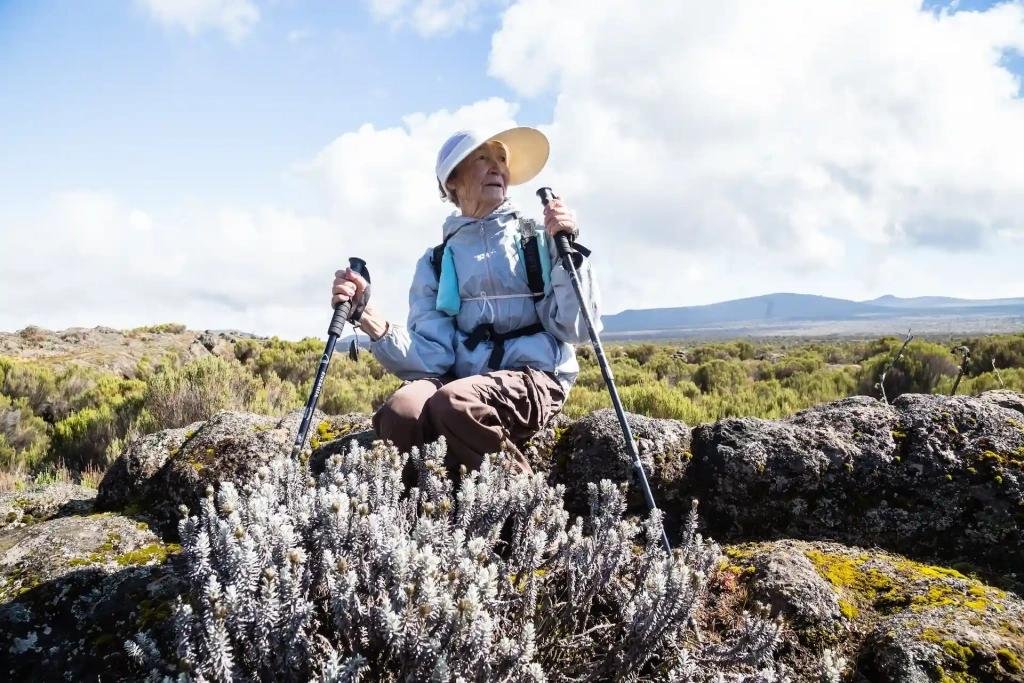
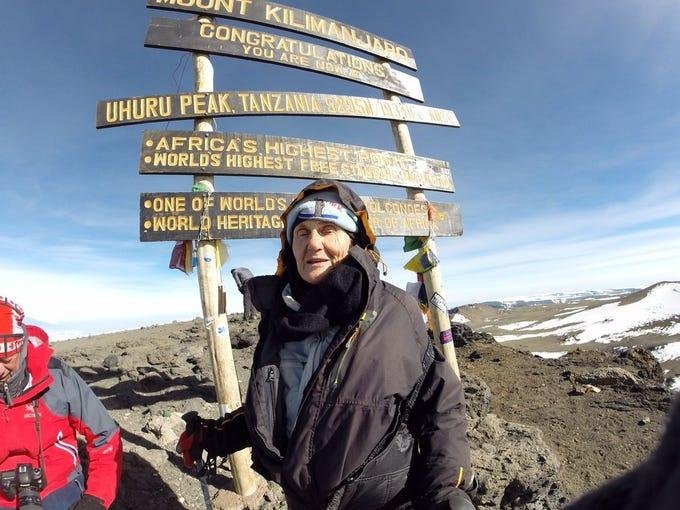
Once on the mountain, age becomes only one of many factors influencing the experience. Fitness, health, altitude response, preparation, and route selection are all important. Older climbers may have considerable patience and determination, while younger climbers may find the altitude more difficult than expected. Kilimanjaro demonstrates that no single age group has exclusive ownership of adventure, although every traveller should assess their health and obtain appropriate medical advice before attempting a high-altitude expedition.
The most meaningful moment for such a traveller may not necessarily be reaching the summit. It could be watching the sunrise above the clouds, sharing a meal with fellow climbers after a demanding day, or realising that a long-held ambition has finally become a reality. These experiences explain why Kilimanjaro remains a popular destination for people celebrating personal milestones and seeking a challenge beyond their normal routines.
Story Three: The Emotional Journey of Summit Night
Summit night is often the most demanding part of a Kilimanjaro expedition. On many routes, climbers begin their final ascent late at night or shortly after midnight, depending on the itinerary and the instructions of their guides. They walk slowly through darkness, using headlamps to follow the trail while temperatures may fall well below freezing. The combination of high altitude, tiredness, cold conditions, and steep terrain makes this stage physically and mentally challenging.
For someone who has spent several days working toward the summit, this is often the moment when doubts become strongest. Their legs may feel heavy, their breathing becomes more noticeable, and progress can seem extremely slow. Looking upward, they may see the lights of other climbers moving along the trail, while the summit still appears far away. The temptation to stop can become difficult to ignore, particularly when fatigue and discomfort increase.
Experienced guides play an essential role during this stage. They monitor climbers for signs of altitude-related illness, encourage a controlled walking pace, and assess whether continuing is safe. Supportive words can help someone through ordinary tiredness, but symptoms of altitude sickness must never be dismissed as a lack of determination. When serious symptoms develop, descending and receiving appropriate medical attention are more important than reaching the summit.
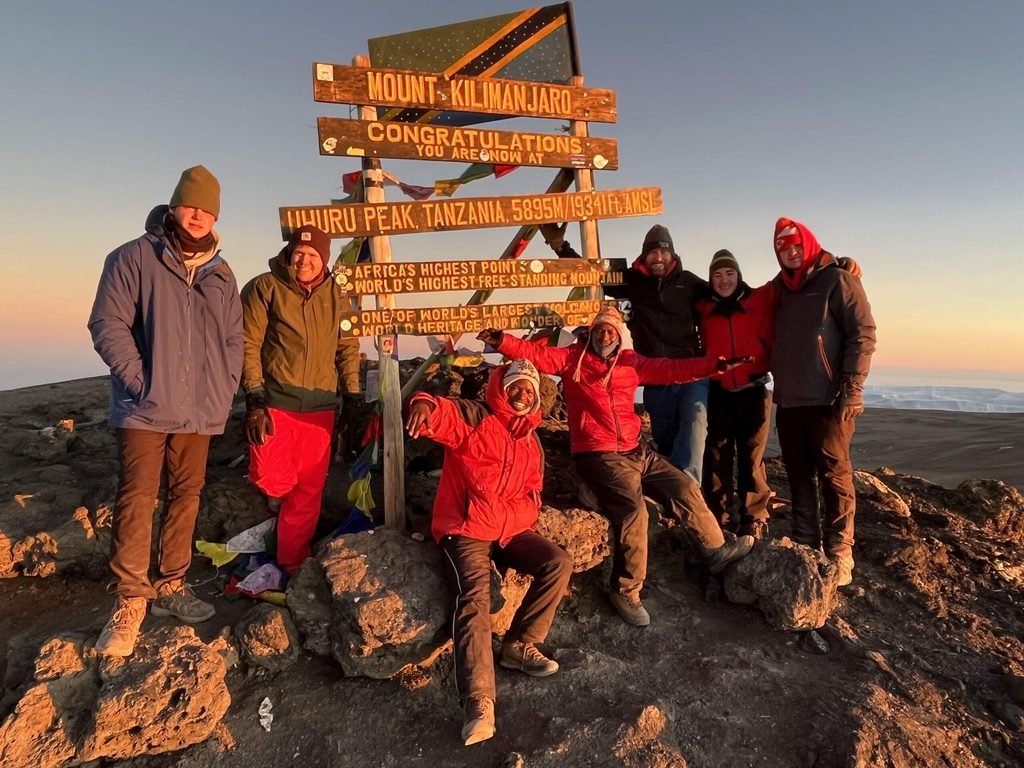
For climbers who safely reach Stella Point or Gilman’s Point and continue toward Uhuru Peak, the arrival of daylight can be an emotional moment. The darkness gradually gives way to views of the crater rim, glaciers, and the landscape below. Standing at Uhuru Peak, 5,895 metres above sea level, represents the completion of a demanding journey. Some climbers celebrate loudly, while others remain quiet as they take in what they have achieved.
The summit is not the end of the expedition, however. Climbers must still descend safely, often while feeling exhausted from the night’s effort. This is why experienced mountain operators emphasise that a successful Kilimanjaro expedition includes returning safely, not simply reaching the highest point. Travellers can learn more about summit conditions and preparation through Kilimanjaro Climb Specialist’s summit preparation guide.
Story Four: The Friendship Between Climbers from Different Countries
One of the most rewarding aspects of climbing Kilimanjaro is meeting people who would probably never cross paths in their everyday lives. A trekking group may include travellers from Europe, North America, Asia, Australia, and different African countries, each bringing their own experiences and expectations. Although their backgrounds may be different, they share the same daily routine of walking, eating, resting, and preparing for the following day’s journey.
Friendships often develop naturally during the climb. Travellers encourage one another when the trail becomes difficult, exchange stories during meals, and share the excitement of reaching new camps. Someone who begins the expedition as a stranger may become an important source of encouragement during summit night. These relationships are particularly meaningful because they develop in an environment where everyone faces similar challenges and depends on the cooperation of the group.
The mountain also encourages people to appreciate different perspectives. Conversations around camp may involve family life, employment, travel experiences, cultural traditions, and personal reasons for climbing. The shared experience creates opportunities for understanding that are sometimes difficult to achieve during ordinary holidays. Many travellers leave Kilimanjaro with memories not only of the scenery but also of the people who helped make the expedition enjoyable.
For solo travellers, joining a suitable group climb can provide companionship while reducing the feeling of travelling alone. However, group size, walking pace, available support, and individual preferences should be considered when selecting an expedition. A well-organised group allows participants to enjoy the social experience while ensuring that safety decisions remain based on each climber’s condition rather than pressure to keep up with others.
Story Five: The Mountain Guide Who Helps Others Achieve Their Dreams
Behind every well-organised Kilimanjaro expedition is a team of Tanzanian mountain professionals whose work deserves recognition. Guides, assistant guides, cooks, and porters perform demanding tasks throughout the journey, often under difficult weather and altitude conditions. Their responsibilities include organising daily movements, transporting camping supplies, preparing meals, establishing camps, and helping climbers remain safe and comfortable.
Mountain guides develop their knowledge through training and experience. They learn to recognise changes in weather, understand the demands of different routes, manage group movement, and respond to problems that may arise during the climb. Their ability to communicate clearly and remain calm during difficult situations can make a significant difference to the quality of an expedition.
Porters also play an essential role. While climbers generally carry personal daypacks, porters transport much of the equipment needed to support the expedition. This may include tents, cooking equipment, food, and other supplies. Their work allows visitors to concentrate on trekking while ensuring that camps are properly established. Responsible tour operators should provide suitable working conditions, appropriate equipment, fair treatment, and respect for porter welfare.
The relationships between visitors and mountain crews often become one of the most memorable parts of the climb. A guide who patiently encourages a tired climber, a cook who prepares a warm meal after a cold day, or a porter who welcomes the group at camp contributes to the overall experience. Recognising these contributions helps travellers understand that reaching Kilimanjaro’s summit is rarely an individual accomplishment. It is usually the result of careful planning, professional support, and cooperation among many people.
Story Six: Learning That Turning Back Can Also Be a Success
Not every Kilimanjaro climbing story ends at Uhuru Peak, and this is an important reality for anyone preparing to climb the mountain. Some travellers must stop before reaching the summit because of altitude sickness, exhaustion, injury, or other health concerns. Others may need to descend because weather conditions or the judgment of their guides make continuing unsafe. Although turning back can be disappointing, it should not automatically be considered a failure.
Imagine a climber who has prepared for months and completed most of the route but begins experiencing concerning symptoms at high altitude. The guide assesses the situation and recommends descending rather than continuing toward the summit. Initially, the climber may feel frustrated because the goal seems so close. However, returning safely allows them to recognise that the decision protected their health and that the days already completed still represent a meaningful achievement.
This experience can teach an important lesson about understanding personal limits and making responsible decisions. Determination is valuable, but it should never replace sound judgment. High-altitude illness can affect people regardless of their fitness, age, or previous hiking experience. Proper acclimatisation, careful monitoring, and willingness to descend when necessary are fundamental parts of mountain safety.
Some travellers eventually return to Kilimanjaro with additional preparation and a longer itinerary, while others decide that their first attempt provided everything they wanted from the experience. Both choices are valid. The value of a Kilimanjaro expedition should not be measured only by whether someone stands beside the summit sign, but also by the experiences gained and the decisions made along the way.

Choosing the Right Kilimanjaro Route for Your Own Story
Every Kilimanjaro route offers a different experience, and choosing the right one can strongly influence how climbers remember their journey. Some trails are known for their scenery, others for their quieter surroundings, and some for their longer schedules that provide more opportunities to acclimatise. Understanding these differences helps travellers select a route that matches their available time, fitness, trekking experience, and personal expectations.
Machame Route: A Scenic and Rewarding Challenge
The Machame Route is one of Kilimanjaro’s best-known trekking trails. It approaches the mountain from the southern side and passes through rainforest, moorland, and rocky alpine landscapes. The route includes well-known features such as the Shira Plateau, Barranco Wall, and sections offering impressive views across the mountain. Its changing scenery makes it particularly attractive to climbers who enjoy photography and varied walking conditions.
Machame is commonly completed over six or seven days, although the seven-day option generally provides a more gradual schedule for acclimatisation. Travellers should remember that the route includes demanding sections and requires good preparation. Those interested in the experience can compare route details through the Eddy Tours & Safaris Kilimanjaro route guide.
Lemosho Route: A Longer Journey Across Beautiful Landscapes
The Lemosho Route approaches Kilimanjaro from the western side and is particularly appealing to travellers who prefer a longer mountain experience. Its early stages pass through forest before reaching the open landscapes of the Shira Plateau. The route later joins sections used by other established trails and continues toward the summit through increasingly high-altitude terrain.
Lemosho is commonly organised over seven or eight days, with longer schedules offering additional time for acclimatisation. The route can be a good choice for people who want to spend more time enjoying the mountain rather than rushing through the expedition. Its varied landscapes and longer itinerary also provide opportunities for group members to develop friendships and become comfortable with the daily trekking routine.
Marangu Route: A Traditional Kilimanjaro Experience
The Marangu Route is one of the oldest established approaches to Kilimanjaro and is particularly well known for its mountain huts. Unlike camping routes, Marangu provides basic shared hut accommodation at designated camps, which may appeal to travellers who prefer not to sleep in tents. The trail passes through forest and moorland before reaching the higher sections of the mountain.
Marangu is often completed over five or six days, but the shorter itinerary provides limited time for acclimatisation and should be considered carefully. Although the route is sometimes described as easier because of its accommodation and relatively direct trail, the altitude remains a serious challenge. A longer schedule and proper preparation are important regardless of the route selected.
Rongai and Northern Circuit: Different Ways to Experience Kilimanjaro
The Rongai Route approaches Kilimanjaro from the northern side near the Kenyan border and is often selected by travellers looking for a different perspective of the mountain. It offers quieter sections and a distinctive approach compared with the more frequently used southern trails. The Northern Circuit, meanwhile, follows a longer route around the mountain and is especially attractive to travellers who want additional days for acclimatisation and opportunities to explore less frequently visited areas.
Selecting between these routes requires consideration of more than scenery. Travellers should compare the total number of trekking days, daily elevation changes, accommodation arrangements, route difficulty, and their own physical preparation. Additional information about route planning and mountain preparation is available through Kilimanjaro Climb Specialist.
Lessons That Climbers Often Bring Home from Kilimanjaro
The experience of climbing Kilimanjaro can influence people long after they leave Tanzania. Spending several days away from familiar routines, dealing with physical challenges, and depending on the support of others creates opportunities for reflection. Many of the lessons associated with mountain climbing are also relevant to personal relationships, education, professional responsibilities, and everyday decision-making.
Patience Is Often More Valuable Than Speed
Kilimanjaro teaches climbers that progress does not always need to be fast to be meaningful. Walking slowly and consistently is generally more practical than attempting to rush toward higher elevations. This principle is particularly important on a mountain where excessive exertion and poor acclimatisation can create serious difficulties. Climbers learn to concentrate on steady progress rather than comparing themselves with faster members of the group.
The same lesson can be applied to goals outside mountaineering. Whether someone is developing a business, learning a new skill, or improving their health, consistent effort often produces better results than expecting immediate success. Kilimanjaro provides a physical reminder that major achievements usually require time, preparation, and the willingness to continue through difficult stages.
Preparation Builds Confidence
Successful mountain expeditions begin long before climbers arrive at the trailhead. Regular walking, cardiovascular exercise, strength training, equipment testing, and learning about altitude-related risks all contribute to better preparation. Travellers who understand the demands of their chosen route are generally better positioned to manage the practical challenges of the climb, although preparation cannot guarantee summit success.
Preparing for Kilimanjaro also helps people develop discipline. Establishing a training routine, gradually increasing walking distances, and organising travel arrangements require commitment. These activities build confidence because climbers can see their progress before the expedition begins. A practical preparation resource is the Kilimanjaro climbing preparation guide.
Teamwork Makes Difficult Experiences Easier
Although each person must complete the physical walking themselves, Kilimanjaro climbing depends heavily on teamwork. Guides make important safety decisions, porters transport equipment, cooks prepare meals, and fellow climbers provide companionship and encouragement. The experience demonstrates that accepting help does not reduce the value of an individual achievement.
Travellers often return home with greater appreciation for the people who support them in everyday life. The mountain creates a setting where cooperation is necessary and the contributions of different people become clearly visible. This is one reason why Kilimanjaro climbing stories frequently focus as much on the mountain crew and fellow travellers as on the summit itself.
Respecting Nature and Personal Limits
Mount Kilimanjaro reminds visitors that natural environments cannot always be controlled or predicted. Weather conditions may change, temperatures can become uncomfortable, and altitude can affect people in unexpected ways. Learning to respect these conditions is an important part of responsible mountain travel.
Climbers also become more aware of the importance of protecting fragile environments. Carrying out waste, following designated trails, respecting wildlife, and supporting responsible tourism practices help protect Kilimanjaro for future generations. Visitors should remember that the mountain is not simply a recreational destination but also an important ecosystem and a source of cultural and economic value for surrounding communities.
How to Prepare for Your Own Inspiring Kilimanjaro Climbing Experience
Anyone hoping to create their own Kilimanjaro climbing story should begin with realistic expectations and a practical preparation plan. The mountain can be attempted by people with different levels of trekking experience, but physical fitness, medical suitability, route choice, and professional support are essential considerations. Preparing properly increases comfort and helps travellers understand the challenges they may encounter.
Physical training should ideally begin several months before departure, particularly for people who do not regularly walk long distances. Hiking on uneven terrain, climbing hills, improving cardiovascular fitness, and strengthening the legs can help prepare the body for repeated days of walking. Training with the boots and daypack intended for the expedition is also useful because it allows travellers to identify discomfort before arriving in Tanzania.
Equipment selection is equally important. Climbers need suitable hiking boots, warm layers, waterproof clothing, gloves, head protection, a comfortable daypack, and other items appropriate for high-altitude conditions. Temperatures can vary considerably between the forest and summit areas, so a practical layering system is usually more useful than relying on one heavy item of clothing. Travellers should also confirm which equipment is provided by their operator and which items they must bring or rent.
Altitude preparation requires particular attention because fitness alone does not prevent altitude sickness. Travellers should choose an itinerary with adequate acclimatisation time, discuss relevant medical concerns with a qualified healthcare professional, and understand the symptoms that require immediate attention. Guides should monitor the condition of their clients throughout the climb, and participants must report headaches, nausea, unusual fatigue, dizziness, or other concerning symptoms rather than hiding them to avoid delaying the group.
Selecting a responsible tour operator is another important part of preparation. Travellers should ask about guide qualifications, emergency procedures, porter welfare, equipment quality, accommodation arrangements, and the number of days included in the itinerary. A well-organised expedition provides clear information before departure and avoids making unrealistic promises about reaching the summit.
The Best Time to Climb Kilimanjaro and Experience Its Changing Landscapes
Mount Kilimanjaro can be climbed throughout the year, but seasonal weather patterns influence trail conditions, visibility, and the overall trekking experience. Many travellers prefer the relatively drier periods from January to early March and from June to October. These months often provide more favourable walking conditions, although rain, strong winds, and freezing temperatures remain possible at any time of year.
The months of April and May generally coincide with Tanzania’s long rainy season, while November often experiences shorter rains. During wetter periods, forest trails may become muddy, clouds can reduce visibility, and camping conditions may be less comfortable. However, some travellers appreciate the quieter atmosphere during less popular climbing periods and are willing to accept the possibility of more difficult weather.
The ideal climbing period depends on personal priorities. Someone who values clearer views and relatively stable conditions may prefer the main dry seasons, while another traveller may be more interested in avoiding crowded trails. Regardless of the month selected, proper clothing, experienced guides, and flexible expectations remain important because mountain weather can change quickly.
Combining a Kilimanjaro Climb with a Tanzania Wildlife Safari
For many international visitors, climbing Kilimanjaro is only one part of their journey through Tanzania. After completing several demanding days on the mountain, travellers may choose to explore the country’s wildlife destinations before returning home. This combination provides an opportunity to experience two very different aspects of Tanzania, from high-altitude mountain landscapes to national parks known for their wildlife and natural scenery.
Popular safari destinations in northern Tanzania include Serengeti National Park, Ngorongoro Conservation Area, Tarangire National Park, and Lake Manyara National Park. Each destination offers a different experience, ranging from the open plains of the Serengeti to the elephant populations and baobab landscapes of Tarangire. A safari after Kilimanjaro can provide a more relaxed travel experience, although climbers should allow suitable time to recover from the physical demands of the expedition.
Travellers can explore safari planning options through Eddy Tours & Safaris, which provides information about Tanzania wildlife experiences and travel arrangements. Combining mountain trekking with wildlife viewing can be particularly attractive to visitors who have travelled a long distance and want to experience more of Tanzania during a single holiday.
Frequently Asked Questions About Inspiring Kilimanjaro Climbing Stories
Can a Beginner Climb Mount Kilimanjaro?
Yes, beginners can attempt Mount Kilimanjaro if they are medically suitable, physically prepared, and supported by qualified mountain guides. Technical mountaineering experience is not normally required on the standard trekking routes, but the expedition involves several days of demanding walking at high altitude. Beginners should select a suitable itinerary, allow adequate time for acclimatisation, and avoid underestimating the physical challenges involved.
Why Do People Become Emotional at the Kilimanjaro Summit?
Reaching Uhuru Peak often follows months of preparation and several days of physical and mental effort. Climbers may feel relief, happiness, exhaustion, pride, or gratitude when they arrive at the summit. For people who are climbing to mark an important personal milestone, the moment can carry additional meaning. However, emotional responses vary, and some climbers are simply focused on resting briefly and beginning the descent safely.
What Is the Most Difficult Part of Climbing Kilimanjaro?
For many climbers, summit night is the most demanding stage because it combines high altitude, cold temperatures, darkness, steep terrain, and accumulated fatigue. However, difficulties vary between individuals. Some people struggle more with acclimatisation, while others find repeated days of walking or the descent particularly challenging. Careful preparation and communication with mountain guides are essential throughout the expedition.
Do All Climbers Reach the Summit of Kilimanjaro?
No, not everyone reaches Uhuru Peak. Summit outcomes depend on several factors, including altitude response, health, route duration, weather, and individual circumstances. Even experienced hikers may need to turn back because of altitude-related illness or other safety concerns. Reaching the summit should never take priority over a climber’s health, and responsible operators should make decisions based on safety rather than pressure to achieve a particular result.
What Makes Kilimanjaro Different from Other Mountain Adventures?
Kilimanjaro combines the experience of trekking to Africa’s highest summit with remarkable changes in vegetation, climate, and scenery. Climbers can travel from tropical forest to alpine desert and the cold summit environment within a relatively short expedition. The mountain also has a rich cultural and climbing history, while local Tanzanian guides and porters contribute significantly to the experience.
Can Older People Climb Mount Kilimanjaro?
Many older adults attempt Kilimanjaro, but suitability depends on individual health, fitness, medical history, and preparation rather than age alone. Anyone considering a high-altitude expedition should seek appropriate medical advice, especially if they have existing health concerns. Choosing a longer route, preparing physically, and travelling with an experienced mountain team can help make the expedition more manageable.
How Can I Create My Own Kilimanjaro Climbing Story?
Start by researching the mountain, comparing established routes, and selecting an itinerary that matches your available time and experience. Build your fitness gradually, organise suitable trekking equipment, and learn about high-altitude safety. Working with a responsible Tanzanian tour operator can help you understand the practical arrangements and prepare for the journey. Most importantly, approach the mountain with realistic expectations and a willingness to appreciate the entire experience rather than focusing only on the summit.
Begin Your Own Kilimanjaro Climbing Journey with Eddy Tours & Safaris
Every person who climbs Mount Kilimanjaro brings a different story to the mountain. Some arrive hoping to overcome personal doubts, others want to celebrate a milestone, and many simply wish to experience the remarkable landscapes of northern Tanzania. Although their motivations differ, they share the opportunity to learn about determination, patience, teamwork, and respect for nature.
The most meaningful Kilimanjaro stories are not always about reaching the summit. They are also about the friendships formed along the trail, the encouragement offered by mountain guides, the lessons learned during difficult moments, and the satisfaction of attempting something that once seemed beyond reach. Even when the journey does not go exactly as planned, the experience can provide memories and perspectives that remain valuable long after the expedition ends.
At Eddy Tours & Safaris, we welcome travellers who want to explore Mount Kilimanjaro and discover the beauty of Tanzania. Whether you are considering your first mountain trek, planning a personal celebration, or looking for a climbing experience to combine with a wildlife safari, careful preparation and the right support can help you make the most of your journey.
Your Kilimanjaro story begins with a decision to explore what is possible. Research your options, prepare carefully, respect the mountain, and give yourself the opportunity to experience one of Africa’s most remarkable natural destinations.
For Kilimanjaro climbing enquiries and Tanzania travel planning, visit Eddy Tours & Safaris or contact sales@eddytours-safaris.com