
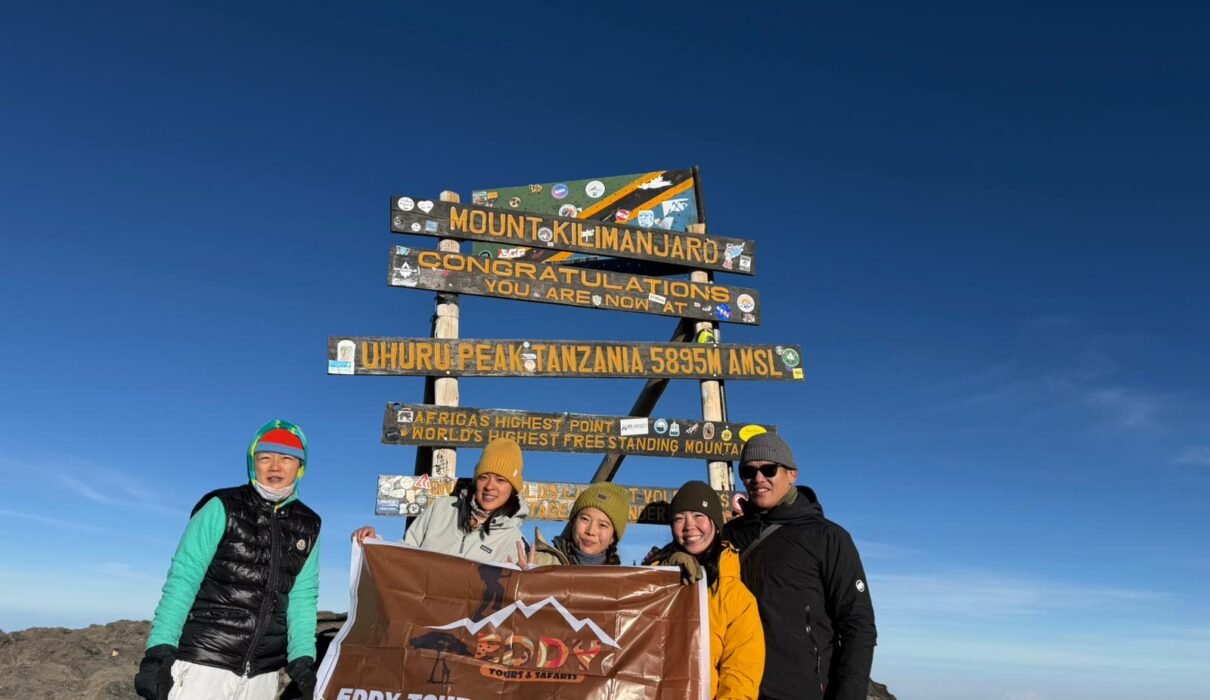
Key Facts You Should Know About Mount Kilimanjaro are essential for anyone dreaming of standing beneath Africa’s highest mountain, because this legendary peak is not only a trekking destination but also a fragile natural system shaped by volcanoes, climate, wildlife, and the lives of surrounding communities who depend on its forests and water sources.
Many travelers imagine Kilimanjaro only as a summit challenge, yet the mountain tells a much bigger story about geology, biodiversity, conservation, and human responsibility. Understanding this wider picture helps visitors travel with respect, protect sensitive environments, and enjoy a safer and more meaningful experience on the slopes.
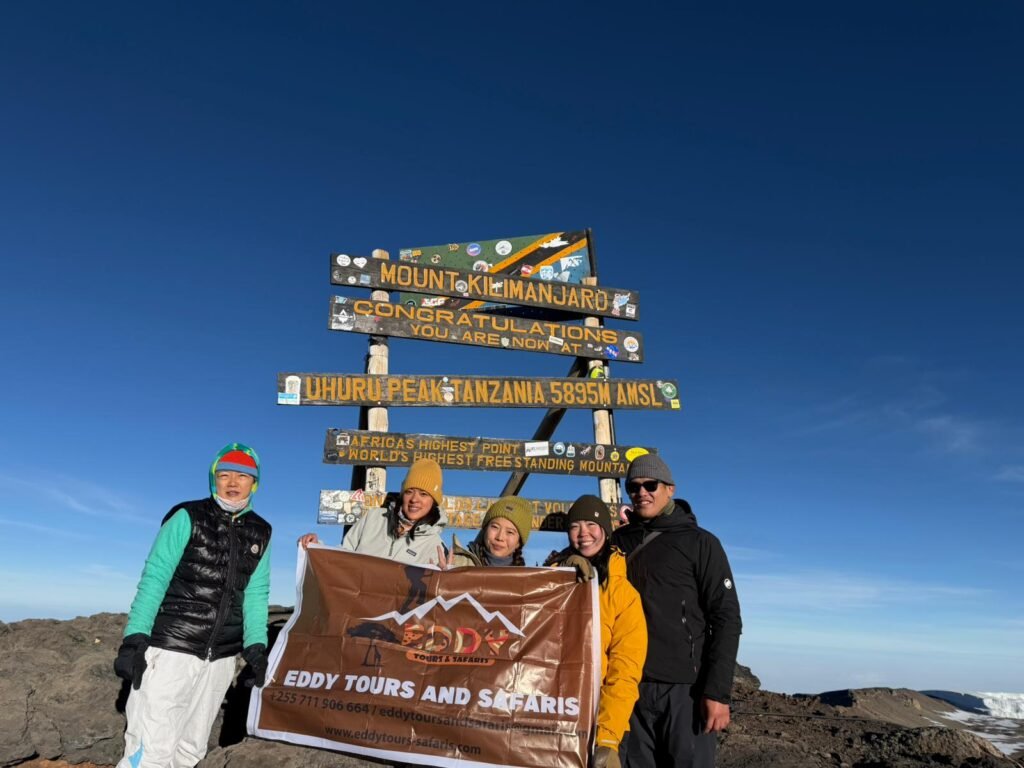
Key Facts You Should Know About Mount Kilimanjaro and its volcanic origin
One of the most important scientific realities is that Mount Kilimanjaro is not a single peak but a massive volcanic complex made up of three main volcanic cones. Geological studies published by the United States Geological Survey and detailed volcanic mapping from the Smithsonian Global Volcanism Program explain how repeated eruptions created Kibo, Mawenzi, and Shira, forming the mountain’s dramatic shape and its high-altitude landscapes.
Additional geological research supported by the British Geological Survey shows that Kilimanjaro’s structure is closely linked to the East African Rift System, making the mountain a valuable natural laboratory for scientists studying continental tectonic processes and volcanic landforms.
Key Facts You Should Know About Mount Kilimanjaro and its climate sensitivity
Another critical point is how strongly the mountain responds to changes in climate. Scientific assessments by the Intergovernmental Panel on Climate Change confirm that high-altitude ecosystems in East Africa are among the most sensitive to warming trends and rainfall variability, affecting glaciers, vegetation zones, and water availability.
Climate and ecosystem risk analysis coordinated by the Intergovernmental Science-Policy Platform on Biodiversity and Ecosystem Services further highlights how mountain environments such as Kilimanjaro face increased pressure from both climate change and human activity, making responsible tourism and strict conservation policies more important than ever.
Key Facts You Should Know About Mount Kilimanjaro and water security for communities
The forest belt of Kilimanjaro plays a vital role in protecting rivers and underground water systems that supply surrounding towns and farms. Environmental protection guidance from the United Nations Environment Programme and watershed management research by the International Union for Conservation of Nature show that mountain forests act as natural water filters and climate stabilizers.
Freshwater and catchment management strategies promoted by UN-Water and land and water research from the Food and Agriculture Organization demonstrate how protecting Kilimanjaro’s forest cover directly supports food security and livelihoods for thousands of people living on the lower slopes.
Key Facts You Should Know About Mount Kilimanjaro and biodiversity protection
The mountain supports several ecological zones, ranging from tropical forest to alpine desert, each hosting unique plant and animal species. Global biodiversity data coordinated by the Global Biodiversity Information Facility helps scientists track how species distribution changes with altitude and climate.
Forest and landscape conservation initiatives supported by World Wide Fund for Nature, ecosystem protection programs led by Conservation International, and habitat restoration strategies from The Nature Conservancy reinforce the importance of maintaining intact ecosystems around Kilimanjaro National Park.
Key Facts You Should Know About Mount Kilimanjaro and wildlife corridors
Although Kilimanjaro is famous for trekking rather than big game, its lower forests and surrounding landscapes form important movement corridors for wildlife. Landscape connectivity studies coordinated by the Wildlife Conservation Society and regional conservation planning by the African Wildlife Foundation show that maintaining forest links between protected areas helps wildlife adapt to environmental change and human expansion.
Key Facts You Should Know About Mount Kilimanjaro and protected area governance
Kilimanjaro National Park is managed under strict conservation frameworks designed to balance tourism with environmental protection. International biodiversity policy guidance provided by the Convention on Biological Diversity helps governments design protected area management systems that reduce habitat loss and improve ecosystem resilience.
Long-term ecosystem monitoring coordinated by the UN Environment Programme World Conservation Monitoring Centre supports science-based planning and ensures that changes in forest cover, biodiversity and visitor pressure are tracked accurately.
Key Facts You Should Know About Mount Kilimanjaro and altitude health risks
Altitude illness remains one of the most serious challenges for climbers. Health and travel guidance published by the World Health Organization and medical research shared through the National Center for Biotechnology Information explain how rapid ascent, dehydration and poor acclimatization increase health risks.
Emergency preparedness and field safety practices promoted by the American Red Cross reinforce the importance of trained guides, medical screening, and emergency response systems on high-altitude routes.
Key Facts You Should Know About Mount Kilimanjaro and cultural heritage
The mountain is deeply connected to the identity and traditions of local communities living on its slopes. Cultural heritage protection frameworks supported by UNESCO recognize the value of indigenous knowledge in managing natural landscapes and maintaining sustainable relationships between people and nature.
Social and community development research coordinated by the UN Department of Economic and Social Affairs highlights how community participation improves conservation outcomes and strengthens social stability around protected areas.
Key Facts You Should Know About Mount Kilimanjaro and local livelihoods
Tourism plays a major role in supporting employment for guides, porters, cooks and transport providers. Economic impact studies published by the World Bank and labour protection standards promoted by the International Labour Organization show how fair working conditions and responsible tourism improve long-term community wellbeing.
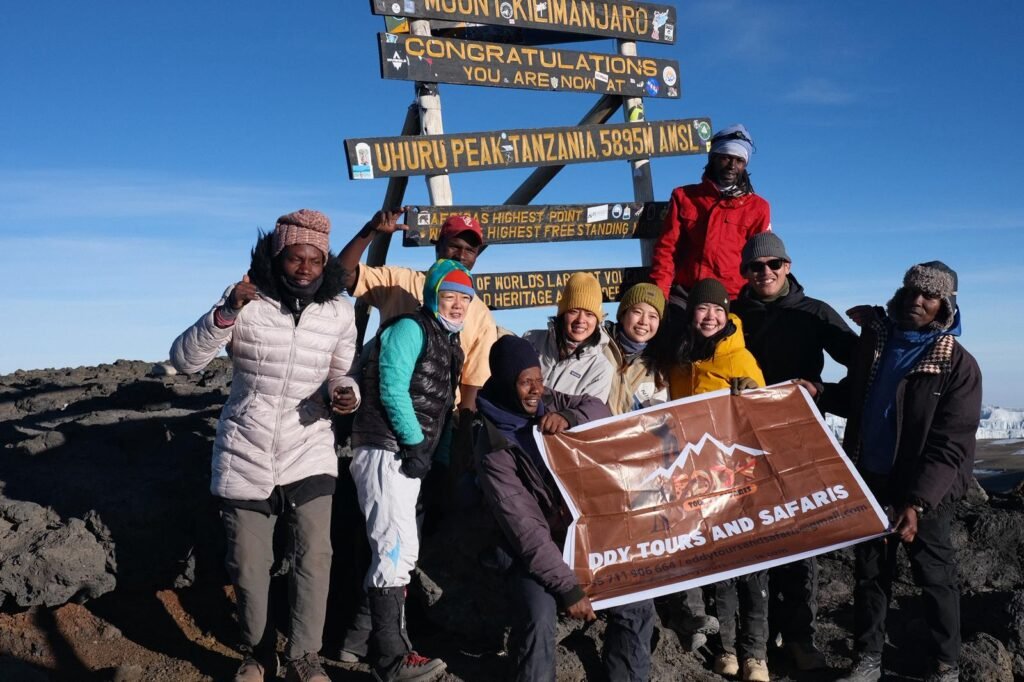
Visitors who plan their climbs through Eddy Tours and Safaris directly support local employment and training while contributing to conservation education initiatives on the mountain.
Key Facts You Should Know About Mount Kilimanjaro and responsible travel choices
Responsible travel means selecting operators that follow environmental guidelines, respect community values, and prioritize safety. Many travelers choose to explore route options and conservation-focused itineraries through professional Kilimanjaro travel services to ensure their journey supports sustainable practices.
For guests looking to combine trekking with cultural and wildlife experiences, custom Tanzania adventure programs offer opportunities to extend travel benefits to multiple communities and conservation partners.
Key Facts You Should Know About Mount Kilimanjaro and environmental research
Scientific studies published through ScienceDirect continue to expand understanding of mountain ecology, soil stability, and vegetation response to tourism pressure. Environmental coordination and policy guidance provided by UN Environment further support integrated land-use planning around mountain ecosystems.
Forest and land-use research conducted by the Center for International Forestry Research strengthens strategies that protect Kilimanjaro’s forests while supporting sustainable agriculture in surrounding areas.
Key Facts You Should Know About Mount Kilimanjaro before you book your climb
Understanding the science, conservation challenges and community realities behind the mountain transforms a climb into something more meaningful than a physical achievement. Travelers who organize their journeys through trusted local trekking specialists gain access to professional guiding, safety systems and community-supported services that help protect the mountain for future generations.
In simple words, Key Facts You Should Know About Mount Kilimanjaro show that this iconic mountain is not only a summit to reach, but a living ecosystem, a cultural landmark and a shared responsibility. Choosing to climb with care, respect and knowledge helps ensure that Kilimanjaro remains strong, healthy and inspiring for everyone who follows.