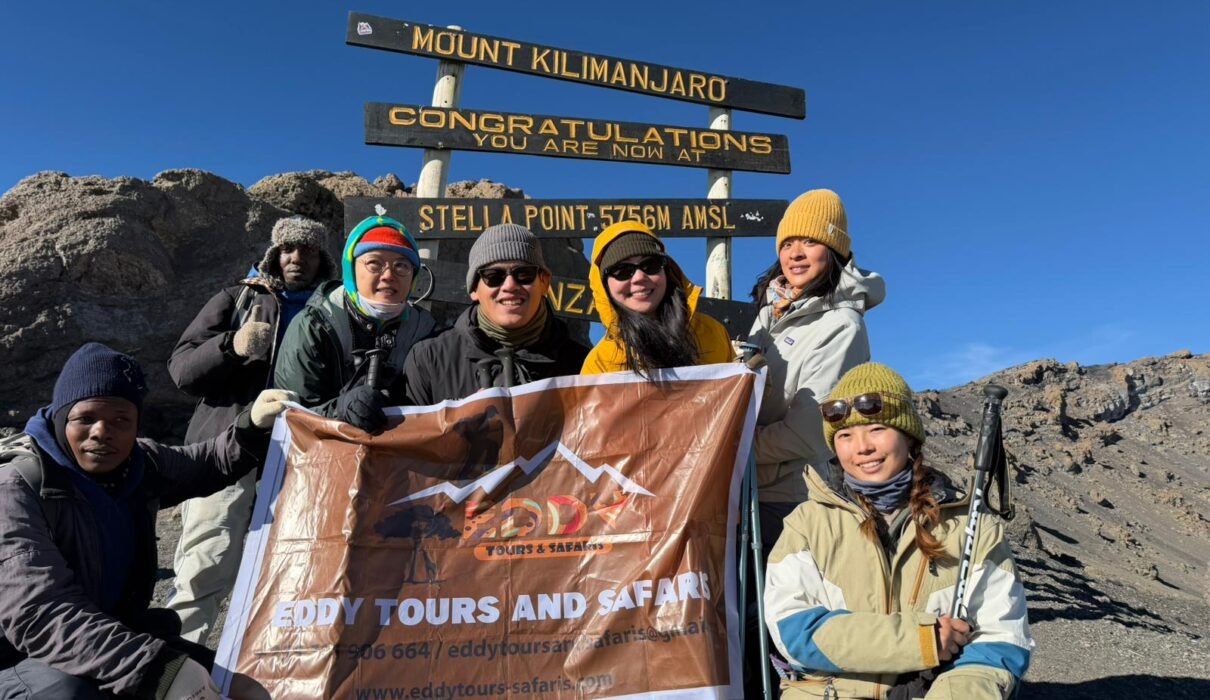
Kilimanjaro Climb Price Breakdown – 8 Hidden Fees Explained is the guide every serious trekker needs before booking a summit adventure. Many climbers focus only on the advertised package price, but the real cost of climbing Africa’s highest peak often includes extra charges that are rarely discussed openly. Understanding these details can protect your budget, prevent surprises, and help you choose a trustworthy operator with confidence.
Climbing Mount Kilimanjaro is a life-changing experience, but it also requires careful financial planning. Reputable conservation bodies such as IUCN, World Wildlife Fund, and research platforms like National Geographic frequently highlight the importance of sustainable tourism and responsible travel spending. When you understand where your money goes, you also support ethical guiding standards and environmental protection.
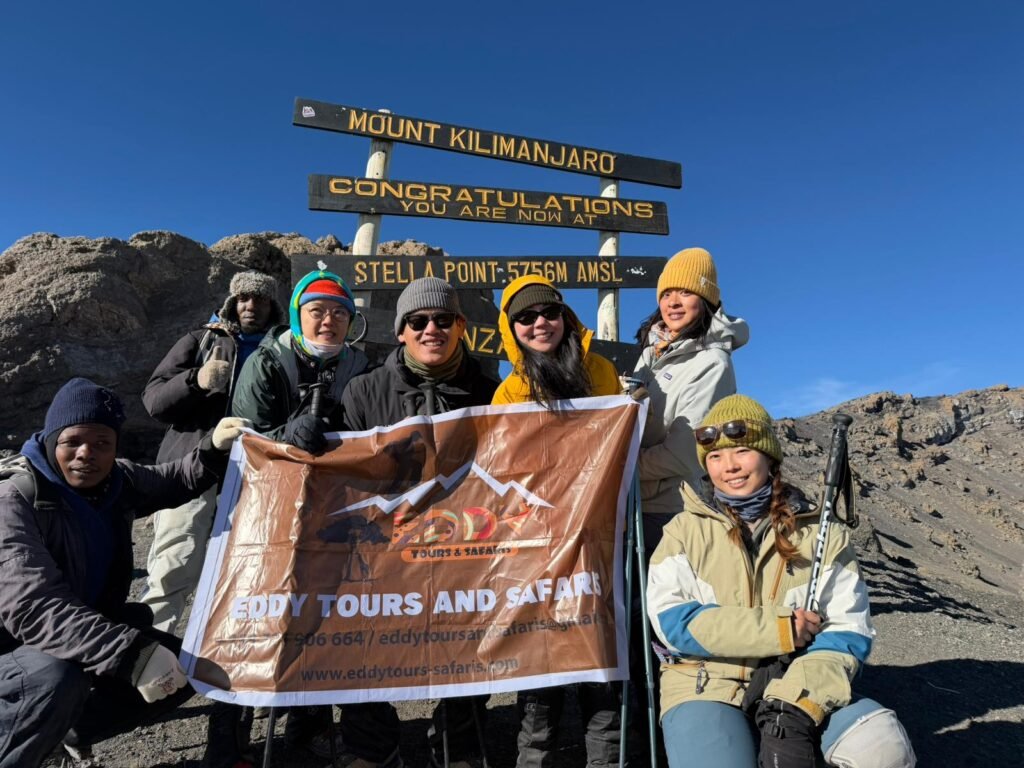
Understanding the Kilimanjaro Climb Price Breakdown – 8 Hidden Fees Explained
The true Kilimanjaro Climb Price Breakdown – 8 Hidden Fees Explained goes beyond the base package cost shown on most tour websites. While many companies promote attractive prices, climbers often discover additional expenses during planning or even upon arrival in Tanzania. These hidden fees can significantly increase your total investment if you are not prepared.
Government park fees regulated by Tanzania National Parks form a large portion of the cost. Environmental regulations supported by organizations like UNEP and UNESCO ensure the mountain remains protected. However, not every quote clearly separates conservation fees, camping fees, rescue fees, and guide wages.
Why Kilimanjaro Climb Price Breakdown – 8 Hidden Fees Explained Matters for Smart Trekkers
Ignoring the Kilimanjaro Climb Price Breakdown – 8 Hidden Fees Explained can lead to last-minute stress and unexpected payments. Responsible trekking organizations such as The Mountaineers, The Alpine Club, and American Alpine Club emphasize financial transparency in mountaineering. A clear cost structure protects both climbers and local staff.
If you are planning your trek through a trusted operator like Eddy Tours & Safaris, you can request a detailed quotation in advance. This ensures you know exactly what is included and what is not before committing to the climb.
Kilimanjaro Climb Price Breakdown – 8 Hidden Fees Explained in Detail
Let us now explore the real Kilimanjaro Climb Price Breakdown – 8 Hidden Fees Explained so you can prepare wisely and avoid costly misunderstandings.
1. Park Entry and Conservation Fees
Park fees are mandatory and regulated by the Tanzanian government. These fees support conservation efforts aligned with global environmental research platforms like IPCC and climate monitoring agencies such as NOAA. However, some operators bundle these charges into the total price without explaining the breakdown, making it harder to compare offers accurately.
When reviewing the Kilimanjaro Climb Price Breakdown – 8 Hidden Fees Explained, always confirm whether park entry, camping, hut fees, and rescue services are clearly itemized.
2. Crew Wages and Tipping Expectations
Fair wages for guides and porters are critical for ethical tourism. International development institutions such as World Bank and conservation groups like African Parks stress responsible community support. While many packages include staff salaries, tips are usually not included and can add a significant amount to your budget.
A transparent Kilimanjaro Climb Price Breakdown – 8 Hidden Fees Explained will clarify suggested tipping ranges so you can plan respectfully.
3. Equipment Rental Costs
Climbers who do not own technical gear often rent items such as sleeping bags, insulated jackets, or trekking poles. Mountaineering references like Britannica and research libraries such as ResearchGate emphasize the importance of proper gear for high-altitude safety. Rental fees may not appear in your initial quote.
Companies like Kilimanjaro Climb Specialist often provide equipment guidance, but you must confirm rental pricing separately.
4. Travel Insurance and Medical Coverage
High-altitude trekking requires comprehensive insurance. Health authorities such as World Health Organization and CDC advise proper medical preparation before mountain travel. Insurance is rarely included in climb packages, yet it is essential.
The Kilimanjaro Climb Price Breakdown – 8 Hidden Fees Explained should always account for evacuation coverage and emergency response services.
5. International Flights and Visa Fees
Your trekking package typically starts in Tanzania, not from your home country. Flights, visa costs, and airport transfers may be separate expenses. You can research flight comparisons through Google or academic travel data platforms like Google Scholar to understand travel patterns and pricing trends.
When analyzing the Kilimanjaro Climb Price Breakdown – 8 Hidden Fees Explained, include all travel-related expenses for a realistic total.
6. Accommodation Before and After the Trek
Most climbs require at least one hotel night before and after the trek. Some companies include this, while others charge separately. Booking through a reliable operator such as Eddy Tours & Safaris can help ensure clarity regarding lodging arrangements.
This portion of the Kilimanjaro Climb Price Breakdown – 8 Hidden Fees Explained often surprises climbers who assumed accommodation was standard.
7. Route Variations and Extra Days
Longer routes improve summit success but increase park fees and staff wages. Environmental research supported by Conservation International and sustainable land management initiatives from FAO show that slower ascents are safer and environmentally responsible.
Each additional day changes the Kilimanjaro Climb Price Breakdown – 8 Hidden Fees Explained, so compare route durations carefully before booking.
8. Currency Exchange and Payment Charges
International payments sometimes include bank transfer fees or currency conversion costs. Charitable funding platforms like GlobalGiving highlight how small transaction fees can accumulate significantly over time. The same applies to trekking payments.
A complete Kilimanjaro Climb Price Breakdown – 8 Hidden Fees Explained will include clarity about payment methods and possible surcharges.
Choosing a Transparent Operator
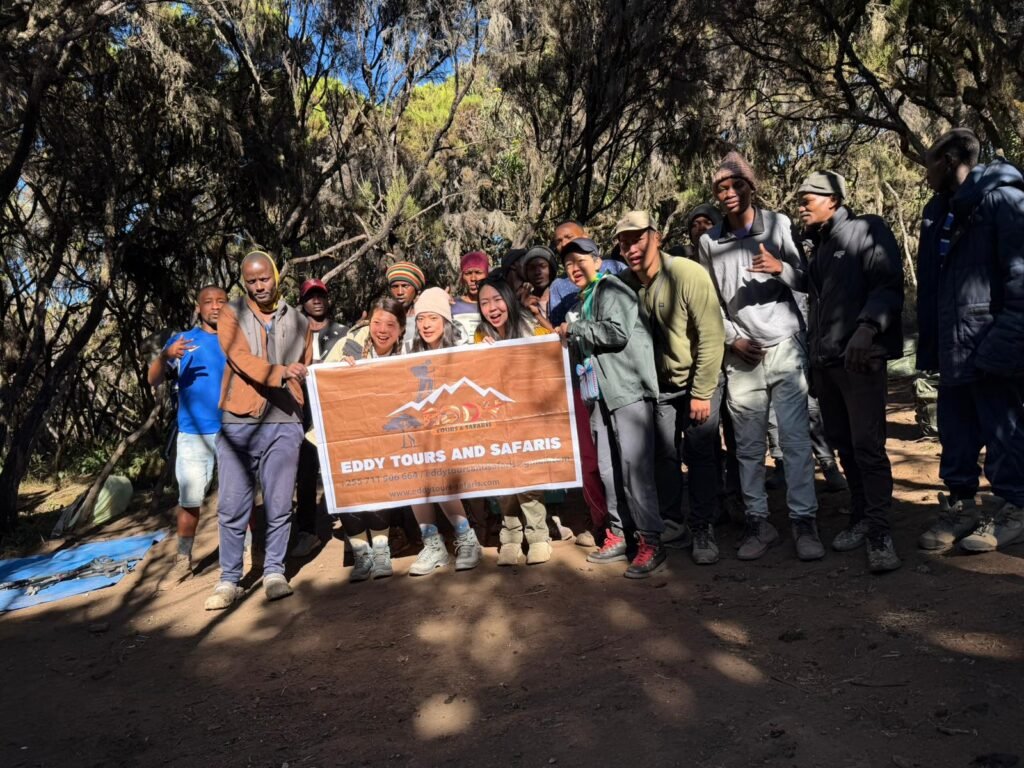
Booking with a reputable company reduces financial uncertainty. When you review the Kilimanjaro Climb Price Breakdown – 8 Hidden Fees Explained, ask for a written cost summary. A reliable provider like Eddy Tours & Safaris will gladly explain every detail and provide structured itineraries, safety procedures, and clear inclusions.
Transparency builds trust. That is why reviewing independent environmental and mountaineering standards from institutions like National Park Service and National Geographic Society can help you understand how protected mountain regions operate globally.
How to Budget Smartly for Your Climb
A practical approach to the Kilimanjaro Climb Price Breakdown – 8 Hidden Fees Explained involves creating a full budget spreadsheet before confirming your reservation. Include flights, park fees, tips, equipment rental, travel insurance, accommodation, and emergency funds. Always allow a financial buffer for unexpected changes.
Planning ahead not only protects your wallet but also enhances your peace of mind. When your budget is secure, you can focus entirely on the breathtaking glaciers, diverse ecosystems, and personal achievement that come with standing on the Roof of Africa.
If you need tailored guidance, explore detailed trekking options at Eddy Tours & Safaris, where transparency and climber safety are top priorities.