
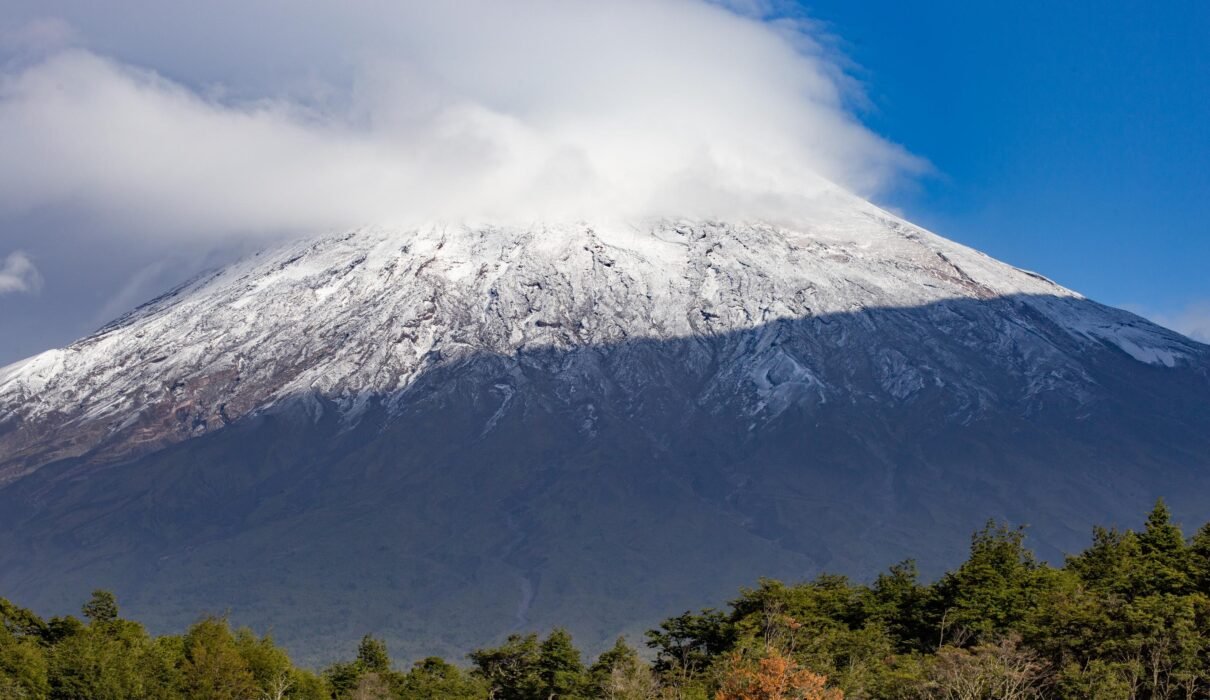
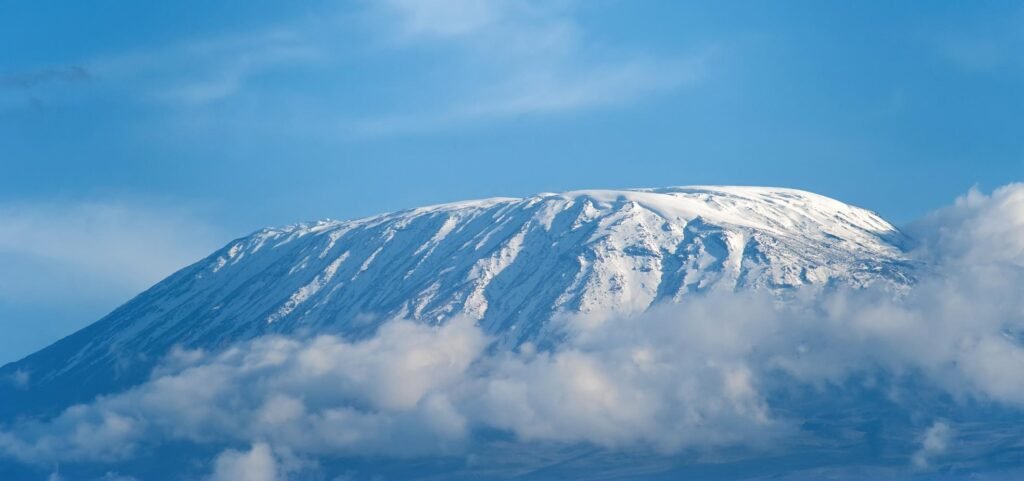
Kilimanjaro Climbing Routes and Costs In 2026,2027&2028;is the highest mountain in Africa and one of the world’s most famous trekking destinations. Every year, thousands of adventurers travel to Tanzania to experience the journey from lush rainforest to the snow-covered summit of Uhuru Peak.
If you’re planning to climb Kilimanjaro in 2026, 2027, or 2028, one of the biggest questions you’ll have is:
- Which Kilimanjaro route is best?
- How much does it cost to climb Kilimanjaro?
- Which route offers the highest summit success rate?
This guide answers all of these questions while helping you choose the route that matches your fitness level, budget, and adventure goals.
How Much Does It Cost to:Kilimanjaro Climbing Routes and Costs In 2026,2027&2028?
For most climbers, the average cost ranges between US$1,900 and US$4,500 per person, depending on the route, number of trekking days, group size, and service level. Luxury expeditions may exceed US$5,000, while extremely cheap offers should be approached with caution because they may compromise safety or fair porter wages.
Typical climbing packages include:
- National park fees
- Licensed mountain guides
- Porters and cooks
- Camping equipment or hut accommodation
- Meals during the trek
- Drinking water
- Rescue fees
- Airport transfers
- Hotel accommodation before and after the climb
Usually not included:
- International flights
- Tanzania visa
- Travel insurance
- Personal hiking equipment
- Crew tips
- Personal expenses
Kilimanjaro Climbing Routes and Costs In 2026,2027&2028: Comparison
| Route | Days | Difficulty | Success Rate | Average Cost (USD) |
|---|---|---|---|---|
| Marangu | 5–6 | Moderate | 60–75% | $1,900–$2,600 |
| Machame | 6–7 | Moderate to Challenging | 80–90% | $2,000–$3,200 |
| Lemosho | 7–8 | Moderate | 90–95% | $2,300–$3,600 |
| Rongai | 6–7 | Moderate | 80–88% | $2,000–$3,100 |
| Northern Circuit | 8–9 | Moderate | 90–97% | $2,900–$4,500 |
| Umbwe | 6–7 | Difficult | 60–70% | $2,000–$3,000 |
1. Machame Route
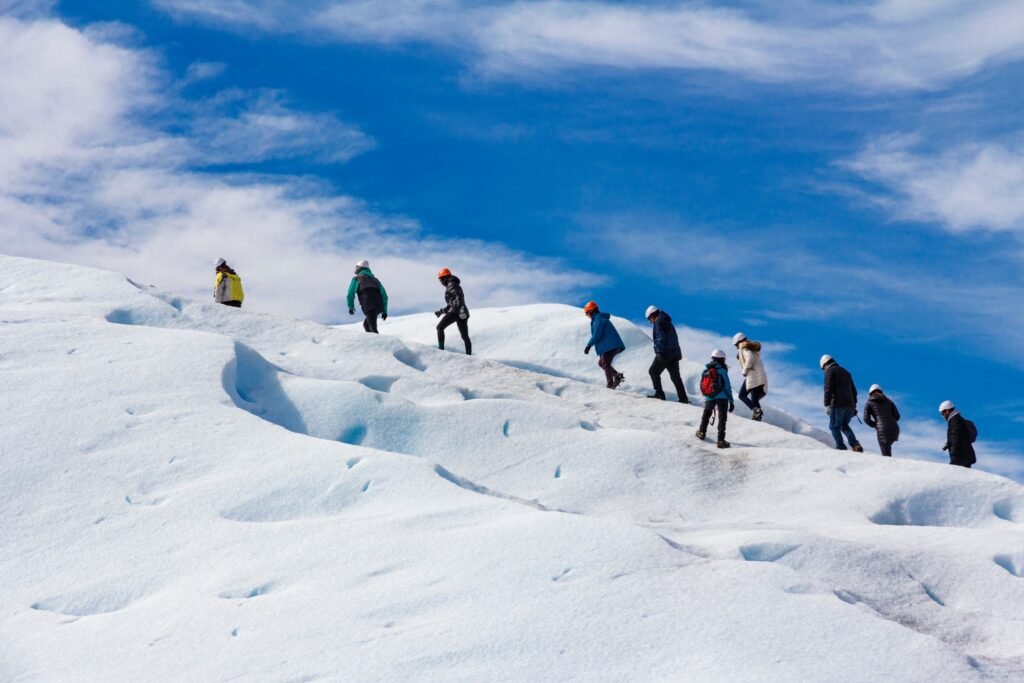
Often called the “Whiskey Route,” Machame is the most popular route on Kilimanjaro.
It combines spectacular scenery with an excellent acclimatization profile, making it one of the best choices for first-time climbers who have a reasonable level of fitness.
Highlights
- Beautiful rainforest
- Shira Plateau
- Lava Tower
- Barranco Wall
- Southern glaciers
Duration
6–7 days
Summit Success
Approximately 80–90% on the 7-day itinerary.
Cost
US$2,000–US$3,200
Best for:
- First-time climbers
- Adventure seekers
- Photographers
2. Lemosho Route
The Lemosho Route is widely regarded as the most scenic route on Kilimanjaro.
Beginning on the mountain’s western side, it crosses untouched rainforest before joining the Machame Route. The additional days allow for excellent acclimatization, resulting in one of the highest summit success rates.
Highlights
- Remote wilderness
- Wildlife opportunities
- Shira Plateau
- Excellent acclimatization
- Fewer crowds during the first few days
Duration
7–8 days
Summit Success
Up to 95% with an 8-day itinerary.
Cost
US$2,300–US$3,600
Best for:
- Beginners
- Nature lovers
- Climbers wanting the highest chance of reaching Uhuru Peak
3. Marangu Route
Known as the “Coca-Cola Route,” Marangu is unique because it uses mountain huts instead of tents.
Although it is physically less demanding, its shorter itinerary gives climbers less time to acclimatize, which reduces summit success compared with longer routes.
Highlights
- Comfortable huts
- Gradual trail
- Lower equipment requirements
Duration
5–6 days
Summit Success
Approximately 60–75%
Cost
US$1,
Best for:
- Climbers who prefer sleeping in huts
- Budget-conscious travelers
4. Rongai Route
The Rongai Route approaches Kilimanjaro from the northern side near the Kenyan border.
Because this side receives less rainfall, it is an excellent option during wetter months.
Highlights
- Quiet trails
- Dry conditions
- Beautiful northern views
- Wildlife sightings
Duration
6–7 days
Summit Success
Around 80–88%
Cost
US$2,000–US$3,100
Best for:
- Climbers visiting during the rainy season
- Those seeking fewer crowds
5. Northern Circuit Route
If reaching the summit is your highest priority, the Northern Circuit is the gold standard.
It is the longest route on Kilimanjaro, providing the most gradual acclimatization and the highest overall summit success.
Highlights
- Full circuit around the mountain
- Spectacular panoramic views
- Very few crowds
- Outstanding acclimatization
Duration
8–9 days
Summit Success
90–97%
Cost
US$2,900–US$4,500
Best for:
- Serious trekkers
- Photographers
- Anyone wanting the greatest chance of success
6. Umbwe Route
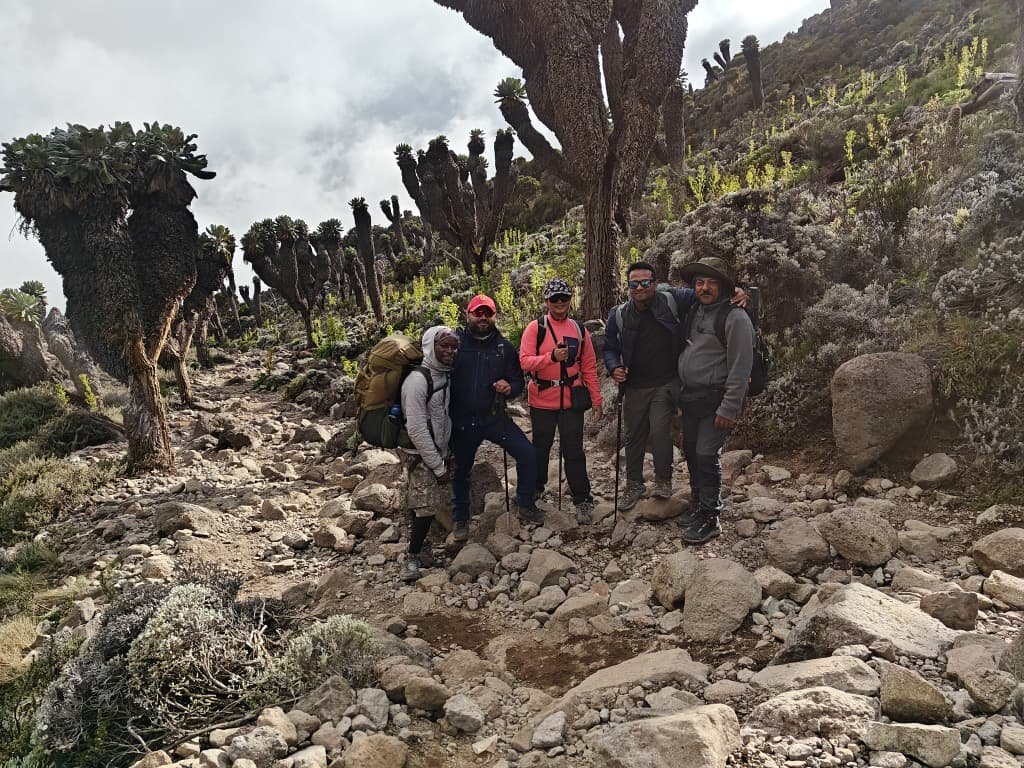
Umbwe is Kilimanjaro’s steepest and most challenging route.
It offers incredible scenery but very little time for acclimatization, making it suitable only for experienced hikers.
Highlights
- Steep ascent
- Remote experience
- Dramatic ridges
Duration
6–7 days
Summit Success
Approximately 60–70%
Cost
US$2,000–US$3,000
Best for:
- Experienced mountain hikers
- Climbers seeking a physical challenge
Best Time to :Kilimanjaro Climbing Routes and Costs In 2026,2027&2028
The mountain can be climbed throughout the year, but the best weather is generally found during:
- January to March – Cooler temperatures with fewer climbers.
- June to October – Dry weather, clear skies, and peak climbing season.
April, May, and November are wetter months, though some routes, such as Rongai, remain good options.
Factors That Affect Kilimanjaro Climbing Costs
Several factors influence the final price of your expedition:
- Route selection
- Number of trekking days
- Group or private climb
- Hotel category
- Equipment quality
- Guide experience
- Included transfers
- Park fees
- Porter welfare standards
Longer routes cost more because they involve additional park fees, crew wages, food, and logistics, but they also offer significantly higher summit success rates.
Tips for Saving Money
If you’re planning a Kilimanjaro climb in 2026, 2027, or 2028, you can reduce costs by:
- Joining a scheduled group departure.
- Booking several months in advance.
- Renting equipment in Tanzania instead of purchasing new gear.
- Choosing a reputable local operator with transparent pricing.
- Avoiding unrealistically cheap packages that may compromise safety or porter welfare.
Which Kilimanjaro Route Is Best?
There is no single “best” route for everyone, but these recommendations work well for different goals:
- Best Overall: Lemosho Route
- Best Value: Machame Route
- Highest Summit Success: Northern Circuit
- Best Hut Experience: Marangu Route
- Best During Rainy Season: Rongai Route
- Best Challenge: Umbwe Route
Final Thoughts
Climbing Mount Kilimanjaro is more than reaching Africa’s highest summit it’s a journey through five unique climate zones, unforgettable landscapes, and a personal test of determination.
Whether you choose the scenic Lemosho Route, the popular Machame Route, or the high-success Northern Circuit, selecting a reputable operator and allowing enough days for acclimatization will greatly improve your experience.
For climbers planning their adventure in 2026, 2027, or 2028, expect to budget between US$1,900 and US$4,500 for a quality expedition. While longer routes cost more, they offer better acclimatization, increased safety, and a much higher chance of standing on Uhuru Peak and watching the sunrise above Africa.is the highest mountain in Africa and one of the world’s most famous trekking destinations. Every year, thousands of adventurers travel to Tanzania to experience the journey from lush rainforest to the snow-covered summit of Uhuru Peak.
If you’re planning to climb Kilimanjaro in 2026, 2027, or 2028, one of the biggest questions you’ll have is:
- Which Kilimanjaro route is best?
- How much does it cost to climb Kilimanjaro?
- Which route offers the highest summit success rate?
This guide answers all of these questions while helping you choose the route that matches your fitness level, budget, and adventure goals.
How Much Does It Cost to Climb Kilimanjaro in 2026–2028?
For most climbers, the average cost ranges between US$1,900 and US$4,500 per person, depending on the route, number of trekking days, group size, and service level. Luxury expeditions may exceed US$5,000, while extremely cheap offers should be approached with caution because they may compromise safety or fair porter wages.
Typical climbing packages include:
- National park fees
- Licensed mountain guides
- Porters and cooks
- Camping equipment or hut accommodation
- Meals during the trek
- Drinking water
- Rescue fees
- Airport transfers
- Hotel accommodation before and after the climb
Usually not included:
- International flights
- Tanzania visa
- Travel insurance
- Personal hiking equipment
- Crew tips
- Personal expenses
Kilimanjaro Route Comparison
| Route | Days | Difficulty | Success Rate | Average Cost (USD) |
|---|---|---|---|---|
| Marangu | 5–6 | Moderate | 60–75% | $1,900–$2,600 |
| Machame | 6–7 | Moderate to Challenging | 80–90% | $2,000–$3,200 |
| Lemosho | 7–8 | Moderate | 90–95% | $2,300–$3,600 |
| Rongai | 6–7 | Moderate | 80–88% | $2,000–$3,100 |
| Northern Circuit | 8–9 | Moderate | 90–97% | $2,900–$4,500 |
| Umbwe | 6–7 | Difficult | 60–70% | $2,000–$3,000 |
1. Machame Route
Often called the “Whiskey Route,” Machame is the most popular route on Kilimanjaro.
It combines spectacular scenery with an excellent acclimatization profile, making it one of the best choices for first-time climbers who have a reasonable level of fitness.
Highlights
- Beautiful rainforest
- Shira Plateau
- Lava Tower
- Barranco Wall
- Southern glaciers
Duration
6–7 days
Summit Success
Approximately 80–90% on the 7-day itinerary.
Cost
US$2,000–US$3,200
Best for:
- First-time climbers
- Adventure seekers
- Photographers
2. Lemosho Route
The Lemosho Route is widely regarded as the most scenic route on Kilimanjaro.
Beginning on the mountain’s western side, it crosses untouched rainforest before joining the Machame Route. The additional days allow for excellent acclimatization, resulting in one of the highest summit success rates.
Highlights
- Remote wilderness
- Wildlife opportunities
- Shira Plateau
- Excellent acclimatization
- Fewer crowds during the first few days
Duration
7–8 days
Summit Success
Up to 95% with an 8-day itinerary.
Cost
US$2,300–US$3,600
Best for:
- Beginners
- Nature lovers
- Climbers wanting the highest chance of reaching Uhuru Peak
3. Marangu Route
Known as the “Coca-Cola Route,” Marangu is unique because it uses mountain huts instead of tents.
Although it is physically less demanding, its shorter itinerary gives climbers less time to acclimatize, which reduces summit success compared with longer routes.
Highlights
- Comfortable huts
- Gradual trail
- Lower equipment requirements
Duration
5–6 days
Summit Success
Approximately 60–75%
Cost
US$1,
Best for:
- Climbers who prefer sleeping in huts
- Budget-conscious travelers
4. Rongai Route
The Rongai Route approaches Kilimanjaro from the northern side near the Kenyan border.
Because this side receives less rainfall, it is an excellent option during wetter months.
Highlights
- Quiet trails
- Dry conditions
- Beautiful northern views
- Wildlife sightings
Duration
6–7 days
Summit Success
Around 80–88%
Cost
US$2,000–US$3,100
Best for:
- Climbers visiting during the rainy season
- Those seeking fewer crowds
5. Northern Circuit Route
If reaching the summit is your highest priority, the Northern Circuit is the gold standard.
It is the longest route on Kilimanjaro, providing the most gradual acclimatization and the highest overall summit success.
Highlights
- Full circuit around the mountain
- Spectacular panoramic views
- Very few crowds
- Outstanding acclimatization
Duration
8–9 days
Summit Success
90–97%
Cost
US$2,900–US$4,500
Best for:
- Serious trekkers
- Photographers
- Anyone wanting the greatest chance of success
6. Umbwe Route
Umbwe is Kilimanjaro’s steepest and most challenging route.
It offers incredible scenery but very little time for acclimatization, making it suitable only for experienced hikers.
Highlights
- Steep ascent
- Remote experience
- Dramatic ridges
Duration
6–7 days
Summit Success
Approximately 60–70%
Cost
US$2,000–US$3,000
Best for:
- Experienced mountain hikers
- Climbers seeking a physical challenge
Best Time to Climb Kilimanjaro
The mountain can be climbed throughout the year, but the best weather is generally found during:
- January to March – Cooler temperatures with fewer climbers.
- June to October – Dry weather, clear skies, and peak climbing season.
Factors That Affect Kilimanjaro Climbing Costs
Several factors influence the final price of your expedition:
- Route selection
- Number of trekking days
- Group or private climb
- Hotel category
- Equipment quality
- Guide experience
- Included transfers
- Park fees
- Porter welfare standards
Longer routes cost more because they involve additional park fees, crew wages, food, and logistics, but they also offer significantly higher summit success rates.
Tips for Saving Money
If you’re planning a Kilimanjaro climb in 2026, 2027, or 2028, you can reduce costs by:
- Joining a scheduled group departure.
- Booking several months in advance.
- Renting equipment in Tanzania instead of purchasing new gear.
- Choosing a reputable local operator with transparent pricing.
- Avoiding unrealistically cheap packages that may compromise safety or porter welfare.
Which Kilimanjaro Route Is Best?
There is no single “best” route for everyone, but these recommendations work well for different goals:
- Best Overall: Lemosho Route
- Best Value: Machame Route
- Highest Summit Success: Northern Circuit
- Best Hut Experience: Marangu Route
- Best During Rainy Season: Rongai Route
- Best Challenge: Umbwe Route
Final Thoughts
Climbing Mount Kilimanjaro is more than reaching Africa’s highest summit it’s a journey through five unique climate zones, unforgettable landscapes, and a personal test of determination.
Whether you choose the scenic Lemosho Route, the popular Machame Route, or the high-success Northern Circuit, selecting a reputable operator and allowing enough days for acclimatization will greatly improve your experience.
For climbers planning their adventure in 2026, 2027, or 2028, expect to budget between US$1,900 and US$4,500 for a quality expedition. While longer routes cost more, they offer better acclimatization, increased safety, and a much higher chance of standing on Uhuru Peak and watching the sunrise above Africa.