
Mount Kilimanjaro is one of Africa’s most popular trekking destinations, attracting thousands of climbers who travel to Tanzania each year to reach the highest point on the continent. Standing at 5,895 metres above sea level, this remarkable mountain offers a challenging trekking experience through tropical rainforest, open moorland, alpine desert and the cold summit region. For travellers planning to climb in 2027 or 2028, joining an organised Kilimanjaro group expedition is a practical way to share the journey with other climbers while benefiting from the support of experienced local mountain guides and a dedicated trekking crew.
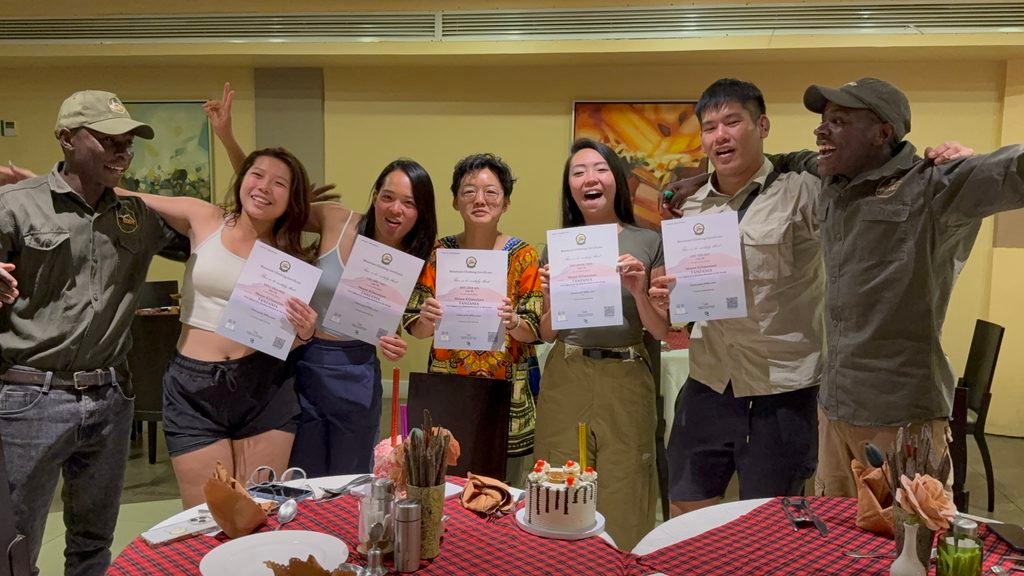
At Eddy Tours & Safaris, we organise Kilimanjaro climbing tours for solo travellers, couples, friends and organised groups visiting Tanzania. Our group climbing arrangements cover established routes including Machame, Marangu, Lemosho, Rongai and the Northern Circuit. Whether you are planning your first high-altitude trek or returning to Kilimanjaro to explore a different trail, our team can help you choose a suitable itinerary, understand the physical demands of the mountain and prepare for your expedition.
Our Kilimanjaro group climbing tours for 2027 and 2028 are designed for travellers who prefer an organised trekking programme without booking an entire private expedition. Participants share the route, departure schedule and certain mountain arrangements, while receiving support from professional guides, porters and cooks. We place particular importance on appropriate acclimatisation, reliable mountain equipment, proper meals and responsible trekking practices throughout the expedition.
Kilimanjaro Group Climbing Tours 2027–2028 Overview
- Destination: Mount Kilimanjaro National Park, Tanzania
- Highest point: Uhuru Peak, 5,895 metres
- Travel years: 2027 and 2028
- Tour type: Guided group joining expeditions
- Climbing duration: 5–10 days, depending on the selected route
- Departure locations: Moshi and Arusha, Tanzania
- Available routes: Machame, Marangu, Lemosho, Rongai and Northern Circuit
- Accommodation: Mountain camping tents or permanent huts on the Marangu Route
- Suitable participants: Solo travellers, couples, friends and organised trekking groups
- Main climbing seasons: January to March and June to October
- Departure dates: Available upon request and subject to confirmation
- Tour operator: Eddy Tours & Safaris
Climbing Mount Kilimanjaro does not normally require technical mountaineering skills on the standard trekking routes. However, reaching the summit involves considerable physical effort, long walking days, freezing temperatures and exposure to high altitude. Participants should prepare carefully and choose a climbing itinerary that provides sufficient time for their bodies to adjust to the changing elevation.

Why Join a Kilimanjaro Group Climbing Expedition in 2027 or 2028?
Joining a Kilimanjaro climbing group offers several advantages for travellers who want an organised mountain expedition without arranging a private climb. One of the main benefits is the opportunity to share certain operational costs with other participants, including transportation, cooking arrangements and mountain logistics. Depending on the number of climbers and the selected package, group expeditions can provide a more affordable alternative to private trekking programmes.
Another benefit is the opportunity to meet people from different countries who share an interest in hiking and outdoor travel. During the climb, participants spend several days walking together, resting at mountain camps and preparing for the summit attempt. The experience often creates strong friendships, particularly during challenging sections of the route where encouragement and teamwork become important.
Group expeditions also provide an organised daily routine. Mountain guides establish the walking schedule, monitor participants, coordinate meals and explain the conditions expected along the trail. Climbers are encouraged to maintain a comfortable pace rather than compete with others, especially as altitude increases. Although the group follows a shared itinerary, individual health and safety must always take priority over the group’s schedule.
For travellers planning their first Kilimanjaro expedition, joining an established group can also simplify the preparation process. Our team at Eddy Tours & Safaris can provide information about recommended clothing, trekking equipment, accommodation arrangements, airport transfers and the documents required for travel to Tanzania.
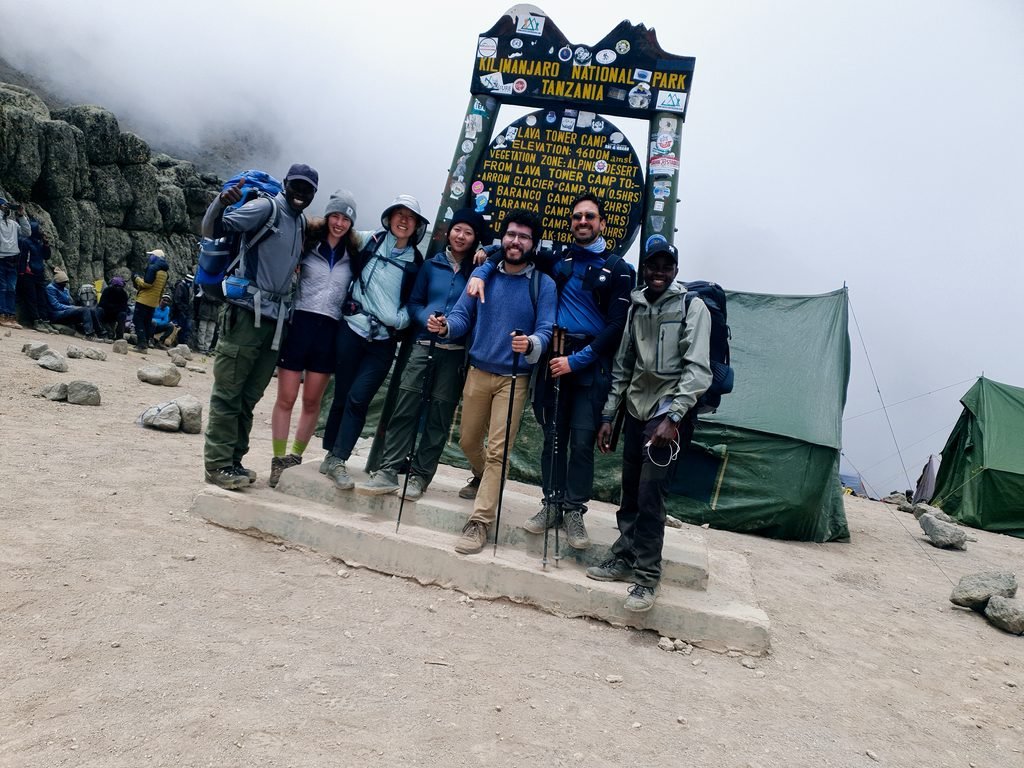
Best Kilimanjaro Climbing Routes for Group Expeditions in 2027–2028
Mount Kilimanjaro has several established trekking routes, each offering different landscapes, walking distances, accommodation arrangements and acclimatisation opportunities. Choosing the right route is one of the most important decisions when planning a group climb, particularly for travellers who have limited experience at high altitude.
1. Seven-Day Machame Route Group Climbing Expedition
The Machame Route is one of the most popular trails on Mount Kilimanjaro because of its varied scenery and established trekking itinerary. Commonly known as the Whiskey Route, Machame begins on the southern slopes of the mountain and passes through dense rainforest before reaching the open moorland, Shira Plateau, Barranco Valley and the upper alpine sections of Kibo.
Our seven-day Machame group climbing programme is suitable for physically prepared travellers who want a scenic route with an additional acclimatisation day compared with the shorter six-day itinerary. The route follows a gradual progression through several mountain camps, allowing participants to experience changing vegetation zones while preparing for the final summit attempt.
One of the most recognised features of the Machame Route is the Barranco Wall, a steep rocky section that requires careful scrambling under the guidance of the mountain team. Although it may appear intimidating from below, it is a standard part of the route and does not normally require technical climbing equipment.
The seven-day Machame Route is particularly attractive to solo travellers and small groups because of its popularity and the opportunities it provides to join other climbers. Travellers considering this option can also explore the Kilimanjaro climbing packages offered by Eddy Tours & Safaris or compare additional route information from Kilimanjaro Climb Specialist.
2. Eight-Day Lemosho Route Group Climbing Expedition
The Lemosho Route approaches Kilimanjaro from the western side and is widely appreciated for its beautiful landscapes and longer trekking schedule. The journey begins in a forested area where climbers may encounter wildlife before gradually ascending towards the Shira Plateau. From there, the route continues across open highland terrain and eventually joins the southern circuit towards Barranco, Karanga and Barafu.
An eight-day Lemosho group expedition provides additional time for acclimatisation compared with many shorter Kilimanjaro climbing programmes. This makes it an attractive choice for travellers who want to approach the summit at a more measured pace while enjoying some of the mountain’s most varied scenery.
The route includes several memorable locations, including Shira Plateau, Lava Tower and Barranco Valley. These sections allow climbers to experience different elevations and terrain before reaching the demanding final stages of the expedition. The eight-day programme is particularly suitable for travellers who can dedicate more time to the mountain and prefer a longer approach rather than rushing towards the summit.
At Eddy Tours & Safaris, we recommend considering the eight-day Lemosho Route when comparing group climbing options for 2027 and 2028, especially for travellers who are concerned about acclimatisation. Additional information about longer trekking programmes is available through Kilimanjaro Climb Specialist.
3. Six-Day Marangu Route Group Climbing Expedition
The Marangu Route is one of Kilimanjaro’s oldest and most established trekking trails. Often called the Coca-Cola Route, it approaches the mountain from the southeast and is the only standard route offering permanent mountain hut accommodation throughout the climb. This makes it an appealing option for travellers who prefer sleeping in shared huts rather than camping in tents.
The six-day Marangu itinerary begins at Marangu Gate and continues through the rainforest towards Mandara Hut. Climbers then ascend to Horombo Hut, where the additional acclimatisation day provides an opportunity to explore the surrounding highland environment before continuing towards Kibo Hut.
The final summit attempt normally begins during the night, with climbers ascending towards Gilman’s Point and continuing along the crater rim towards Uhuru Peak when conditions and individual health permit. After the summit attempt, the route descends through Horombo Hut before returning to Marangu Gate.
Although Marangu is sometimes described as an easier Kilimanjaro route, this description can be misleading. The summit remains physically demanding, and the shorter climbing schedule provides less time for acclimatisation than some longer routes. For this reason, we generally recommend the six-day programme over the five-day version for travellers choosing Marangu.
Visitors interested in this route can read our 6-Day Marangu Route Group Climbing Guide for additional information about the itinerary and mountain accommodation.
4. Seven-Day Rongai Route Group Climbing Expedition
The Rongai Route approaches Mount Kilimanjaro from the northern side, close to the Kenyan border. Compared with the busier southern approaches, Rongai often provides a quieter trekking experience through open landscapes, forest sections and high-altitude terrain with impressive views towards Mawenzi Peak.
This route is suitable for travellers who prefer a less crowded approach and want to experience a different side of Kilimanjaro. The seven-day Rongai itinerary allows more time for acclimatisation than the shorter six-day version, although the suitability of any route depends on the individual climber’s fitness, health and previous altitude experience.
The trail generally follows a gradual ascent towards the eastern side of Kibo, with the summit attempt commonly starting from Kibo Hut. The descent usually follows the Marangu Route, allowing participants to experience different mountain landscapes during the same expedition.
Rongai group departures may be less frequent than those on Machame or Marangu, so travellers should contact Eddy Tours & Safaris in advance to discuss possible dates and group arrangements for 2027 or 2028.

5. Nine-Day Northern Circuit Group Climbing Expedition
The Northern Circuit is among the longest established trekking routes on Mount Kilimanjaro and is particularly suitable for travellers who want additional time to adjust to altitude. The route begins on the western side of the mountain before continuing around the quieter northern slopes of Kibo, passing through remote landscapes that receive fewer visitors than the popular southern trails.
A nine-day Northern Circuit expedition allows participants to experience a wider range of Kilimanjaro’s mountain environment while following a gradual trekking schedule. The additional days provide valuable acclimatisation opportunities, although no route can guarantee that every climber will reach the summit.
The Northern Circuit is an attractive option for travellers who have sufficient holiday time and want a more extensive mountain expedition. Its longer duration normally results in higher operating costs because of the additional park days, food supplies and mountain crew requirements.
Travellers considering this route can contact our team to discuss suitable group arrangements or compare the Northern Circuit with our other Kilimanjaro climbing tours.
Kilimanjaro Group Climbing Route Comparison for 2027–2028
| Climbing Route | Duration | Accommodation | Main Features |
|---|---|---|---|
| Machame Route | 7 Days | Camping | Scenic trail, Barranco Wall and varied landscapes |
| Lemosho Route | 8 Days | Camping | Western approach and additional acclimatisation time |
| Marangu Route | 6 Days | Mountain huts | Established route with permanent hut accommodation |
| Rongai Route | 7 Days | Camping | Quieter northern approach and Mawenzi views |
| Northern Circuit | 9 Days | Camping | Longer itinerary and remote northern slopes |
The best Kilimanjaro climbing route depends on your available time, physical preparation, previous hiking experience and preferred accommodation arrangements. Travellers who want a popular group expedition may prefer Machame, while those prioritising additional acclimatisation time may find Lemosho or the Northern Circuit more suitable. Marangu remains a practical option for participants who prefer mountain huts, while Rongai offers an alternative approach from the northern side of the mountain.
Seven-Day Machame Route Group Expedition: Detailed Itinerary
The following itinerary provides an example of how a seven-day Kilimanjaro group climbing expedition is organised. Actual walking times, campsite arrangements and daily schedules may vary depending on mountain conditions, park regulations and the pace of the group.
Day 1: Machame Gate to Machame Camp
Starting elevation: Approximately 1,800 metres
Overnight elevation: Approximately 3,000 metres
Walking time: 5–7 hours
Accommodation: Mountain camping tents
Meals: Lunch and dinner
Your Kilimanjaro group expedition begins with a transfer from your hotel in Moshi or Arusha to Machame Gate, where the mountain team completes registration and prepares the equipment and supplies required for the climb. After meeting your guides and porters, you begin walking through the tropical rainforest on the lower slopes of Kilimanjaro. The trail is surrounded by tall trees, thick vegetation and a cool forest environment that provides an interesting introduction to the mountain. Depending on the weather, sections of the trail may be muddy and slippery, so suitable hiking boots and waterproof clothing are important. After several hours of walking, you arrive at Machame Camp, where the crew prepares dinner and provides a briefing about the following day’s trek.
Day 2: Machame Camp to Shira Camp
Starting elevation: Approximately 3,000 metres
Overnight elevation: Approximately 3,840 metres
Walking time: 4–6 hours
Accommodation: Mountain camping tents
Meals: Breakfast, lunch and dinner
After breakfast, the group leaves Machame Camp and continues ascending through changing vegetation as the dense rainforest gradually gives way to open moorland. The trail becomes steeper in several sections, offering views of the surrounding valleys and mountain ridges. As the group gains altitude, the landscape becomes increasingly open, with scattered vegetation and rocky terrain replacing the forest environment. The route eventually reaches the Shira Plateau, one of Kilimanjaro’s most impressive high-altitude landscapes. Upon arrival at Shira Camp, participants have time to rest, enjoy the mountain scenery and prepare for the following day’s acclimatisation walk towards Lava Tower.
Day 3: Shira Camp to Lava Tower and Barranco Camp
Starting elevation: Approximately 3,840 metres
Highest trekking point: Approximately 4,600 metres
Overnight elevation: Approximately 3,950 metres
Walking time: 6–8 hours
Accommodation: Mountain camping tents
Meals: Breakfast, lunch and dinner
This day plays an important role in the acclimatisation process because the group climbs to a higher elevation before descending to sleep at Barranco Camp. The trail crosses the alpine desert landscape towards Lava Tower, a prominent volcanic rock formation situated at approximately 4,600 metres above sea level. Walking at this elevation can be demanding, and some participants may begin to notice the effects of reduced oxygen availability. The guides maintain a controlled pace and monitor the condition of the group throughout the trek. After reaching the Lava Tower area, the route descends into Barranco Valley, where giant groundsels and other unusual high-altitude plants create a distinctive mountain environment. The group spends the night at Barranco Camp beneath the impressive Barranco Wall.
Day 4: Barranco Camp to Karanga Camp
Starting elevation: Approximately 3,950 metres
Overnight elevation: Approximately 4,000 metres
Walking time: 4–5 hours
Accommodation: Mountain camping tents
Meals: Breakfast, lunch and dinner
The fourth day begins with the ascent of Barranco Wall, one of the most recognised sections of the Machame Route. Although the wall appears steep, the established trail allows climbers to make their way upward with the assistance and guidance of the mountain team. Some sections require the use of hands for balance, making careful movement important. After reaching the upper section of the wall, the trail continues across a series of ridges and valleys before descending towards Karanga Valley and climbing again to Karanga Camp. This relatively shorter trekking day provides additional time for rest and acclimatisation before the group moves towards the higher camps.
Day 5: Karanga Camp to Barafu Camp
Starting elevation: Approximately 4,000 metres
Overnight elevation: Approximately 4,670 metres
Walking time: 3–5 hours
Accommodation: Mountain camping tents
Meals: Breakfast, lunch and dinner
After breakfast, the group leaves Karanga Camp and continues towards Barafu Camp, the main staging point for the summit attempt on the Machame Route. The landscape becomes increasingly rocky and exposed, with very little vegetation remaining at this altitude. The pace is generally slow and controlled because the reduced oxygen levels can make even moderate physical activity feel demanding. Upon reaching Barafu Camp, the mountain crew prepares meals while the guides explain the summit schedule, clothing requirements and expected weather conditions. Participants are encouraged to eat, drink adequately and rest as much as possible before the nighttime ascent. The summit attempt normally begins late in the evening or shortly after midnight, depending on the conditions and the group’s arrangements.
Day 6: Barafu Camp to Uhuru Peak and Mweka Camp
Starting elevation: Approximately 4,670 metres
Summit elevation: 5,895 metres
Overnight elevation: Approximately 3,100 metres
Walking time: 11–15 hours or longer
Accommodation: Mountain camping tents
Meals: Breakfast, lunch and dinner
Summit day is usually the most physically demanding part of the entire Kilimanjaro expedition. The group begins climbing in darkness, following a steep trail through loose volcanic material and rocky terrain towards Stella Point on the crater rim. Temperatures can fall well below freezing, and the combination of altitude, fatigue and cold conditions requires careful pacing and appropriate clothing. After reaching Stella Point, climbers who remain fit to continue follow the crater rim towards Uhuru Peak, the highest point on Mount Kilimanjaro and the African continent. Reaching the summit is a significant personal achievement, but the guides must assess each participant’s condition before allowing them to continue. After the summit attempt, the group descends to Barafu Camp for a short rest before continuing to Mweka Camp, where dinner and overnight accommodation are provided.
Day 7: Mweka Camp to Mweka Gate and Return to Moshi or Arusha
Starting elevation: Approximately 3,100 metres
Finishing elevation: Approximately 1,640 metres
Walking time: 3–4 hours
Accommodation: Hotel after the climb, if included or arranged separately
Meals: Breakfast and lunch
The final trekking day begins with breakfast at Mweka Camp before the group descends through the mountain forest towards Mweka Gate. The lower sections of the trail can become slippery after rainfall, so participants should continue walking carefully despite having completed the main climbing challenge. Upon arrival at the gate, the mountain team completes the necessary exit arrangements, and eligible climbers receive their summit certificates according to the highest recognised point reached. The group then travels back to Moshi or Arusha, where participants can rest, shower and celebrate the completion of their Kilimanjaro expedition. Travellers who have additional time in Tanzania may continue their holiday with a wildlife safari or a visit to Zanzibar.
Kilimanjaro Group Climbing Tour Inclusions
Our standard group climbing arrangements generally cover the essential services required for an organised Kilimanjaro trekking expedition. The exact inclusions will be confirmed in the quotation for your selected route and departure date.
- Kilimanjaro National Park entrance and conservation fees.
- Applicable camping or mountain hut fees.
- Park rescue fees as required by the park authority.
- Professional mountain guides and assistant guides according to group requirements.
- Mountain porters responsible for transporting group equipment and supplies.
- Professional mountain cook and meal preparation services.
- Breakfast, lunch and dinner during the mountain expedition.
- Treated drinking water during the climb.
- Mountain camping tents for routes requiring camping.
- Sleeping mattresses for camping itineraries.
- Shared mountain hut accommodation on the Marangu Route.
- Group cooking equipment and essential camp supplies.
- Transportation from the agreed departure point to the mountain gate and return.
- Guide monitoring and appropriate mountain safety arrangements.
- Emergency oxygen and basic first-aid equipment carried by the mountain team.
- Applicable government taxes included in the confirmed quotation.
- Kilimanjaro summit certificates for qualifying climbers.
- Pre-climb briefing and general trekking preparation guidance.
Kilimanjaro Group Climbing Tour Exclusions
The following expenses are generally not included in the standard mountain climbing package unless specifically stated in the confirmed quotation.
- International and domestic flights.
- Tanzania tourist visa fees.
- Personal travel and medical insurance, including suitable high-altitude evacuation cover.
- Personal trekking equipment, including hiking boots, warm clothing, sleeping bags and backpacks.
- Optional rental of personal climbing equipment.
- Tips and gratuities for mountain guides, porters and cooks.
- Alcoholic beverages, soft drinks and other personal purchases.
- Personal laundry services and telephone expenses.
- Hotel accommodation before and after the climb unless included in the package.
- Airport transfers unless specifically included.
- Additional accommodation caused by flight delays or personal itinerary changes.
- Optional sightseeing activities, wildlife safaris and Zanzibar holidays.
- Any services not specifically mentioned under the confirmed package inclusions.
Kilimanjaro Group Climbing Prices for 2027 and 2028
The cost of joining a Kilimanjaro climbing group depends on the selected route, number of trekking days, group size, accommodation arrangements and the services included in the package. Shorter routes generally cost less because they require fewer days of park fees, mountain crew wages, meals and equipment use. However, selecting the cheapest expedition is not always the best decision, particularly when a longer itinerary may provide more time for acclimatisation.
The following prices are indicative starting rates previously advertised for selected Eddy Tours & Safaris shared climbing packages. They are provided for initial planning and should not be treated as confirmed quotations for 2027 or 2028.
| Kilimanjaro Group Climbing Package | Advertised Starting Price Per Person |
|---|---|
| 5 Days Marangu Route | USD 1,250 |
| 6 Days Marangu Route | USD 1,450 |
| 6 Days Machame Route | USD 1,450 |
| 7 Days Machame Route | USD 1,650 |
| 7 Days Lemosho Route | USD 1,650 |
| 8 Days Lemosho Route | USD 1,800 |
| 7 Days Rongai Route | Price on request |
| 9 Days Northern Circuit | Price on request |
Final prices for 2027 and 2028 may vary according to park fee adjustments, group numbers, operational costs and additional services requested by travellers. Before confirming a booking, we provide information about the selected itinerary, accommodation, mountain services and applicable payment arrangements. Visitors can review our Kilimanjaro shared group joining tours and contact our team for a current quotation.
Best Time to Join a Kilimanjaro Group Expedition in 2027 or 2028
Mount Kilimanjaro can be climbed throughout the year, although weather conditions vary considerably between seasons. The months from January to early March and June to October are generally among the most popular periods for trekking because they often offer more favourable mountain conditions. Nevertheless, rainfall, cloud cover, strong winds and freezing summit temperatures can occur at any time, making proper preparation essential regardless of the selected travel month.
January and February are attractive for climbers who prefer the beginning of the year, with many days offering relatively clear conditions. March can also provide suitable trekking opportunities, although rainfall generally becomes more likely as the month progresses. April and May are commonly associated with Tanzania’s long rainy season, when muddy trails and persistent cloud cover may make climbing less comfortable.
June marks the transition towards the drier months, while July, August and September are particularly popular among international travellers. These months often provide favourable trekking conditions but can also bring larger numbers of climbers to the busiest routes. October remains a suitable month for many expeditions, although rainfall may increase towards November. December can offer opportunities for year-end climbing holidays, but travellers should prepare for changing weather conditions.
For 2027 and 2028, we recommend contacting Eddy Tours & Safaris well before your preferred travel month so that we can discuss suitable group arrangements and provide information about available departures. Travellers planning to climb during popular holiday periods should allow enough time to arrange flights, accommodation, trekking equipment and travel documents.
How Difficult Is Climbing Mount Kilimanjaro?
Climbing Kilimanjaro is physically demanding even though the standard trekking routes do not normally require technical mountaineering experience. The main challenges include walking for several consecutive days, ascending steep trails, coping with cold weather and adjusting to the reduced oxygen levels at higher elevations.
Altitude is one of the most important factors affecting a climber’s ability to complete the expedition. As participants ascend, the amount of oxygen available to the body decreases, and some people may experience headaches, nausea, dizziness, fatigue or difficulty sleeping. These symptoms can indicate altitude illness and must be taken seriously. More severe altitude illness can become life-threatening, requiring immediate medical assessment and descent.
Our mountain guides encourage a steady walking pace and monitor participants for signs of altitude-related problems. Climbers should communicate openly about their condition and never hide symptoms because they are concerned about delaying the group. No summit achievement is more important than personal health and safety.
Travellers should also consult a qualified healthcare professional before undertaking high-altitude trekking, particularly if they have existing medical conditions or concerns about physical exertion. Selecting a longer route can improve acclimatisation opportunities, but it does not eliminate the risk of altitude sickness.
How to Prepare for Your Kilimanjaro Group Climb
Preparing for Kilimanjaro should begin several months before departure, particularly for travellers who do not regularly participate in hiking or endurance activities. A suitable preparation programme should focus on cardiovascular fitness, leg strength, balance and the ability to walk comfortably for extended periods while carrying a small daypack.
Regular hill walking is one of the most useful activities because it helps participants become familiar with ascending and descending uneven terrain. Longer weekend hikes can also help improve endurance and provide opportunities to test hiking boots, socks, backpacks and waterproof clothing before travelling to Tanzania.
Strength exercises involving the legs and core can improve stability on rocky sections, while cardiovascular activities such as walking, cycling and swimming can support general fitness. Training should increase gradually to reduce the risk of injury, and sufficient recovery time should be included.
Equipment preparation is equally important. Climbers should carry appropriate thermal clothing, a waterproof outer layer, insulated gloves, warm headwear, suitable hiking boots, trekking poles and a reliable headlamp for summit night. A properly rated sleeping bag is also necessary for camping routes because mountain temperatures can become extremely cold.
For additional route information and trekking preparation, travellers can visit Kilimanjaro Climb Specialist and explore the Eddy Tours & Safaris Kilimanjaro climbing guide.
What to Pack for a Kilimanjaro Group Expedition
Packing appropriate equipment can make a significant difference to comfort and safety during a Kilimanjaro climb. Weather conditions change rapidly with altitude, so participants should prepare for warm temperatures at the lower elevations, rainfall in the forest, strong winds on exposed ridges and freezing conditions near the summit.
Essential items include:
- Waterproof hiking boots that have already been worn during training.
- Comfortable hiking socks and additional dry pairs.
- Thermal base layers for cold mornings and summit night.
- Insulated jacket suitable for freezing temperatures.
- Waterproof jacket and trousers.
- Lightweight trekking trousers and breathable shirts.
- Warm gloves, waterproof outer gloves and insulated headwear.
- Sun hat, sunglasses and high-protection sunscreen.
- Sleeping bag suitable for the expected mountain temperatures.
- Trekking poles for steep ascents and descents.
- Headlamp with spare batteries.
- Daypack with rain cover.
- Reusable water bottles or an appropriate hydration system.
- Personal medications and basic hygiene supplies.
- High-energy snacks and personal comfort items.
- Passport, insurance information and essential travel documents.
Travellers who do not own all the required equipment can ask Eddy Tours & Safaris about rental arrangements in Moshi or Arusha. Equipment availability, rental costs and suitability should be confirmed before arrival to avoid last-minute difficulties.
Kilimanjaro Group Climbing Safety and Mountain Support
A responsible Kilimanjaro expedition requires more than a planned walking route. Mountain safety depends on proper preparation, experienced guides, suitable equipment, adequate nutrition and careful decisions throughout the trek. The mountain environment can change quickly, and guides must be prepared to adjust the daily schedule when weather conditions or individual health concerns require it.
During the expedition, participants should follow the instructions of their mountain guides, maintain adequate hydration and report any unusual symptoms as soon as possible. Walking slowly is particularly important at higher elevations, where excessive physical effort can increase fatigue and make acclimatisation more difficult.
The mountain crew plays an essential role in the expedition. Porters transport equipment and supplies, cooks prepare meals and guides coordinate the trekking programme while monitoring the group. Respectful treatment of mountain workers, appropriate equipment and fair working arrangements are important parts of responsible trekking tourism.
At Eddy Tours & Safaris, we encourage travellers to ask questions about the mountain team, equipment, emergency arrangements and package services before booking. Understanding these details helps participants make informed decisions and prepare for the conditions they may encounter.
Can Solo Travellers Join Kilimanjaro Group Expeditions?
Yes. Kilimanjaro group climbing tours are particularly suitable for solo travellers who want to participate in an organised expedition without paying for an entirely private mountain crew. Joining a shared departure allows individual travellers to meet other climbers and participate in a coordinated trekking programme.
Solo travellers can enquire about group departures on popular routes such as Machame, Marangu and Lemosho. The availability of a suitable group depends on the requested dates, route and confirmed bookings. Participants should also understand that shared expeditions may include travellers with different nationalities, ages, hiking experience and walking abilities.
Although group members travel together, the mountain guides must consider each person’s physical condition independently. Travellers who prefer greater flexibility or a personalised trekking schedule may find a private expedition more suitable.
Our team can help solo travellers compare available arrangements and determine whether a shared expedition or private climb better matches their travel plans.
Combine Your Kilimanjaro Group Climb with a Tanzania Wildlife Safari
Many travellers visiting Tanzania choose to combine their Kilimanjaro expedition with a wildlife safari before returning home. After several days on the mountain, a safari provides an opportunity to explore Tanzania’s national parks, observe wildlife and experience a different side of the country.
Popular safari destinations include Serengeti National Park, Ngorongoro Crater, Tarangire National Park and Lake Manyara National Park. These destinations are known for their varied landscapes and wildlife populations, including elephants, lions, giraffes, zebras, buffaloes and numerous bird species.
At Eddy Tours & Safaris, we can help travellers arrange a safari following their Kilimanjaro climb, depending on their available time and budget. Shorter safaris may focus on Tarangire and Ngorongoro, while longer programmes can include Serengeti and additional northern Tanzania destinations.
Travellers should allow adequate time to rest after completing the mountain expedition, particularly if they plan to continue with several days of safari travel.
Frequently Asked Questions About Kilimanjaro Group Climbing Tours 2027–2028
Can beginners join a Kilimanjaro climbing group?
Yes, beginners with suitable physical preparation can join guided Kilimanjaro climbing expeditions. Previous technical climbing experience is not normally required on the standard trekking routes, but participants should be comfortable with long walking days and understand the challenges associated with high altitude. Choosing a longer itinerary, training in advance and following the guidance of experienced mountain guides are important considerations for first-time climbers.
Which Kilimanjaro route is best for a group expedition?
The seven-day Machame Route and eight-day Lemosho Route are popular choices because they offer varied scenery and established trekking schedules. Machame is suitable for travellers who want a scenic and physically demanding route, while Lemosho provides a longer western approach with additional acclimatisation opportunities. The six-day Marangu Route is an alternative for travellers who prefer permanent mountain hut accommodation.
How many people are normally in a Kilimanjaro climbing group?
Group sizes vary depending on the departure date, selected route and number of confirmed participants. Some expeditions consist of small groups, while others include larger numbers of climbers. Travellers should confirm the expected group size, guide arrangements and accommodation details before booking.
Is Kilimanjaro group climbing cheaper than a private climb?
Group climbing can be more affordable because participants share certain operational arrangements, including transportation and mountain support services. However, the final price depends on the route, duration, group size and package inclusions. Travellers should compare the complete services provided rather than selecting a climb based only on the advertised price.
Can I join a Kilimanjaro group in January, July or December 2027?
Group climbing enquiries can be made for these months, but specific departure dates must be confirmed with the tour operator. January and July are generally popular climbing periods, while December can attract travellers planning holiday-season expeditions. Contact Eddy Tours & Safaris with your preferred dates and route to request available arrangements.
Do I need travel insurance for Kilimanjaro climbing?
Yes. Travellers should obtain suitable travel insurance that specifically covers trekking at Kilimanjaro’s altitude, emergency medical treatment and evacuation where applicable. Not all standard travel insurance policies cover high-altitude trekking, so it is important to review the policy conditions before departure.
How cold does Kilimanjaro get during summit night?
Temperatures near the summit can fall well below freezing, particularly when strong winds are present. Climbers should prepare for severe cold by carrying suitable insulated clothing, gloves, thermal layers and protective outerwear. Weather conditions can vary considerably, and the mountain guides will provide advice about the expected conditions before the summit attempt.
Is reaching Uhuru Peak guaranteed?
No. Reaching Uhuru Peak depends on several factors, including acclimatisation, weather, physical fitness and individual health. Even well-prepared climbers may need to turn back because of altitude-related illness or other safety concerns. A responsible expedition places the safety of participants above the objective of reaching the summit.
Can I book a private Kilimanjaro climb instead of joining a group?
Yes. Eddy Tours & Safaris can assist travellers who prefer private climbing arrangements. A private expedition may provide greater flexibility regarding departure dates, route selection and the composition of the trekking group. Travellers can request a quotation for both shared and private options before making a decision.
Book Your Kilimanjaro Group Climbing Expedition for 2027 or 2028
Planning a Kilimanjaro climb requires careful consideration of the route, travel dates, number of trekking days and the services provided by the mountain operator. Whether you prefer the scenic Machame Route, the longer Lemosho approach, the hut accommodation on Marangu or the quieter northern trails, choosing a suitable itinerary is an important part of preparing for the mountain.
At Eddy Tours & Safaris, we welcome enquiries from solo travellers, couples, friends and organised groups interested in climbing Mount Kilimanjaro during 2027 or 2028. Our team can help you compare available climbing routes, discuss group joining opportunities and arrange additional travel services in Tanzania.
Contact Eddy Tours & Safaris
Location: Arusha, Tanzania
Website: www.eddytours-safaris.com
Email: sales@eddytours-safaris.com
WhatsApp: +255 711 906 664
Explore our group climbing packages: Kilimanjaro Group Joining Tours
Compare climbing routes: Kilimanjaro Climbing Tours
Additional mountain information: Kilimanjaro Climb Specialist
Contact our team with your preferred climbing month, selected route and number of participants. We will help you explore suitable Kilimanjaro group expedition arrangements for 2027 or 2028 and provide a detailed quotation before you confirm your booking.