
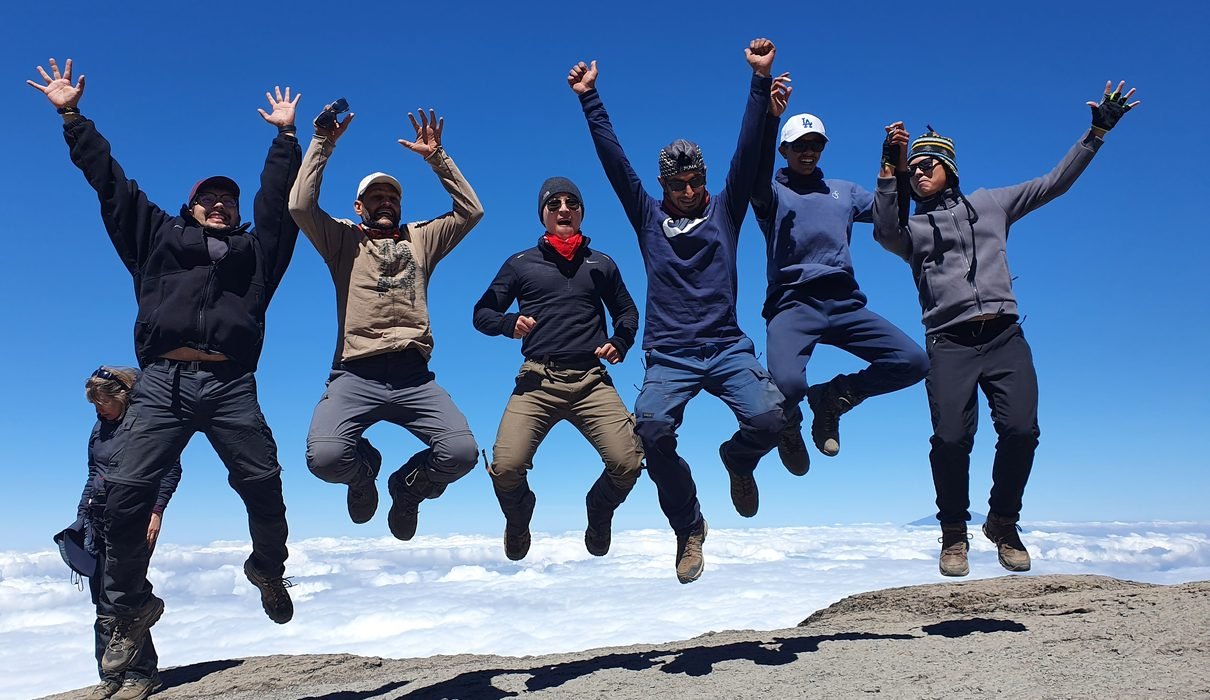
Climbing Mount Kilimanjaro is a major travel goal for people who enjoy hiking, mountains, and outdoor adventures. However, organising a private climb can be expensive, especially for solo travellers and couples. Joining an organised Kilimanjaro climbing group provides a practical alternative because participants share certain operating expenses while following the same mountain route with professional guides and a support team. For travellers planning a Kilimanjaro group joining climb in 2027, 2028, or 2029, choosing a suitable departure date, route, and climbing duration is an important part of preparing for the mountain.
Mount Kilimanjaro is located in northern Tanzania, near the town of Moshi, and reaches 5,895 metres above sea level. It is Africa’s highest mountain and one of the most popular high-altitude trekking destinations in the world. Unlike mountains that require extensive technical climbing experience on their standard summit routes, Kilimanjaro can be climbed by well-prepared trekkers using established hiking trails. Nevertheless, the altitude, changing weather, long walking days, and demanding summit night make proper preparation essential. Climbers should understand that reaching Uhuru Peak is never guaranteed, regardless of the route or climbing package selected.
At Eddy Tours & Safaris, travellers can explore organised Kilimanjaro climbing opportunities, including shared group departures and private trekking arrangements. The company publishes a Kilimanjaro group climbing departure calendar with planned Saturday departures for 2026 and 2027. Travellers interested in later departures should contact the team to confirm availability, route selection, group arrangements, and prices before making travel commitments.
This guide explains how to join a Kilimanjaro climbing group, why a seven-day Machame Route itinerary is a practical choice, how fixed departures work, what to expect during the climb, and how to prepare for a trekking holiday in Tanzania.
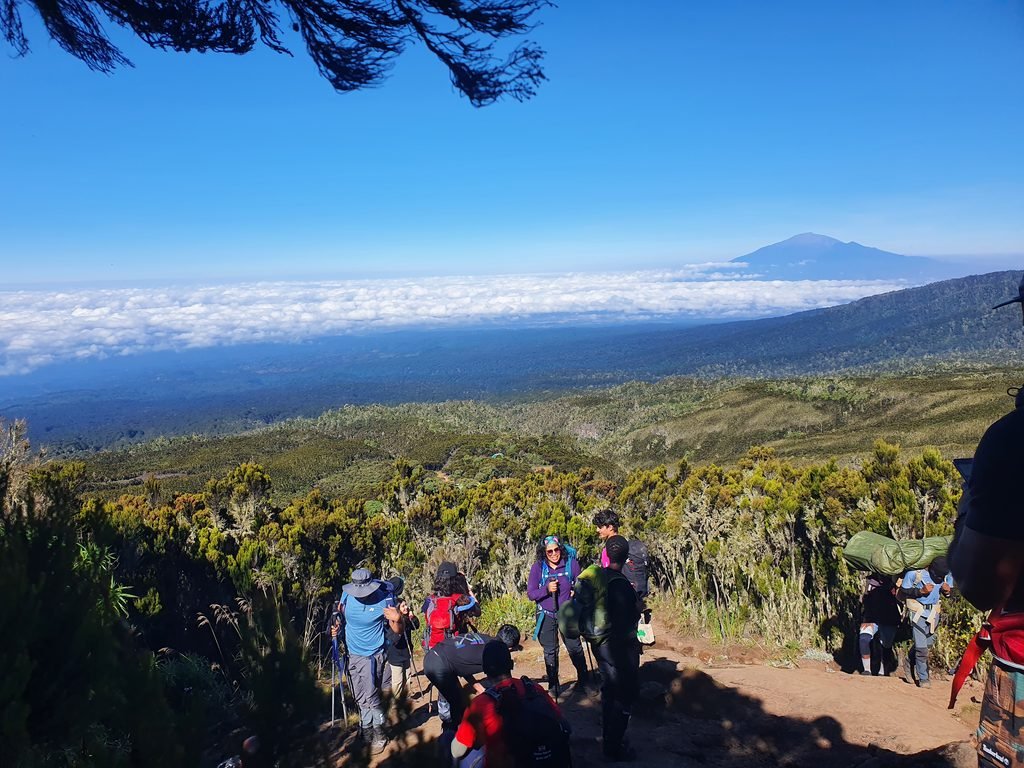
What Is a Kilimanjaro Group Joining Climb?
A Kilimanjaro group joining climb is an organised mountain trek in which individual travellers book places on the same scheduled departure. Instead of arranging a separate expedition for every person, a tour operator brings together participants who have selected the same route, starting date, and climbing duration. The group travels with a mountain guide team, while porters and other support staff help transport camping equipment, food, and supplies according to the arrangements included in the package.
Group joining climbs are particularly suitable for solo travellers because they provide an opportunity to share a mountain expedition with other participants. Couples and small groups can also join scheduled departures rather than paying for a fully private arrangement. However, joining a group does not mean that every traveller has the same fitness level or acclimatisation response. Professional guides must monitor individual climbers and make appropriate safety decisions throughout the trek.
Most Kilimanjaro group packages include mountain park fees, guide services, porter support, meals during the trek, and camping or hut accommodation according to the selected route. The exact inclusions vary between operators, so travellers should request a written package description before booking. For additional information about available options, see the Kilimanjaro climbing routes and group joining guide.
Why Choose a Fixed Departure Kilimanjaro Climb?
A fixed departure means that a climbing group is scheduled to begin its trek on a particular date. This arrangement makes travel planning easier because participants can organise international flights, accommodation, and annual leave around the intended mountain starting date. It can also help travellers understand how many days they need to spend in Tanzania before and after the climb.
One of the main advantages of fixed departures is the opportunity to share certain costs. Mountain climbing involves expenses such as transport, guiding services, food preparation, and camping equipment. Some of these costs can be distributed among group members, making joining arrangements attractive to travellers who do not require a private expedition.
Another advantage is the social experience. Participants often meet people from different countries who share an interest in hiking and mountain travel. During the climb, group members spend several days walking through different vegetation zones, eating together at campsites, and preparing for the summit attempt. However, a responsible climbing programme should always prioritise safety and individual acclimatisation over keeping every participant together at the same pace.
Travellers considering a fixed departure should confirm that the group has space available, that the chosen route matches their ability, and that the operator has provided clear information about the itinerary and support arrangements.
One Smart Fixed Departure Plan: Seven Days on the Machame Route
For travellers seeking a practical group joining option, the seven-day Machame Route is worth considering. This route is one of Kilimanjaro’s established trekking trails and is known for its varied scenery, camping accommodation, and gradual movement through several mountain environments. It begins on the southern side of Kilimanjaro and passes through rainforest, heath, moorland, alpine desert, and high-altitude summit terrain.
The seven-day version allows more time on the mountain than the shorter six-day Machame itinerary. This additional time can support acclimatisation, although no climbing duration guarantees protection against altitude illness. The route also includes sections where climbers ascend to higher elevations before sleeping lower, an approach commonly used in altitude management.
Machame is not necessarily the easiest route. The trail includes steep sections, uneven ground, the Barranco Wall, and a demanding summit attempt. Participants should prepare for several consecutive days of walking and understand that mountain weather can change rapidly.
Travellers comparing different routes can review the Kilimanjaro group joining route options before selecting a departure.
Seven-Day Machame Route at a Glance
| Day | Trekking Section | Approximate Sleeping Altitude |
|---|---|---|
| Day 1 | Machame Gate to Machame Camp | 2,835 m |
| Day 2 | Machame Camp to Shira Camp | 3,750 m |
| Day 3 | Shira Camp via Lava Tower to Barranco Camp | 3,900 m |
| Day 4 | Barranco Camp to Karanga Camp | 3,995 m |
| Day 5 | Karanga Camp to Barafu Camp | 4,673 m |
| Day 6 | Barafu Camp to Uhuru Peak, then Mweka Camp | 3,100 m |
| Day 7 | Mweka Camp to Mweka Gate | 1,640 m |
Altitudes are approximate and may vary slightly between maps and campsite references. Trekking times also depend on weather, trail conditions, and the pace of the group.
Detailed Seven-Day Kilimanjaro Machame Route Itinerary
Day 1: Machame Gate to Machame Camp
The first trekking day begins with a transfer from Moshi or Arusha to Machame Gate, where the climbing team completes registration and other park entry procedures. After the preparations are finished, the group begins walking through Kilimanjaro’s rainforest zone. The trail passes through dense vegetation, tall trees, and sections that can become muddy during wet weather. Although the first day is generally less demanding than the later stages, participants should avoid walking too quickly because the climb will continue for several days.
The walk to Machame Camp usually takes several hours, depending on the group’s pace and trail conditions. After arriving at camp, climbers settle into their tents, have dinner, and receive information from the mountain guides about the following day. The first night also provides an opportunity to become familiar with the camping arrangements and daily routine.
Day 2: Machame Camp to Shira Camp
After breakfast, the group leaves the rainforest and gradually enters the heath and moorland zones. The vegetation becomes shorter, and the surrounding landscape begins to open up, providing views of the mountain and lower slopes when weather conditions are clear. The trail includes uphill sections that require steady walking and regular breaks, particularly as the altitude increases.
The destination is Shira Camp, situated on the Shira Plateau at approximately 3,750 metres. By this stage, some climbers may begin noticing the effects of altitude, including changes in appetite, sleep quality, or energy levels. Guides should monitor participants and encourage them to report symptoms rather than attempting to hide discomfort. After arriving at camp, the group rests and prepares for the next day’s acclimatisation walk.
Day 3: Shira Camp to Lava Tower and Barranco Camp
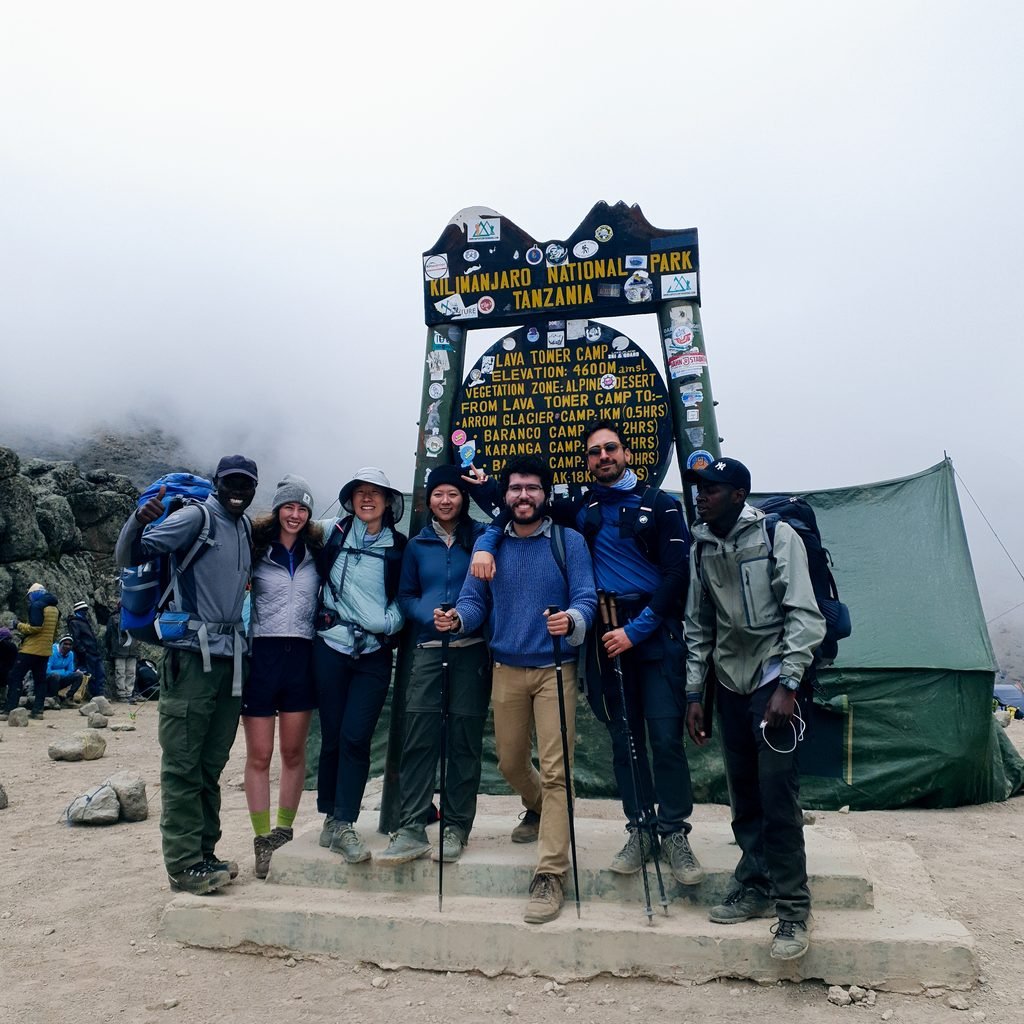
The third day is an important part of the seven-day Machame itinerary because the trail climbs towards Lava Tower before descending to Barranco Camp. Lava Tower is located at approximately 4,600 metres, making this one of the first occasions when climbers reach a considerably higher elevation. The route crosses rocky terrain with increasingly sparse vegetation, and walking may feel more difficult as the air becomes thinner.
After reaching the Lava Tower area, the group descends towards Barranco Camp, which is situated at a lower altitude. This day provides an opportunity to experience higher elevation before sleeping lower, although individual responses to altitude vary. Barranco Camp is surrounded by dramatic mountain scenery, including views of the Barranco Wall, which the group will climb the following morning.
Day 4: Barranco Camp to Karanga Camp
The fourth day begins with the ascent of the Barranco Wall, one of the best-known sections of the Machame Route. Although the wall can appear intimidating from the campsite, the standard trail is primarily a steep scramble rather than a technical rock climb. Participants should follow their guides carefully, use stable handholds where necessary, and avoid rushing through narrow sections.
After climbing the wall, the route continues across several ridges and valleys before reaching Karanga Camp. The walking distance is relatively moderate compared with some other days, but the changing terrain and altitude still require effort. The additional overnight stop at Karanga is one of the differences between the seven-day and shorter Machame itineraries, allowing climbers more time before continuing towards the high camp.
Day 5: Karanga Camp to Barafu Camp
The fifth day involves trekking from Karanga Camp to Barafu Camp, the main staging point for the summit attempt on this itinerary. The landscape becomes increasingly barren, with rocky ground and limited vegetation. Climbers move at a controlled pace while adjusting to the higher elevation and conserving energy for the demanding hours ahead.
After arriving at Barafu Camp, the group receives a summit briefing, eats, and rests before the ascent. The guides explain the expected departure time, weather conditions, clothing requirements, and safety procedures. Because the summit attempt often begins late at night, participants should organise their equipment in advance, including warm clothing, headlamps, water, snacks, and essential personal items.
Day 6: Barafu Camp to Uhuru Peak and Mweka Camp
Summit day is generally the most physically demanding stage of the climb. The group commonly begins ascending during the night, walking slowly across steep, rocky terrain towards Stella Point on the crater rim. From there, climbers who are able to continue proceed towards Uhuru Peak, the highest point on Mount Kilimanjaro at 5,895 metres above sea level.
Reaching the summit depends on weather, altitude response, fitness, and the judgement of the mountain guides. Some participants may need to descend before reaching Uhuru Peak because of illness, exhaustion, or unsafe conditions. A successful expedition is one in which safety remains the priority, whether or not every climber reaches the top.
After the summit attempt, participants descend towards Barafu Camp for a short rest before continuing to Mweka Camp. The long descent can be tiring, particularly after many hours of walking, so climbers should remain careful on loose or uneven ground.
Day 7: Mweka Camp to Mweka Gate
The final trekking day begins with breakfast at Mweka Camp before the group descends through the forest towards Mweka Gate. The trail becomes greener as the altitude decreases, and the warmer conditions are usually noticeable compared with the upper mountain. Although the walk is less demanding than summit day, the descent can still be tiring for participants with sore legs or knees.
At Mweka Gate, the team completes the required departure procedures before returning to Moshi or Arusha. Climbers who meet the relevant summit requirements may receive official climbing certificates according to park procedures. After returning to town, participants can rest, celebrate their experience, or prepare for an onward holiday in Tanzania.
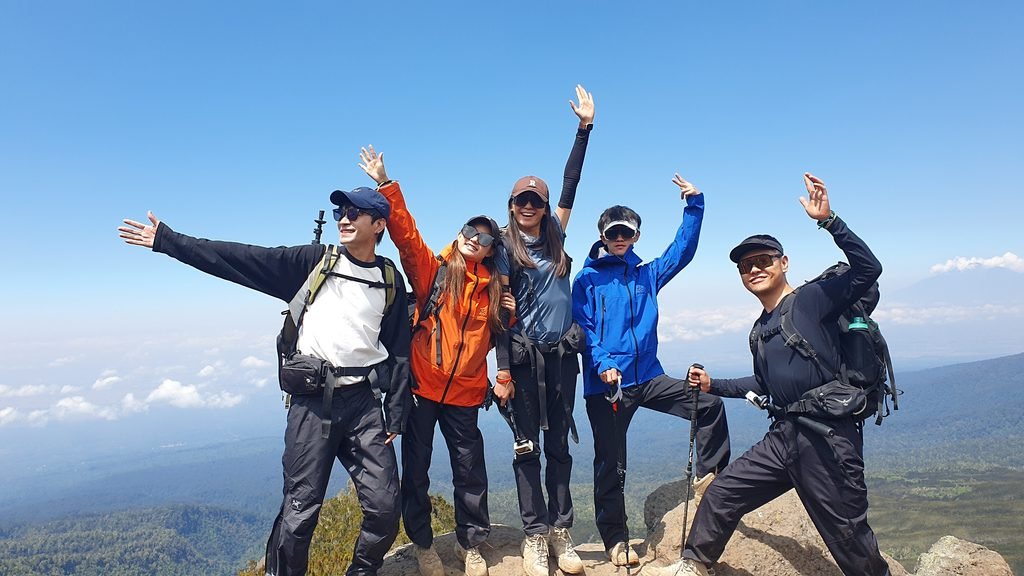
Kilimanjaro Group Joining Departure Dates for 2027, 2028 and 2029
Eddy Tours & Safaris publishes planned Kilimanjaro group departures for 2026 and 2027, including Saturday starting dates. The schedule provides travellers with a useful starting point when organising their holidays, but a published planned departure should not be treated as confirmation that a particular group has enough participants or available places.
The following table highlights selected Saturday dates from the company’s published 2027 calendar. These are planned group dates, not independently confirmed seven-day Machame departures.
| Month | Selected Published 2027 Saturday Dates |
|---|---|
| January | 2, 9, 16, 23, 30 |
| February | 6, 13, 20, 27 |
| June | 5, 12, 19, 26 |
| July | 3, 10, 17, 24, 31 |
| August | 7, 14, 21, 28 |
| September | 4, 11, 18, 25 |
| October | 2, 9, 16, 23, 30 |
| December | 4, 11, 18, 25 |
The complete calendar also includes other months. Travellers should consult the published Kilimanjaro group departure schedule and contact the company to confirm the route, price, availability, and whether a specific departure is operating.
For 2028 and 2029, dates should be requested directly rather than assumed from the 2027 calendar. Fixed departures can change according to demand, operating arrangements, and accommodation or park requirements.
Best Months to Join a Kilimanjaro Climbing Group
Kilimanjaro can be climbed throughout the year, but some months are generally more popular because of their seasonal weather patterns. January and February often provide suitable climbing conditions, although rain, clouds, strong winds, and cold temperatures remain possible. June through October is another popular period, particularly for travellers who prefer generally drier conditions and want to combine their climb with a Tanzania wildlife safari.
March through May is commonly associated with the longer rainy season, while November may experience shorter seasonal rains. These patterns are not fixed, and weather can change considerably from one day to another. Conditions on Kilimanjaro also vary by altitude, meaning climbers may experience warm temperatures in the forest, rain in the middle sections, and freezing conditions near the summit during the same expedition.
Travellers choosing a fixed departure should consider both the season and their preparation schedule. A date that allows enough time for physical training, obtaining equipment, and arranging flights may be more suitable than an earlier departure selected simply because places are available.
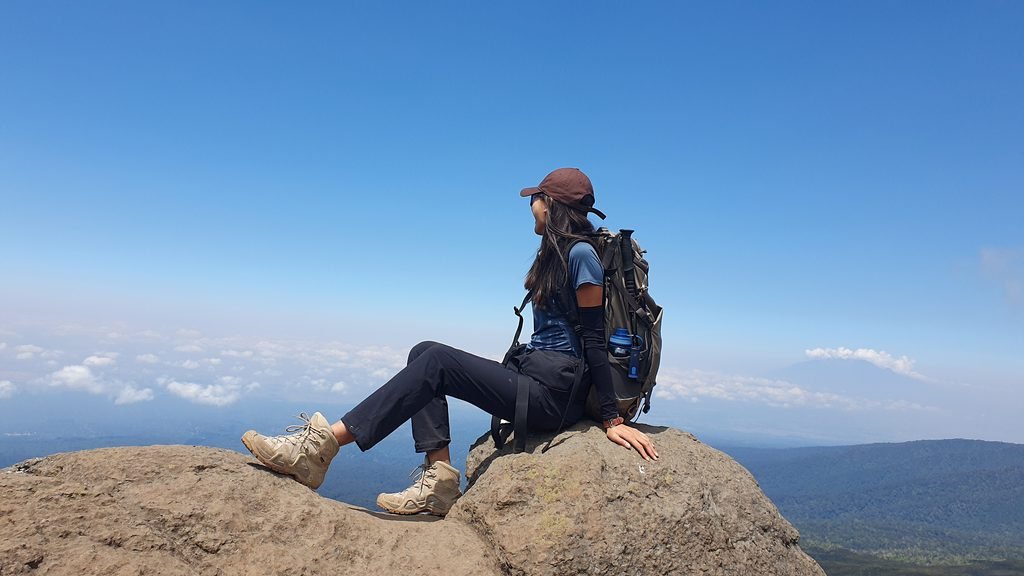
How Much Does a Kilimanjaro Group Joining Climb Cost?
The cost of a Kilimanjaro group joining climb depends on the selected route, number of trekking days, group size, park fees, accommodation arrangements, and services included. Longer routes generally involve additional food, staff support, and mountain accommodation expenses, which can increase the total package price. However, choosing a shorter route only to save money may not be appropriate if the itinerary provides insufficient time for acclimatisation.
Eddy Tours & Safaris has published indicative group joining prices on its Kilimanjaro hiking and group departure page, but those figures should not be treated as confirmed prices for every route or departure in 2027, 2028, and 2029. Travellers should request a current quotation for the seven-day Machame Route and confirm exactly what is included.
A complete quotation should explain the mountain park fees, camping charges, guide and porter services, meals, equipment provided by the operator, transfers, and any hotel accommodation before or after the climb. Travellers should also budget separately for international flights, visas, insurance, personal climbing equipment, tips, and additional activities unless the operator explicitly includes them.
What Is Included in a Kilimanjaro Group Joining Package?
A typical organised Kilimanjaro group climbing package includes professional mountain guides, porter support, meals during the trek, and the required camping arrangements for the selected route. The operator normally organises transport between the agreed meeting location and the mountain gate, although airport transfers and hotel nights may be priced separately.
Camping routes such as Machame require tents, sleeping arrangements, cooking equipment, and food supplies. Travellers should confirm whether sleeping bags, trekking poles, warm jackets, and other personal equipment are provided or available for rental. It is also important to ask about the number of guides, the guide-to-climber arrangement, emergency procedures, and how the operator manages climbers who cannot safely continue.
The official Kilimanjaro National Park visitor guide explains that mountain climbs must be guided through licensed operators and that climbers must follow designated routes and park regulations.
Physical Preparation for a Kilimanjaro Group Climb
Climbing Kilimanjaro requires physical endurance because participants walk for several consecutive days, often over steep and uneven ground. Although technical mountaineering skills are not normally required for the standard Machame Route, good general fitness can make the trekking experience more manageable. Travellers should begin preparing several months before departure, particularly if they do not regularly participate in hiking or other endurance activities.
A useful training programme may include regular hill walking, stair climbing, cycling, and longer hikes while carrying a small daypack. Strength exercises for the legs and core can also help with balance and stability during steep ascents and descents. Where possible, participants should practise walking in the boots they intend to use on Kilimanjaro, allowing enough time to identify problems with fit or comfort.
Physical fitness does not prevent altitude sickness, and even experienced athletes can develop serious altitude-related illness. Travellers should therefore choose an itinerary with reasonable acclimatisation opportunities and discuss any relevant health concerns with a qualified medical professional before departure.
Understanding Altitude Sickness on Mount Kilimanjaro
Altitude sickness is one of the most important safety concerns for people climbing Kilimanjaro. As altitude increases, the amount of oxygen available to the body decreases, and climbers need time to adjust. Common symptoms of acute mountain sickness can include headache, nausea, dizziness, fatigue, and poor appetite. More serious altitude illnesses can affect breathing, coordination, and consciousness and require urgent action.
Climbers should report symptoms to their guides immediately rather than continuing in the hope that the problem will disappear. A professional mountain team should assess the situation and arrange descent or other appropriate assistance when necessary. Continuing to ascend with worsening symptoms can be dangerous.
The official Kilimanjaro National Park guidance recommends gradual ascent, suitable acclimatisation arrangements, adequate hydration, and prompt reporting of symptoms. The seven-day Machame itinerary provides more time than the six-day version, but it cannot eliminate altitude risks.
Essential Equipment for a Kilimanjaro Group Joining Climb
The mountain passes through different climatic zones, so climbers need clothing suitable for warm conditions, rain, wind, and freezing summit temperatures. Proper layering is important because weather and body temperature can change significantly during the day. A waterproof jacket, insulated jacket, thermal clothing, gloves, warm hat, and comfortable hiking trousers are among the important items to prepare.
Well-fitting hiking boots are particularly important because participants spend many hours walking on uneven terrain. Boots should be worn during training before departure rather than used for the first time on the mountain. Other useful equipment includes a headlamp with spare batteries, trekking poles, sunglasses, sunscreen, a daypack, and suitable water containers.
Travellers should also confirm the sleeping equipment provided by the operator. Mountain nights can be cold, and an appropriate sleeping bag is necessary for camping routes. Before travelling, ask the climbing company for a complete packing list and information about any equipment that can be rented locally.
Is a Group Joining Climb Suitable for Beginners?
A Kilimanjaro group joining climb can be suitable for first-time high-altitude trekkers who are physically prepared, understand the challenges, and choose an appropriate route. Previous experience on high mountains can be helpful, but it is not the only factor determining whether someone can attempt Kilimanjaro. Fitness, health, altitude response, equipment, and the quality of the guiding arrangements all matter.
Beginners should avoid selecting a route based only on the cheapest price or shortest duration. A seven-day Machame itinerary provides an additional day compared with the six-day version, while longer routes such as eight-day Lemosho or nine-day Northern Circuit offer other options for travellers who want more time on the mountain.
For route comparisons, visit the Kilimanjaro climbing routes guide. Travellers should discuss their fitness, hiking experience, and preferred travel dates with the operator before choosing a group departure.
How to Join a Kilimanjaro Fixed Departure Group
Joining a scheduled Kilimanjaro climb normally begins by selecting a route and preferred travel period. Travellers should then contact the operator to ask which groups are planned for their dates and whether places are available. The company should provide a written itinerary, package price, inclusions, exclusions, and booking conditions before requesting payment.
After selecting a suitable departure, travellers can arrange their flights to Tanzania and confirm accommodation before the climb. Kilimanjaro International Airport is a common arrival point for visitors travelling to Moshi or Arusha. It is advisable to arrive at least one day before the scheduled trek to allow time for a climbing briefing, equipment inspection, and rest after international travel.
Travellers should also check Tanzania’s entry requirements for their nationality. The official Tanzania Immigration eVisa portal provides information about online visa applications and entry procedures. Requirements may change before 2027, 2028, or 2029, so they should be checked again before travelling.
Can You Combine a Kilimanjaro Group Climb with a Tanzania Safari?
Many travellers choose to spend additional days in Tanzania after completing their Kilimanjaro climb. Northern Tanzania is home to famous wildlife destinations such as Serengeti National Park, Ngorongoro Crater, Tarangire National Park, and Lake Manyara. These parks can be reached through organised safaris departing from Arusha, making them suitable for visitors who want to combine mountain trekking with wildlife viewing.
A three-day safari can provide opportunities to visit Tarangire and Ngorongoro, while longer itineraries can include the Serengeti. Travellers should allow time to recover after climbing Kilimanjaro, particularly if they have completed a demanding summit attempt. Choosing a suitable safari duration also helps avoid spending too much of the remaining holiday travelling between destinations.
Visitors interested in wildlife safaris can explore the services available through Eddy Tours & Safaris and request an itinerary based on their available days and budget.
Can You Add Zanzibar After Climbing Kilimanjaro?
Zanzibar is another popular destination for travellers who want to relax after climbing Mount Kilimanjaro. The island offers Indian Ocean beaches, historic Stone Town, coastal villages, and various water-based activities. After several days of mountain trekking, a beach holiday can provide a different experience before returning home.
Travellers can arrange suitable flights from northern Tanzania to Zanzibar, depending on airline schedules and availability. A combined Kilimanjaro and Zanzibar holiday should allow enough time for mountain preparation, trekking, recovery, airport transfers, and beach activities. Those with limited time may prefer spending fewer days travelling between destinations and more time enjoying their chosen activities.
Frequently Asked Questions About Kilimanjaro Group Joining Climbs
What Is the Best Kilimanjaro Route for a Group Joining Climb?
The Machame, Marangu, and Lemosho routes are commonly offered for group climbing arrangements. The seven-day Machame Route is a practical option for trekkers who want varied scenery and a camping itinerary with more acclimatisation time than the six-day version. The best route depends on your experience, fitness, budget, and preferred number of trekking days.
Are Kilimanjaro Group Departures Available in 2027, 2028 and 2029?
Eddy Tours & Safaris publishes planned departures for 2026 and 2027. Travellers interested in 2028 or 2029 should request updated schedules directly. All departure dates, available places, and route arrangements should be confirmed before booking flights.
Can I Join a Kilimanjaro Group as a Solo Traveller?
Yes. Group joining climbs are particularly suitable for solo travellers because participants book places on a shared expedition. However, travellers should confirm the group’s maximum size, room or tent-sharing arrangements, and whether any single supplement applies.
Is Seven Days Enough to Climb Kilimanjaro?
A seven-day Machame itinerary is a commonly used climbing programme and provides more time than the six-day version. However, altitude illness can affect climbers on any itinerary, and summit success is never guaranteed. Some travellers may prefer a longer route for additional acclimatisation time.
Do I Need Previous Mountain Climbing Experience?
Technical climbing experience is not normally required for the standard Machame Route, but good physical preparation is important. Previous hiking experience can help participants understand how their bodies respond to long walking days, steep terrain, and changing weather.
How Much Does a Kilimanjaro Joining Group Cost?
Prices depend on the route, duration, travel dates, and services included. Travellers should request a current quotation rather than relying on older advertised rates, particularly when planning climbs for 2028 or 2029.
Are Guides and Porters Included in Group Climbing Packages?
Organised Kilimanjaro climbing packages normally include mountain guides and support staff, but the exact arrangements should be confirmed in writing. Ask about guide qualifications, porter welfare, emergency procedures, and the equipment included in the package.
Can I Book a Kilimanjaro Group Climb and Safari Together?
Yes. Travellers can arrange a Kilimanjaro climb followed by a Tanzania safari to destinations such as Tarangire, Ngorongoro Crater, and Serengeti National Park. The itinerary should allow enough time for recovery and travel between destinations.
Book Your Kilimanjaro Group Joining Climb for 2027, 2028 or 2029
Joining an organised Kilimanjaro climbing group is a practical way to experience Africa’s highest mountain while sharing the journey with other trekkers. A fixed departure provides a planned starting date, an established itinerary, and organised mountain support, allowing participants to concentrate on physical preparation and the climbing experience. The seven-day Machame Route is one option worth considering because it combines varied scenery, established campsites, and an additional acclimatisation day compared with the shorter six-day itinerary.
The most important part of planning your climb is choosing a suitable route and working with an operator who provides clear information about safety, prices, group arrangements, and booking conditions. Travellers should also prepare physically, obtain appropriate equipment, and understand the challenges associated with high altitude. Whether you are travelling alone, with a partner, or with friends, proper preparation will help you approach the mountain with realistic expectations.
Eddy Tours & Safaris is a local tour company in Arusha, Tanzania, arranging Kilimanjaro climbing trips, Tanzania wildlife safaris, and private holidays. Travellers interested in group joining departures for 2027, 2028, or 2029 can contact the company to discuss available routes, planned starting dates, accommodation, and package prices.
Check the Kilimanjaro group climbing departure calendar or contact Eddy Tours & Safaris to request information about joining a scheduled climb.
Eddy Tours & Safaris – Arusha, Tanzania
Email: sales@eddytours-safaris.com
Alternative Email: eddytoursandsafaris@gmail.com
Phone/WhatsApp: +255 711 906 664