
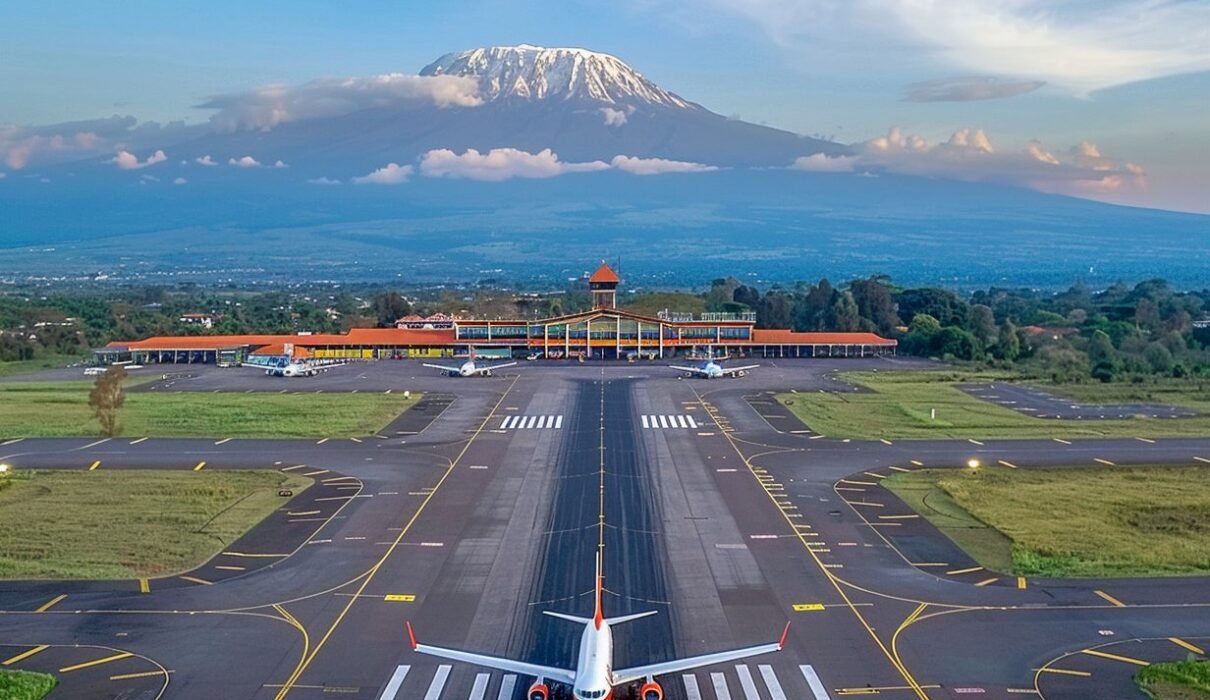
Kilimanjaro International Airport (JRO): Complete Guide is essential reading for anyone planning a safari, mountain climb, or business trip to northern Tanzania. As the main gateway between Arusha, Moshi, and the legendary Serengeti, this airport connects travelers to some of Africa’s most iconic landscapes. Whether you are landing for wildlife adventures or heading to Mount Kilimanjaro, understanding how the airport works will make your journey stress-free and enjoyable.
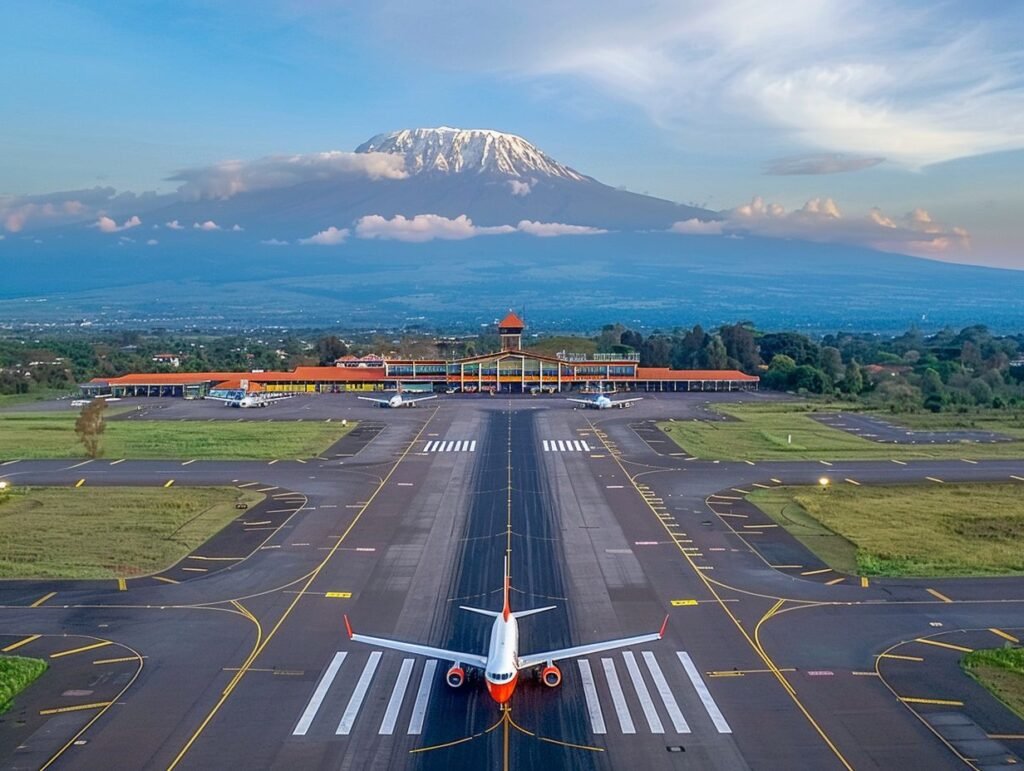
Located between Arusha and Moshi, Kilimanjaro International Airport serves as a strategic entry point to Tanzania’s northern safari circuit. The airport handles international and regional flights, making it one of the most important travel hubs in East Africa. Its location places you close to world-famous conservation areas and cultural landmarks.
Why Kilimanjaro International Airport (JRO): Complete Guide Matters for Travelers
Traveling to Tanzania is exciting, but preparation makes the difference between a smooth arrival and unnecessary stress. This Kilimanjaro International Airport (JRO): Complete Guide explains everything from visas to airport facilities. With proper planning, you can transition quickly from your flight into safari mode.
The airport is managed with support from Tanzania’s aviation authorities and operates under international safety standards. Organizations like the International Civil Aviation Organization and the International Air Transport Association set global aviation guidelines that influence operations at JRO.
Location and Accessibility
Kilimanjaro International Airport sits about midway between Arusha and Moshi, making it ideal for both safari travelers and climbers. The drive to Arusha takes roughly one hour, while Moshi is slightly closer. Many visitors arrange transfers through reputable operators such as Eddy Tours & Safaris, ensuring a comfortable and reliable pickup.
The airport’s strategic location also benefits travelers heading to Mount Kilimanjaro. If you are planning a climb, specialists like Kilimanjaro Climb Specialist coordinate airport transfers and mountain logistics seamlessly.
Airlines and Destinations
JRO connects Tanzania with major cities in Africa, Europe, and the Middle East. Airlines operating here comply with international aviation standards and collaborate with authorities such as the Tanzania Airports Authority. Domestic connections to Dar es Salaam and Zanzibar are frequent, allowing travelers to combine beach holidays with wildlife safaris.
Before booking, travelers often compare routes using tools such as Google Flights. Checking baggage rules in advance helps avoid delays during check-in.
Visa and Immigration Process
Most visitors obtain a visa on arrival or apply online through Tanzania’s official immigration portal. It is wise to confirm requirements with your local embassy or consult reliable sources like Tanzania Government Portal. Immigration procedures are straightforward, but keeping documents organized speeds up the process.
Health regulations may require proof of vaccinations depending on your travel history. Guidance from the World Health Organization and the Centers for Disease Control and Prevention provides helpful travel health advice.
Facilities and Services at the Airport
Kilimanjaro International Airport offers essential facilities including currency exchange, small shops, restaurants, and car rental services. While it is not a massive airport, it provides everything necessary for a comfortable arrival or departure. Wi-Fi is available in designated areas, and staff members are generally helpful.
Travelers arriving for safari tours often coordinate directly with Eddy Tours & Safaris for immediate transfers to lodges near the Serengeti or Ngorongoro Conservation Area.
Transportation Options from JRO
Private transfers are the most convenient way to leave the airport. Many safari operators, including Eddy Tours & Safaris, provide door-to-door service. Taxis are available outside the terminal, but agreeing on the fare beforehand is recommended.
Car rentals are another option for independent travelers. However, road conditions and navigation may require experience with local driving rules.
Connection to Tanzania’s Wildlife Destinations
The true value of Kilimanjaro International Airport lies in its proximity to iconic wildlife areas. From here, travelers can quickly reach Serengeti National Park, supported by conservation research from organizations like the Serengeti Research Institute and the World Wildlife Fund.
The nearby Ngorongoro Conservation Area is recognized globally for its ecological significance. Conservation data from the International Union for Conservation of Nature highlights the importance of preserving these landscapes.
Mount Kilimanjaro Access
For climbers, Kilimanjaro International Airport is the primary gateway to Africa’s highest peak. Environmental studies conducted by the National Geographic Society emphasize the mountain’s ecological value. Booking climbs through licensed operators ensures compliance with park regulations overseen by Tanzania National Parks.
Many trekkers combine their climb with safari extensions arranged by Eddy Tours & Safaris.
Safety and Security
Security screening follows international standards. Travelers should arrive early for departures to allow enough time for check-in and inspections. Aviation safety frameworks supported by the Federal Aviation Administration influence many global safety procedures.
Keeping valuables secure and monitoring luggage tags ensures peace of mind throughout your journey.
Best Travel Tips for JRO
Arrive with printed travel documents and digital backups. Exchange a small amount of currency at the airport if necessary, but better rates may be available in town. Pre-book transfers with trusted companies such as Eddy Tours & Safaris to avoid last-minute arrangements.
Stay informed about conservation guidelines from organizations like the African Parks Network and the African Wildlife Foundation to ensure responsible travel.
Environmental Responsibility
Sustainable tourism is vital in northern Tanzania. Institutions such as the United Nations Environment Programme promote eco-friendly practices. Choosing ethical tour operators contributes directly to wildlife protection and community development.
Research initiatives supported by the National Park Foundation and the Conservation International continue to strengthen preservation efforts across Africa.
Frequently Asked Questions
Where is Kilimanjaro International Airport located?
It is located between Arusha and Moshi in northern Tanzania, serving as the main gateway to safari parks and Mount Kilimanjaro.
How far is JRO from Arusha?
The drive typically takes around one hour depending on traffic and weather conditions.
Can I get a visa on arrival?
Yes, many nationalities qualify for visa on arrival, but checking official immigration sources before travel is recommended.
Are there currency exchange services at the airport?
Yes, basic currency exchange services are available within the terminal.
Is airport transfer necessary?
Pre-arranged transfers provide convenience and safety, especially for first-time visitors.
What wildlife destinations are accessible from JRO?
Serengeti National Park, Ngorongoro Conservation Area, and Tarangire National Park are easily accessible from the airport.
Conclusion
Kilimanjaro International Airport (JRO): Complete Guide helps travelers prepare for a smooth arrival in northern Tanzania. With its strategic location, essential facilities, and direct access to wildlife parks and Mount Kilimanjaro, JRO serves as the perfect starting point for unforgettable adventures. Planning ahead, choosing reliable transfer partners, and respecting conservation principles ensure your journey begins on the right note.