
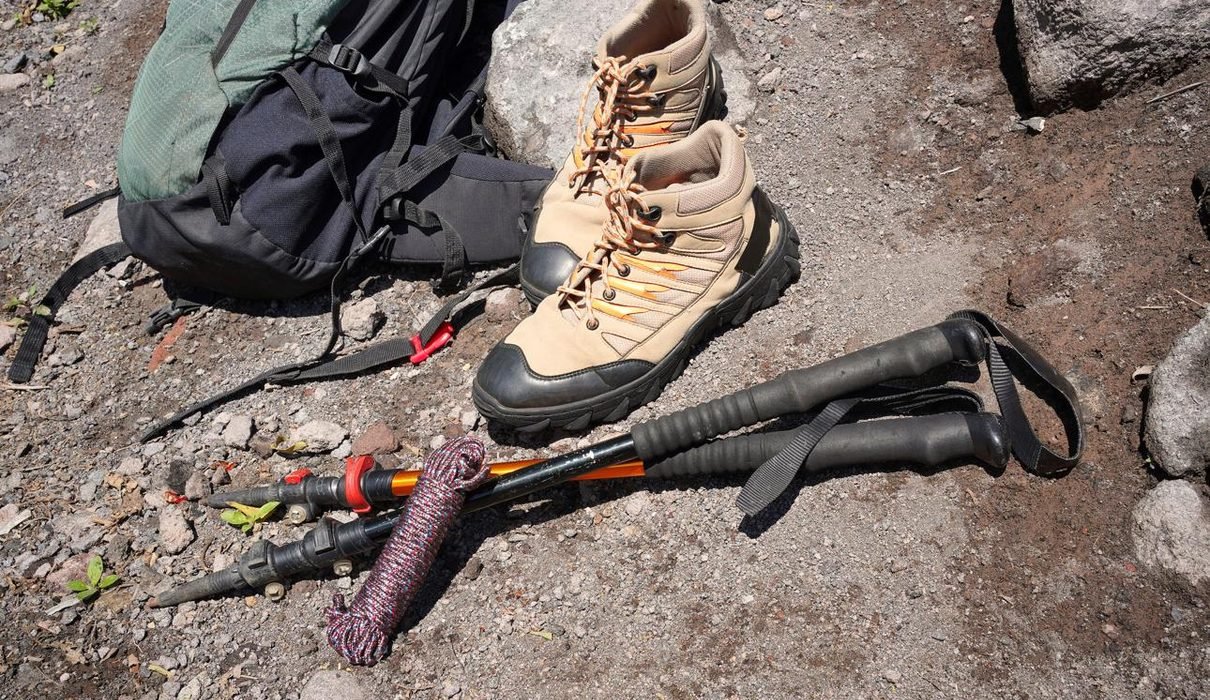
Climbing Mount Kilimanjaro is a dream for many travelers visiting Tanzania, but packing the right equipment is one of the most important parts of preparing for the adventure. Standing at 5,895 metres (19,341 feet) above sea level, Kilimanjaro is Africa’s highest mountain, and its changing weather conditions can make the journey challenging even for experienced hikers. During one expedition, you may walk through warm rainforest, cross dry volcanic landscapes, spend cold nights at mountain camps and attempt the summit in freezing temperatures.
If you are planning to climb Kilimanjaro in 2027 or 2028, your packing list should cover more than clothing and hiking boots. You will need a comfortable daypack, suitable sleeping equipment, reliable rain protection, personal medication, essential travel documents and enough warm layers for summit night. At the same time, bringing too much unnecessary luggage can make packing difficult and create problems with the weight limits set by your mountain operator.
The equipment you need will also depend on your climbing route and the number of days you spend on the mountain. Travelers following the Machame Route or Lemosho Route normally sleep in tents, while climbers using Marangu stay in mountain huts. Regardless of the route, everyone needs suitable clothing for cold weather, protection from rain and strong sunlight, and comfortable footwear for long trekking days.
At Eddy Tours & Safaris, we help travelers prepare for Kilimanjaro expeditions by explaining what to bring, how to organize their equipment and which items may be available for rental in Moshi. This comprehensive packing guide covers the essential equipment for climbing Kilimanjaro in 2027 and 2028, including recommended quantities, summit-night clothing, packing mistakes to avoid and practical advice for first-time climbers.
Kilimanjaro Packing List: Quick Overview
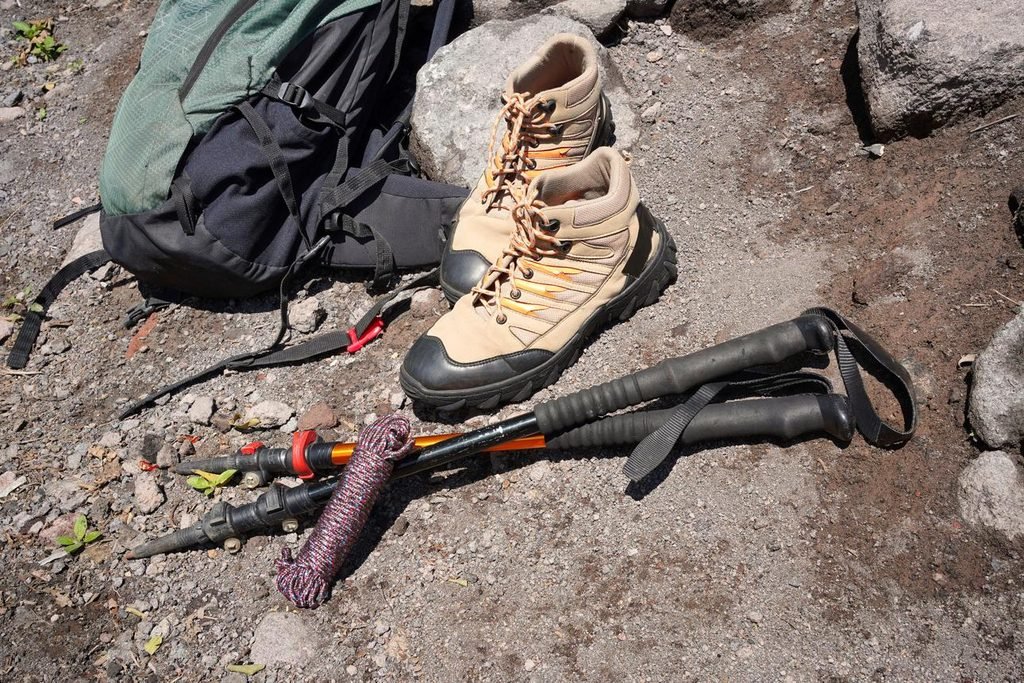
Before discussing individual items, it helps to understand how your luggage will be organized during the climb. Most guided Kilimanjaro expeditions involve two main bags: a daypack that you carry while walking and a larger duffel bag transported by the mountain crew. Your daypack should contain the items you may need during the day, while your duffel holds spare clothing, sleeping equipment and other belongings used at camp.
The exact luggage allowances depend on your tour operator and porter arrangements, so confirm the permitted weight before departure. Packing only what you need makes the expedition easier to organize and helps protect the welfare of the mountain crew.
| Packing category | Essential items |
|---|---|
| Hiking clothing | Trekking trousers, moisture-wicking shirts, thermal layers |
| Warm clothing | Fleece jacket, insulated jacket, warm hat |
| Rain protection | Waterproof jacket, waterproof trousers |
| Footwear | Hiking boots, trekking socks, camp shoes |
| Summit equipment | Insulated gloves, headlamp, warm layers |
| Bags | Daypack, duffel bag, waterproof liners |
| Sleeping equipment | Cold-weather sleeping bag, sleeping mat if required |
| Personal care | Sunscreen, lip balm, toiletries, toilet paper |
| Health essentials | Personal medication, basic first-aid supplies |
| Documents | Passport, visa where required, insurance details |
| Other equipment | Trekking poles, water containers, sunglasses |
1. Essential Clothing for Climbing Kilimanjaro
Clothing is one of the most important parts of your Kilimanjaro packing list because the weather changes considerably as you gain elevation. At the beginning of the expedition, you may experience warm and humid conditions in the rainforest. Higher up, the environment becomes colder, windier and more exposed, especially around the upper camps and summit. Wearing several suitable layers allows you to adjust your clothing as conditions change throughout the day.
The best approach is to use moisture-wicking base layers, insulating middle layers and protective outer layers. Avoid relying on ordinary cotton clothing for cold mountain conditions because cotton holds moisture and can become uncomfortable when wet. Synthetic or merino wool fabrics are generally more suitable for active trekking because they help manage moisture and can dry more quickly.
Recommended Kilimanjaro Clothing Checklist
| Clothing item | Suggested quantity | Why you need it |
|---|---|---|
| Moisture-wicking hiking shirts | 3–4 | Comfortable clothing for daily trekking |
| Long-sleeved hiking shirts | 2 | Sun protection and additional warmth |
| Hiking trousers | 2 | Comfortable walking on mountain trails |
| Thermal base-layer tops | 2 | Insulation at higher elevations |
| Thermal base-layer bottoms | 1–2 | Extra warmth at night and on summit day |
| Fleece or warm mid-layer | 1–2 | Warmth during colder trekking stages |
| Insulated down or synthetic jacket | 1 | Essential cold-weather protection |
| Waterproof jacket | 1 | Protection against rain and wind |
| Waterproof trousers | 1 | Protection during wet conditions |
| Warm trekking trousers | 1 | Useful around camp and on cold days |
| Underwear | 5–7 pairs | Personal comfort and hygiene |
| Warm sleeping clothes | 1 set | Dry clothing for cold nights |
These quantities are a starting point for a typical six- to eight-day expedition. Travelers choosing a longer Northern Circuit itinerary may prefer additional underwear and socks, while those trying to reduce luggage weight can use suitable clothing more than once.
Why a Warm Jacket Is Important
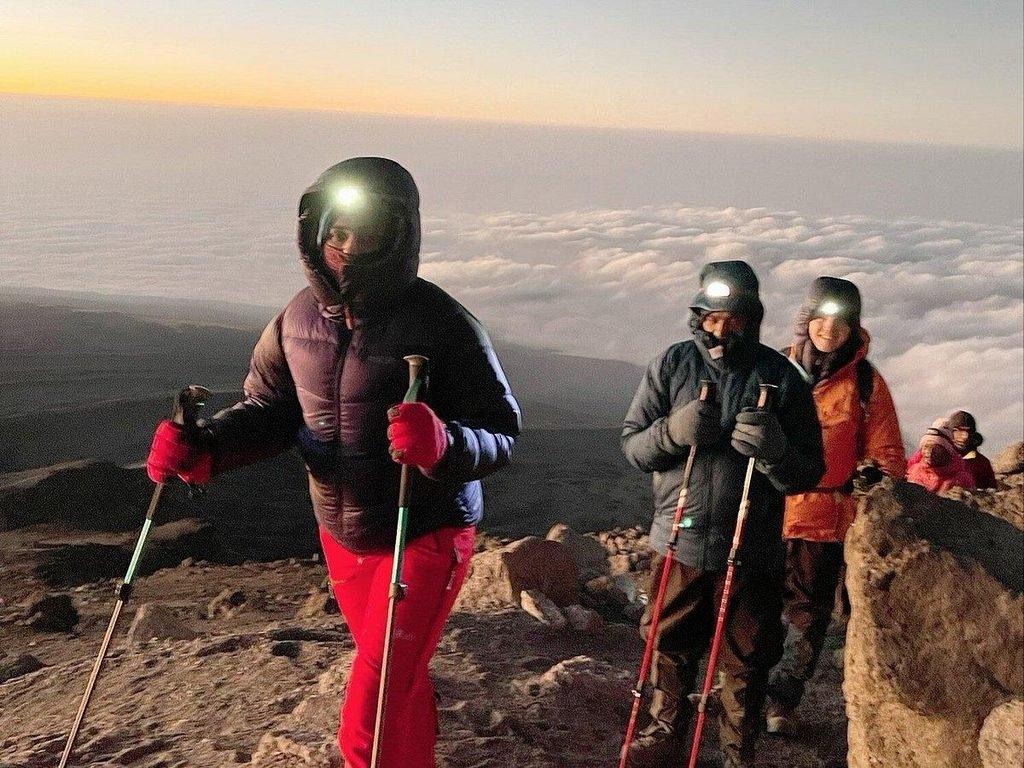
A proper insulated jacket is one of the most important items you will carry on Kilimanjaro. Temperatures around the higher camps can fall below freezing, and the final summit attempt often begins during the night when conditions are particularly cold. A good down or synthetic insulated jacket helps retain body heat during rest stops, early mornings and the long ascent toward Uhuru Peak.
When choosing a jacket, look for one that provides enough insulation for freezing mountain conditions while still allowing you to wear base layers and a fleece underneath. The jacket should fit comfortably without restricting movement. If you do not already own a suitable insulated jacket, ask your tour operator whether reliable rental equipment is available in Moshi before purchasing one.
2. Hiking Boots, Socks and Footwear
Your feet will carry you through several consecutive days of trekking, making comfortable footwear essential. Kilimanjaro’s trails include muddy rainforest paths, rocky slopes, volcanic gravel and long downhill sections. Poorly fitted boots can cause blisters, painful pressure points and unnecessary discomfort, particularly when walking for many hours.
A suitable pair of hiking boots should provide good traction, support and protection from wet conditions. Waterproof boots are commonly recommended, although fit and comfort are just as important as the materials used. You should begin wearing your boots during training hikes well before traveling to Tanzania rather than arriving with footwear that has never been tested.
Hiking socks also make a difference. Merino wool or synthetic trekking socks are generally more comfortable than ordinary cotton socks because they manage moisture better. Some climbers prefer wearing thin liner socks underneath thicker hiking socks to reduce friction, although this depends on personal comfort and the fit of the boots.
Recommended Footwear
| Item | Suggested quantity |
|---|---|
| Comfortable hiking boots | 1 pair |
| Merino wool or synthetic hiking socks | 4–6 pairs |
| Warm summit socks | 1–2 pairs |
| Lightweight camp shoes or sandals | 1 pair |
| Sock liners | 2–3 pairs, optional |
| Waterproof gaiters | 1 pair, optional |
Camp shoes are particularly useful after a long trekking day because they allow your feet to rest outside your hiking boots. Waterproof gaiters can also help prevent mud, small stones and loose volcanic material from entering your footwear.
3. Warm Hats, Gloves and Head Protection
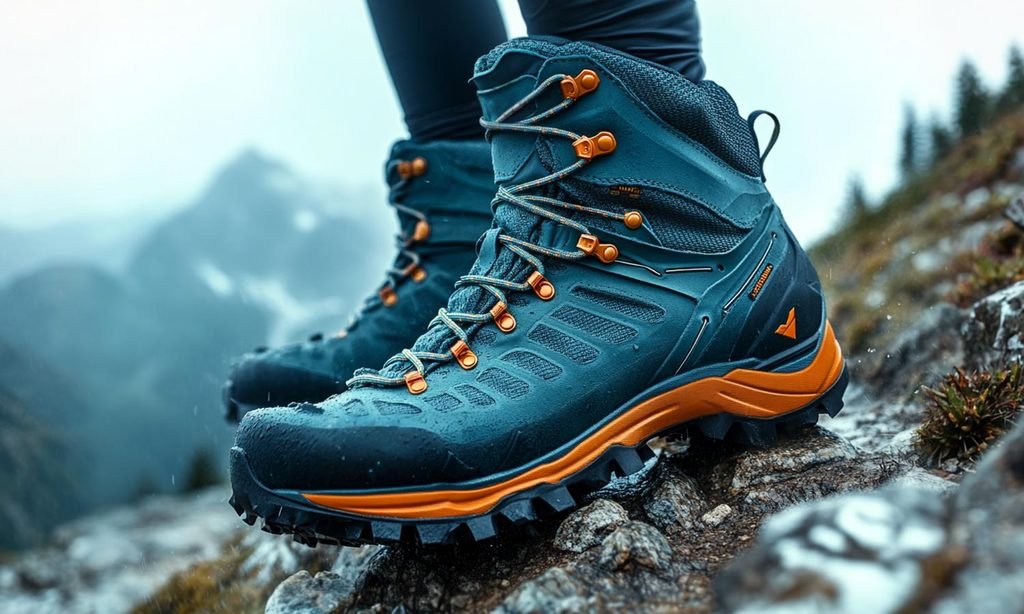
Headwear and gloves are essential because Kilimanjaro exposes climbers to both strong sunlight and freezing temperatures. During the lower stages, a wide-brimmed hat or cap helps protect your face from the sun, while a warm beanie becomes useful at higher camps. A neck gaiter can protect against wind, dust and cold air, particularly during the final summit attempt.
For your hands, carrying both lightweight gloves and heavily insulated gloves is a practical approach. Lightweight gloves can be worn during cool mornings or while walking at intermediate elevations, while insulated waterproof gloves or mittens are important for summit night. Some climbers also use thin glove liners underneath their insulated gloves for additional warmth.
| Item | Suggested quantity |
|---|---|
| Sun hat or cap | 1 |
| Warm beanie | 1 |
| Neck gaiter or buff | 1–2 |
| Lightweight gloves | 1 pair |
| Insulated waterproof gloves or mittens | 1 pair |
| Balaclava or face covering | 1, optional but useful |
Make sure your gloves allow you to operate your headlamp, trekking poles and essential equipment without exposing your hands to the cold for long periods.
4. Kilimanjaro Daypack and Duffel Bag
A comfortable daypack is essential because you will carry your personal items throughout each trekking day. A pack of approximately 25–35 litres is suitable for many climbers, although the ideal size depends on the route, clothing requirements and your preferred equipment. It should have comfortable shoulder straps, a supportive waist belt and enough space for water, snacks, waterproof clothing and extra layers.
Your larger duffel bag is normally transported by the mountain crew and contains equipment you do not need while walking. This may include your sleeping bag, spare clothes, toiletries and camp footwear. Duffel bags of approximately 70–90 litres are commonly used, but you should confirm the operator’s weight and size limits before packing.
Both bags should be protected against rain. A waterproof liner is particularly useful because an ordinary rain cover may not prevent water from entering during prolonged rainfall. Keep essential documents and electronics in additional waterproof protection.
What Should You Carry in Your Daypack?
Your daypack should contain items you may need before reaching the next camp, including drinking water, energy snacks, waterproof clothing, an additional warm layer, sunglasses, sunscreen, personal medication, a headlamp when appropriate and a small personal first-aid kit. Carrying these items yourself is important because your main duffel bag may not be accessible until the mountain crew reaches camp.
Avoid overloading your daypack with unnecessary equipment. A heavy pack can make uphill walking more tiring and may cause shoulder or back discomfort during the expedition.
5. Sleeping Bag and Camping Equipment
Most Kilimanjaro routes use designated mountain campsites where climbers sleep in tents. The main exception is the Marangu Route, which uses established mountain huts. Even when a tour operator provides tents and other group equipment, climbers usually need a suitable sleeping bag, unless the booking includes one.
A cold-weather sleeping bag is important because temperatures at higher camps can fall below freezing. Many climbers select a four-season sleeping bag with a comfort rating appropriate for freezing conditions, often around -10°C to -15°C or colder, depending on the individual’s cold tolerance and the sleeping system. When comparing sleeping bags, pay attention to the manufacturer’s comfort rating rather than relying only on an extreme survival rating.
You should also confirm whether a sleeping mat is included in your package. An insulated sleeping mat helps reduce heat loss to the ground and can make a substantial difference to comfort during cold mountain nights.
Sleeping Equipment Checklist
| Item | Importance |
|---|---|
| Cold-weather sleeping bag | Essential |
| Insulated sleeping mat | Essential; confirm whether provided |
| Sleeping bag liner | Optional additional comfort |
| Inflatable camping pillow | Optional |
| Dry sleeping clothes | Strongly recommended |
| Earplugs | Optional |
| Small personal torch | Optional if you already have a headlamp |
If you are using the Marangu Route, remember that sleeping in a hut does not eliminate the need for suitable cold-weather sleeping equipment.
6. What to Wear on Kilimanjaro Summit Night
Summit night is usually the coldest and most demanding part of the Kilimanjaro expedition. Climbers often leave the final high camp around midnight and walk for several hours before reaching Stella Point, Gilman’s Point or the summit area, depending on the route. The combination of freezing temperatures, wind, darkness and reduced oxygen availability makes proper clothing especially important.
The aim is to wear enough layers to stay warm without becoming excessively sweaty during the ascent. A moisture-wicking base layer helps manage perspiration, while a fleece or other insulating mid-layer provides warmth. A substantial insulated jacket and protective outer shell help reduce heat loss when the wind increases or the group stops to rest.
Your legs also need suitable insulation. Thermal leggings worn beneath warm trekking trousers, with waterproof or wind-resistant outer trousers when needed, can help protect against cold conditions. Warm socks, insulated gloves, a beanie and a neck covering are also important.
Kilimanjaro Summit Night Packing Checklist
- Thermal base-layer top and bottoms
- Fleece or insulated mid-layer
- Substantial down or synthetic insulated jacket
- Waterproof and wind-resistant outer jacket
- Warm trekking trousers and suitable outer trousers
- Warm hiking socks and comfortable boots
- Insulated gloves or mittens
- Warm beanie and neck gaiter
- Headlamp with spare batteries or reliable backup power
- Water bottles protected against freezing
- Easy-to-eat snacks
- Sunglasses for the descent after sunrise
Before summit night, organize these items so they are easy to find in the dark. Your guide should also review your clothing and equipment before departure to ensure you are prepared for the expected conditions.
7. Water Bottles, Hydration and Snacks
Staying appropriately hydrated is important during a Kilimanjaro expedition because trekking at altitude increases physical demands and the mountain environment can be dry. However, drinking excessive amounts of water is not beneficial and can be dangerous. Follow your guide’s advice, drink according to your needs and discuss any medical concerns with a healthcare professional before traveling.
Many climbers carry a combination of reusable water bottles and a hydration bladder with a total capacity of approximately three litres. Water requirements vary with temperature, exertion and individual needs. On summit night, insulated bottles are particularly useful because hydration tubes and exposed water containers can freeze.
Although mountain meals are normally provided during guided expeditions, carrying familiar snacks can help during long walking days. Energy bars, nuts, dried fruit, crackers and other easy-to-eat foods are practical options. Choose items you have already tried during training rather than experimenting with unfamiliar foods on the mountain.
8. Toiletries and Personal Hygiene Items
Maintaining personal hygiene on Kilimanjaro requires some planning because mountain camps have limited facilities compared with hotels. Toilets are available at designated locations, although their condition and accessibility can vary. Your tour operator may also provide additional private toilet arrangements depending on the package selected.
Pack a small toiletry bag containing your toothbrush, toothpaste, hand sanitizer, toilet paper, tissues and personal hygiene products. A quick-drying towel is useful, and biodegradable or low-waste products may help reduce the amount of rubbish generated during the expedition. All waste should be managed according to park rules and your guide’s instructions.
Wet wipes can be convenient for cleaning your hands and face, but they should never be left on the mountain, even when marketed as biodegradable. Carry used items to the appropriate disposal point as directed by the mountain crew.
9. Personal Medication and First-Aid Supplies
A small personal first-aid kit is useful for dealing with minor problems such as blisters, small cuts and general discomfort. However, your personal kit should not replace the emergency equipment and medical procedures provided by a responsible mountain operator.
Bring enough of your regular prescription medication for the entire trip, along with any necessary documentation. If you are considering medication to help prevent altitude sickness, discuss it with a qualified healthcare professional before departure. Acetazolamide may be appropriate for some travelers, but it is not suitable for everyone and does not replace gradual acclimatization or the need to descend when serious symptoms develop.
Altitude illness is one of the main risks on Kilimanjaro. A headache accompanied by nausea, dizziness or unusual fatigue should be reported promptly to your guide. More serious symptoms, including confusion, difficulty walking normally or breathlessness at rest, require urgent assessment and may require immediate descent.
For further medical information, read the CDC High-Altitude Travel and Altitude Illness Guide.
10. Travel Documents and Important Personal Items
Before traveling to Tanzania, make sure your passport, entry documents and travel insurance are organized. Visa requirements depend on nationality and can change, so check the official Tanzania Immigration Department guidance before departure rather than relying on old travel articles.
Your travel insurance should cover trekking at Kilimanjaro’s elevation and include appropriate emergency medical assistance and evacuation. Standard holiday insurance may exclude activities above certain altitudes, so review the policy carefully and obtain written confirmation if necessary.
Keep copies of your passport, travel insurance, emergency contact information and booking confirmation in a safe place. Digital copies are useful, but having essential details available offline can help if your phone loses power or mobile reception is unavailable.
11. Electronic Equipment and Photography Essentials
Kilimanjaro offers many opportunities for photography, from the rainforest and Shira Plateau to the volcanic landscapes around Kibo. If you plan to take photographs, carry a camera or smartphone that you are comfortable using while hiking. A power bank can be useful because charging facilities may be limited or unavailable at mountain camps.
Cold temperatures can reduce battery performance, particularly during summit night. Keep your phone, camera batteries and power bank protected from moisture and excessive cold. Avoid carrying unnecessary electronic equipment, as extra weight and complicated accessories can become inconvenient during long trekking days.
A headlamp is essential because the summit ascent often begins during darkness. Test your headlamp before departure and carry spare batteries or an appropriate backup charging option.
12. What Not to Pack for Kilimanjaro
One of the biggest packing mistakes is bringing too much equipment. Large quantities of spare clothing, unnecessary shoes, heavy electronics and bulky personal items can quickly increase luggage weight without improving your climbing experience. A well-organized packing list should prioritize essential clothing, reliable equipment and items that support safety and comfort.
Avoid bringing ordinary jeans for mountain trekking because they can become heavy and uncomfortable when wet. Do not rely on new, untested hiking boots, and avoid carrying an unsuitable sleeping bag simply because it is lightweight. You should also check Tanzania’s restrictions on plastic carrier bags and follow Kilimanjaro National Park’s waste management rules.
When packing, ask yourself whether each item will be useful during the expedition. If an item does not serve a practical purpose, consider leaving it at your hotel or at home.
13. Can You Rent Kilimanjaro Equipment in Moshi?
Yes, some Kilimanjaro equipment may be available for rental in Moshi, including insulated jackets, sleeping bags, trekking poles and other mountain items. Renting can be useful for travelers who do not regularly participate in cold-weather trekking and do not want to purchase expensive equipment for a single expedition.
However, rental availability, sizes, quality and prices vary between suppliers. It is important to confirm the equipment you need before arriving in Tanzania and inspect any rented items during your pre-climb briefing. Hiking boots are generally best purchased and tested in advance because a comfortable fit is essential during long trekking days.
At Eddy Tours & Safaris, travelers can ask about equipment requirements and available rental arrangements when requesting their Kilimanjaro climbing quotation.
14. Does Your Kilimanjaro Route Change What You Need to Pack?
Most of the essential equipment is the same regardless of whether you choose Machame, Lemosho, Rongai, Marangu, Umbwe or the Northern Circuit. Every route reaches high altitude and may expose climbers to freezing temperatures, strong sunlight, rain and wind. Warm clothing, reliable footwear, a headlamp and personal medication are therefore important on every itinerary.
The main differences relate to accommodation and expedition length. On camping routes such as Machame, Lemosho and Rongai, climbers sleep in tents and need suitable camping equipment. Marangu uses mountain huts, although a warm sleeping bag is still required. Longer routes may require additional socks, underwear and personal supplies, but the aim should still be to pack efficiently.
Travelers who are comparing climbing itineraries can read our Machame Route Full Itinerary or explore the climbing information available through Eddy Tours & Safaris.
15. Final Kilimanjaro Packing Checklist Before Departure
Use this checklist during the final days before traveling to Tanzania. It covers the main personal items needed for a typical guided Kilimanjaro expedition. Your operator’s route-specific equipment list should take priority where requirements differ.
Clothing and Footwear
- Waterproof hiking boots, already tested
- Four to six pairs of trekking socks
- Moisture-wicking hiking shirts
- Long-sleeved shirts
- Two pairs of hiking trousers
- Thermal base layers
- Fleece or warm mid-layer
- Insulated summit jacket
- Waterproof jacket and trousers
- Warm hat and sun hat
- Lightweight and insulated gloves
- Neck gaiter or balaclava
- Comfortable camp shoes
Trekking and Camping Equipment
- Daypack with waterproof protection
- Duffel bag within the confirmed weight limit
- Cold-weather sleeping bag
- Sleeping mat if not provided
- Trekking poles
- Headlamp and backup batteries
- Water bottles or hydration system
- Sunglasses with UV protection
- Suitable high-energy snacks
Personal and Travel Essentials
- Sunscreen and SPF lip balm
- Personal toiletries
- Toilet paper and hand sanitizer
- Personal medication
- Small first-aid kit
- Passport and applicable visa
- Travel insurance documents
- Climbing booking confirmation
- Emergency contact details
- Phone, charging cable and power bank
Frequently Asked Questions About the Kilimanjaro Packing List
1. What should I pack for Kilimanjaro in 2027 or 2028?
You should bring suitable hiking clothing, warm layers, waterproof protection, hiking boots, a sleeping bag, a daypack, personal medication and essential travel documents.
2. Do I need a warm jacket for Kilimanjaro?
Yes. A substantial insulated jacket is essential for cold mountain camps and summit night.
3. Do I need waterproof hiking boots?
Waterproof hiking boots are commonly recommended because Kilimanjaro trails can be muddy, wet and rocky.
4. How many pairs of socks should I bring?
Four to six pairs of suitable trekking socks are a practical starting point for many itineraries.
5. Can I wear ordinary trainers on Kilimanjaro?
Comfortable, supportive hiking footwear is preferable for the varied mountain terrain. Ordinary trainers may not provide sufficient protection or grip.
6. What size daypack do I need?
A daypack of approximately 25–35 litres is suitable for many climbers.
7. What size duffel bag should I bring?
A duffel bag of approximately 70–90 litres is commonly used, subject to your operator’s weight and size limits.
8. Do porters carry my luggage?
On guided expeditions, porters normally transport the main mountain luggage and equipment, while climbers carry their own daypacks.
9. Do I need a sleeping bag?
Yes. A suitable cold-weather sleeping bag is important, including for travelers using Marangu’s mountain huts.
10. What sleeping bag temperature rating is suitable?
A four-season sleeping bag with an appropriate comfort rating for freezing conditions is recommended. Confirm the exact requirement with your operator.
11. Are trekking poles necessary?
They are strongly recommended because they can improve balance and reduce strain during steep descents.
12. Do I need a headlamp?
Yes. A reliable headlamp is essential, especially for summit night.
13. How much water should I carry?
Many climbers use containers with a combined capacity of around three litres, but actual drinking needs vary.
14. Can water freeze on summit night?
Yes. Exposed water bottles and hydration tubes can freeze in very cold conditions.
15. Can I rent equipment in Moshi?
Some equipment may be available for rental, subject to supplier availability, size and condition.
16. Should I bring a camera?
A camera or smartphone is useful if you enjoy photography, but avoid carrying unnecessary weight.
17. Can I charge my phone on Kilimanjaro?
Charging facilities may be limited or unavailable at mountain camps, so a power bank is useful.
18. Do I need sunscreen?
Yes. Strong ultraviolet radiation at high altitude makes sun protection important.
19. Should I bring altitude sickness medication?
Discuss this with a qualified healthcare professional before traveling. Do not self-prescribe medication.
20. Do I need travel insurance?
Appropriate insurance covering high-altitude trekking, medical assistance and emergency evacuation is strongly recommended.
21. Is the packing list different for Machame and Lemosho?
The main equipment is similar because both routes use camping arrangements and reach high altitude.
22. Is the Marangu packing list different?
Marangu uses mountain huts, but climbers still need warm clothing, suitable footwear and a cold-weather sleeping bag.
23. Can I pack everything in one bag?
You will normally need a daypack for daily essentials and a larger duffel bag for the equipment transported by the mountain crew.
24. What should I avoid bringing?
Avoid unnecessary heavy items, ordinary jeans for trekking, untested footwear and equipment that is unsuitable for freezing conditions.
25. When should I prepare my Kilimanjaro equipment?
Begin reviewing your equipment several months before departure so you have enough time to purchase, rent and test essential items.
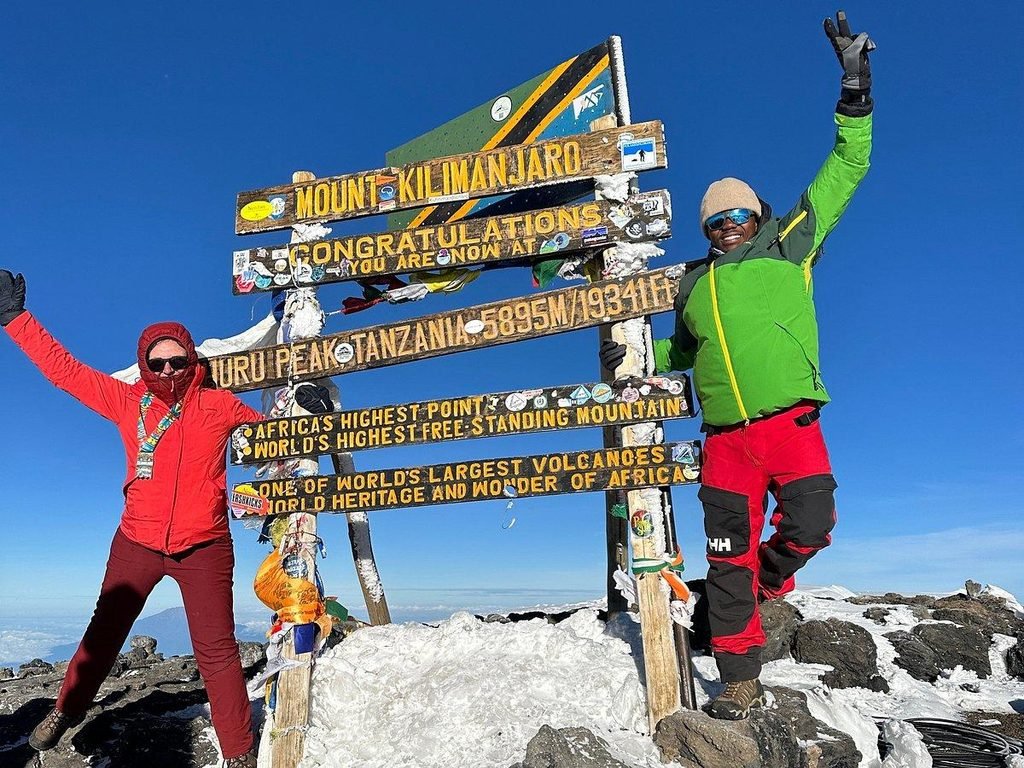
Prepare for Your 2027 or 2028 Kilimanjaro Climb with Eddy Tours & Safaris
Packing properly for Mount Kilimanjaro is about choosing equipment that keeps you comfortable and prepared for changing mountain conditions. From waterproof hiking boots and moisture-wicking clothing to insulated jackets, sleeping bags and summit-night accessories, every essential item serves a practical purpose during the expedition. Taking time to organize and test your equipment before departure can help you avoid unnecessary discomfort once the climb begins.
However, equipment alone does not guarantee reaching Uhuru Peak. Choosing a suitable route, allowing sufficient time for acclimatization, preparing physically and following your mountain guide’s instructions are equally important. Travelers who are planning their first Kilimanjaro climb should consider longer itineraries with additional acclimatization opportunities rather than selecting a route solely because it is shorter or less expensive.
At Eddy Tours & Safaris, we help travelers organize guided Kilimanjaro climbing expeditions for 2027 and 2028. Our team can discuss suitable climbing routes, equipment requirements, mountain accommodation, available rental arrangements and travel plans before preparing a detailed quotation.
Request Your Kilimanjaro Climbing Quotation
Chat with Eddy Tours & Safaris on WhatsApp
Email: sales@eddytours-safaris.com
Contact our team to prepare for your Kilimanjaro adventure with the right equipment, a suitable itinerary and mountain safety as the priority.