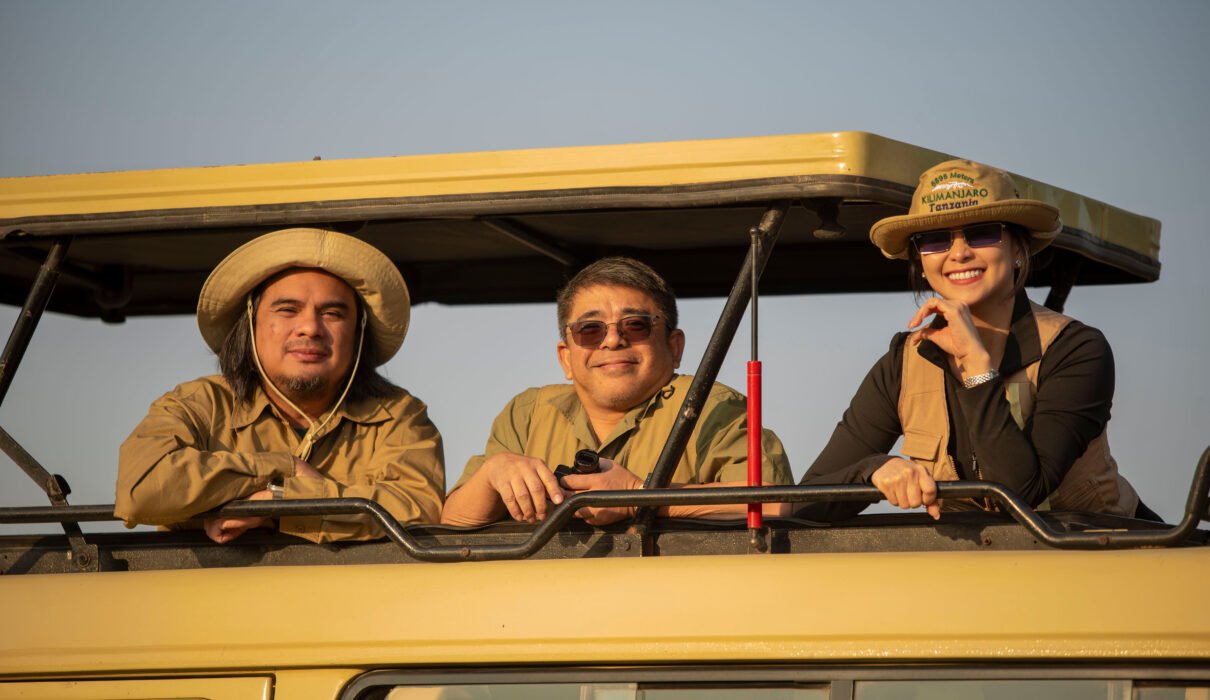
Disney’s Kilimanjaro Safaris vs a Real Tanzania Safari is one of the most confusing comparisons for first-time travelers because both experiences use the same words — wildlife, Africa and safari — yet they are built for completely different purposes. One is a carefully controlled attraction inside a theme park, and the other is a living, working conservation landscape where wildlife moves freely and local communities depend on healthy ecosystems for survival.
This guide explains the real differences in a simple and honest way, using wildlife research, conservation science and field realities from Tanzania. If you are planning your journey with a professional local operator such as Eddy Tours & Safaris, understanding these differences will help you choose a safari experience that supports nature, communities and your own expectations in a meaningful way.
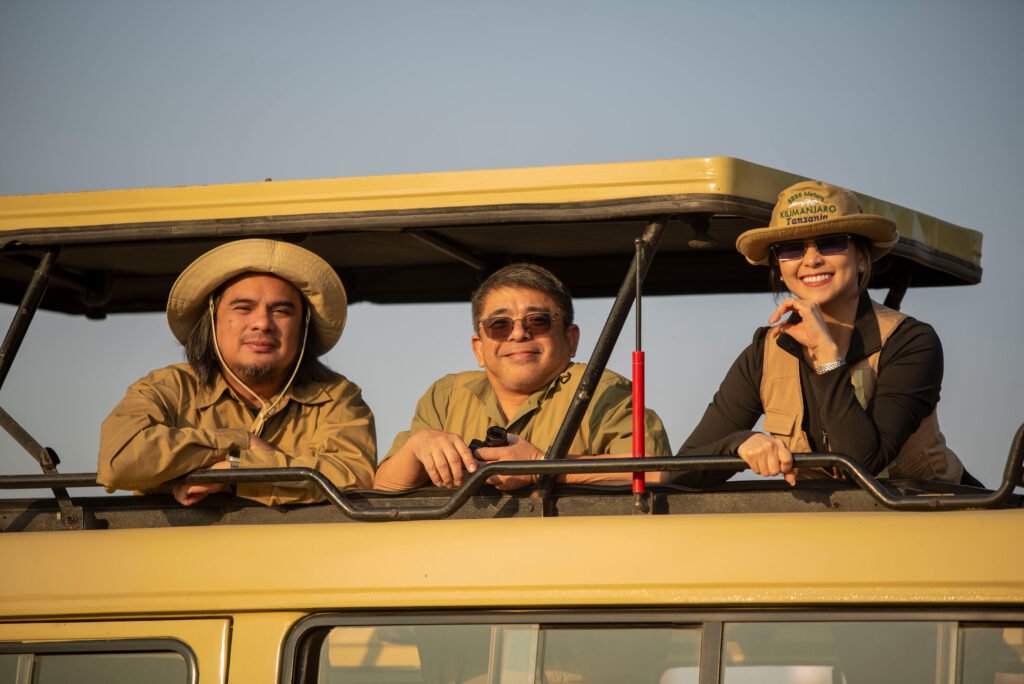
Disney’s Kilimanjaro Safaris vs a Real Tanzania Safari and how wildlife truly lives
When people search for Disney’s Kilimanjaro Safaris vs a Real Tanzania Safari, the first question is always about animals. In a real Tanzanian ecosystem, wildlife movement follows food availability, water access, seasonal rainfall and human land use. Research from the Save the Elephants organization shows how elephant migration routes cover enormous distances and change constantly in response to landscape pressure.
Large-scale wildlife monitoring led by the Wildlife Conservation Society and long-term ecosystem studies by the World Wide Fund for Nature confirm that African wildlife does not follow predictable daily patterns. In a real Tanzania safari, animals may appear suddenly, disappear for hours, or change location overnight, because the land itself is alive and dynamic.
Disney’s Kilimanjaro Safaris vs a Real Tanzania Safari and conservation impact
The most important difference in Disney’s Kilimanjaro Safaris vs a Real Tanzania Safari is conservation value. Protected areas in Tanzania contribute directly to habitat protection, anti-poaching operations and community development. The African Wildlife Foundation documents how tourism revenue supports wildlife corridors and ranger programs across East Africa.
Global conservation assessments coordinated by the International Union for Conservation of Nature show that protected landscapes in Africa are essential for preventing species extinction. Real safari tourism feeds into park management systems, conservation research and local employment in ways that cannot be replicated by controlled entertainment environments.
Disney’s Kilimanjaro Safaris vs a Real Tanzania Safari and real ecosystems
Understanding Disney’s Kilimanjaro Safaris vs a Real Tanzania Safari requires understanding what an ecosystem truly is. Tanzania’s savannahs, wetlands and woodlands are complex systems driven by rainfall, soil types and climate variability. Environmental research from the United Nations Environment Programme and biodiversity assessments coordinated by IPBES confirm that African landscapes are among the most biologically rich and fragile on the planet.
Scientific habitat mapping produced by the United States Geological Survey and land-use studies supported by the Food and Agriculture Organization show how grazing pressure, agriculture and climate stress interact with wildlife distribution. On a real safari, visitors witness these realities directly, not through staged environments.
Disney’s Kilimanjaro Safaris vs a Real Tanzania Safari and animal welfare
Another sensitive aspect of Disney’s Kilimanjaro Safaris vs a Real Tanzania Safari is animal welfare. In Tanzania, animals are not managed for visitor experience. They survive through natural competition, predator–prey relationships and seasonal resource availability. Research programs led by the Smithsonian Conservation Biology Institute and field studies published by Panthera show how large carnivores depend on wide, connected habitats to remain genetically healthy.
Real safari tourism supports these conservation programs by generating funds that strengthen protected area management and scientific research. This is fundamentally different from controlled display environments where animal movement and interactions are designed primarily for viewing.
Disney’s Kilimanjaro Safaris vs a Real Tanzania Safari and climate reality
The contrast in Disney’s Kilimanjaro Safaris vs a Real Tanzania Safari becomes even clearer when climate is considered. Tanzania’s wildlife systems are directly influenced by climate variability. Climate observation programs from NASA Earth Observatory and global climate assessments coordinated by the Intergovernmental Panel on Climate Change show that rainfall patterns strongly influence animal movement and vegetation growth.
Marine and freshwater climate research from NOAA further confirms how shifting weather systems affect river flows, wetland productivity and grazing areas. On a real safari, visitors experience these seasonal changes directly and understand why some wildlife sightings are unpredictable but authentic.
Disney’s Kilimanjaro Safaris vs a Real Tanzania Safari and local communities
One of the most powerful differences in Disney’s Kilimanjaro Safaris vs a Real Tanzania Safari is the human connection. Community-based conservation models documented by African Parks show how tourism revenue supports education, healthcare and ranger employment in rural regions surrounding protected areas.
Social impact and livelihood studies supported by Oxfam International demonstrate that responsible tourism directly improves household stability when revenue is fairly distributed. In a real Tanzania safari, guests interact with professional local guides, drivers and hospitality staff whose families depend on sustainable wildlife protection.
Disney’s Kilimanjaro Safaris vs a Real Tanzania Safari and scientific research
In the comparison of Disney’s Kilimanjaro Safaris vs a Real Tanzania Safari, real safari destinations also function as outdoor laboratories. Long-term biodiversity monitoring conducted by the National Geographic Society and ecological studies published through Nature Research rely heavily on protected landscapes such as those found in northern Tanzania.
Field data collected by the Wildlife Conservation Society Africa programs contribute to global conservation policy and land-use planning. Visitors on real safaris are present inside landscapes that generate scientific knowledge, not within simulated representations.
Disney’s Kilimanjaro Safaris vs a Real Tanzania Safari and safety in the wild
Safety is another misunderstood part of Disney’s Kilimanjaro Safaris vs a Real Tanzania Safari. In Tanzania, safety is managed through professional training, wildlife behavior understanding and strict park regulations. Health and field safety guidance provided by the World Health Organization and outdoor risk frameworks supported by international research institutions emphasize preparation, trained leadership and environmental awareness.
Real safari operators work with park authorities, conservation rangers and emergency systems to manage risk in unpredictable environments. This professional structure allows guests to explore authentic wildlife areas while maintaining responsible safety standards.
Disney’s Kilimanjaro Safaris vs a Real Tanzania Safari and cultural depth
In Disney’s Kilimanjaro Safaris vs a Real Tanzania Safari, cultural learning is often overlooked. Tanzania is home to diverse communities whose traditional land management practices influence wildlife conservation outcomes. Research into indigenous land stewardship by UNESCO and community conservation studies supported by the IUCN Governance and Rights Programme demonstrate how culture and conservation are deeply connected.
A real safari allows travelers to learn directly from local professionals who understand these landscapes not as attractions, but as home.
Disney’s Kilimanjaro Safaris vs a Real Tanzania Safari and economic reality
The economic contrast in Disney’s Kilimanjaro Safaris vs a Real Tanzania Safari is significant. Tourism income in Tanzania supports national parks, ranger salaries, road maintenance and conservation infrastructure. Development research published by the World Bank Environment Program highlights how nature-based tourism contributes to long-term conservation financing in developing economies.
Choosing a real safari helps keep conservation viable, while strengthening local businesses and professional careers in wildlife management and hospitality.
Disney’s Kilimanjaro Safaris vs a Real Tanzania Safari and what you actually experience
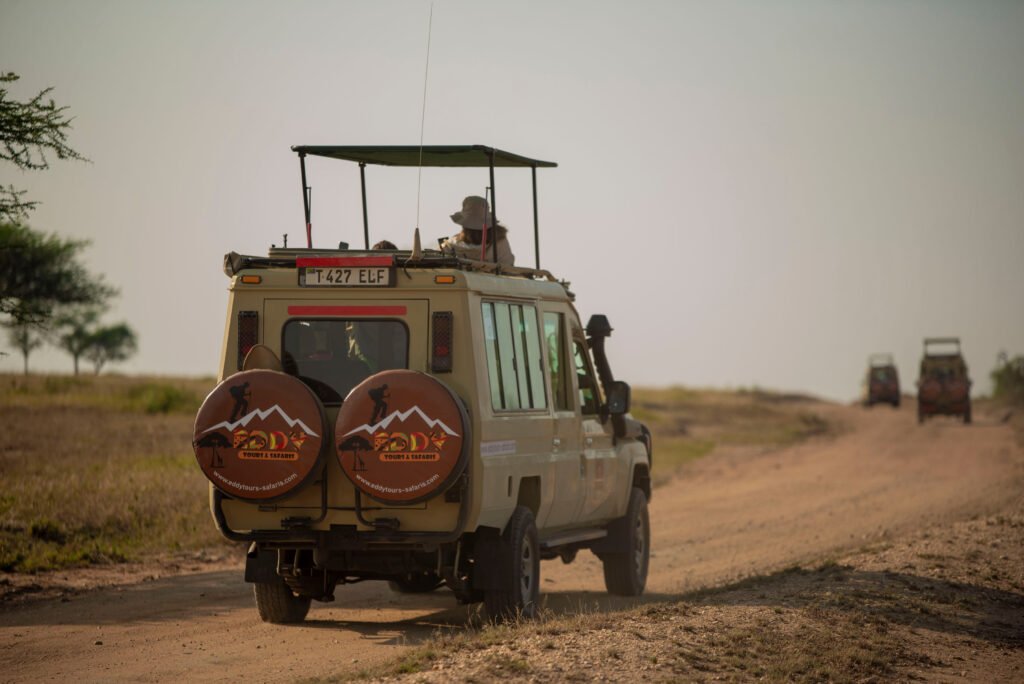
From a visitor’s point of view, Disney’s Kilimanjaro Safaris vs a Real Tanzania Safari becomes a question of depth. In Tanzania, long game drives, quiet tracking moments and sudden wildlife encounters create emotional experiences that cannot be scheduled. Professional itineraries designed by experienced Tanzania safari specialists allow travelers to explore multiple habitats, follow wildlife patterns and adapt daily plans based on conditions in the field.
For travelers who combine wildlife viewing with iconic landscapes, working with local safari professionals ensures access to knowledgeable guides and responsible travel standards that prioritize conservation over convenience.
Disney’s Kilimanjaro Safaris vs a Real Tanzania Safari for responsible travelers
Responsible travel choices sit at the heart of Disney’s Kilimanjaro Safaris vs a Real Tanzania Safari. Conservation organizations such as the Conservation International Africa Program and global sustainability frameworks promoted by the United Nations Sustainable Development Goals emphasize that tourism must support environmental protection and community resilience.
Real safari travel in Tanzania aligns directly with these goals by financing wildlife protection, supporting local employment and preserving landscapes that would otherwise face increasing pressure.
Why choosing a real Tanzania safari truly matters
At the end of the comparison, Disney’s Kilimanjaro Safaris vs a Real Tanzania Safari is not about entertainment versus adventure. It is about witnessing real ecosystems, supporting real conservation work and connecting with real people who protect wildlife every day. A true safari does not promise guaranteed sightings, but it delivers genuine understanding of how nature survives under modern pressures.
If you are ready to move beyond staged experiences and discover Africa as it truly exists, you can begin your journey with professional local support through direct safari planning with local experts. Your decision does more than create memories. It actively contributes to the future of wildlife and communities in Tanzania.