
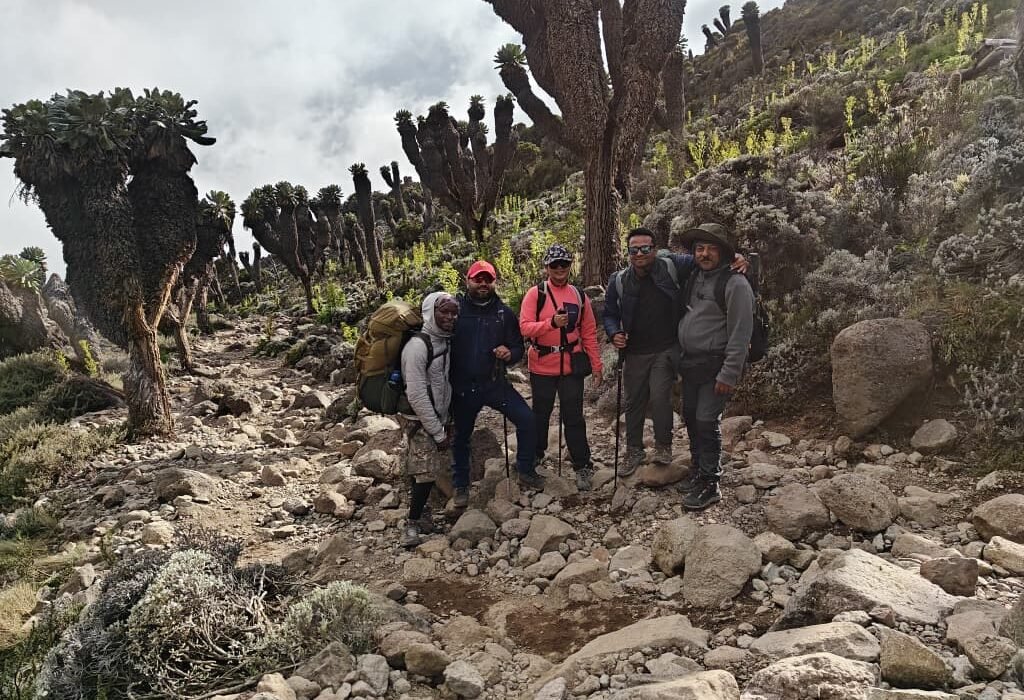
Kilimanjaro Summit Success Rate Explained is the question most serious climbers ask once they move beyond inspiration and start planning a real, responsible and safe attempt on Africa’s highest peak. Many people believe reaching the summit is only about fitness or mental strength, but real success depends on how your body adapts to altitude, how your itinerary is designed, and how professionally your climb is managed from the very first day.
This guide explains what truly influences summit success using medical research, conservation data, and internationally recognised outdoor safety standards. It is written for travellers who want honest answers, not marketing promises. If you are preparing your climb with a trusted local team such as Eddy Tours & Safaris, understanding these facts can help you choose the right route, the right pace and the right level of support for a successful and meaningful journey.
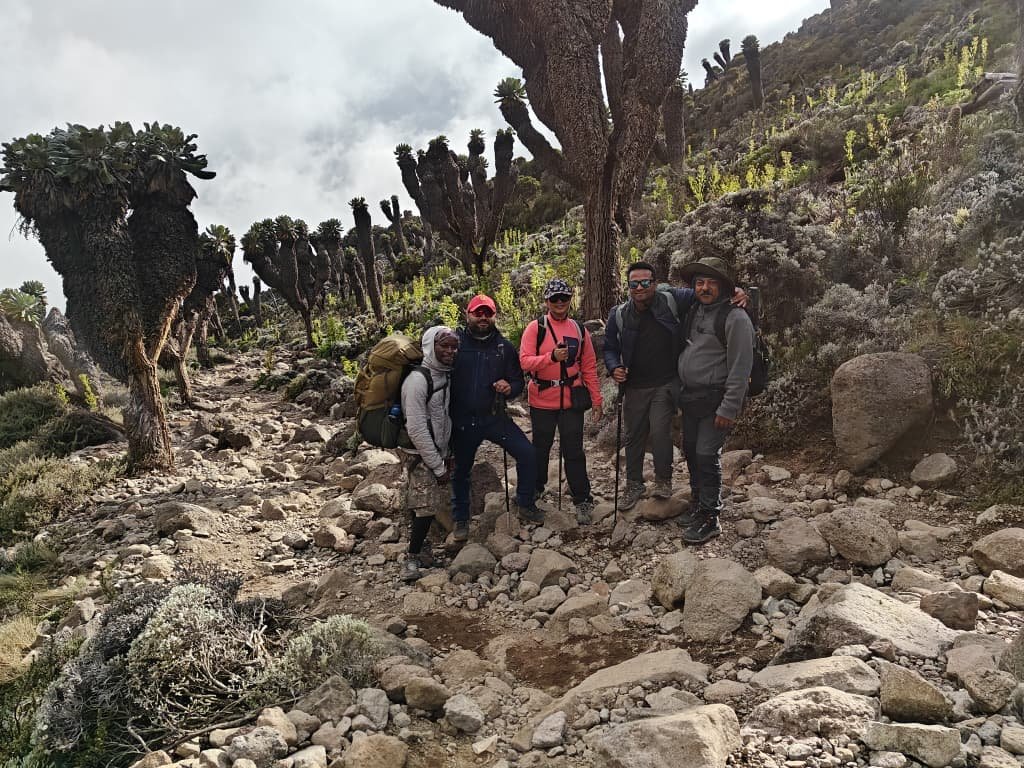
Kilimanjaro Summit Success Rate Explained through altitude science
When people ask for a realistic Kilimanjaro Summit Success Rate Explained using medical science, the dominant factor is altitude acclimatisation. The human body requires time to adapt to decreasing oxygen pressure, and research published through the U.S. National Library of Medicine and PubMed confirms that gradual ascent profiles significantly increase successful high-altitude outcomes.
The Centers for Disease Control and Prevention and the International Society for Mountain Medicine both explain that the body adapts through complex physiological changes affecting oxygen delivery, heart rate and fluid balance. Faster ascents may look cheaper or shorter, but studies supported by the World Health Organization show that slower, staged climbs dramatically reduce altitude illness and improve completion rates.
Kilimanjaro Summit Success Rate Explained by route design and pacing
Another essential part of Kilimanjaro Summit Success Rate Explained is the structure of the itinerary itself. Outdoor leadership and expedition research promoted by the National Outdoor Leadership School demonstrates that daily walking distances, rest timing and elevation gain patterns directly influence climber resilience and recovery.
Professional operators design routes that follow altitude principles recommended by the International Climbing and Mountaineering Federation. These standards focus on limiting daily vertical gain and including controlled acclimatisation walks. When travellers choose structured itineraries offered by experienced local teams such as Kilimanjaro climbing programs, their overall summit probability increases because the schedule works with the body rather than against it.
Kilimanjaro Summit Success Rate Explained through weather and climate influence
Many people overlook how strongly weather affects Kilimanjaro Summit Success Rate Explained in real operational conditions. Kilimanjaro crosses several climate zones, and even small shifts in wind and temperature can influence fatigue, hydration and cold stress. Climate research from NASA Climate and long-term environmental monitoring by the Intergovernmental Panel on Climate Change show that high-altitude environments are highly sensitive to short-term weather variability.
Environmental studies coordinated through UN Environment Programme and the International Union for Conservation of Nature highlight how changing mountain ecosystems influence trail conditions and water availability. Professional teams monitor forecasts carefully and adjust daily timing, ensuring climbers reach higher camps before fatigue and exposure begin to undermine performance.
Kilimanjaro Summit Success Rate Explained using medical preparedness
Understanding Kilimanjaro Summit Success Rate Explained also requires examining health screening and field medical readiness. Research supported by Johns Hopkins Medicine and the Cleveland Clinic shows that early detection of altitude symptoms allows for rapid corrective actions such as rest, hydration and descent.
Global emergency response standards developed by the International Federation of Red Cross and Red Crescent Societies and the International Red Cross emphasize communication systems, evacuation protocols and medical training as essential for safe operations in remote terrain. Kilimanjaro operations that integrate these systems maintain stronger response capability when conditions change unexpectedly.
Kilimanjaro Summit Success Rate Explained through environmental protection and park management
Park management plays a silent but powerful role in Kilimanjaro Summit Success Rate Explained. Protected area frameworks supported by the World Wide Fund for Nature, the African Wildlife Foundation and Conservation International confirm that well-regulated tourism corridors improve trail safety, water access and emergency response reliability.
Scientific conservation planning promoted by the Food and Agriculture Organization and geological monitoring through the United States Geological Survey contribute to sustainable land use practices that stabilise trails and camps. Strong environmental governance creates predictable infrastructure and reduces accident risk caused by erosion and overcrowding.
Kilimanjaro Summit Success Rate Explained for first-time high-altitude climbers
For beginners, Kilimanjaro Summit Success Rate Explained is often associated with fear of failure. Academic research programmes at the Harvard T.H. Chan School of Public Health and physiological studies published in Frontiers in Physiology indicate that previous high-altitude experience is helpful but not required when proper acclimatisation and supervision are applied.
What matters most is discipline in pacing, hydration, nutrition and honest communication with guides. Climbers who select professional local support such as experienced Tanzanian trekking operators benefit from daily health monitoring and practical guidance that first-time visitors would struggle to manage alone.
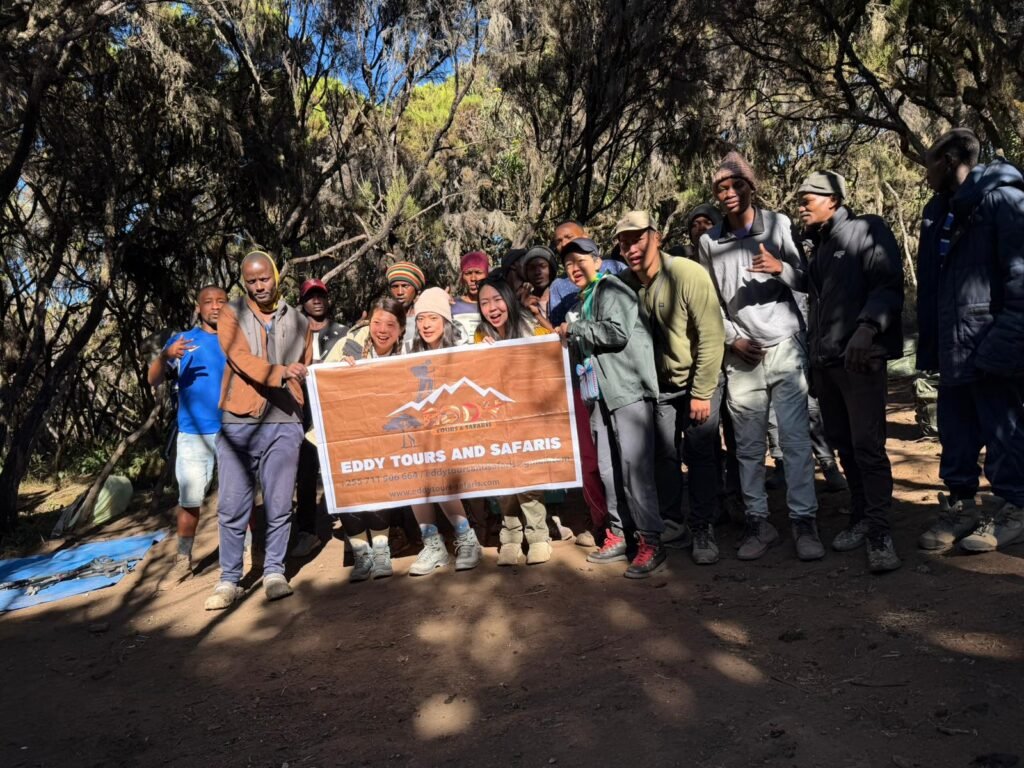
Kilimanjaro Summit Success Rate Explained through leadership and guide training
Guide competence remains one of the strongest predictors in Kilimanjaro Summit Success Rate Explained. Leadership studies and expedition behaviour research published through ScienceDirect and peer-reviewed journals such as Nature show that decision-making quality during fatigue and stress strongly affects group outcomes.
Professional guide development programs informed by international outdoor leadership models encourage calm problem-solving, early symptom recognition and realistic summit decisions. Strong leaders understand that turning around early may preserve long-term safety and future climbing opportunities, rather than forcing risky progress.
Kilimanjaro Summit Success Rate Explained compared to other global mountains
Comparative mountain research helps clarify Kilimanjaro Summit Success Rate Explained at a global level. Risk reduction frameworks from the World Bank Disaster Risk Management programme and academic studies from the University of Oxford research networks indicate that structured access, ranger coordination and operator regulation substantially improve success and safety indicators.
Kilimanjaro benefits from controlled entry systems and mandatory guide use, which create reliable operational standards that many remote mountain regions lack. This structure directly supports consistent summit outcomes for properly prepared climbers.
Kilimanjaro Summit Success Rate Explained through ethics and porter welfare
Ethical operations also influence Kilimanjaro Summit Success Rate Explained in ways many visitors overlook. Labour protection frameworks developed by the International Labour Organization and community advocacy by Oxfam International show that fair working conditions improve team performance, morale and communication.
Healthy, respected porters and crew members are more attentive to client needs, trail hazards and weather changes. This strengthens overall group stability and directly improves the likelihood of safe summit attempts.
Kilimanjaro Summit Success Rate Explained for long-term health and recovery
Many travellers ask whether short-term exposure affects future health. Research summarised in medical literature available through PubMed Central and review studies published by Frontiers Journals indicates that healthy individuals experience no permanent negative effects when climbs follow conservative altitude profiles.
Good nutrition, hydration and controlled physical effort are central to post-climb recovery. Professional itineraries allow the body to return to normal physiological balance quickly after descent.
Kilimanjaro Summit Success Rate Explained for responsible planning and booking
In real life, Kilimanjaro Summit Success Rate Explained becomes meaningful only when it guides better planning decisions. Rushed itineraries, undertrained crews and poor logistics create unnecessary risk. Thoughtful route selection and realistic timelines allow your body and mind to stay strong until summit day.
Climbers who value honest advice and professional structure often choose experienced local support such as direct consultation with local experts. Working with teams that understand daily mountain conditions improves communication, flexibility and personal confidence throughout the climb.
What truly improves your chance of standing on the summit
So, what does Kilimanjaro Summit Success Rate Explained really teach us? It shows that success is not accidental. It is created through acclimatisation science, leadership quality, ethical operations and respect for environmental limits. Physical strength alone is not enough, and shortcuts often lead to disappointment or unnecessary medical risk.
If your goal is a safe, meaningful and well-supported journey to the roof of Africa, careful planning with responsible professionals makes the greatest difference. For travellers who want realistic expectations, transparent safety practices and local knowledge, working with trusted Kilimanjaro specialists offers the strongest foundation for a confident and successful summit experience.