
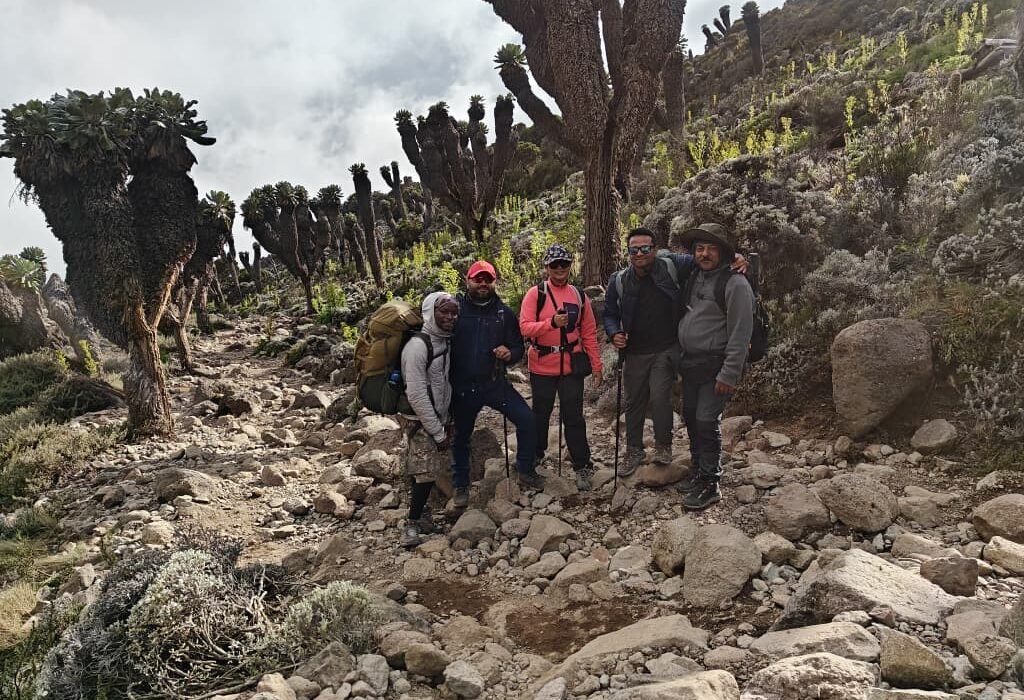
Kilimanjaro Tour Operators : Choosing a Kilimanjaro tour operator can feel more complicated than choosing the route itself. Company websites promise experienced guides, comfortable camps and impressive summit results. Reviews often sound enthusiastic, while prices can differ substantially for itineraries carrying the same route name.
The challenge is understanding what those differences mean for your climb.
A useful comparison goes beyond identifying familiar brands. It examines the actual itinerary, guiding arrangements, crew welfare, emergency procedures and booking terms. It also asks who operates the expedition when the company selling it uses a separate local provider.
This guide introduces seven Kilimanjaro tour operators to research and seven practical reasons to look closely before booking. The companies are presented as a comparison shortlist, not an independently verified ranking of the safest or best operators.
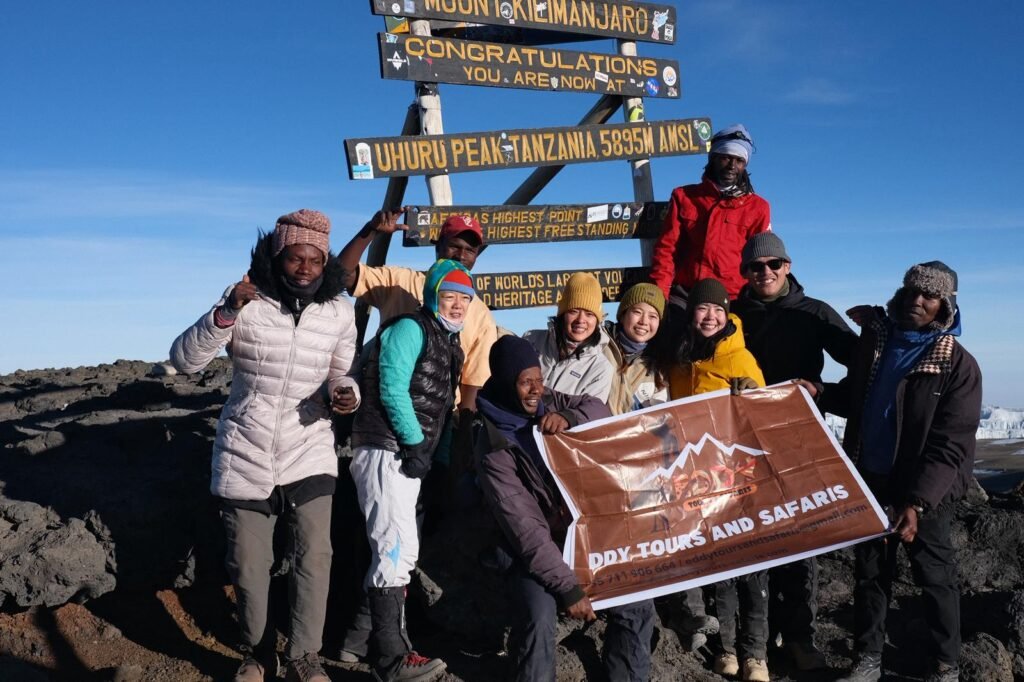
This article is published by Eddy Tours & Safaris, which is included openly. Apply the same questions to Eddy Tours & Safaris as to every other company.
Use the descriptions below to start your research. Confirm current availability, service details and operating arrangements directly before making a decision.
1. Eddy Tours & Safaris
Eddy Tours & Safaris advertises Kilimanjaro climbs alongside wildlife safaris and Zanzibar holidays. Its website lists Machame, Marangu, Rongai, Lemosho, Northern Circuit, Umbwe and Shira among its climbing options.
It is a company to contact if you want to discuss a climb as part of a broader Tanzania itinerary.
Request the complete proposed route, actual trekking days, overnight stops and package inclusions. Ask about guide coverage, health monitoring, descent arrangements and porter welfare.
If you want a private climb or a group departure, confirm which format is available for your dates. Neither should be assumed from a general route page.
Useful question: Can you provide one written proposal showing the mountain itinerary, supporting services and any safari or Zanzibar extension?
2. Altezza Travel
Altezza Travel publishes scheduled group climbs and information about its Kilimanjaro services.
A departure calendar can help you compare dates, but review the specific arrangements behind the listing.
Ask about group size, guide coverage and how the team manages different walking speeds. Confirm the exact route duration and which accommodation or transfers are included.
If considering a private option, request a separate quotation rather than assuming it is simply the group price multiplied by your number of travellers.
Useful question: How will this departure accommodate different paces, and what happens if one person needs to descend?
3. African Scenic Safaris
African Scenic Safaris describes itself as a locally owned, Moshi-based operator offering Kilimanjaro climbs and Tanzania safaris.
Its website also discusses ethical trekking and crew treatment. Read those statements and independently check any current programme participation claimed.
When requesting an itinerary, explain your experience and available preparation time. Ask why the proposed route and duration fit your circumstances.
For a combined holiday, check the sequence of trekking, rest and onward travel.
Useful question: How are your stated crew-welfare practices applied to the expedition being quoted?
4. Zara Tanzania Adventures
Zara Tanzania Adventures offers Kilimanjaro trekking options across several routes.
Compare the particular itinerary rather than the route name alone. Confirm the number of trekking days, accommodation arrangements and any acclimatisation day.
Ask which hotel nights, transfers, meals and equipment are included. A clear quotation should distinguish the mountain package from optional additions.
Useful question: What is the complete cost for my dates and group, including required services and any supplements?
5. Team Kilimanjaro
Team Kilimanjaro focuses on Kilimanjaro climbing and publishes information about route variations and service choices.
For any variation, ask for the daily schedule and overnight elevations. A distinctive route name does not explain its practical demands.
If comparing service levels, identify the actual differences in staffing, equipment, accommodation and meals.
Useful question: Which differences between these options affect the trekking experience, and which concern additional comfort?
6. Ultimate Kilimanjaro
Ultimate Kilimanjaro specialises in Kilimanjaro climbing services and publishes substantial preparation material.
Use that material to inform your questions, then verify what applies to your own booking.
Confirm who operates the trek locally, the group arrangements and which equipment or rentals are included. General website guidance is not automatically a contractual inclusion.
Useful question: Which team delivers my climb in Tanzania, and where are the responsibilities explained in the booking documents?
7. Kandoo Adventures
Kandoo Adventures offers Kilimanjaro itineraries within its broader trekking programme.
For an international booking, establish both the contracting business and the team operating locally.
Ask how pre-departure communication, itinerary changes and concerns on arrival are handled. Review cancellation terms and any optional services carefully.
Useful question: Who is responsible for each stage of the trip, from booking through the final transfer?
A Quick Comparison Checklist
| Operator | A useful starting point |
|---|---|
| Eddy Tours & Safaris | Complete climb and wider Tanzania itinerary |
| Altezza Travel | Group departures and pace management |
| African Scenic Safaris | Local operations and welfare arrangements |
| Zara Tanzania Adventures | Route versions and package inclusions |
| Team Kilimanjaro | Route variations and service differences |
| Ultimate Kilimanjaro | Specialist planning and local delivery |
| Kandoo Adventures | Booking contract and operating responsibilities |
These are research priorities, not scores. A company’s answers about your proposed departure matter more than its position in a list.
Seven Honest Reasons to Compare Operators Carefully
1. The Same Route Name Can Hide Different Itineraries
Two companies can both advertise “Lemosho” while offering different trekking durations, camps and daily demands.
Likewise, a total package length may include hotel nights. An eight-day holiday is not necessarily eight days trekking.
Request a day-by-day itinerary showing overnight locations and elevations. Ask what an additional day contributes rather than assuming it is automatically an acclimatisation day.
Accommodation preference also matters. TANAPA’s Kilimanjaro visitor guide explains that Marangu uses mountain huts, while other trekking routes use designated camping arrangements.
What to do: Compare the schedule, not just the title printed above it.
2. A Safety Claim Needs a Practical Explanation
“Safety first” is a useful intention, but it does not describe the expedition’s procedures.
Ask how guides assess concerns, who makes turnaround decisions and how a climber is accompanied during descent. Find out how the remaining group is supported if someone leaves early.
Discuss communication and emergency equipment, including who is trained to use it. Equipment alone does not establish an effective response plan.
For the operator itself, request relevant registration and licensing details under its legal business name.
What to do: Look for clear processes and accountable people rather than relying on reassurance.
3. Fitness and Altitude Are Different Issues
Physical preparation helps you manage trekking effort. It does not guarantee a suitable response to altitude.
The CDC identifies ascent rate and individual susceptibility among the factors affecting altitude illness, and states that fitness does not protect against it. Its high-altitude travel guidance supports an informed discussion about the proposed climb.
Ask why the itinerary is appropriate for your available time and experience. Where relevant, review it with a qualified clinician.
Do not accept the suggestion that determination or excellent fitness removes the need for altitude planning.
What to do: Evaluate the ascent profile separately from your training programme.
4. Summit Percentages May Not Be Comparable
An advertised success rate needs a definition.
Ask whether it refers to Uhuru Peak, which routes and years are included, and how many climbers started. Establish whether everyone who began the expedition is counted.
A figure covering a particular itinerary cannot automatically describe every departure the company sells. Small samples and different definitions can also make comparisons misleading.
A responsible turnaround should not be treated as a failure of service simply because it lowers a percentage.
What to do: Request the basis of the number. If it cannot be explained, do not use it as your main reason to book.
5. Porter Welfare Is Part of the Expedition
The climber-facing package reveals only part of the operation.
Ask about crew pay, workloads, food, shelter, suitable equipment and support when someone becomes ill. Confirm how tips reach their intended recipients.
The Kilimanjaro Responsible Trekking Organization’s programme information describes welfare areas addressed through its voluntary programme.
Where an operator claims participation, verify the current position independently. This article does not assign any of the seven companies an accreditation or partnership status.
What to do: Apply welfare questions consistently, including when a company’s photographs or prices look impressive.
6. The Headline Price May Exclude Important Costs
A lower quotation may cover fewer services. A higher one may include extras you do not need.
Check park charges, accommodation, meals, staffing, transfers and equipment. Identify rentals, tips, insurance, flights and supplements separately.
Ask what happens financially if dates change or you leave the mountain early. Read the terms before paying.
Verify payment details through an established contact channel, particularly if they change unexpectedly.
What to do: Compare complete written quotations for a similar itinerary and service scope.
7. Reviews Reveal Experiences, Not Guarantees
Reviews can help you identify patterns in communication, equipment and problem handling.
Read beyond the star rating. Accounts describing how a company responded to a difficult situation may be especially useful.
A summit celebration does not establish that every decision was appropriate. An unsuccessful attempt does not necessarily indicate poor guiding.
Notice whether the operator responds clearly to criticism. Avoid drawing a conclusion from one brief review or a collection of repeated slogans.
What to do: Use reviews alongside documents and direct questions, rather than replacing those checks.
How to Build Your Own Shortlist
Choose two or three operators whose available itineraries fit your dates and needs.
Send each the same information: number of climbers, preferred dates, available trekking days, experience, accommodation preferences and any extension plans.
Request comparable proposals. Then review the differences in itinerary, services, terms and communication.
If one response is unclear, ask a focused follow-up. The quality of that explanation can help you decide whether the company is a suitable fit.
You do not need to contact every operator on this list. A smaller, carefully reviewed shortlist is often more manageable.
Frequently Asked Questions
Which of these is the best operator?
This guide does not establish an overall winner. Choose based on the evidence and arrangements for your particular climb.
Have these companies been independently safety-audited for this article?
No. Their published services informed the shortlist. Inclusion is not an audit or certification.
Are all seven headquartered in Tanzania?
No. Some are Tanzania-based businesses; others are international brands selling climbs in Tanzania. Confirm the local operating arrangements.
Can an operator guarantee the summit?
No. Weather, health and individual altitude response remain uncertain.
Should I choose the cheapest package?
Only after understanding its scope. Price alone does not establish either poor or good service.
Who did the author personally climb with?
No personal climb is claimed here. A first-hand account should be added only when a real traveller supplies it.
Compare a Proposal From Eddy Tours & Safaris
An informed choice begins with an itinerary you understand and an operator that answers your questions clearly.
To request a proposal from Eddy Tours & Safaris, share your dates, group size, trekking experience and available time. Ask for the full itinerary, price, guiding arrangements and porter-welfare information so you can compare it fairly.
Website: eddytours-safaris.com
Email: eddytoursandsafaris@gmail.com
Sales enquiries: sales@eddytours-safaris.com
Phone and WhatsApp: +255 711 906 664