
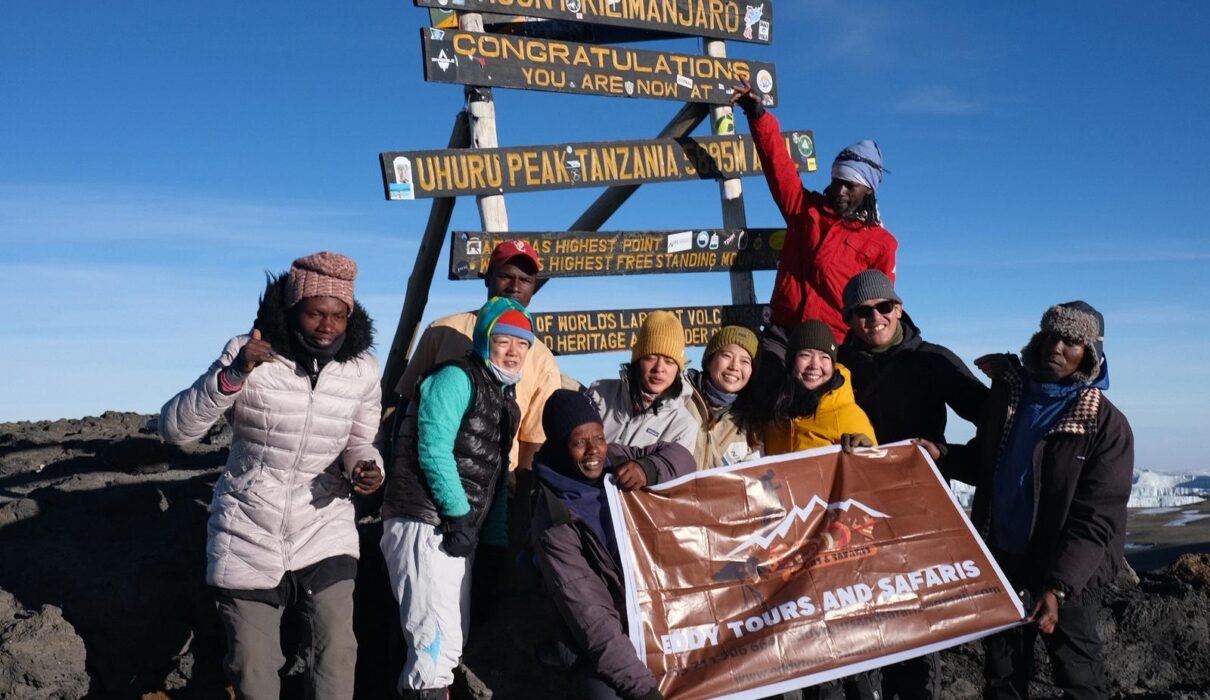
Kilimanjaro Water Sources Along Each Route 2026/2027/2028 is one of the most important topics every climber should understand before setting foot on Africa’s tallest mountain. Water is not just a necessity—it is a lifeline at high altitude, where dehydration can quickly lead to fatigue, headaches, and altitude sickness. Understanding where water comes from, how it is managed, and how it varies by route can make the difference between a successful summit and a difficult experience.
Mount Kilimanjaro offers several routes, each with unique landscapes, ecosystems, and water availability. From lush rainforest streams to glacier-fed sources higher up, every route presents different conditions that trekkers must prepare for carefully.
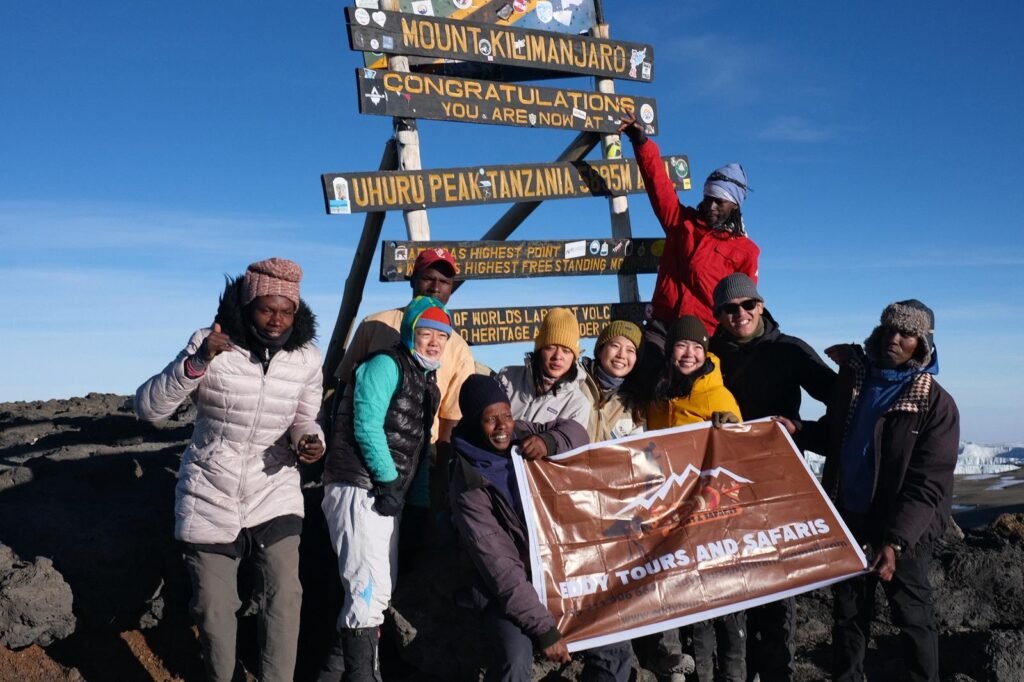
Understanding Kilimanjaro Water Sources Along Each Route 2026/2027/2028
Water on Mount Kilimanjaro primarily comes from natural springs, streams, and collected rainwater. These sources are found mainly in the lower and mid-altitude zones, particularly within the rainforest and moorland areas. As climbers ascend, natural water becomes scarce, and reliance shifts to water carried by porters or melted from ice.
The mountain’s ecosystem plays a vital role in sustaining these sources. Rainfall in the lower regions feeds streams, while glaciers and snowfields historically contributed to higher-altitude water. However, climate change has reduced glacial coverage, making water management more critical than ever.
Guided expeditions ensure that water is collected safely and treated before consumption. Reputable operators like Eddy Tours & Safaris prioritize clean water supply by boiling and filtering water daily for climbers.
For scientific insights on water ecosystems, refer to Nature Research and United Nations Environment Programme, which provide valuable environmental data.
Water Availability by Kilimanjaro Routes
Machame Route Water Sources
The Machame Route, often called the “Whiskey Route,” has relatively consistent water availability in the early stages. Streams in the rainforest zone provide fresh water, which is collected and treated by porters.
As climbers move above Shira Camp, natural water sources become limited. Water must be carried from lower elevations, making planning essential.
For more route insights, visit Kilimanjaro Climb Specialist.
Lemosho Route Water Sources
The Lemosho Route offers abundant water in the first few days due to its extended rainforest section. Streams and small rivers are common, ensuring a steady supply early on.
However, once the route merges with Machame, water becomes less accessible. Climbers rely heavily on porters for water transport beyond this point.
Marangu Route Water Sources
The Marangu Route, known as the “Coca-Cola Route,” has established huts and structured water collection systems. Water is sourced from nearby streams and stored at camps.
This route offers slightly more predictable water access, but treatment is still necessary. According to World Health Organization, untreated mountain water can carry pathogens.
Rongai Route Water Sources
The Rongai Route approaches from the north and is drier compared to southern routes. Water sources are fewer, especially in the lower sections.
Trekkers must rely more on carried water, making hydration planning crucial. Environmental data from National Geographic highlights the dry conditions of northern Kilimanjaro.
Umbwe Route Water Sources
The Umbwe Route is steep and less frequented. Water is available in the rainforest zone but becomes scarce quickly as the route ascends.
This route requires efficient water management due to its rapid elevation gain and limited refill points.
Northern Circuit Route Water Sources
The Northern Circuit offers extended trekking days with varied water access. Early stages provide streams, but later sections rely on transported water.
This route’s length allows better acclimatization, which helps manage hydration needs effectively.
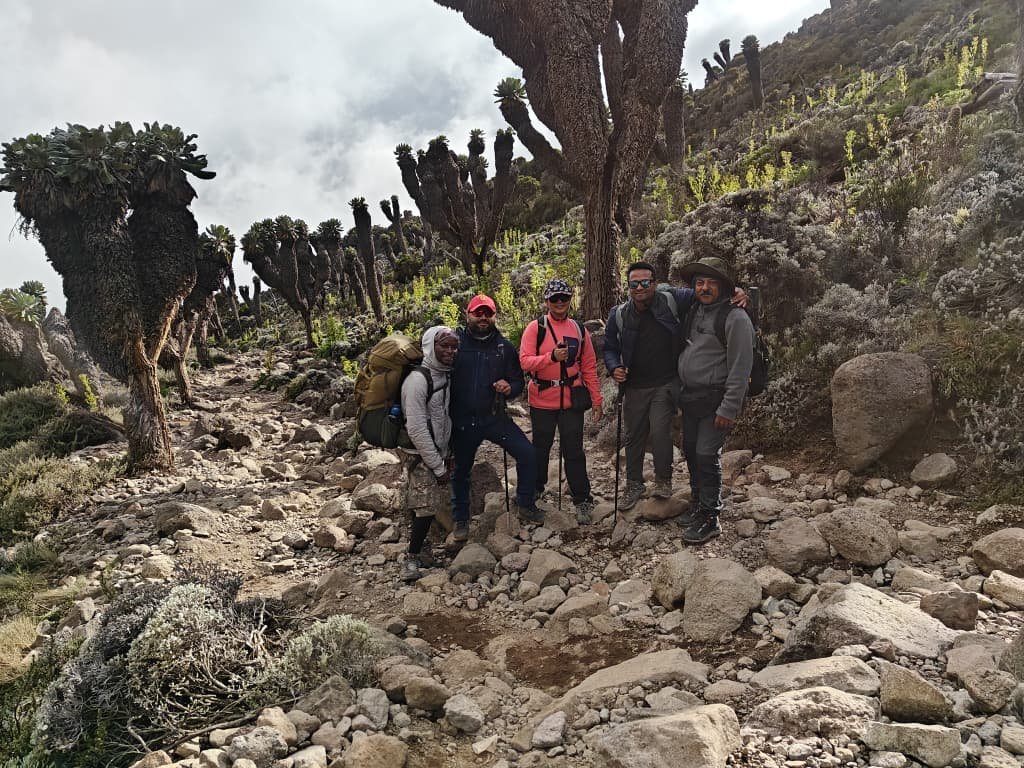
How Water is Collected and Treated on Kilimanjaro
Water collection on Kilimanjaro is handled by experienced porters who gather water from safe sources. It is then boiled, filtered, or treated with purification tablets.
Organizations like Centers for Disease Control and Prevention recommend boiling water as the most reliable method for eliminating pathogens.
Many trekking companies also use advanced filtration systems. Research from WaterAid emphasizes the importance of safe water practices in remote environments.
Importance of Hydration at High Altitude
Hydration is critical when climbing Kilimanjaro. At higher altitudes, the body loses water faster due to increased respiration and dry air.
Experts from Mayo Clinic suggest drinking at least 3–4 liters of water daily during high-altitude treks.
Dehydration can worsen altitude sickness symptoms, making consistent water intake essential for safety and performance.
Environmental Changes Affecting Water Sources
Climate change has significantly impacted Kilimanjaro’s water sources. Glaciers have been retreating rapidly, reducing long-term water availability.
Studies from NASA Climate and IPCC confirm that warming temperatures are affecting mountain ecosystems globally.
These changes highlight the need for sustainable trekking practices and responsible tourism.
Best Practices for Managing Water on Your Climb
Climbers should carry reusable water bottles or hydration systems. Insulated bottles help prevent freezing at higher altitudes.
Using purification tablets as a backup is also recommended. Information from Red Cross supports the use of multiple purification methods for safety.
Booking with reliable operators like Eddy Tours & Safaris ensures proper water management throughout the trek.
Why Choosing the Right Tour Operator Matters
Not all trekking companies provide the same level of water safety. Choosing a trusted operator ensures that water is properly treated and readily available.
Companies such as Eddy Tours & Safaris prioritize climber health by maintaining strict hygiene standards.
For additional safety guidelines, refer to UNICEF and FAO.
FAQs About Kilimanjaro Water Sources Along Each Route 2026/2027/2028
Is water readily available on all Kilimanjaro routes?
No, water availability varies by route. Southern routes have more sources, while northern routes are drier.
Do I need to carry my own water?
You should carry water daily, but porters provide treated water at camps.
Is it safe to drink mountain water?
Only after treatment. Boiling or filtering is essential to remove bacteria.
How much water should I drink per day?
At least 3–4 liters daily to stay hydrated at altitude.
What happens if water sources run out?
Guides plan ahead and carry sufficient water to avoid shortages.
Can I use water purification tablets?
Yes, they are a useful backup method for ensuring safe drinking water.
Conclusion
Understanding Kilimanjaro Water Sources Along Each Route 2026/2027/2028 is essential for a safe and enjoyable climb. Each route offers different challenges, but with proper planning, reliable guidance, and responsible practices, climbers can stay hydrated and healthy throughout the journey.
Choosing a professional operator like Eddy Tours & Safaris ensures that water safety is never compromised. With the right preparation, your Kilimanjaro adventure can be both rewarding and unforgettable.