
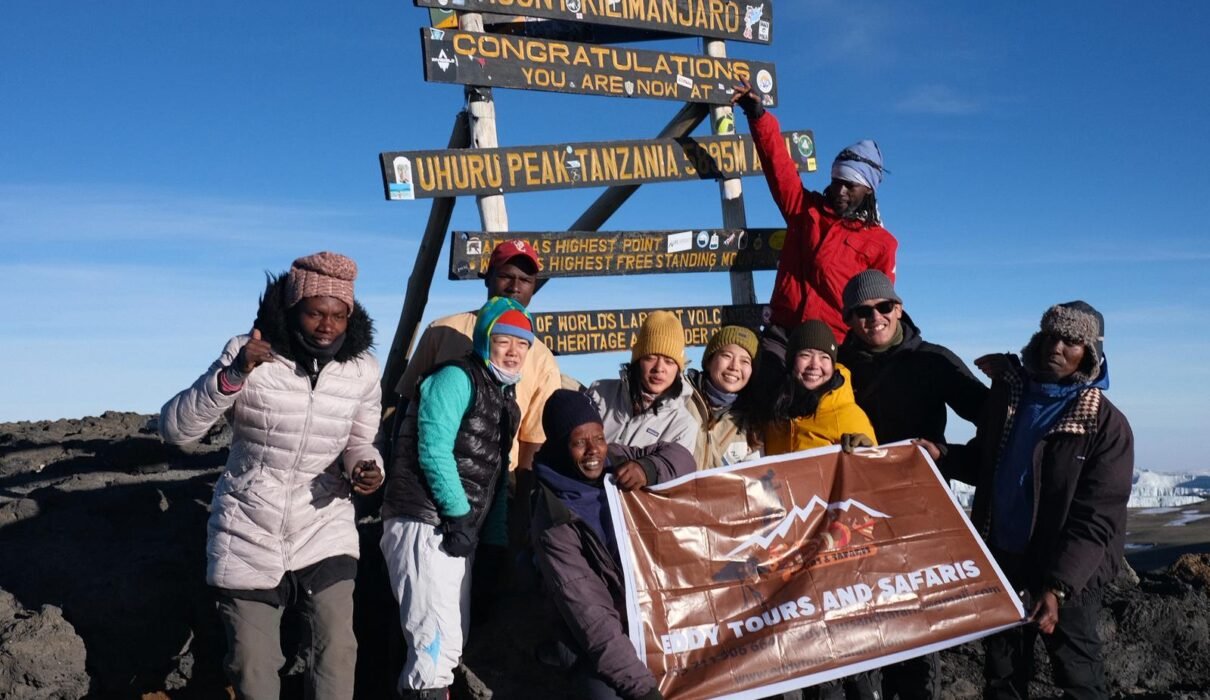
Where do climbers get drinking water while climbing Mount Kilimanjaro? This is one of the most important questions to ask before booking a trek. Unlike ordinary hiking trips, climbing Kilimanjaro involves spending several days at high altitude, where access to clean drinking water requires careful planning.
Mount Kilimanjaro has several established climbing routes, including Machame, Marangu, Lemosho, Rongai, Umbwe, Shira, and the Northern Circuit. Each route passes through different landscapes, and the availability of natural water sources changes as climbers gain altitude.
Some lower camps are located near streams or other water sources, while higher camps may have little or no reliable natural water. This is why professional mountain crews plan water collection and transportation carefully throughout the expedition.
If you’re planning to climb Mount Kilimanjaro in 2027, 2028, or 2029, this guide explains where water generally comes from, how it reaches the camps, and what you should know to stay properly hydrated.
1. Where Does Drinking Water Come From on Mount Kilimanjaro?
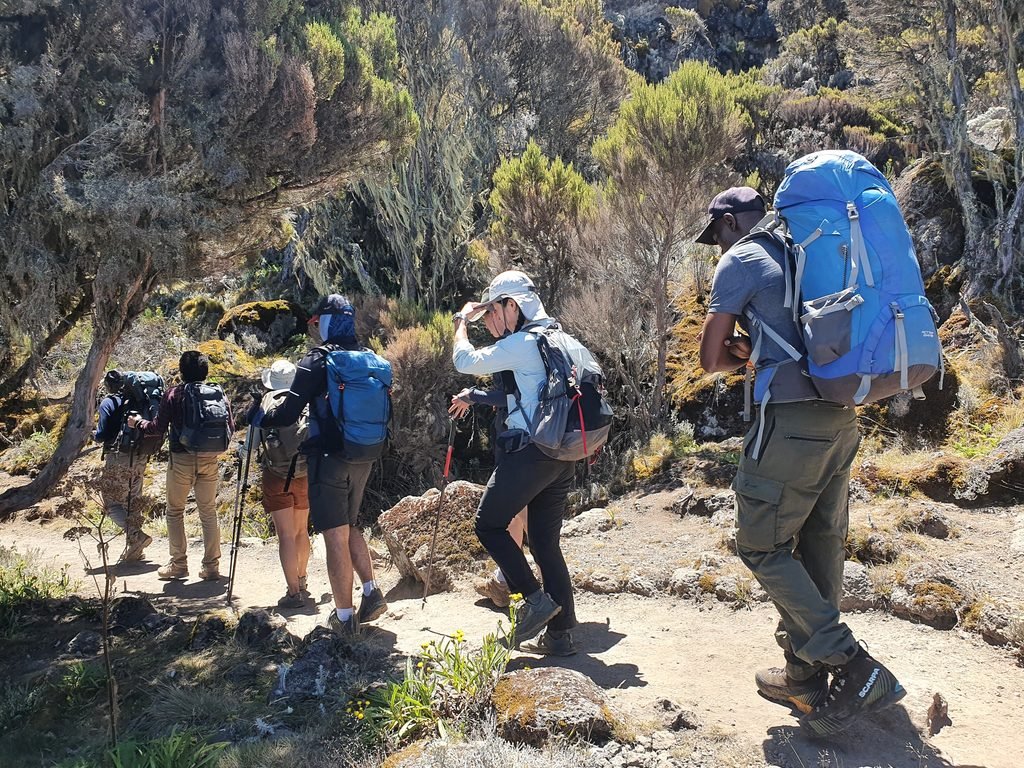
Most drinking water used during Kilimanjaro treks comes from natural mountain sources such as streams and springs. These sources are more common in the lower and middle sections of the mountain, particularly around forested areas.
As climbers ascend, the landscape becomes drier and natural water becomes less accessible. At higher camps, crews often need to carry water from lower collection points.
Water availability also changes with rainfall, season, and local conditions. A stream that provides water during one trekking season may have a reduced flow during another.
For this reason, climbers should not assume that every campsite has a permanent water supply. Mountain guides and support crews are responsible for planning where water will be collected and how much will be needed.
Important: Water collected from streams or springs should be properly treated before drinking, even when it looks clear.
2. Water Sources Along the Machame Route
The Machame Route is one of Kilimanjaro’s most popular climbing routes. It usually takes six or seven days and passes through rainforest, moorland, alpine desert, and the summit zone.
During the early stages, water is generally easier to obtain because the route passes through areas with more vegetation and seasonal or permanent streams.
At Machame Camp and Shira Camp, water arrangements depend on the available collection points and current conditions. Mountain crews may need to collect water away from the campsite rather than directly beside the tents.
As climbers continue towards Barranco and Karanga, access becomes more limited. Crews must plan carefully because some camps require water to be transported from designated collection points.
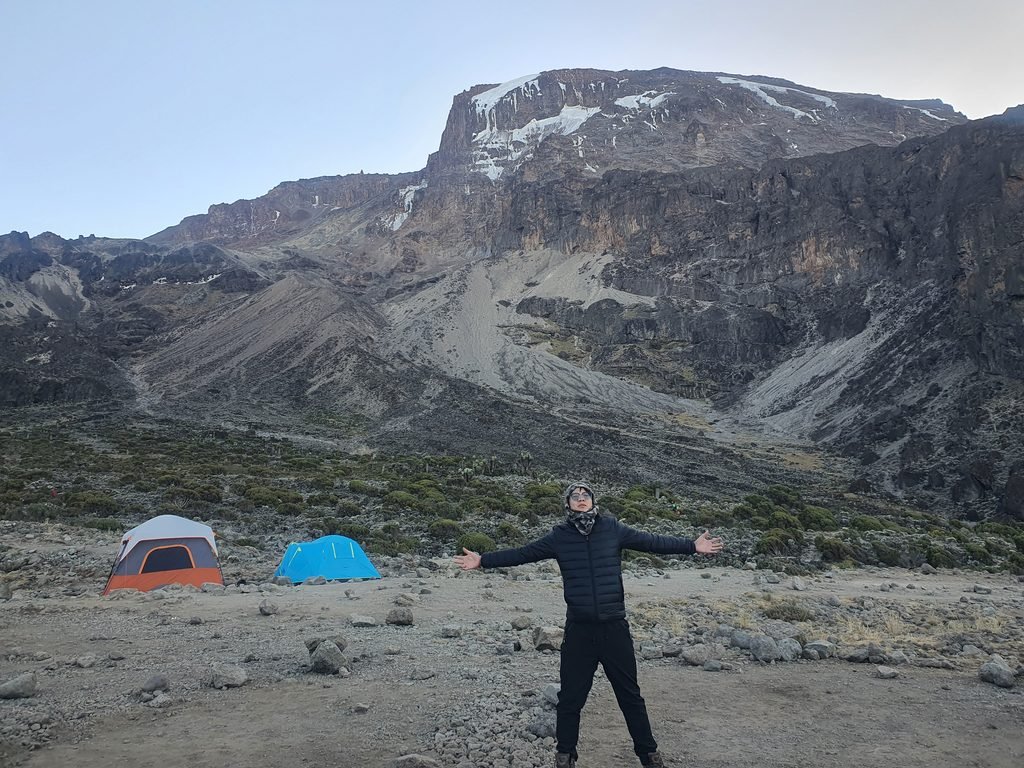
Barafu Camp is especially important for water planning. Located high on the mountain, it does not have a dependable nearby natural water supply for climbers. Support teams generally carry water up from lower elevations.
This water must cover drinking, cooking, and preparation for the summit attempt.
Machame Route Water Overview
| Trekking Stage | General Water Situation |
|---|---|
| Machame Gate to Machame Camp | Water may be collected from lower-elevation sources |
| Machame Camp to Shira Camp | Water access becomes more limited |
| Shira Camp to Barranco Camp | Collection depends on designated sources and conditions |
| Barranco to Karanga Camp | Crews plan collection and transportation carefully |
| Karanga to Barafu Camp | Water normally needs to be carried to the high camp |
| Barafu to Uhuru Peak | No reliable drinking-water collection during the summit climb |
For climbers, the most important thing is to carry enough drinking water each day and follow the guide’s instructions about refilling bottles.
3. Water Sources Along the Marangu Route
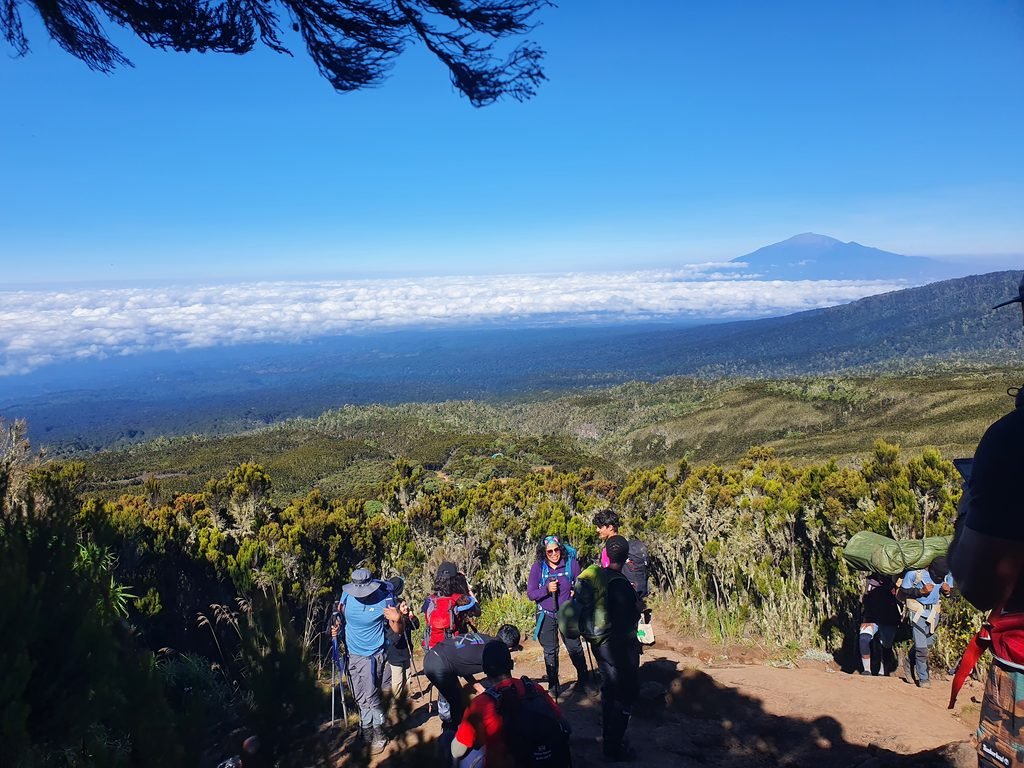
The Marangu Route is different from most Kilimanjaro routes because climbers sleep in mountain huts instead of tents. The route commonly takes five or six days, although six days allows an additional acclimatisation day.
The main overnight locations are Mandara Hut, Horombo Hut, and Kibo Hut.
Water availability varies between these locations. Lower sections of the route have more accessible natural sources, while water becomes harder to obtain as climbers approach the summit.
Mandara Hut is located in a relatively moist environment, and water arrangements are generally easier than at higher elevations.
Horombo Hut has established water arrangements, but the available supply and collection procedures should still be confirmed with the mountain crew.
Kibo Hut is located in a much drier, higher-altitude environment. Water must be planned and transported carefully because there is no dependable natural supply immediately available for ordinary collection.
Important for Marangu climbers: Sleeping in huts does not mean drinking water is automatically available in unlimited quantities. Your guide will explain how water is supplied and treated throughout the climb.
4. Water Sources Along the Lemosho Route
The Lemosho Route approaches Kilimanjaro from the western side and is popular with climbers who prefer a longer itinerary. Most Lemosho climbs take seven or eight days, giving trekkers more time to adjust to increasing altitude.
The route begins in forested terrain, where natural water sources are generally more common. As climbers move towards the Shira Plateau, vegetation becomes thinner and water collection requires more planning.
Typical camps include Mti Mkubwa, Shira 1, Shira 2, Barranco, Karanga, and Barafu, depending on the itinerary.
Water is usually collected from suitable sources along the route and transported to the camps by the mountain crew. At some locations, collection points may be a considerable distance from the tents.
By the time climbers reach Karanga and Barafu, careful water management becomes particularly important.
The final summit camp is high above the main reliable collection areas, meaning water must be carried up in advance.
Why Water Planning Matters on Lemosho
Lemosho itineraries often involve more trekking days than shorter Kilimanjaro routes. This means the support team must organise water for a longer period.
However, the additional days can also provide a more gradual climbing schedule, which is useful for acclimatisation.
Travellers choosing Lemosho should ask their operator how drinking water is treated, how much is provided daily, and whether the crew supplies water for the summit attempt.
5. Water Sources Along the Rongai Route
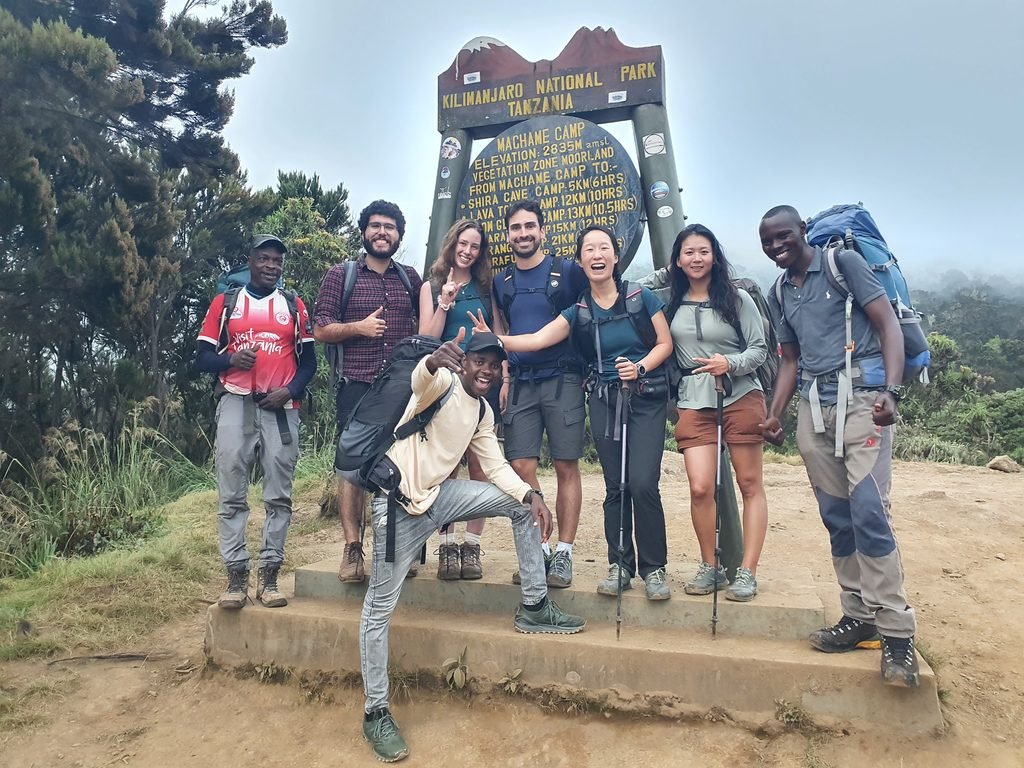
The Rongai Route approaches Mount Kilimanjaro from the northern side, close to the Kenyan border. It passes through a relatively dry landscape compared with some of the mountain’s southern approaches.
This makes water planning particularly important.
Natural water sources along Rongai are more limited in some sections, and support crews may need to transport water over considerable distances.
The exact collection points depend on the itinerary, campsite locations, and current conditions.
Typical overnight stops may include Simba Camp, Second Cave, Kikelewa Camp, Mawenzi Tarn Hut, and Kibo Hut.
Because some sections are relatively dry, climbers should not assume that streams will be available near every camp.
By the time the group reaches Kibo Hut, water must be carefully managed for the summit attempt.
Rongai climbing tip: Ask your tour operator about water logistics before departure. A properly organised mountain crew should have a clear plan for supplying drinking and cooking water throughout the trek.
6. Water Sources Along the Northern Circuit and Shira Routes
The Northern Circuit and Shira routes offer different experiences, but both require careful water management.
Northern Circuit Route
The Northern Circuit is one of Kilimanjaro’s longer trekking routes, usually taking eight or nine days. It travels around the northern slopes of the mountain before approaching the summit.
Because the route passes through remote sections with fewer established camps, water collection and transportation must be planned in advance.
Some northern camps are located in relatively dry areas where natural water is limited or seasonal.
Mountain crews may need to carry water from established collection points or organise supplies before reaching these locations.
The longer duration also means the crew must manage drinking water, cooking water, and other essential camp requirements over several days.
Shira Route
The Shira Route begins at a relatively high elevation on the western side of Kilimanjaro.
It crosses the Shira Plateau before joining sections used by other western approaches.
Water availability varies across the plateau, and some camps may require water to be carried from designated sources.
As with the Lemosho and Machame routes, water becomes more difficult to obtain near the higher summit camps.
Important: The Shira Route starts at a relatively high altitude, which can make acclimatisation more challenging for some climbers. Water intake is important, but drinking more water does not replace proper acclimatisation.
7. Water Sources Along the Umbwe Route
The Umbwe Route is known for its steep ascent and demanding early stages. It is generally recommended for experienced trekkers who understand the challenges of rapid altitude gain.
The route begins in forested terrain, where natural water sources may be available along the lower sections.
However, the climb becomes steeper as trekkers approach higher camps.
Typical overnight locations include Umbwe Cave Camp and Barranco Camp before the route joins the southern circuit towards Karanga and Barafu.
Water arrangements depend on current conditions and the collection points used by the support crew.
At higher camps, particularly Barafu, water must be transported from lower elevations.
Because the Umbwe Route gains altitude quickly, climbers should pay close attention to hydration, physical condition, and symptoms of altitude illness.
Drinking water is essential, but it cannot prevent altitude sickness on its own.
How Much Water Should You Drink While Climbing Kilimanjaro?
Many Kilimanjaro operators advise climbers to drink approximately 3–4 litres of fluids per day, but individual requirements vary depending on temperature, activity level, sweating, diet, and medical circumstances.
The most important goal is to remain adequately hydrated without forcing excessive amounts of water.
At high altitude, dehydration can occur because of increased breathing, physical activity, and dry air. However, drinking too much water can also be dangerous because it may reduce blood sodium levels.
Climbers should drink regularly, monitor their condition, and follow advice from qualified mountain guides and healthcare professionals.
Remember: Headaches, nausea, dizziness, and fatigue can be signs of altitude illness rather than dehydration alone. Do not attempt to treat suspected altitude sickness simply by drinking more water.
If symptoms develop, inform your guide immediately.
How Is Drinking Water Treated on Kilimanjaro?
Natural water on Kilimanjaro should not be considered safe to drink without treatment.
Even clear mountain streams may contain microorganisms that can cause stomach illness.
Professional trekking teams commonly treat collected water through methods such as boiling or appropriate filtration and disinfection.
The exact treatment method varies between operators.
Boiling is an effective way to kill disease-causing microorganisms when carried out properly. Suitable water filters and chemical treatments can also be useful when used according to their instructions.
Before booking your climb, ask your operator how drinking water is treated and whether you need to bring personal purification equipment.
For additional safety, some climbers carry a backup water-treatment method.
What Water Bottles Should You Bring for Kilimanjaro?
Choosing suitable drinking containers is important because temperatures change significantly during a Kilimanjaro climb.
At lower elevations, ordinary reusable water bottles may be sufficient. However, freezing temperatures near the summit can create problems for some hydration systems.
A practical setup often includes:
- Two or more reusable bottles with a combined capacity of approximately 3 litres.
- An insulated bottle or protective sleeve for cold conditions.
- A hydration bladder for lower sections, if preferred.
- A method of preventing water from freezing during the summit attempt.
Hydration bladder tubes can freeze at high altitude, particularly during nighttime summit climbs.
For this reason, many guides recommend using insulated bottles during the summit attempt.
Avoid relying entirely on a hydration bladder when temperatures are expected to fall below freezing.
What Happens If Water Runs Out During a Kilimanjaro Climb?
A properly organised Kilimanjaro expedition should have a water supply plan for each stage of the route.
However, unexpected circumstances such as delayed arrivals, unusually dry conditions, or logistical problems can affect water availability.
If your personal drinking supply becomes low, inform your guide rather than continuing without mentioning the problem.
Your guide can assess the situation and explain the available options.
Never leave the established trekking route alone to search for water.
Remote mountain environments can be dangerous, and attempting to locate streams without guidance may create additional risks.
This is one reason why choosing an experienced, properly organised trekking operator is important.
Best Time to Climb Kilimanjaro for Water Availability
Kilimanjaro can be climbed throughout the year, but weather conditions vary by season.
The relatively dry periods, commonly January to early March and June to October, are popular with climbers because they often provide more favourable trekking conditions.
However, dry weather does not necessarily mean easier access to natural water.
Some streams may have reduced flow during dry periods, while wet-season conditions can create muddy trails and additional challenges.
Mountain crews plan water arrangements according to the route and prevailing conditions rather than relying only on the season.
For official information about Mount Kilimanjaro and its protected areas, consult the Tanzania National Parks Authority.
Frequently Asked Questions About Kilimanjaro Water Sources
Is drinking water available on every Kilimanjaro route?
Yes, trekking operators organise water supplies on established Kilimanjaro routes. However, natural water is not available at every campsite, and crews may need to carry water from lower collection points.
Can you drink water directly from Kilimanjaro streams?
No. Water collected from natural sources should be properly treated before drinking because it may contain harmful microorganisms.
Is there water at Barafu Camp?
Barafu Camp does not have a dependable nearby natural water supply. Trekking crews generally transport water from lower collection areas.
Is there drinking water at Kibo Hut?
Water supplies at Kibo Hut require careful planning because the surrounding environment is dry and natural collection options are limited. Climbers should follow their guide’s arrangements.
How much drinking water should I carry each day?
Many operators recommend carrying enough containers for approximately 3 litres, sometimes more depending on the route and conditions. Your guide should explain the day’s expected requirements.
Can drinking more water prevent altitude sickness?
No. Adequate hydration supports general health, but drinking excessive water does not prevent altitude sickness. Proper acclimatisation and responding quickly to symptoms are more important.
Does the trekking company provide drinking water?
Most organised Kilimanjaro trekking packages include treated drinking water during the climb. However, you should confirm the exact arrangements before booking.
Can water freeze during the Kilimanjaro summit attempt?
Yes. Temperatures near the summit can fall below freezing, especially at night. Water bottles and hydration tubes should be protected from freezing.
Plan Your Kilimanjaro Climb with Eddy Tours & Safaris
Understanding water sources along Kilimanjaro’s climbing routes is an important part of preparing for a safe and comfortable trek.
The main thing to remember is that water becomes less accessible as you climb higher. While lower sections may have streams and other natural sources, higher camps often depend on water carried by the mountain support team.
Whether you choose Machame, Marangu, Lemosho, Rongai, Umbwe, Shira, or the Northern Circuit, proper water planning is essential.
Eddy Tours & Safaris is a local tour company in Arusha, Tanzania, arranging guided Mount Kilimanjaro climbing expeditions and Tanzania wildlife safaris.
If you’re planning to climb Kilimanjaro in 2027, 2028, or 2029, our team can help you compare routes, choose suitable trekking dates, and understand what is included in your climbing package.
Contact Eddy Tours & Safaris
Website: Eddy Tours & Safaris
Climbing enquiries: Contact our team
Email: sales@eddytours-safaris.com
WhatsApp: +255 711 906 664 — Chat with us