
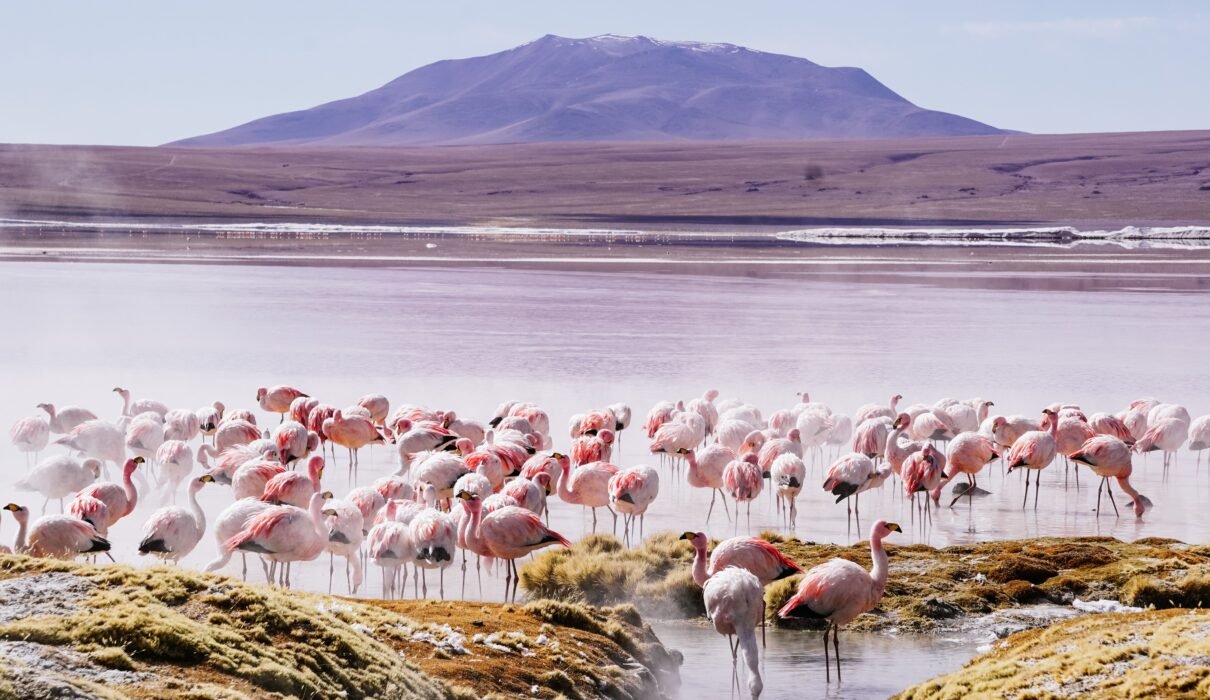
Lake Natron: Flamingos and Volcanic Landscapes is one of Africa’s most dramatic and untouched natural treasures, a place where bright pink flamingos gather against a backdrop of steaming volcanoes and ancient Rift Valley escarpments. Located in northern Tanzania near the Kenyan border, this remote alkaline lake feels almost otherworldly, yet it plays a vital role in global biodiversity and conservation. Its mineral-rich waters, shaped by volcanic ash and tectonic forces, create a rare ecosystem that scientists and travelers alike find fascinating.
The lake lies within the Great Rift Valley system, a geological marvel studied by institutions such as USGS and explained in detail by NASA, where tectonic plates slowly pull apart the African continent. These movements formed the basin that now holds this shallow soda lake. Surrounded by Ol Doinyo Lengai, an active volcano monitored by the Smithsonian Global Volcanism Program, the landscape is both harsh and breathtaking.
Why Lake Natron: Flamingos and Volcanic Landscapes Is Ecologically Unique
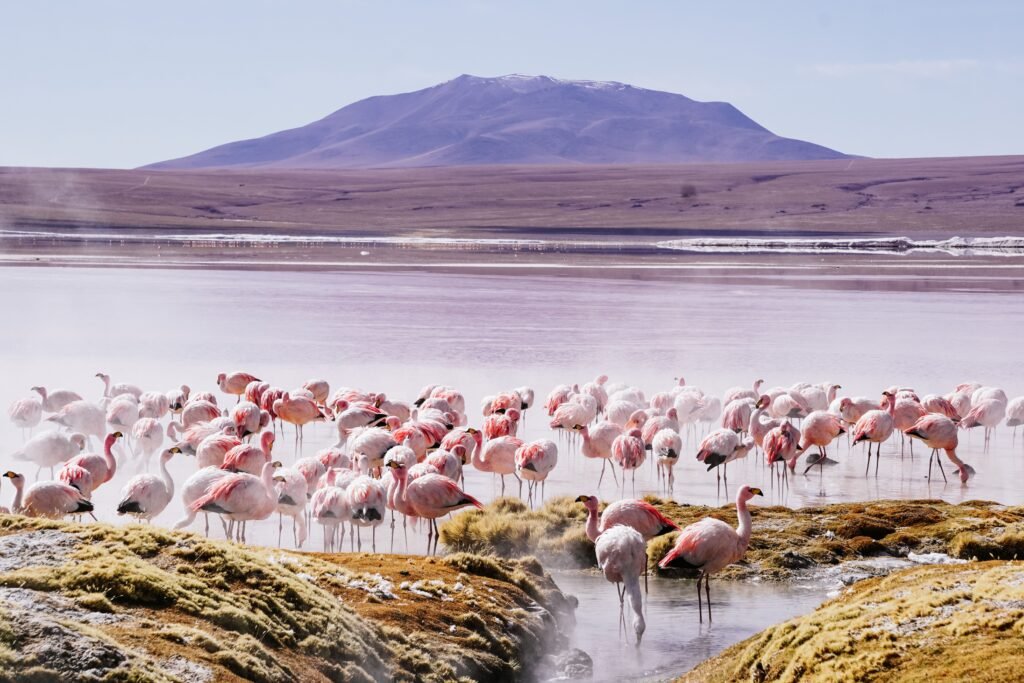
Lake Natron: Flamingos and Volcanic Landscapes is globally recognized for hosting the largest breeding population of lesser flamingos in East Africa. According to research supported by BirdLife International and the IUCN, the lake provides a safe nesting ground because its highly alkaline waters deter predators. The flamingos feed on cyanobacteria that thrive in the mineral-rich conditions, turning the shoreline pink during peak breeding periods.
Wetland experts from the Ramsar Convention on Wetlands classify soda lakes like this as critical habitats for migratory birds. Conservation organizations such as the African Wildlife Foundation and the Wildlife Conservation Society continue to highlight its importance in maintaining regional biodiversity. This fragile ecosystem demonstrates how extreme environments can still support life in surprising ways.
The Geological Drama Behind Lake Natron: Flamingos and Volcanic Landscapes
The dramatic beauty of Lake Natron: Flamingos and Volcanic Landscapes comes from volcanic activity and mineral deposits that shape the terrain into cracked salt flats and red-hued waters. Ol Doinyo Lengai, known as the “Mountain of God” by the Maasai people, erupts carbonatite lava that is rare on Earth. Studies published by Nature and Science describe this lava as cooler and darker than typical basalt flows.
The alkaline composition of the lake is influenced by ash and sodium carbonate, elements also studied by researchers from University of Cambridge and University of Oxford. These minerals create striking red and orange tones, particularly when viewed at sunrise or sunset. The effect is so vivid that even global media like National Geographic has documented the lake’s surreal beauty.
Flamingo Breeding Cycles and Conservation Efforts
Every year, thousands of flamingos gather here to breed, making Lake Natron: Flamingos and Volcanic Landscapes essential to the survival of this species. The isolation of the lake reduces human interference, while conservation programs supported by UNEP and the World Bank emphasize sustainable management of the surrounding region.
The Audubon Society and the African Bird Club recognize the lake as a birding hotspot of international value. Local scientific studies conducted by the Tanzania Wildlife Research Institute further underline the need to protect breeding grounds from industrial development and habitat disruption.
Community and Cultural Connections
The Maasai communities who live near Lake Natron: Flamingos and Volcanic Landscapes maintain deep cultural ties to the land. Their traditional knowledge complements modern conservation insights promoted by organizations like Conservation International and the World Resources Institute. Responsible tourism helps support local livelihoods while preserving the ecosystem.
Visitors who plan their journey responsibly can combine this destination with ethical safari programs offered through Eddy Tours & Safaris, ensuring that travel benefits both people and wildlife. Learning about environmental balance through sources like FAO helps travelers appreciate how fragile alkaline lakes truly are.
Best Ways to Experience Lake Natron: Flamingos and Volcanic Landscapes
Exploring Lake Natron: Flamingos and Volcanic Landscapes requires careful planning due to its remote location and extreme climate. Guided tours often begin from Arusha, combining wildlife viewing with cultural visits and guided walks along the shoreline. You can discover tailored northern Tanzania itineraries through this safari option or explore broader adventures via Tanzania safari packages.
Adventurous travelers sometimes hike Ol Doinyo Lengai before sunrise for panoramic views over the Rift Valley. Preparation is key, and mountaineering guidance from Kilimanjaro Climb Specialist can help those combining this journey with a mountain expedition. For additional route information and mapping support, travelers often consult tools like Google.
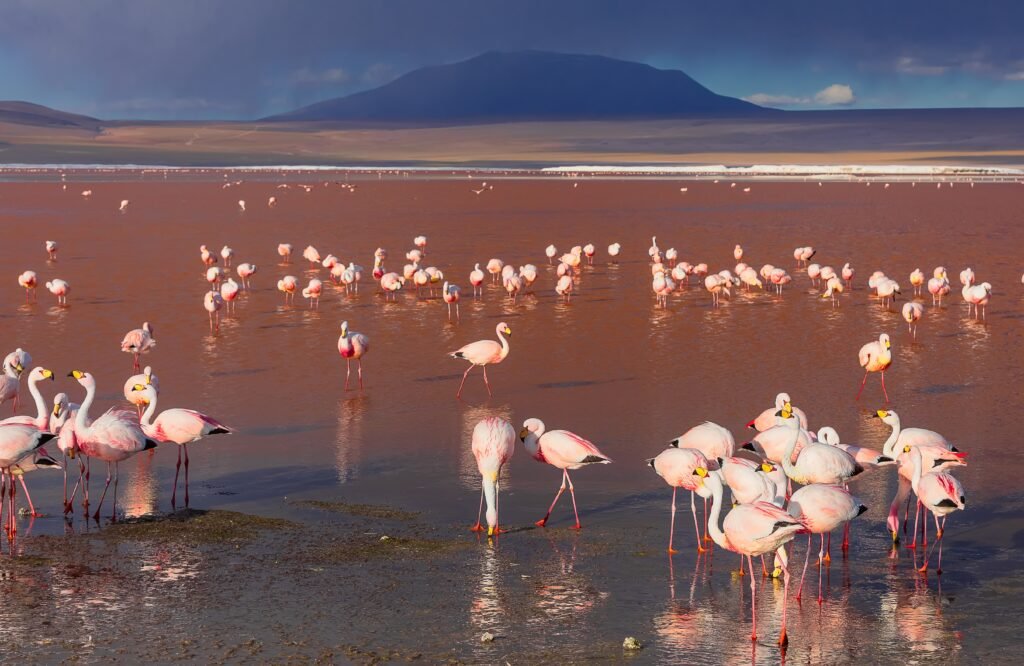
Photography enthusiasts are drawn to Lake Natron: Flamingos and Volcanic Landscapes because of its reflective salt crust and flamingo colonies that stretch across the horizon. The quiet atmosphere allows visitors to witness nature without heavy crowds, creating a raw and authentic safari extension. Booking with experienced local operators ensures safety and meaningful engagement.
Environmental Challenges and Sustainable Travel
Although Lake Natron: Flamingos and Volcanic Landscapes feels untouched, it faces challenges such as climate variability, water diversion, and potential industrial projects. Reports shared by UNESCO highlight the need for responsible land management in fragile ecosystems. Conservation advocacy from WWF continues to support habitat protection across East Africa.
Sustainable tourism offers a positive path forward. Choosing eco-conscious travel partners like Eddy Tours & Safaris encourages community-driven conservation while protecting wildlife breeding areas. By respecting guidelines and limiting environmental impact, visitors help preserve the natural balance that makes this lake extraordinary.
Frequently Asked Questions About Lake Natron: Flamingos and Volcanic Landscapes
Why is the water in Lake Natron red?
The red color comes from microorganisms and algae that thrive in highly alkaline conditions, producing pigments that tint the water.
Is it safe to visit the lake?
Yes, with a knowledgeable guide. The water itself is extremely alkaline, so direct contact should be limited, but guided tours follow safe routes.
When can I see flamingos?
Flamingos are present throughout much of the year, especially during breeding periods when large colonies gather on the salt flats.
Can I hike the nearby volcano?
Ol Doinyo Lengai can be climbed with experienced guides, offering spectacular views over the Rift Valley and surrounding plains.
How do I reach the lake?
Most journeys begin in Arusha and involve a scenic drive through Maasai land, often combined with a broader northern safari circuit.
Why is conservation important here?
The lake supports a major portion of the world’s lesser flamingo population, making habitat protection critical for global biodiversity.
Conclusion: Protecting the Magic of Lake Natron: Flamingos and Volcanic Landscapes
Lake Natron: Flamingos and Volcanic Landscapes stands as a vivid reminder that nature’s harshest environments can also be its most beautiful and essential. From flamingo breeding grounds to volcanic peaks, this destination combines science, culture, and adventure in one unforgettable setting. By choosing responsible travel and supporting conservation, visitors help ensure that this remarkable corner of Tanzania remains wild, vibrant, and protected for generations to come.