
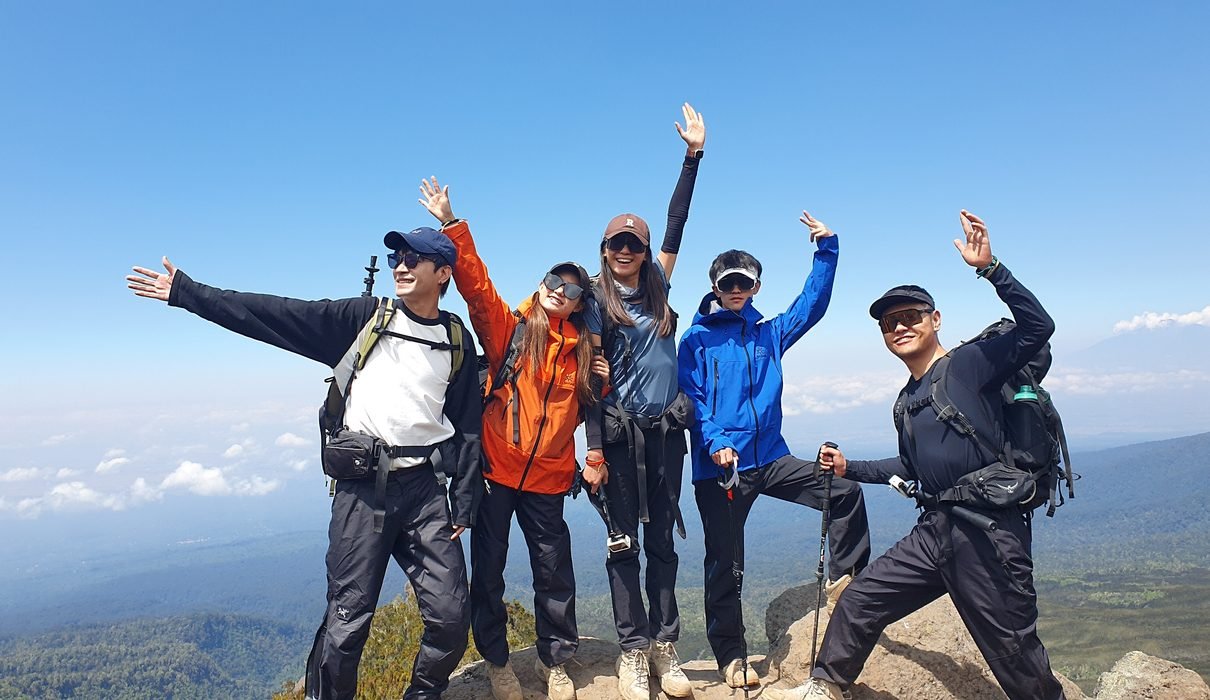
Mount Kilimanjaro attracts thousands of climbers from around the world every year, but not everyone wants to climb the mountain surrounded by large trekking groups. Some travellers prefer quieter trails, smaller campsites, and more time to enjoy the scenery without constantly meeting other climbers. If you are planning to climb Mount Kilimanjaro in 2027 or 2028, choosing the right route and travel dates can make a considerable difference to your experience.
The least crowded Kilimanjaro routes are generally the Northern Circuit, Rongai, and Umbwe, although each offers a different level of difficulty, scenery, and opportunity for acclimatisation. The Northern Circuit is particularly attractive for travellers who have enough time to spend eight or nine days on the mountain, while Rongai offers a quieter approach from the northern side. Umbwe receives fewer climbers but involves a steeper ascent and is better suited to experienced trekkers.
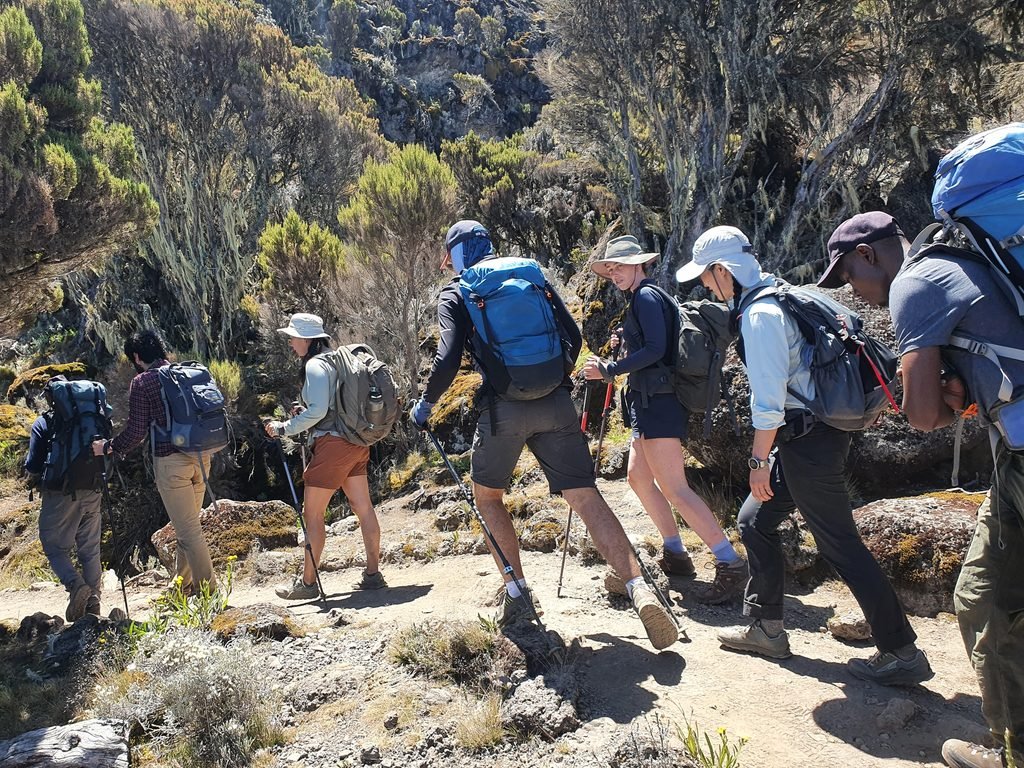
At Eddy Tours & Safaris, we help travellers plan Kilimanjaro climbing experiences based on their fitness, available time, travel season, and preferred route. For visitors who want to avoid the busiest trails, it is important to consider more than the number of people on the mountain. The length of the itinerary, altitude gain, weather conditions, and location of the campsites can all influence the quality of a climb.
This guide explains which Kilimanjaro routes are generally the quietest, when to travel in 2027 and 2028, and how to choose a less crowded climbing experience without overlooking safety and acclimatisation.
Which Kilimanjaro Route Is the Least Crowded?
The Northern Circuit is generally considered the least crowded established route on Mount Kilimanjaro. It approaches the mountain from the west before continuing around the quieter northern slopes, avoiding some of the busy southern trails used by climbers on the Machame and Lemosho routes. Because the Northern Circuit usually takes eight to ten days, it attracts fewer people than shorter itineraries and offers more time for gradual altitude adjustment.
Rongai is another good option for travellers seeking quieter surroundings. The route begins on Kilimanjaro’s northern side near the Kenyan border and follows a different approach from the popular southern routes. Its early stages are generally peaceful, with open landscapes and relatively few other trekking groups. However, climbers eventually join busier sections near the summit and descend using the Marangu route.
Umbwe is also among the less frequently used Kilimanjaro routes, but its low visitor numbers are partly explained by the demanding nature of the trail. The route climbs steeply from the southern side and gains altitude relatively quickly, making it unsuitable for many first-time high-altitude trekkers.
These are comparative assessments rather than verified predictions of how many climbers will use each route in 2027 or 2028. Exact crowd levels depend on departure dates, group bookings, weather, and park operations.
Comparison of the Least Crowded Kilimanjaro Routes for 2027 and 2028
| Kilimanjaro Route | Typical Duration | Crowd Level | Best Suited For |
|---|---|---|---|
| Northern Circuit | 8–10 days | Very low to low | Quiet trekking and gradual acclimatisation |
| Rongai | 7–8 days | Low | Quieter northern approach |
| Umbwe | 6–7 days | Low initially | Experienced, acclimatised trekkers |
| Lemosho | 7–9 days | Moderate | Scenery and gradual altitude adjustment |
| Shira | 7–8 days | Low initially to moderate | Climbers already acclimatised |
| Marangu | 5–6 days | Moderate to high | Climbers preferring hut accommodation |
| Machame | 6–8 days | High | Scenic trekking with a popular trail atmosphere |
These descriptions reflect typical route characteristics, not official route-by-route visitor counts for future years. The quietest route is not automatically the safest or most suitable choice.
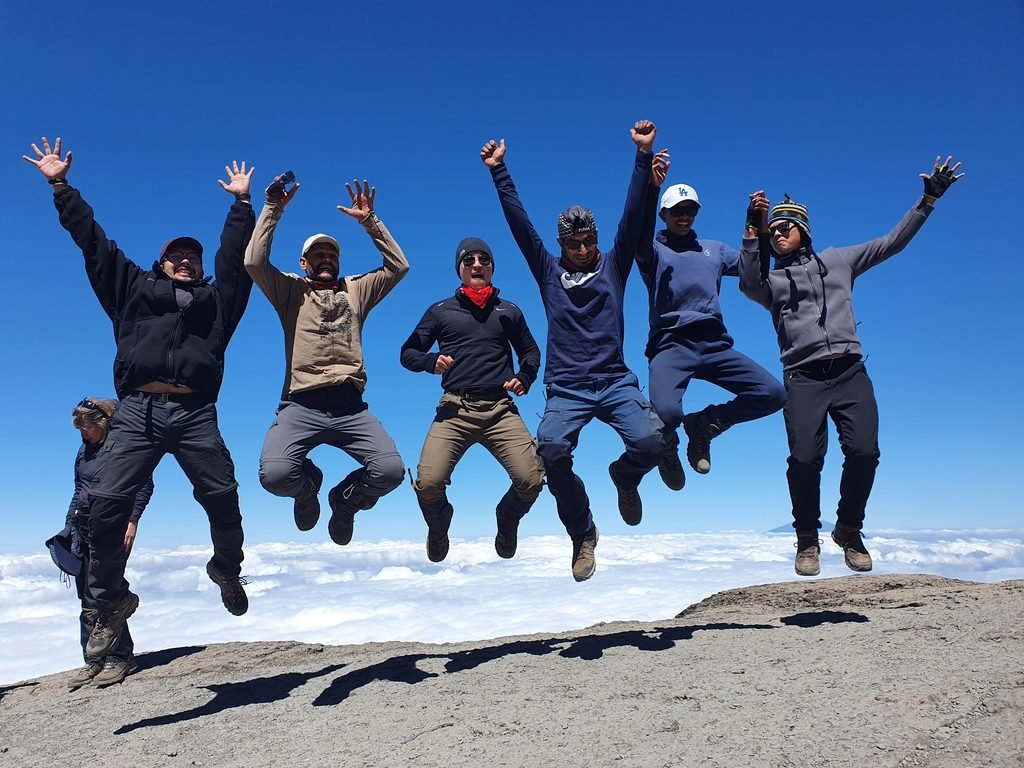
1. Northern Circuit Route – The Best Choice for a Quiet Kilimanjaro Climb
The Northern Circuit is an excellent choice for travellers who want to spend more time on Mount Kilimanjaro while avoiding the busiest climbing corridors. The route begins on the western side of the mountain, commonly following the Lemosho approach through rainforest and towards the Shira Plateau. Rather than continuing along the popular southern circuit, climbers turn towards the northern slopes of Kibo, where the landscape becomes more remote and the number of trekking groups generally decreases.
One of the main advantages of the Northern Circuit is its gradual approach to higher altitude. Most itineraries take approximately nine days, allowing climbers more time to adjust to reduced oxygen levels. This is particularly important on Kilimanjaro, where altitude sickness is a major reason why people are unable to reach the summit. Although a longer itinerary cannot guarantee successful acclimatisation, it generally provides a better opportunity for the body to adjust than a rapid ascent.
The northern slopes offer wide views towards the Kenyan plains, open alpine landscapes, and quieter campsites. Much of the route passes through areas that are less frequently visited than the southern side of the mountain. Travellers can enjoy longer periods of walking without encountering large groups, although they will still share certain sections with other climbers, particularly during the final summit approach.
A typical nine-day Northern Circuit itinerary includes trekking through the western rainforest, crossing the Shira Plateau, travelling around the northern side of Kibo, and continuing towards the summit before descending on the southern side. The precise campsites and summit approach depend on the itinerary used by the operator.
For travellers with enough time and budget, the Northern Circuit offers one of the strongest combinations of quiet surroundings, varied scenery, and gradual acclimatisation on Mount Kilimanjaro.
Who Should Choose the Northern Circuit?
The Northern Circuit is particularly suitable for first-time Kilimanjaro climbers who prefer a longer itinerary, photographers who want more time to enjoy the landscape, and travellers who value quiet surroundings. It can also be a sensible choice for groups who prefer walking at a steady pace rather than completing the mountain in the shortest possible time.
The main disadvantages are the additional days required and the higher overall cost. More time on the mountain means additional park fees, food, camping equipment, and crew expenses. However, for visitors whose main priorities are acclimatisation and a quieter trekking experience, the extra time may be worthwhile.
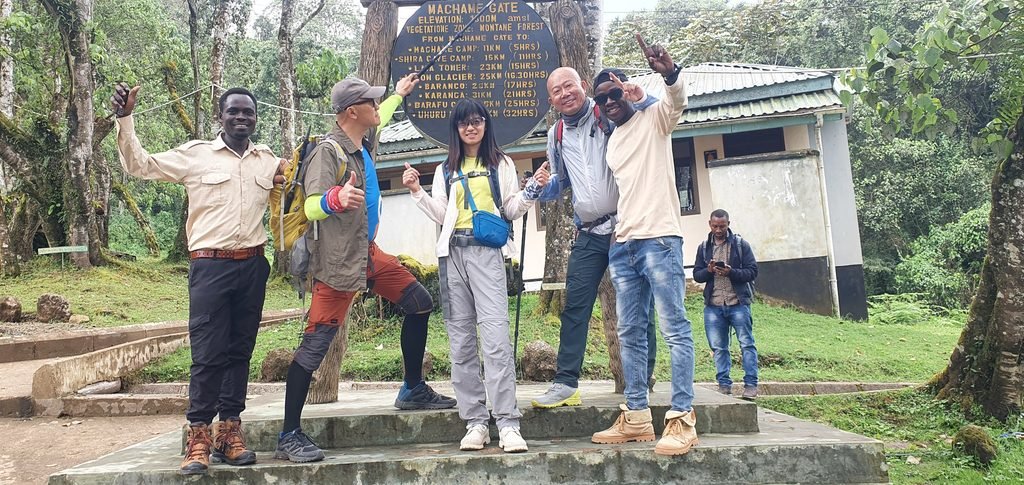
2. Rongai Route – A Quieter Kilimanjaro Climb From the Northern Side
The Rongai Route approaches Mount Kilimanjaro from the north, close to the border between Tanzania and Kenya. Unlike Machame, Marangu, and Umbwe, which begin on the southern or southeastern side of the mountain, Rongai follows a relatively remote approach through farmland, forest, moorland, and increasingly open alpine terrain.
The route is popular among climbers who want a quieter experience without committing to the longer Northern Circuit. Rongai is often completed in six or seven days, although a seven- or eight-day itinerary is generally preferable when additional time is available for acclimatisation. The early sections are less crowded than many of Kilimanjaro’s popular trails, and the northern side is generally drier than the southern slopes during wetter periods.
As climbers gain altitude, the landscape opens towards Mawenzi, Kilimanjaro’s rugged secondary volcanic peak. The route passes through the Saddle, a broad alpine area between Mawenzi and Kibo, before reaching the high camp used for the summit attempt. The final ascent usually approaches the crater rim through Gilman’s Point before continuing towards Uhuru Peak.
Although Rongai provides a quieter start, it is important to understand that the entire climb will not be isolated. The route joins the Marangu side for the summit and descent, where other groups may be present. The northern approach also offers fewer opportunities for the classic climb-high, sleep-low acclimatisation pattern found on some longer western routes.
Who Should Choose the Rongai Route?
Rongai is suitable for travellers who want fewer people on the trail, prefer a comparatively gradual walking gradient, and have approximately seven or eight days available. It can also be worth considering during months when rainfall affects the southern approaches, although weather on Kilimanjaro is never completely predictable.
Travellers should not choose a short Rongai itinerary simply because the trail is quieter or appears less steep. Altitude remains a serious consideration, and sufficient acclimatisation time is essential regardless of the route.
3. Umbwe Route – A Quiet but Challenging Kilimanjaro Trail
Umbwe is one of Kilimanjaro’s steepest and most demanding established routes. It begins on the southern side of the mountain and climbs through dense forest before continuing along a steep ridge towards the higher mountain. Because of its demanding terrain and rapid altitude gain, it attracts fewer climbers than routes such as Machame and Marangu.
The early sections can feel particularly remote, with narrow forest trails, steep ascents, and relatively little trekking traffic. As the route climbs higher, the scenery changes to moorland and alpine landscapes, eventually connecting with the southern circuit around Barranco. From this point onwards, climbers may encounter groups arriving from other routes, so the quiet experience is mainly associated with the lower stages.
The most important consideration with Umbwe is not the number of climbers but the pace of altitude gain. Rapid ascent increases the risk of altitude sickness, especially for people who have not spent time at high altitude before arriving in Tanzania. Strong physical fitness does not prevent altitude sickness, and even experienced hikers can struggle if they ascend too quickly.
For this reason, Umbwe is generally better suited to experienced trekkers who understand the demands of high-altitude climbing and have appropriate acclimatisation plans. A longer itinerary may help, but it does not remove the route’s steep terrain or the risks associated with altitude.
Is Umbwe the Best Route for Avoiding Crowds?
Umbwe may offer quiet trails, but it is not the best recommendation for most travellers whose only objective is avoiding crowds. The Northern Circuit and Rongai provide quieter alternatives with more manageable route profiles for a wider range of climbers. Umbwe should be selected because its physical challenge and terrain suit the climber, not simply because fewer people use it.
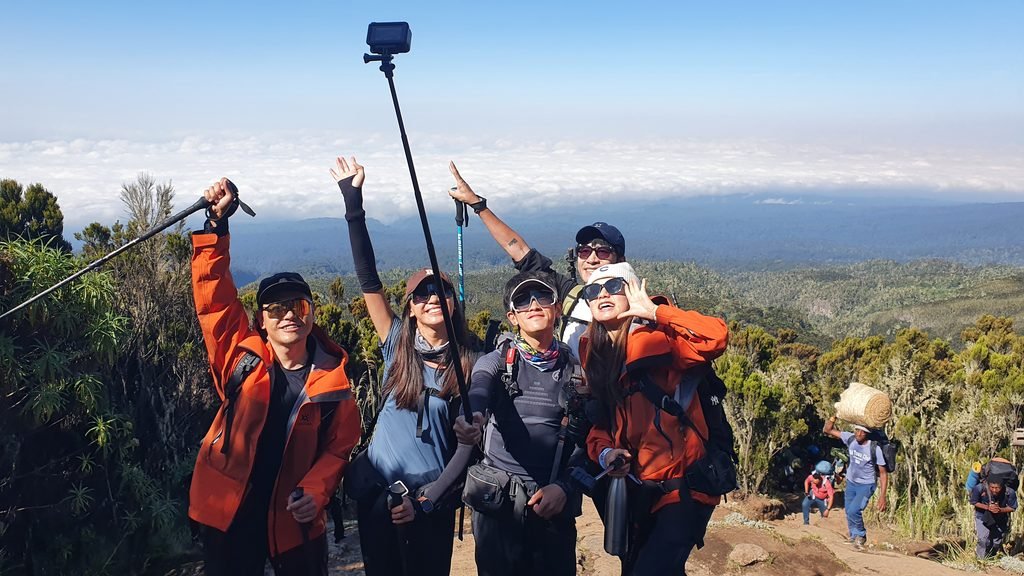
4. Lemosho Route – A Scenic Alternative With Quieter Early Stages
The Lemosho Route is one of Kilimanjaro’s most scenic approaches and is often recommended to climbers who want a combination of varied landscapes and good acclimatisation opportunities. It begins on the western side of the mountain, passing through forest before reaching the Shira Plateau and joining the southern circuit.
The early stages of Lemosho can be relatively peaceful, particularly when compared with the busy Machame approach. However, Lemosho has become increasingly popular, and the route eventually joins trails used by other groups. Campsites around Barranco, Karanga, and Barafu may be busy during peak climbing periods.
For travellers who want attractive scenery and a well-established route but are not especially concerned about complete solitude, Lemosho remains an excellent option. An eight-day itinerary generally provides a better acclimatisation schedule than shorter versions, allowing more time for gradual altitude adjustment.
Visitors interested in this route can explore Kilimanjaro climbing information through Kilimanjaro Climbing Specialist and compare the available itineraries before choosing a departure.
5. Shira Route – A Less Busy Start With Important Altitude Considerations
The Shira Route begins on the western side of Kilimanjaro and approaches the mountain through the Shira Plateau. Its starting area is less frequently used than some of the main southern gates, which can make the initial stages feel relatively quiet. However, Shira eventually joins other western and southern routes, so the number of climbers generally increases as the journey continues.
A major consideration with Shira is its relatively high starting elevation. Unlike routes that begin lower down in the rainforest and allow climbers to gain altitude gradually, some Shira itineraries involve vehicle access to a high-altitude starting point. This can create acclimatisation difficulties for travellers arriving directly from low elevations.
For this reason, Shira is not usually the first recommendation for someone who wants a quieter Kilimanjaro climb. The Northern Circuit and Lemosho generally provide more attractive alternatives for travellers who want a western approach with a gradual ascent.
Which Kilimanjaro Routes Should You Avoid if You Dislike Crowds?
Machame and Marangu are among the better-known and more frequently used Kilimanjaro routes. Both attract substantial numbers of climbers, particularly during popular travel periods, although the level of activity changes from one week to another.
Machame is popular because of its scenery, established camping arrangements, and varied trekking experience. It includes the well-known Barranco Wall and follows a route that provides opportunities for gradual acclimatisation when enough days are allocated. However, its popularity means that certain campsites and trail sections can become busy.
Marangu is different because it is the only major route with permanent hut accommodation. Travellers who prefer sleeping in huts rather than tents often choose it, but shared accommodation and the use of some of the same trails for ascent and descent can contribute to a busier atmosphere.
Neither route should be dismissed as a poor climbing option. They may be suitable for travellers whose priorities differ from those seeking solitude. However, visitors who specifically want quieter trails should generally consider the Northern Circuit or Rongai before choosing Machame or Marangu.
Best Months to Climb Kilimanjaro With Fewer Crowds in 2027 and 2028
Choosing a less crowded route is only part of the planning process. The month of travel can also influence how many climbers you encounter. Kilimanjaro has several popular climbing periods, and visitor numbers generally increase when weather conditions are more favourable.
January to March – Good Climbing Conditions With Opportunities for Quieter Departures
January, February, and early March can provide favourable conditions for climbing Kilimanjaro. The weather is often relatively dry compared with the main rainy season, although rain, wind, and cold temperatures remain possible. Some departures during this period may be quieter than the busiest months of the northern hemisphere summer.
Travellers should be aware that January and February are still popular climbing months, particularly around holidays and full-moon summit dates. Choosing a less popular departure date and a quieter route can make a greater difference than relying on the month alone.
April to May – Quieter Trails but Heavier Rainfall
April and May are generally associated with Tanzania’s main rainy season. Fewer travellers choose to climb Kilimanjaro during this period, which can result in quieter trails and campsites. However, the reduced number of climbers comes with less favourable weather conditions, including heavy rainfall, muddy paths, cloud cover, and increased discomfort at higher camps.
These months are not necessarily the best choice for first-time climbers, even when avoiding crowds is a major priority. Travellers considering a rainy-season climb should discuss route conditions, equipment, and safety arrangements with an experienced operator.
June to October – Popular Climbing Season
June through October is generally one of Kilimanjaro’s busiest climbing periods. Many international travellers visit Tanzania during these months because they coincide with holiday periods and relatively dry weather. Machame, Marangu, and popular Lemosho departures can attract substantial trekking traffic.
Travellers visiting during these months can still find quieter experiences by choosing the Northern Circuit or Rongai. However, it is important to book accommodation, guides, and climbing arrangements in advance, especially during July, August, and September.
November to December – Changing Weather and Variable Crowds
November is commonly associated with Tanzania’s shorter rainy season, although rainfall patterns vary from year to year. Some climbing dates may be quieter, but weather conditions can be less predictable. December can become busier towards the Christmas and New Year holidays as international visitors arrive for seasonal travel.
For climbers who want to avoid large groups, early December may sometimes provide quieter departure opportunities than the final weeks of the year. However, the actual conditions and visitor numbers should be checked when planning the trip.
Does Climbing Kilimanjaro During a Full Moon Make the Mountain More Crowded?
Full-moon climbs are popular because climbers may experience brighter natural light during the nighttime summit attempt. Under clear conditions, moonlight can illuminate the mountain and surrounding landscape, creating a memorable experience. However, full-moon departures can attract more bookings, particularly when they coincide with favourable weather periods or international holidays.
Travellers who want quieter trails may prefer departure dates that do not coincide with the most popular full-moon summit schedules. This does not mean that a full-moon climb should always be avoided, but visitors should understand that it can influence demand.
For 2027 and 2028, travellers can compare the lunar calendar with their planned summit date and discuss alternative departures with their climbing operator. The exact level of crowding cannot be predicted from the moon phase alone.
Is the Least Crowded Kilimanjaro Route Also the Safest?
A quieter route is not automatically safer than a popular one. Safety on Mount Kilimanjaro depends on several factors, including the climbing itinerary, altitude gain, weather, the experience of the guides, the health of the climber, and the availability of appropriate emergency procedures.
Altitude sickness is one of the most important risks associated with climbing Kilimanjaro. As climbers ascend, the amount of oxygen available decreases, and the body requires time to adapt. Symptoms may include headache, nausea, dizziness, unusual fatigue, and difficulty sleeping. More serious altitude-related illnesses can become life-threatening if symptoms are ignored.
Longer itineraries generally provide more opportunities for gradual acclimatisation, but no route can guarantee that a climber will avoid altitude sickness or reach the summit. Climbers should report symptoms promptly, follow the guide’s instructions, and descend when medically necessary.
For most travellers who want a quiet route while also allowing adequate acclimatisation time, a nine-day Northern Circuit itinerary is a sensible option. A seven- or eight-day Rongai climb may also be appropriate depending on the individual’s experience and preparation.
How Much Does a Less Crowded Kilimanjaro Climb Cost in 2027 and 2028?
The price of a Kilimanjaro climb depends on the selected route, number of days, group size, park fees, camping arrangements, and the services included by the climbing operator. Longer routes such as the Northern Circuit generally cost more than shorter climbs because they require additional days of guiding, porter services, food, equipment, and park-related expenses.
Rongai may also involve additional transport costs because its starting point is located on the northern side of the mountain, farther from some of the main tourism centres. Umbwe may involve fewer days, but choosing a shorter itinerary solely to reduce costs can create problems if the ascent does not allow sufficient acclimatisation.
Travellers planning climbs in 2027 or 2028 should request updated quotations rather than relying on previous years’ prices. Government tariffs, operating costs, and accommodation rates may change, and the final price should clearly explain what is included.
A responsible climbing quotation should also account for fair treatment of mountain crews, appropriate equipment, meals, guide services, and safety arrangements. The lowest advertised price is not always the best value, especially on a mountain where experienced support staff and proper preparation are important.
What Is Included in a Kilimanjaro Climbing Package?
For travellers considering a guided Northern Circuit or Rongai climb, the following services are commonly included in a standard organised camping package. The exact inclusions must be confirmed in the final quotation.
- Professional licensed mountain guide and assistant guides as required.
- Mountain porters and a cook for the organised trek.
- Kilimanjaro National Park entry and applicable camping fees.
- Applicable mountain rescue fees.
- Camping tents and sleeping mattresses.
- Meals during the mountain trek.
- Drinking water prepared or treated during the climb.
- Transport from the agreed hotel to the starting gate.
- Transport from the finishing gate to the agreed hotel.
- Group camping and cooking equipment.
- Daily health monitoring and altitude-related assessments by the guiding team.
- Emergency arrangements according to the operator’s procedures.
- Pre-climb briefing and route preparation assistance.
- Applicable government taxes on included services.
What Is Excluded From a Kilimanjaro Climbing Package?
The following expenses are normally excluded unless specifically included in the confirmed quotation.
- International and domestic flight tickets.
- Tanzania visa fees.
- Travel insurance covering high-altitude trekking and emergency evacuation.
- Personal trekking clothing and footwear.
- Sleeping bags and personal equipment unless supplied by the operator.
- Tips for mountain guides, porters, and cooks.
- Personal expenses before, during, or after the climb.
- Hotel accommodation before and after the trek unless specifically included.
- Optional equipment rental.
- Alcoholic beverages and additional refreshments.
- Additional accommodation or transport resulting from personal itinerary changes.
- Any activity or service not expressly listed in the confirmed package.
How to Prepare for a Quiet Kilimanjaro Climb
Preparing for Kilimanjaro involves more than choosing the route and booking flights. Even the quieter trails require several days of walking at increasing altitude, often over uneven terrain and in changing weather conditions. Climbers should begin physical preparation well before departure, concentrating on regular hiking, cardiovascular endurance, leg strength, and the ability to walk comfortably for several hours while carrying a daypack.
It is also important to prepare suitable clothing and equipment. Kilimanjaro passes through several ecological zones, from warm lower forests to cold alpine environments. Temperatures can fall well below freezing near the summit, and climbers need appropriate thermal clothing, waterproof layers, gloves, head protection, and suitable hiking boots.
Mental preparation also matters. A quiet route may involve long periods of walking through remote landscapes, limited communication, and several nights in tents. Travellers should be comfortable with basic mountain conditions and understand that the daily schedule may change because of weather or health considerations.
For additional climbing information, travellers can visit Kilimanjaro Climbing Specialist, which provides resources about climbing routes, preparation, and trekking itineraries.
Can You Combine a Quiet Kilimanjaro Climb With a Tanzania Safari?
Many travellers visiting Tanzania want to experience both Mount Kilimanjaro and the country’s famous national parks. Combining a mountain climb with a wildlife safari is possible because the main northern safari destinations are accessible from Arusha and Moshi.
After completing a Northern Circuit or Rongai climb, travellers may choose to spend several days exploring Tarangire National Park, Serengeti National Park, and Ngorongoro Crater. A safari provides a different experience from mountain trekking, with wildlife viewing from a four-wheel-drive vehicle and accommodation options ranging from budget camping to comfortable lodges.
Visitors who prefer to explore Tanzania’s wildlife before climbing Kilimanjaro can also arrange their itinerary in that order. However, they should consider their overall travel schedule and avoid beginning a demanding mountain trek when excessively tired from previous activities.
Travellers can explore safari options through Eddy Tours & Safaris, including our 6-Day Tanzania Safari Package and 7-Day Northern Circuit Safari in Tanzania. These wildlife itineraries can be considered as separate additions to a Kilimanjaro climbing holiday.
Why Choose Eddy Tours & Safaris for Your Kilimanjaro Holiday?
Eddy Tours & Safaris is a locally based tour company in Arusha, Tanzania, helping travellers plan wildlife safaris, Kilimanjaro climbing experiences, and other holidays in the country. Our local knowledge allows us to assist visitors with route selection, travel arrangements, accommodation, and the practical details involved in planning a Tanzania adventure.
We understand that some travellers want to climb Kilimanjaro as part of a large international group, while others prefer a quieter experience with fewer people on the trail. Choosing a suitable route requires consideration of fitness, previous hiking experience, available travel days, and expectations about accommodation and scenery.
For visitors planning a climb in 2027 or 2028, we can help discuss the differences between the Northern Circuit, Rongai, Lemosho, and other established routes, together with possible safari extensions. Our aim is to help travellers understand the journey before booking rather than selecting a route based only on its popularity or advertised difficulty.
Frequently Asked Questions About the Least Crowded Kilimanjaro Routes
What Is the Least Crowded Kilimanjaro Route in 2027 and 2028?
The Northern Circuit is generally regarded as the least crowded established Kilimanjaro route because it follows the remote northern slopes and requires more days than most other routes. Rongai is another good option for travellers who prefer a quieter approach, while Umbwe attracts fewer climbers because of its steep and demanding terrain. Actual crowd levels in 2027 and 2028 will depend on travel dates and bookings.
Is the Northern Circuit Better Than Rongai?
The Northern Circuit generally provides more time for acclimatisation and offers a longer journey around the mountain. Rongai is shorter and approaches from the northern side, making it suitable for travellers who want a quieter climb but have fewer days available. Neither route is automatically better for every climber, and the choice should depend on fitness, experience, budget, and available time.
Which Kilimanjaro Route Has the Fewest Climbers?
The Northern Circuit and Umbwe are commonly described as routes with relatively low trekking traffic, although for different reasons. The Northern Circuit is long and remote, while Umbwe is steep and demanding. Rongai also receives fewer climbers than the most popular southern approaches. Without current official route-specific visitor statistics, it is not possible to establish an exact ranking for every departure.
Is Rongai Suitable for Beginners?
Rongai can be suitable for first-time Kilimanjaro climbers who are physically prepared and choose an itinerary with enough time for acclimatisation. Its walking gradient is generally more gradual than Umbwe, but the high altitude and summit night remain demanding. A seven- or eight-day itinerary is usually preferable to a rushed ascent.
Which Month Is Least Crowded on Kilimanjaro?
April and May are often among the quieter months because of the main rainy season, but they also bring more challenging weather and trail conditions. For travellers seeking a balance between reasonable weather and fewer people, selected dates in January, early March, or other shoulder-season periods may be worth considering. No month guarantees empty trails.
Can I Climb Kilimanjaro Without Meeting Other Groups?
It is unlikely that a climber will complete an established Kilimanjaro route without meeting other trekking groups. Even quieter routes eventually approach shared summit areas or descent trails. However, choosing the Northern Circuit or Rongai can significantly reduce the amount of time spent on busy sections compared with some of the most popular routes.
Is a Private Kilimanjaro Climb Less Crowded?
A private climb allows you to travel with your own group and support crew, but it does not give exclusive access to trails or campsites. Other climbers may still use the same route. A private itinerary can provide greater flexibility over departure dates, daily pacing, and group arrangements, making it attractive to travellers who prefer a more personal experience.
Does the Northern Circuit Have a Higher Summit Success Rate?
The Northern Circuit is widely associated with favourable acclimatisation opportunities because it usually takes more days than shorter routes. However, exact summit-success percentages vary between operators and are not always independently verified. Individual health, acclimatisation, weather, and the decisions made during the climb all affect the outcome.
Is It Better to Climb Kilimanjaro in 2027 or 2028?
Neither year is inherently better for climbing Kilimanjaro. The most important factors are the chosen month, route, itinerary length, weather conditions, and personal preparation. Travellers planning for either year should confirm current park regulations, route availability, and prices before making final arrangements.
Book a Quieter Kilimanjaro Climb for 2027 or 2028
Climbing Mount Kilimanjaro does not have to mean following the busiest trails or spending every evening at a crowded campsite. With careful planning, travellers can choose routes that provide more space, quieter surroundings, and time to appreciate the mountain’s changing landscapes. The Northern Circuit is particularly suitable for those who want a longer and more remote experience, while Rongai offers a quieter northern approach with a shorter itinerary. Umbwe remains an option for experienced climbers who are prepared for its steep terrain and demanding altitude profile.
For most travellers, the best approach is to balance crowd levels with safety, acclimatisation, scenery, and available time. A route that is quiet but too demanding may not provide the experience you are looking for, while a longer itinerary can offer greater opportunities to adjust to altitude and enjoy the journey.
Whether you are planning a private climb, travelling with friends, or combining Kilimanjaro with a Tanzania wildlife safari, Eddy Tours & Safaris can help you explore suitable arrangements for your 2027 or 2028 holiday.
Contact Eddy Tours & Safaris
Location: Arusha, Tanzania
Website: https://eddytours-safaris.com/
Email: sales@eddytours-safaris.com
Alternative Email: eddytoursandsafaris@gmail.com
Contact our team to discuss quieter Kilimanjaro routes, available climbing itineraries, and options for combining your mountain adventure with a Tanzania safari.