
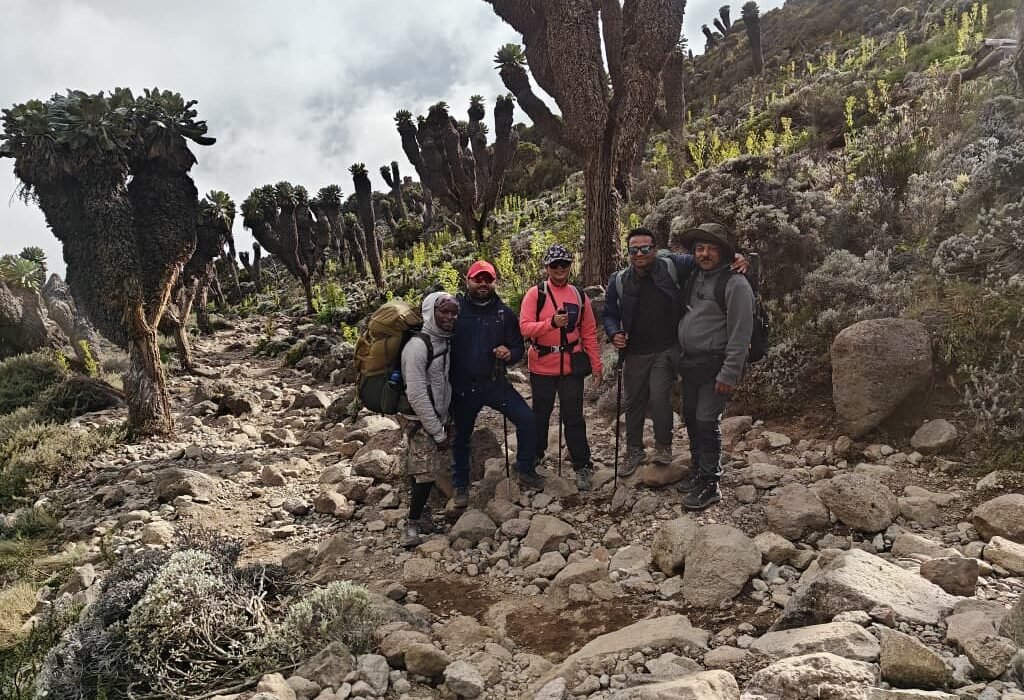
Lemosho vs Machame: Which Route Is Best for Beginners is one of the most common and important questions for people planning their first climb on Mount Kilimanjaro, especially for travelers who want a safe, realistic and enjoyable experience without unnecessary pressure, steep stress on the body, or poor preparation.
Both routes are beautiful and popular, but they feel very different once you are actually on the mountain. Beginners often discover that success is not only about fitness, but about how slowly the body adapts, how the route is designed, how crowded the trail becomes, and how well environmental and safety systems are respected by operators working on the mountain.
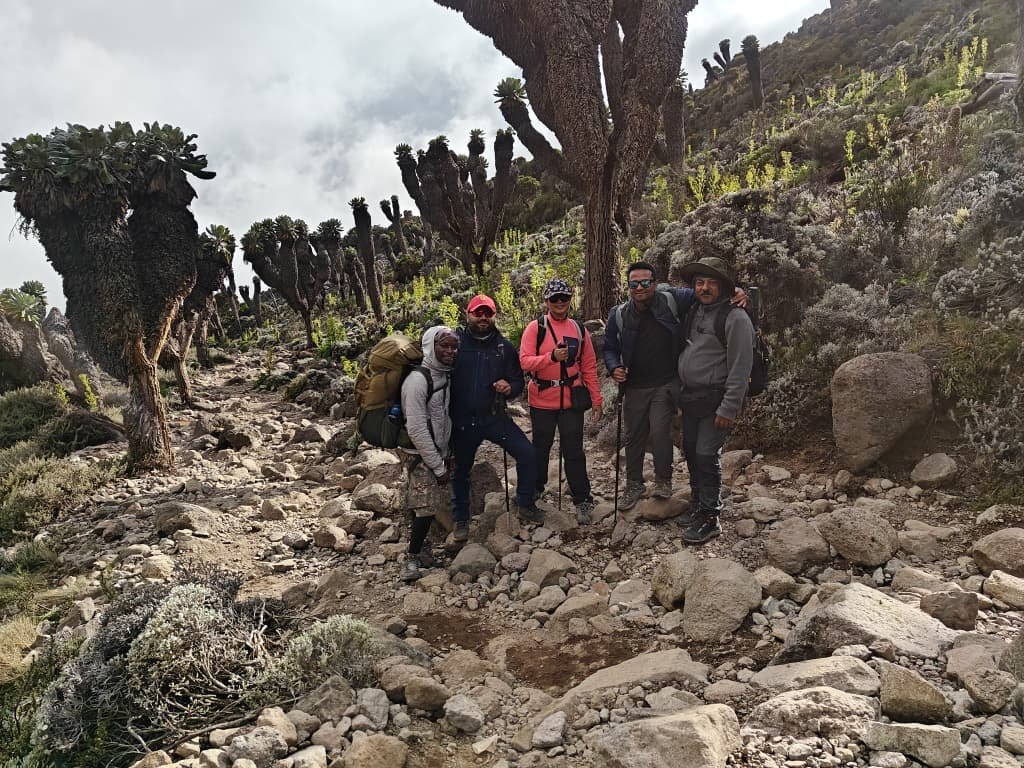
Lemosho vs Machame: Which Route Is Best for Beginners when looking at acclimatization and health safety
Lemosho vs Machame: Which Route Is Best for Beginners becomes very clear when we first look at altitude adaptation, because this is the main reason most first-time climbers fail or feel very uncomfortable. Medical guidance shared by the World Health Organization shows that gradual exposure to altitude and controlled daily elevation gain greatly reduces the risk of serious altitude illness. Scientific reviews published through the National Center for Biotechnology Information explain that slow ascent profiles allow the body to improve oxygen use and blood circulation before moving higher.
Environmental health and mountain safety research supported by the American Red Cross also highlights that emergency response in remote areas becomes far more effective when groups move at controlled and predictable schedules. From a beginner’s point of view, the Lemosho route offers a naturally slower and more progressive altitude profile than Machame, making it much easier for first-time climbers to adjust physically and mentally to life above the clouds.
Lemosho vs Machame: Which Route Is Best for Beginners in terms of trail difficulty and physical pressure
Lemosho vs Machame: Which Route Is Best for Beginners also depends on how the daily hiking feels on your legs and lungs. Research on mountain performance and physical workload published through ScienceDirect shows that steeper daily elevation gains increase fatigue and reduce recovery quality during multi-day trekking. Studies coordinated by the American Psychological Association further show that sustained physical stress combined with mental fatigue significantly affects motivation and confidence in inexperienced hikers.
Machame is often described as more dramatic and visually exciting in the early days, but it also involves steeper climbs and faster altitude gain. For beginners, this can feel very demanding. Lemosho, by contrast, spreads effort more evenly across days, which allows the body and mind to remain more stable and relaxed during the climb.
Lemosho vs Machame: Which Route Is Best for Beginners and crowd levels on the mountain
Lemosho vs Machame: Which Route Is Best for Beginners is strongly influenced by how busy the trail becomes, especially during peak travel periods. Visitor pressure and environmental carrying capacity are key issues discussed by the United Nations Environment Programme, which explains how overcrowding can reduce safety, increase waste management problems and lower the quality of outdoor experiences.
Protected area visitor management strategies promoted by the International Union for Conservation of Nature also recommend spreading visitors across different access points to reduce environmental damage and social congestion. Machame is widely known as one of the busiest routes on Kilimanjaro, while Lemosho offers a quieter start and more peaceful walking environment during the first days, something beginners often appreciate because it reduces pressure, noise and stress.
Lemosho vs Machame: Which Route Is Best for Beginners and environmental protection
Lemosho vs Machame: Which Route Is Best for Beginners must also be considered from an environmental responsibility point of view. Kilimanjaro’s ecosystems are extremely sensitive, especially in the forest and alpine zones. Conservation planning supported by the Conservation International and habitat protection programs led by The Nature Conservancy highlight that trail concentration increases soil erosion, vegetation loss and wildlife disturbance.
Biodiversity monitoring coordinated by the Global Biodiversity Information Facility and forest ecosystem research from the Center for International Forestry Research confirm that high-altitude forests and heath zones recover very slowly after heavy use. Lemosho spreads visitor pressure across less-used sections of the mountain, while Machame concentrates large numbers of trekkers on a narrower corridor.
Lemosho vs Machame: Which Route Is Best for Beginners and wildlife and ecosystem value
Lemosho vs Machame: Which Route Is Best for Beginners also depends on how much natural diversity and landscape variation you experience during the climb. Wildlife and habitat conservation programmes supported by the Wildlife Conservation Society and ecosystem connectivity initiatives from the African Wildlife Foundation emphasize that forest edges and transitional zones around Kilimanjaro remain important corridors for birds, primates and small mammals.
Bird conservation research by BirdLife International further shows that quieter forest areas support higher bird diversity and better breeding success. Because Lemosho begins on the more remote western side of the mountain, beginners often experience richer forest silence and a stronger feeling of wilderness before joining the main summit routes.
Lemosho vs Machame: Which Route Is Best for Beginners and climate sensitivity of the mountain
Lemosho vs Machame: Which Route Is Best for Beginners should also be viewed through the lens of climate stress on mountain environments. Climate assessments coordinated by the Intergovernmental Panel on Climate Change show that African high-altitude ecosystems are warming faster than many lowland regions. Biodiversity vulnerability assessments produced by the Intergovernmental Science-Policy Platform on Biodiversity and Ecosystem Services further warn that alpine and sub-alpine plant communities face increasing risk.
Long-term environmental monitoring supported by the UN Environment Programme World Conservation Monitoring Centre highlights how route planning and visitor management directly affect ecosystem resilience. Routes that distribute foot traffic more widely, such as Lemosho, support more sustainable tourism patterns for the mountain.
Lemosho vs Machame: Which Route Is Best for Beginners and community benefits
Lemosho vs Machame: Which Route Is Best for Beginners is also about how tourism supports local livelihoods. Research from the World Bank demonstrates that well-structured adventure tourism creates stable employment and strengthens rural economies when local communities are directly involved. Labour standards promoted by the International Labour Organization further protect porters, cooks and guides working on the mountain.
Cultural and social inclusion frameworks promoted by UNESCO and community development research coordinated by the UN Department of Economic and Social Affairs show that tourism works best when visitors respect traditions and support community-led services. Both routes contribute to employment, but operators using Lemosho often work with smaller and more localized support teams during the first days.
Lemosho vs Machame: Which Route Is Best for Beginners and protected area governance
Lemosho vs Machame: Which Route Is Best for Beginners is closely linked to how Kilimanjaro National Park is managed. International biodiversity governance frameworks promoted by the Convention on Biological Diversity support visitor zoning, route capacity management and long-term ecosystem protection. Scientific planning and policy research shared through ScienceDirect continues to improve how trekking pressure is monitored and adjusted.
Freshwater and catchment protection initiatives coordinated by UN Environment and watershed management programmes supported by the Food and Agriculture Organization further show how high-altitude land management influences water security for surrounding communities.
Lemosho vs Machame: Which Route Is Best for Beginners and real travel planning
Lemosho vs Machame: Which Route Is Best for Beginners becomes easier to answer when professional planning, safety standards and realistic pacing are applied. Many first-time climbers start by reviewing route structures and responsible trekking practices through Eddy Tours and Safaris, where environmental guidelines, medical preparation and porter welfare standards are clearly explained.
Beginners who want flexible travel design often use custom Kilimanjaro climbing itineraries to match their fitness level, available time and personal comfort needs. Others prefer structured support through professional Kilimanjaro route planning services, which help reduce mistakes and unrealistic expectations.
Lemosho vs Machame: Which Route Is Best for Beginners and final honest guidance
Lemosho vs Machame: Which Route Is Best for Beginners can be answered honestly and simply. Lemosho is generally the better choice for first-time climbers because it offers a gentler altitude profile, lower early crowd pressure, stronger environmental sustainability and a calmer mental experience. Machame remains a beautiful and rewarding route, but its steeper structure and higher congestion make it more suitable for trekkers who already have some high-altitude or multi-day mountain experience.
For travelers who want a safe, balanced and memorable first Kilimanjaro adventure, choosing the right route is the most important decision you will make. When beginners select experienced local operators and respect conservation principles, the mountain becomes not only a summit goal, but a powerful personal journey built on safety, learning and genuine connection with Tanzania’s natural heritage.