
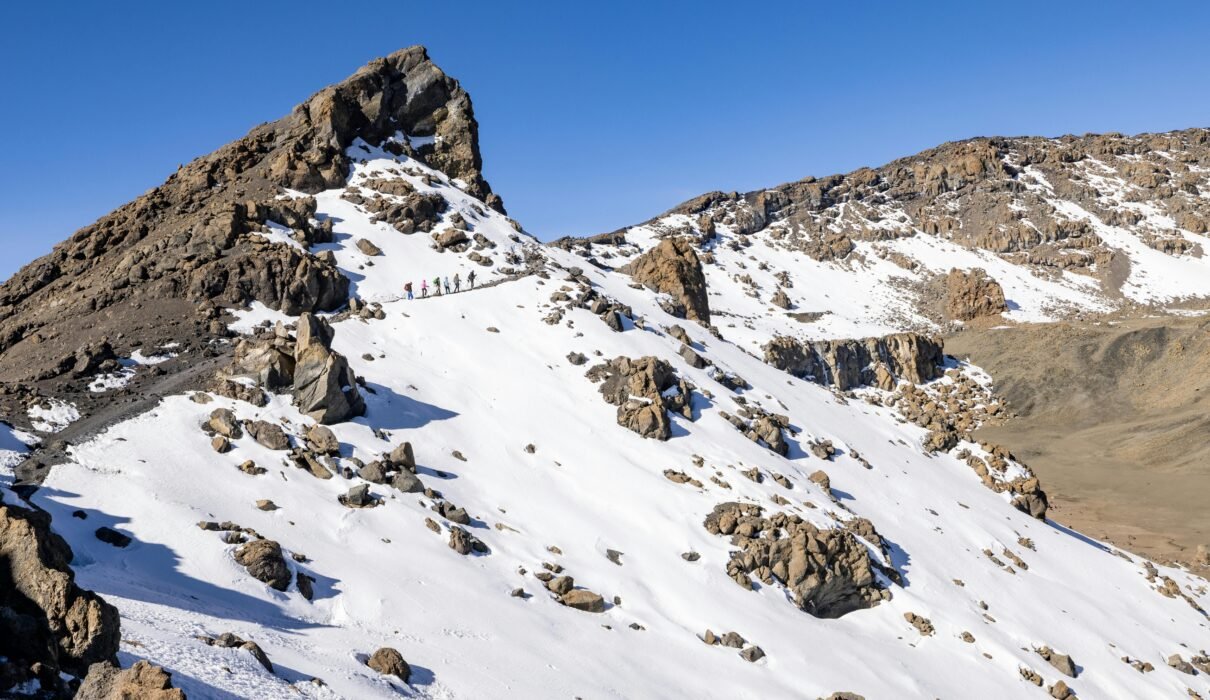
Major Mountains in Tanzania form the backbone of the country’s natural beauty, water systems, wildlife habitats and adventure tourism, offering travellers a rare chance to experience dramatic landscapes while also supporting conservation and community livelihoods in some of East Africa’s most important ecological zones.
From volcanic giants to forest-covered ranges and ancient granite massifs, Tanzania’s mountains protect rivers, regulate local climate, and create safe spaces for rare plants and animals that cannot survive in lowland environments. Visiting these mountains is not only about hiking or photography, but about understanding how nature, science and local communities work together to protect fragile highland ecosystems.
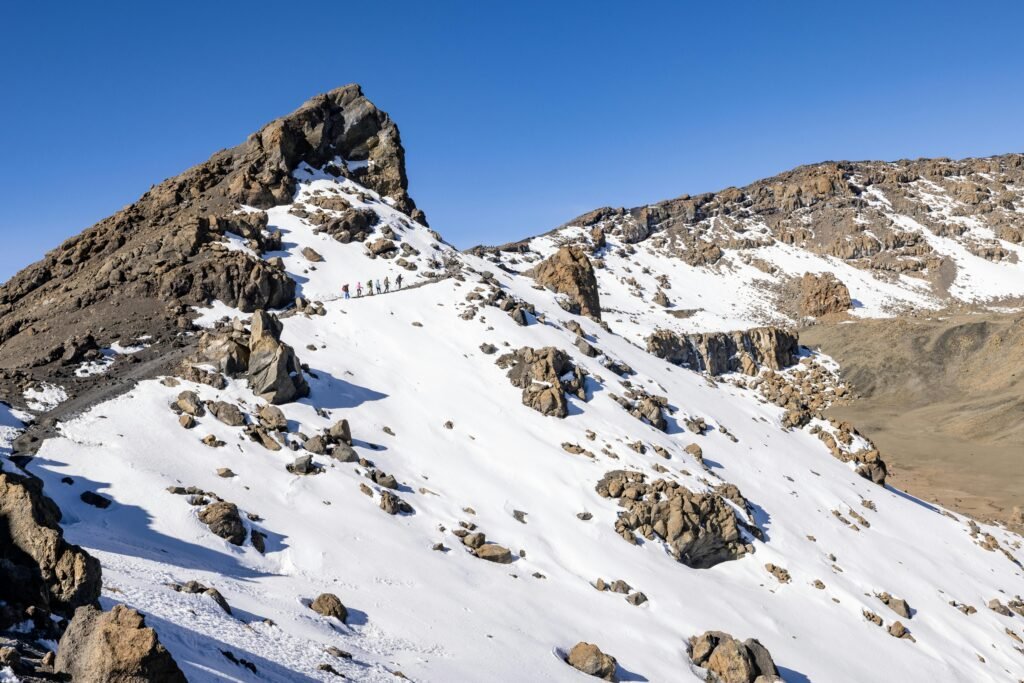
Major Mountains in Tanzania and why these landscapes matter for nature
Major Mountains in Tanzania play a critical role in protecting biodiversity and water resources for millions of people and animals living both in the highlands and the surrounding lowland plains. Global environmental guidance from the United Nations Environment Programme, conservation planning supported by the International Union for Conservation of Nature, and ecosystem protection initiatives promoted by the World Wide Fund for Nature clearly show that mountain ecosystems are among the most sensitive and valuable landscapes on the planet.
Scientific biodiversity data coordinated through the Global Biodiversity Information Facility also confirms that mountain regions hold a high number of endemic plant and animal species that cannot be found anywhere else, making these areas a priority for long-term conservation and responsible tourism.
Major Mountains in Tanzania and Mount Kilimanjaro
Among all Major Mountains in Tanzania, Mount Kilimanjaro remains the most internationally recognised, not only because of its height, but because of its extraordinary range of climate and vegetation zones within a single mountain system. Climate research published by the Intergovernmental Panel on Climate Change shows that high-altitude ecosystems such as Kilimanjaro respond very quickly to changes in temperature and rainfall, making the mountain an important natural laboratory for understanding environmental change.
Forest conservation and landscape management studies supported by the Center for International Forestry Research highlight how the lower forest belts of Kilimanjaro protect water catchments and prevent soil erosion that would otherwise affect farming communities across the region.
Travellers who plan responsible trekking experiences on Kilimanjaro often begin their journey through professional Kilimanjaro travel services, where safety standards and environmental protection are clearly integrated into every route.
Major Mountains in Tanzania and Mount Meru
Mount Meru is another important peak among the Major Mountains in Tanzania, located near Arusha and surrounded by rich wildlife habitats and forest reserves. Ecological research and wildlife monitoring by the Wildlife Conservation Society demonstrates how forested mountain slopes act as safe refuge zones for birds, primates and small mammals moving between protected areas.
Bird habitat protection supported by BirdLife International also shows that highland forests around Meru are vital for migratory and resident bird species, linking mountain conservation directly to wider regional biodiversity networks.
Major Mountains in Tanzania and the Udzungwa Mountains
The Udzungwa Mountains represent one of the most biologically rich areas within the group of Major Mountains in Tanzania, forming part of a globally recognised biodiversity hotspot. Biodiversity assessments coordinated by the Intergovernmental Science-Policy Platform on Biodiversity and Ecosystem Services confirm that this region supports exceptionally high levels of endemic plants, amphibians and mammals.
Protected area monitoring and ecosystem mapping supported by the UN Environment Programme World Conservation Monitoring Centre help guide park management and tourism zoning in the Udzungwa landscape, ensuring that visitor access remains compatible with long-term ecosystem protection.
Major Mountains in Tanzania and the Usambara Mountains
The Eastern Arc ranges, especially the Usambara Mountains, stand out among Major Mountains in Tanzania because of their ancient forests and stable climate history. Conservation programmes led by Conservation International and habitat restoration projects supported by The Nature Conservancy show how forest protection in these mountains directly safeguards water supplies, soil stability and wildlife diversity.
Long-term ecosystem research published through ScienceDirect also demonstrates how deforestation in mountain areas increases landslide risk and reduces agricultural productivity in surrounding valleys.
Major Mountains in Tanzania and the Livingstone and Southern Highlands ranges
The Livingstone Mountains and the wider Southern Highlands form an important part of Major Mountains in Tanzania by protecting freshwater systems that flow into Lake Nyasa and surrounding river basins. Freshwater and watershed protection strategies promoted by the UN Environment and sustainable land and water management guidance from the Food and Agriculture Organization show how mountain catchments protect food security and rural livelihoods.
Environmental and development research supported by the World Bank further demonstrates how well-managed mountain landscapes reduce long-term disaster risk and support sustainable regional development.
Major Mountains in Tanzania and community conservation partnerships
Across all Major Mountains in Tanzania, conservation success depends strongly on local communities who live near forests, water sources and trekking routes. Labour protection standards promoted by the International Labour Organization help strengthen fair employment for guides, porters and rangers, while cultural heritage protection supported by UNESCO encourages respectful tourism that values traditional knowledge and land use systems.
Social and economic development research coordinated by the UN Department of Economic and Social Affairs confirms that community-led tourism and conservation initiatives improve education, health services and long-term environmental responsibility.
Major Mountains in Tanzania and wildlife corridors
Mountain ecosystems also play a hidden role in wildlife movement by providing safe corridors between forests and lowland habitats. Landscape connectivity studies led by the African Wildlife Foundation and corridor protection research conducted by the Wildlife Conservation Society show that maintaining forest strips and natural ridges in mountain areas allows animals to adapt to seasonal changes and climate stress.
Large-scale biodiversity mapping and species distribution models supported by the Global Biodiversity Information Facility strengthen regional planning and wildlife protection strategies.
Major Mountains in Tanzania and visitor safety and health
Responsible travel to mountain environments must also protect visitors and local communities. Health and outdoor travel guidance published by the World Health Organization supports safer trekking practices and disease prevention in remote environments, while emergency response and disaster preparedness principles promoted by the American Red Cross strengthen safety planning for highland tourism operations.
Clear safety procedures reduce accidents and environmental disturbance, ensuring that mountain tourism remains sustainable and respectful.
Major Mountains in Tanzania and international environmental policy
The protection of Major Mountains in Tanzania is also supported by international biodiversity policy and environmental law. Conservation planning and protected area governance frameworks promoted by the Convention on Biological Diversity guide how mountain forests and highland ecosystems are legally protected and managed for future generations.
Major Mountains in Tanzania as a life-changing travel experience
Exploring Major Mountains in Tanzania offers travellers a powerful mix of adventure, learning and meaningful cultural exchange. Whether hiking through cloud forests, walking along volcanic ridges or visiting mountain villages, these journeys create deep personal connections with nature and people.
Travellers interested in combining mountain trekking with wildlife and cultural experiences often plan their trips through trusted Tanzania safari and trekking services, while others design personalised journeys using custom travel programmes in Tanzania that balance adventure with conservation values.
In simple terms, Major Mountains in Tanzania are not only beautiful landmarks. They are living ecosystems, water towers, wildlife shelters and cultural landscapes that deserve careful protection. When visitors choose responsible operators and respect local environments, they help ensure that Tanzania’s mountain heritage continues to support people, wildlife and unforgettable travel experiences for generations to come.