
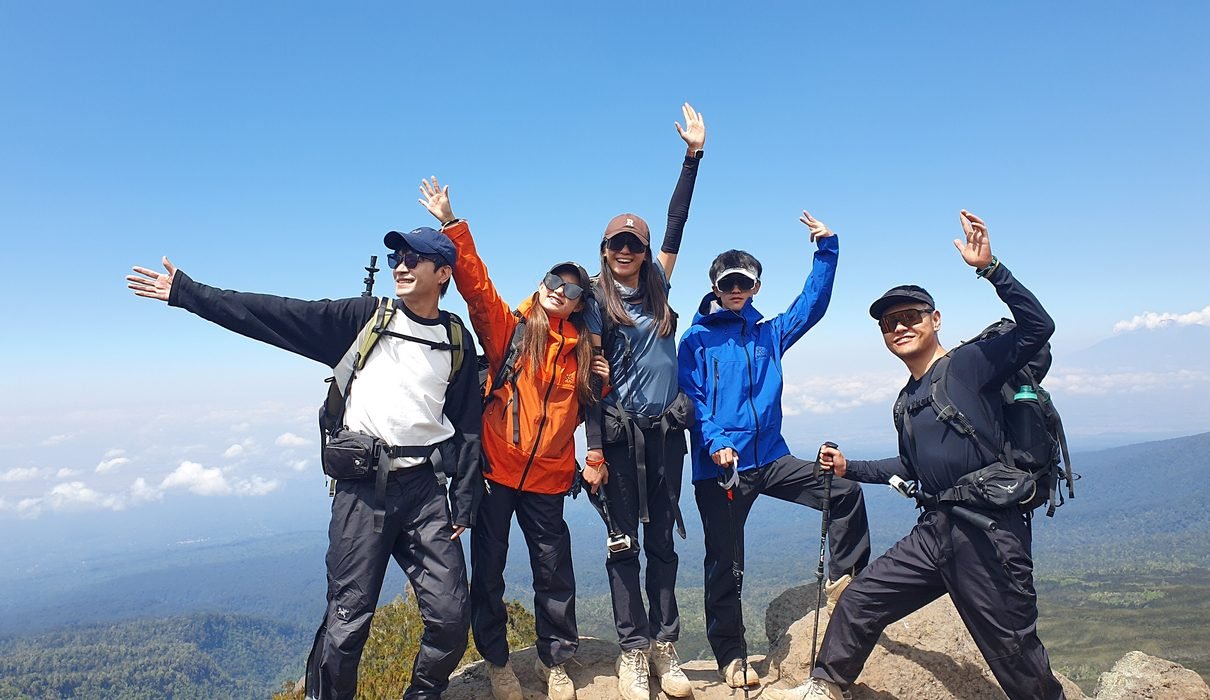
The Ultimate 2027 Marangu Kilimanjaro 5 Days Trekking Tour is a guided mountain climbing adventure designed for travellers who want to reach the summit of Mount Kilimanjaro through the famous Marangu Route. Also known as the Coca-Cola Route, Marangu is one of Kilimanjaro’s oldest and most established trekking routes. It is particularly popular because climbers sleep in mountain huts rather than camping tents.
Mount Kilimanjaro stands at 5,895 metres (19,341 feet) above sea level, making it the highest mountain in Africa. Located in northern Tanzania, the mountain attracts climbers from different parts of the world who want to experience its changing landscapes and reach Uhuru Peak, the highest point on the mountain.
The five-day Marangu Route begins at Marangu Gate, passes through tropical rainforest, moorland, and alpine desert, and continues towards the summit of Kibo. Along the way, climbers stay at Mandara Hut, Horombo Hut, and Kibo Hut before attempting the final ascent to Uhuru Peak.
This route is suitable for physically prepared travellers who have limited time but still want to experience a guided Kilimanjaro climb. However, the five-day itinerary provides less acclimatisation time than longer routes, making altitude sickness a significant concern.
Eddy Tours & Safaris is a local tour company in Arusha, Tanzania, highly recommended by travellers. We arrange guided Kilimanjaro climbing expeditions, Tanzania wildlife safaris, and Zanzibar beach holidays for individuals, couples, families, and groups.
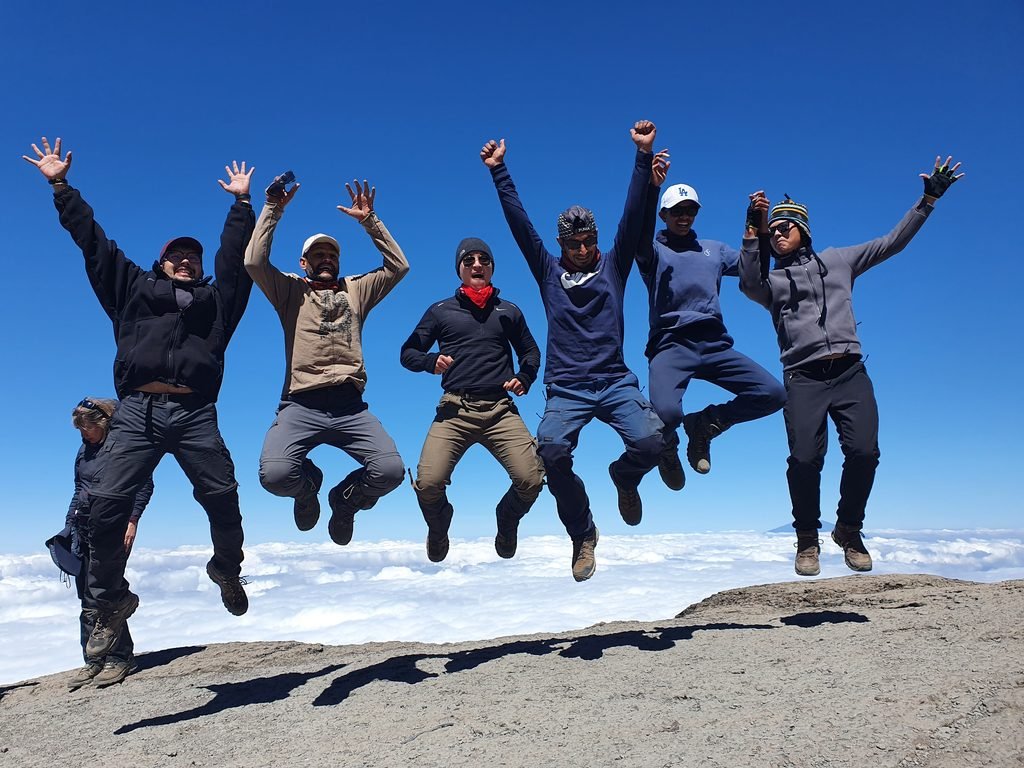
5 Days Marangu Route Kilimanjaro Climb at a Glance
| Package Information | Details |
|---|---|
| Tour Name | Ultimate 2027 Marangu Kilimanjaro 5 Days Trekking Tour |
| Destination | Mount Kilimanjaro, Tanzania |
| Route | Marangu Route |
| Duration | 5 Days / 4 Nights |
| Starting Point | Marangu Gate |
| Ending Point | Marangu Gate |
| Highest Point | Uhuru Peak – 5,895 metres |
| Accommodation | Mountain Huts |
| Difficulty | Challenging |
| Best Travel Months | January–March and June–October |
| Safari Operator | Eddy Tours & Safaris |
| Departure Location | Moshi or Arusha |
| Travel Year | 2027 |
Highlights of the 5 Days Marangu Kilimanjaro Trek
- Climb Mount Kilimanjaro, the highest mountain in Africa.
- Attempt to reach Uhuru Peak at 5,895 metres above sea level.
- Follow the established Marangu Route through Kilimanjaro National Park.
- Stay in mountain huts instead of camping tents.
- Experience rainforest, moorland, alpine desert, and summit landscapes.
- Enjoy beautiful views of Mawenzi and Kibo peaks.
- Trek with experienced local mountain guides and porters.
- Visit Mandara Hut, Horombo Hut, and Kibo Hut.
- Experience the sunrise from Kilimanjaro’s upper slopes, weather permitting.
- Complete a five-day guided mountain trekking expedition in Tanzania.
Detailed 5 Days Marangu Route Kilimanjaro Climbing Itinerary
Day 1: Marangu Gate to Mandara Hut (2,720 Metres)
Your five-day Kilimanjaro climbing expedition begins with a morning pickup from your hotel in Moshi or Arusha. After meeting your mountain guide and climbing team, you will travel towards Marangu Gate, located on the southeastern side of Mount Kilimanjaro.
The journey from Moshi normally takes approximately one hour, while the drive from Arusha takes longer. Upon arrival at Marangu Gate, your guide will complete the national park registration procedures while the porters organise the food supplies, equipment, and other items required for the expedition.
Once registration is complete, you will begin trekking through Kilimanjaro’s beautiful montane rainforest. This section of the mountain receives considerable rainfall, supporting tall trees, ferns, mosses, and other tropical vegetation.
The trail is generally well established, although it can become muddy or slippery during rainy periods. Your guide will maintain a comfortable walking pace and explain the importance of conserving energy for the higher sections of the mountain.
During the trek, you may encounter black-and-white colobus monkeys, blue monkeys, and different forest bird species. Wildlife sightings depend on natural conditions and are not guaranteed.
After approximately four to five hours of walking, you will arrive at Mandara Hut, situated at around 2,720 metres above sea level.
Your mountain crew will prepare dinner while you rest and enjoy the forest surroundings. If time and conditions allow, your guide may arrange a short walk towards Maundi Crater, where clear weather can provide beautiful views of the surrounding landscape.
Day 1 Trekking Details
- Starting altitude: Approximately 1,860 metres
- Sleeping altitude: Approximately 2,720 metres
- Hiking distance: Approximately 8 km
- Walking time: 4–5 hours
- Vegetation zone: Montane rainforest
- Accommodation: Mandara Hut
- Meals: Lunch and Dinner
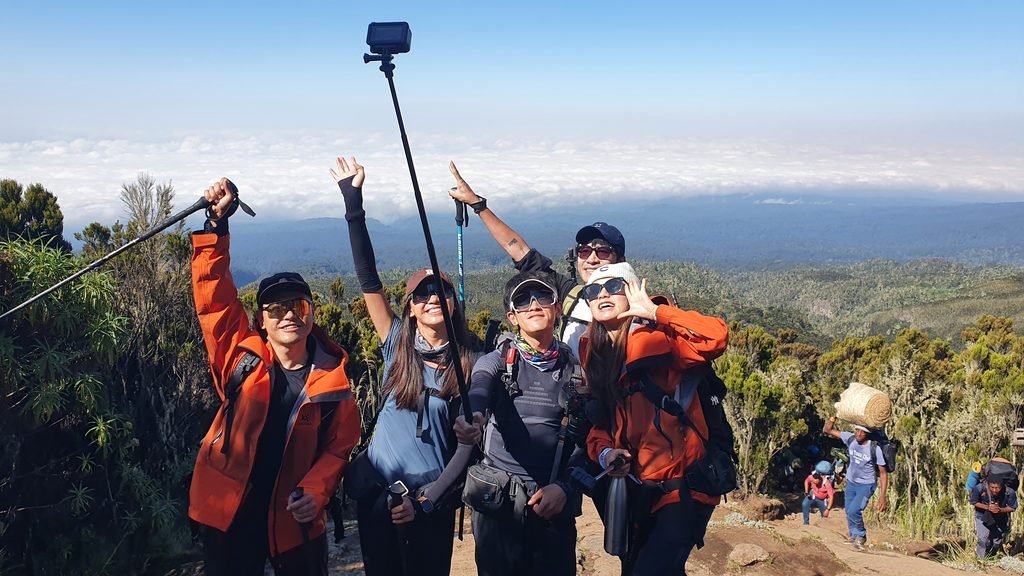
Day 2: Mandara Hut to Horombo Hut (3,720 Metres)
After breakfast at Mandara Hut, you will continue ascending towards Horombo Hut. The trail gradually leaves the dense rainforest and enters Kilimanjaro’s moorland vegetation zone.
As you gain altitude, the landscape becomes more open, offering impressive views of the surrounding mountain slopes. The vegetation changes from tall forest trees to giant heathers, grasses, and plants adapted to cooler temperatures.
One of the most interesting features of this section is the opportunity to observe giant groundsels and other distinctive high-altitude plants found on East African mountains.
On clear days, you may enjoy views of Mawenzi Peak, Kilimanjaro’s second-highest volcanic cone, and Kibo, where the final summit ascent will take place.
The trek normally takes approximately five to seven hours, depending on the group’s pace and weather conditions. Because the trail gains around 1,000 metres in elevation, climbers should walk slowly and take regular breaks.
Your guide will monitor your condition throughout the day and encourage you to drink sufficient water.
Upon arrival at Horombo Hut, you will have time to relax before dinner. Horombo is one of the main accommodation points on the Marangu Route and provides impressive views of the mountain environment.
The temperature can become considerably colder at this altitude, particularly during the evening and early morning.
Day 2 Trekking Details
- Starting altitude: Approximately 2,720 metres
- Sleeping altitude: Approximately 3,720 metres
- Hiking distance: Approximately 12 km
- Walking time: 5–7 hours
- Vegetation zone: Moorland
- Accommodation: Horombo Hut
- Meals: Breakfast, Lunch, and Dinner
Day 3: Horombo Hut to Kibo Hut (4,700 Metres)
Today you will leave Horombo Hut and begin the journey towards Kibo Hut, the final accommodation point before the summit attempt.
The trail passes through increasingly dry and rocky terrain as you move into Kilimanjaro’s alpine desert zone. Vegetation becomes limited, and the landscape is dominated by volcanic rocks, gravel, and wide mountain slopes.
During the trek, you will cross the area known as the Saddle, a broad high-altitude landscape situated between Mawenzi and Kibo peaks.
The Saddle provides some of the most impressive views along the Marangu Route. On clear days, you can observe the steep volcanic slopes of Mawenzi and the massive summit cone of Kibo.
Although parts of the trail are gradual, walking at this altitude can be physically demanding because of reduced oxygen availability.
Your guide will maintain a slow pace and monitor the group’s response to the increasing altitude.
After approximately five to seven hours of trekking, you will arrive at Kibo Hut, situated at around 4,700 metres above sea level.
Upon arrival, your mountain crew will prepare an early meal while your guide explains the summit schedule and safety procedures.
You will also prepare the equipment required for the final ascent, including warm clothing, gloves, headlamp, water, snacks, and trekking poles.
Most summit attempts begin around midnight, so you will spend the remainder of the afternoon resting before the challenging climb.
Day 3 Trekking Details
- Starting altitude: Approximately 3,720 metres
- Sleeping altitude: Approximately 4,700 metres
- Hiking distance: Approximately 10 km
- Walking time: 5–7 hours
- Vegetation zone: Alpine desert
- Accommodation: Kibo Hut
- Meals: Breakfast, Lunch, and Dinner
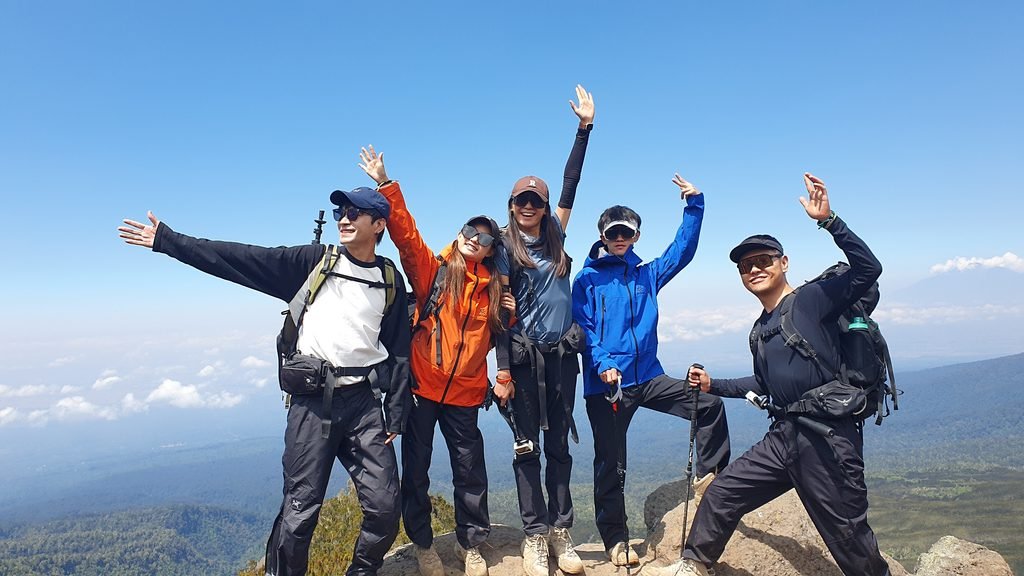
Day 4: Kibo Hut to Uhuru Peak (5,895 Metres) – Descend to Horombo Hut
Day four is the most demanding and important part of your five-day Marangu Kilimanjaro trekking expedition.
Your summit attempt normally begins around midnight, when your mountain guide leads the group towards the upper slopes of Kibo.
Temperatures can fall well below freezing, and strong winds may make conditions more difficult. The trail becomes increasingly steep as you ascend through loose volcanic scree and rocky sections.
Your guide will encourage a slow, steady pace while monitoring your physical condition and signs of altitude sickness.
The first major objective is Gilman’s Point, situated at approximately 5,685 metres on the crater rim. Reaching this point is a significant achievement, but climbers who are physically able and have suitable conditions may continue towards Uhuru Peak.
From Gilman’s Point, the route follows the crater rim towards Uhuru Peak, the highest point on Mount Kilimanjaro.
The final section can be particularly demanding because of the extreme altitude, cold temperatures, and fatigue accumulated during the ascent.
If you successfully reach Uhuru Peak, you will stand at 5,895 metres above sea level, the highest point in Africa.
Your guide will allow a short period for photographs and rest, depending on the weather and your condition.
After leaving the summit, you will descend towards Kibo Hut, where you can rest briefly and have refreshments before continuing down to Horombo Hut.
The descent is long and can be tiring, particularly for the knees and leg muscles. Trekking poles can be useful during this section.
Upon reaching Horombo Hut, your mountain crew will prepare dinner while you rest after the summit attempt.
Day 4 Trekking Details
- Starting altitude: Approximately 4,700 metres
- Highest point: Uhuru Peak – 5,895 metres
- Sleeping altitude: Approximately 3,720 metres
- Hiking distance: Approximately 20–22 km
- Walking time: 12–16 hours
- Vegetation zones: Arctic summit and alpine desert
- Accommodation: Horombo Hut
- Meals: Breakfast, Lunch, and Dinner
Day 5: Horombo Hut to Marangu Gate – Return to Moshi or Arusha
After breakfast at Horombo Hut, you will begin the final descent towards Marangu Gate.
The trail passes through the moorland zone before entering the beautiful rainforest encountered during the first day of your climb.
As you descend, temperatures gradually become warmer, and the vegetation changes from open mountain landscapes to dense tropical forest.
The route passes Mandara Hut before continuing towards the national park entrance.
Although descending is generally less demanding on breathing than ascending, the long walking distance can still be tiring. Your guide will maintain a comfortable pace and organise breaks when needed.
After approximately six to seven hours of trekking, you will arrive at Marangu Gate, where your guide will complete the national park exit procedures.
Eligible climbers will receive the appropriate summit certificate based on the highest recognised point reached during the expedition.
Your driver will meet you at the gate and transfer you to your hotel in Moshi or Arusha.
This marks the end of your five-day Marangu Route Kilimanjaro climbing adventure with Eddy Tours & Safaris.
Day 5 Trekking Details
- Starting altitude: Approximately 3,720 metres
- Ending altitude: Approximately 1,860 metres
- Hiking distance: Approximately 20 km
- Walking time: 6–7 hours
- Vegetation zones: Moorland and rainforest
- Accommodation: Hotel in Moshi or Arusha, if booked separately
- Meals: Breakfast and Lunch
Why Choose the 5 Days Marangu Route for Kilimanjaro?
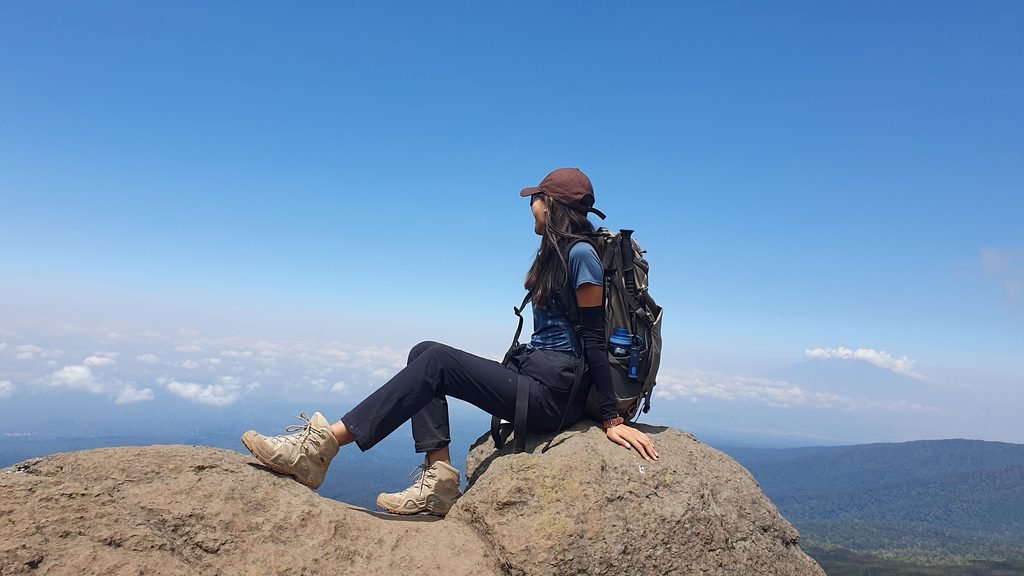
The Marangu Route is one of the most established ways to climb Mount Kilimanjaro. It approaches the mountain from the southeastern side and follows the same general trail for both ascent and descent.
One of its main advantages is the availability of mountain huts. Unlike the Machame, Lemosho, and Northern Circuit routes, Marangu provides permanent sleeping accommodation at designated points along the trail.
The route also has a well-established walking path and relatively gradual slopes during the early stages. However, the final summit ascent is steep, cold, and physically demanding.
The five-day itinerary is attractive to travellers with limited time, but it is important to understand that shorter does not mean easier. This version has no additional acclimatisation day at Horombo Hut, making it more demanding from an altitude-adjustment perspective than the six-day alternative.
Is the 5 Days Marangu Route Suitable for Beginners?
Physically prepared beginners can consider the Marangu Route, but the five-day schedule is not the best option for everyone.
Although the trail does not require technical rock-climbing skills under normal conditions, climbers must be prepared for long walking days, cold temperatures, and the effects of high altitude.
The greatest challenge is the rapid increase in elevation. Climbers travel from approximately 1,860 metres at Marangu Gate to around 4,700 metres at Kibo Hut within three days, before attempting Uhuru Peak.
This rapid ascent increases the risk of altitude sickness, even among physically fit travellers.
For visitors who have never trekked at high altitude, the six-day Marangu Route is generally a better choice because it includes an additional acclimatisation day at Horombo Hut.
Best Time to Climb Kilimanjaro via Marangu in 2027
Mount Kilimanjaro can be climbed throughout the year, but certain months generally offer more favourable trekking conditions.
| Travel Period | General Weather | Climbing Conditions |
|---|---|---|
| January–March | Often relatively dry, with occasional snow at higher elevations | Popular climbing period |
| April–May | Long rainy season | Wetter trails and reduced visibility |
| June–October | Generally drier conditions | Popular period for Kilimanjaro climbing |
| November–December | Short rains in many areas | Variable weather and potentially muddy trails |
January, February, July, August, and September are commonly selected by travellers planning Kilimanjaro climbs.
However, weather conditions on the mountain can change quickly. Climbers should prepare for rain, strong winds, and freezing temperatures regardless of the month.
For official information about Kilimanjaro National Park, visit the Tanzania National Parks Authority visitor guide.
Accommodation on the Marangu Route
The Marangu Route is the only main Kilimanjaro climbing route that uses permanent mountain huts throughout the standard trek.
Mandara Hut: Located in the rainforest zone at approximately 2,720 metres. The accommodation consists of shared sleeping facilities with basic amenities.
Horombo Hut: Located at approximately 3,720 metres. This is a larger mountain accommodation area used by both ascending and descending climbers.
Kibo Hut: Situated at approximately 4,700 metres. The facilities are basic, and climbers normally rest here before beginning the summit attempt.
The huts generally provide shared sleeping spaces and mattresses. Climbers should bring a suitable sleeping bag because mountain temperatures can become extremely cold.
Bathroom facilities are basic and vary between accommodation locations.
What Is Included in the 5 Days Marangu Kilimanjaro Package?
The proposed package includes:
- Five days of guided Kilimanjaro trekking.
- Four nights of mountain hut accommodation.
- Kilimanjaro National Park entrance fees.
- Applicable mountain hut and rescue fees.
- Professional mountain guides.
- Mountain porters and cooks.
- Meals throughout the mountain expedition.
- Treated drinking water during the trek.
- Transport from Moshi or Arusha to Marangu Gate.
- Return transport from Marangu Gate to Moshi or Arusha.
- Pre-climb briefing and equipment inspection.
- Applicable government taxes on included services.
Final inclusions will be confirmed in your quotation.
What Is Excluded from the Kilimanjaro Package?
The following expenses are excluded unless specifically included in your confirmed booking:
- International flights.
- Tanzania visa fees.
- Travel and medical insurance, including suitable high-altitude evacuation coverage.
- Personal climbing equipment.
- Sleeping bags and equipment rental.
- Tips for mountain guides, porters, and cooks.
- Personal expenses.
- Alcoholic beverages.
- Accommodation before and after the climb.
- Airport transfers unless arranged separately.
- Optional Tanzania wildlife safaris or Zanzibar holidays.
Essential Packing List for the Marangu Kilimanjaro Trek
Proper equipment is important for a safe and comfortable Kilimanjaro climbing experience.
Clothing: Thermal base layers, fleece jacket, insulated down or synthetic jacket, waterproof jacket, waterproof trousers, trekking trousers, warm gloves, and a suitable hat.
Footwear: Comfortable waterproof hiking boots with ankle support, warm trekking socks, and lightweight shoes for use inside the huts.
Personal equipment: Sleeping bag suitable for freezing temperatures, headlamp with spare batteries, trekking poles, sunglasses, sunscreen, and a daypack.
Other essentials: Personal medication, reusable water bottles or hydration containers, toiletries, and energy snacks.
Your mountain guide will explain the recommended equipment during the pre-climb briefing. Some climbing equipment may be available for rental in Moshi or Arusha.
Altitude Sickness and Safety on Kilimanjaro
Altitude sickness is one of the main risks associated with climbing Mount Kilimanjaro.
As climbers ascend, atmospheric pressure decreases, reducing the amount of oxygen available to the body. This can cause symptoms such as headaches, nausea, dizziness, fatigue, and difficulty sleeping.
More serious altitude-related illnesses can develop and require immediate attention. Climbers should report symptoms promptly and follow their guide’s instructions.
Because the five-day Marangu itinerary does not include an additional acclimatisation day, careful monitoring is particularly important.
Climbers should walk slowly, drink adequate water, eat regularly, and avoid rushing towards the summit.
A guide may recommend stopping the ascent or descending if symptoms become concerning. Reaching the summit should never take priority over personal safety.
How Much Does the 5 Days Marangu Route Cost in 2027?
The price of a five-day Marangu Kilimanjaro climb depends on the number of climbers, travel dates, transport arrangements, and services included.
The main expenses generally include national park fees, mountain hut accommodation, professional guides, porters, cooks, meals, and transport.
Private climbs may cost more per person for solo travellers, while group departures can reduce certain shared operating expenses.
When comparing climbing packages, travellers should consider the experience of the mountain guides, safety arrangements, porter welfare, and the services included.
For an accurate 2027 quotation, contact Eddy Tours & Safaris with your preferred travel dates and number of climbers.
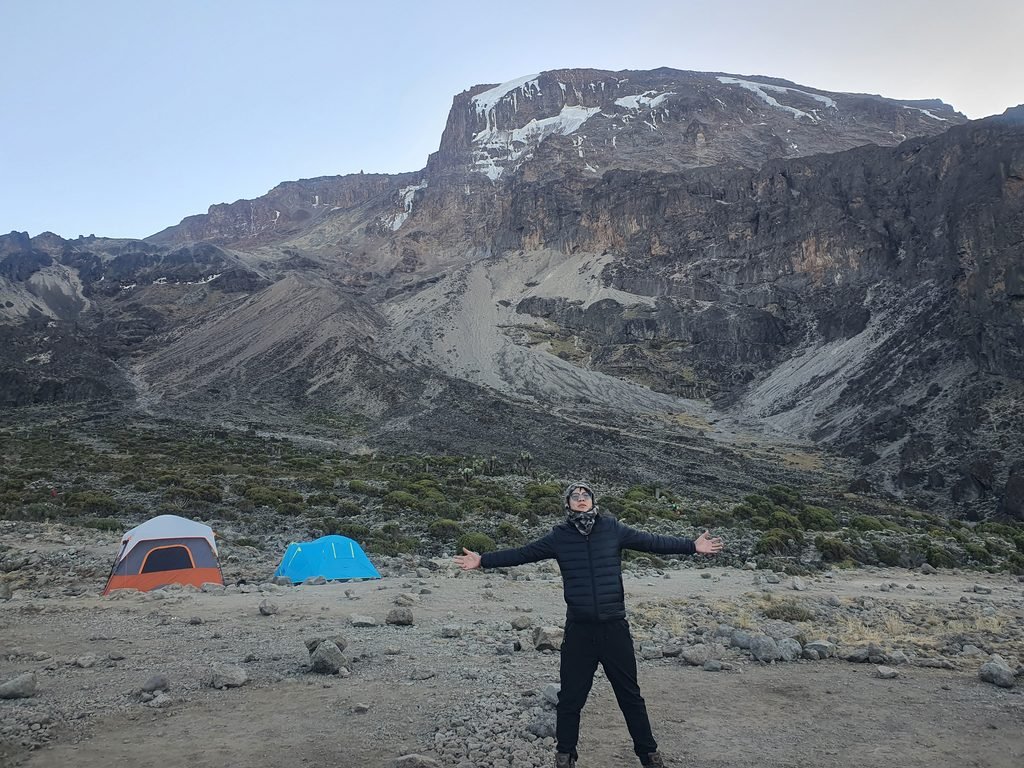
Frequently Asked Questions About the 5 Days Marangu Kilimanjaro Climb
Can I climb Kilimanjaro in five days?
Yes. The Marangu Route offers a five-day itinerary, but it provides limited time for acclimatisation. Longer routes are generally preferable for travellers who want additional time to adjust to altitude.
Is the Marangu Route easier than Machame?
Marangu has a relatively gradual trail during its early stages and provides hut accommodation. However, its shorter itineraries can make altitude adjustment difficult. Neither route guarantees an easy summit attempt.
Do I need climbing experience for the Marangu Route?
Technical mountaineering experience is not normally required for the standard Marangu Route. However, good physical fitness, suitable equipment, and preparation for high-altitude trekking are important.
Does the five-day Marangu Route include an acclimatisation day?
No. The standard five-day itinerary does not include an additional rest or acclimatisation day at Horombo Hut. The six-day version normally includes this extra day.
What is the highest point on Mount Kilimanjaro?
Uhuru Peak is the highest point on Mount Kilimanjaro, standing at 5,895 metres above sea level.
Do climbers sleep in tents on the Marangu Route?
No. The standard Marangu Route uses permanent mountain huts at Mandara, Horombo, and Kibo.
Can I climb Kilimanjaro as a solo traveller?
Yes. Solo travellers can arrange a private guided climb or join a scheduled group departure, subject to availability.
Is Kilimanjaro climbing available in 2027?
Yes. Kilimanjaro climbing trips can be planned for 2027, subject to national park regulations, guide availability, and confirmed travel arrangements.
Can I combine the Marangu Route with a Tanzania safari?
Yes. Many travellers continue to Tarangire National Park, Ngorongoro Crater, or Serengeti National Park after completing their Kilimanjaro expedition.
Can I visit Zanzibar after climbing Kilimanjaro?
Yes. Zanzibar is a popular destination for travellers who want to relax after completing their mountain climb. Domestic flights and beach accommodation can be arranged separately.
Book the Ultimate 2027 Marangu Kilimanjaro 5 Days Trekking Tour
The Ultimate 2027 Marangu Kilimanjaro 5 Days Trekking Tour offers an opportunity to climb Africa’s highest mountain through one of its most established routes. From the rainforest around Marangu Gate to the open moorland of Horombo and the challenging summit ascent from Kibo Hut, the journey provides a memorable mountain trekking experience.
Eddy Tours & Safaris is a local tour company in Arusha, Tanzania, highly recommended by travellers. We arrange guided Mount Kilimanjaro climbing expeditions, Tanzania wildlife safaris, and Zanzibar beach holidays.
Our team can assist you with climbing dates, mountain guides, transport, equipment information, and accommodation arrangements.
Whether you are travelling alone, as a couple, or with a group of friends, we can help you organise a Kilimanjaro climbing package that suits your travel plans.
Visit Eddy Tours & Safaris to explore our travel services or contact our team to request a personalised quotation.
Email: sales@eddytours-safaris.com
WhatsApp: +255 711 906 664 — Chat with our team