
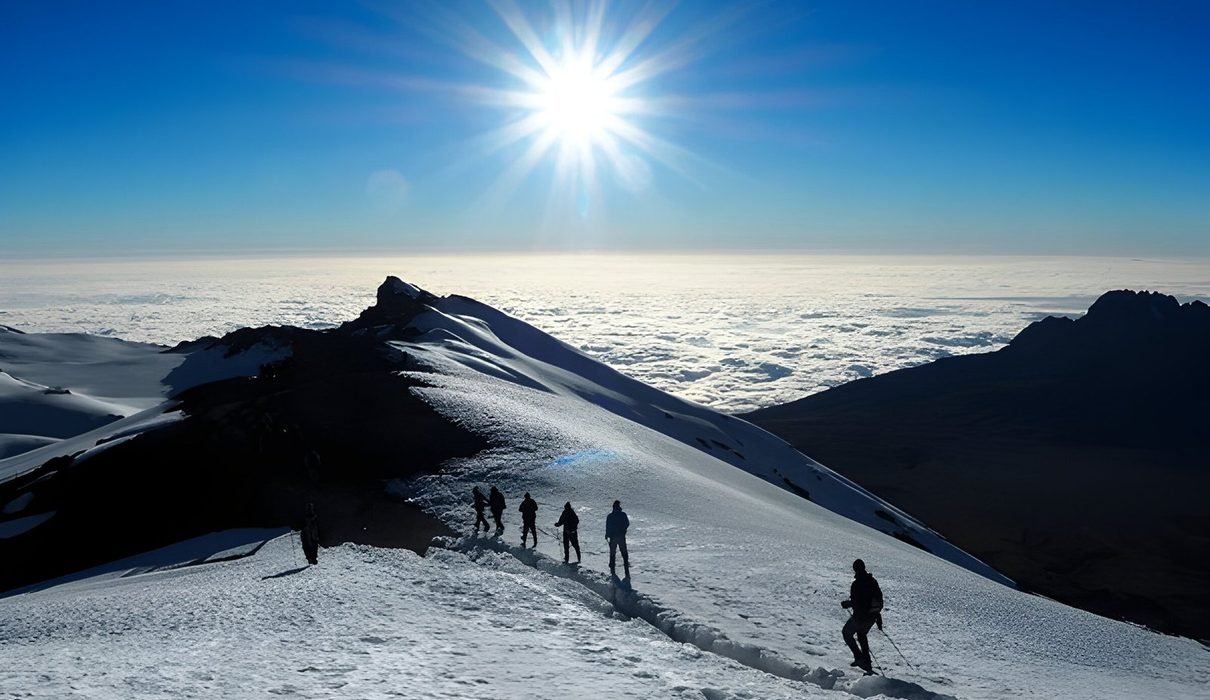
Walk through Kilimanjaro’s rainforest, cross open moorland and approach the summit slopes of Kibo on this Marangu Route 5-day Kilimanjaro trekking package. The itinerary includes four nights in mountain huts and a guided attempt to reach Uhuru Peak, 5,895 metres above sea level.
Marangu is an established route on the southeastern side of Mount Kilimanjaro. It attracts travellers who prefer hut accommodation, with overnight stops at Mandara, Horombo and Kibo. The descent follows the same main trail, returning through the mountain’s changing landscapes to Marangu Gate.
For your 2027 or 2028 trek, Eddy Tours & Safaris can help you arrange the mountain itinerary, transfers and any additional Tanzania travel. Share your preferred dates and trekking experience so the proposed schedule matches your needs.
Before booking: Five-day Marangu is a short high-altitude itinerary without an additional acclimatisation day. Compare it with six-day Marangu, which adds another night at Horombo. For first-time high-altitude trekkers, the longer option deserves serious consideration.
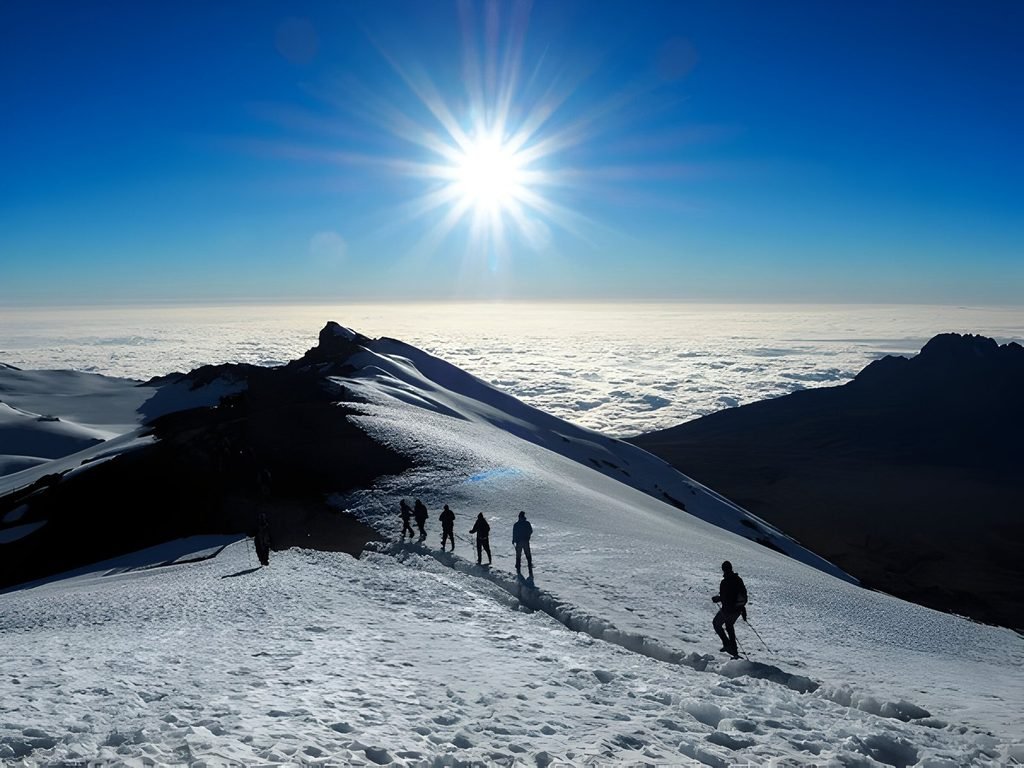
Trekking Package Overview
| Detail | Proposed arrangement |
|---|---|
| Mountain | Mount Kilimanjaro |
| Country | Tanzania |
| Route | Marangu |
| Trekking duration | 5 days |
| Mountain nights | 4 |
| Travel years | 2027 and 2028 |
| Starting and ending trailhead | Marangu Gate |
| Summit objective | Uhuru Peak, 5,895 m |
| Accommodation | Shared mountain huts |
| Overnight sequence | Mandara, Horombo, Kibo, Horombo |
| Departure arrangements | Private or available group departures |
| Price | Quotation based on dates, group size and services |
The five-day duration covers the trek itself. Arrival, hotel accommodation before and after the climb, and airport transfers should be listed separately in your proposal.
Allow time before departure for rest, a briefing and an equipment check.
What to Expect on the Marangu Route
Hut Accommodation
Marangu uses huts at Mandara, Horombo and Kibo, as confirmed in Tanzania National Parks’ Kilimanjaro visitor guide.
These are basic mountain facilities. Sleeping spaces are generally shared, and a private guided trek does not automatically include private rooms.
Bring a suitable sleeping bag and warm overnight clothing. Hut accommodation offers shelter, but conditions remain cold at higher elevations.
Changing Terrain
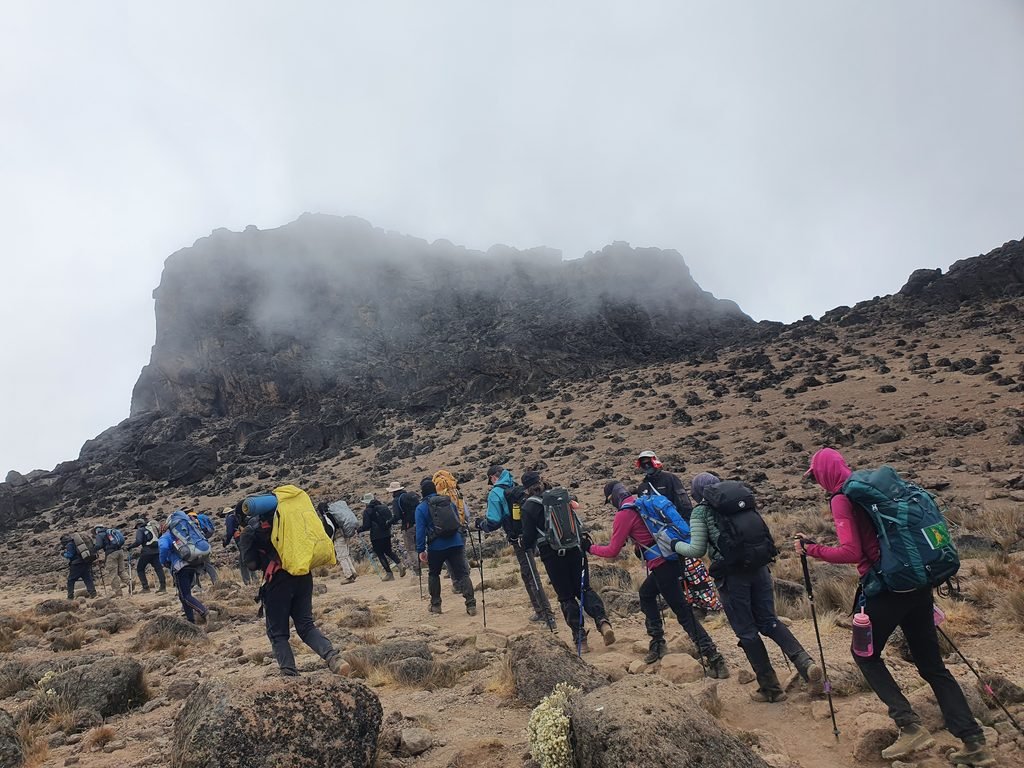
The first day passes through forest. Higher up, the trail enters open moorland before reaching the sparse landscape around Kibo.
As you gain altitude, walking can become slower even on relatively gentle ground. The summit stage involves a much steeper ascent, followed by a long descent.
A Demanding Summit Day
Marangu is sometimes described as an easy route because it has an established trail and huts. That description overlooks the altitude and compressed schedule.
The summit attempt is physically and mentally demanding. Prepare for cold, limited sleep and many hours on foot.
Five-Day Marangu Route Itinerary
Elevations and walking times below are approximate. Your guide will adapt the pace and schedule to weather, trail conditions and the group’s health.
Day 1: Marangu Gate to Mandara Hut
Overnight: Mandara Hut
Approximate elevation: 2,700 m
Walking time: Around 4–6 hours
Meals: Lunch and dinner
Travel from the agreed hotel to Marangu Gate. Complete registration while your mountain team prepares equipment and supplies.
Begin trekking through the forest, following your guide at a steady pace. The trail may be muddy, and showers can occur, so keep rain protection close at hand.
Carry drinking water, snacks, an extra layer and personal essentials in your daypack. Your main bag travels separately with the crew.
The opening day gives you time to become familiar with your equipment and the daily walking routine. Tell your guide promptly if your boots, pack or clothing cause discomfort.
At Mandara, settle into the hut and rest. If time, weather and your condition allow, an optional short walk towards Maundi Crater may be possible.
Enjoy dinner and a briefing for the following day.
Day 2: Mandara Hut to Horombo Hut
Overnight: Horombo Hut
Approximate elevation: 3,720 m
Walking time: Around 6–8 hours
Meals: Breakfast, lunch and dinner
Continue uphill after breakfast. The forest gradually opens into moorland, with broader views when conditions are clear.
The exposed trail can bring strong sunshine, wind or rain. Adjust your layers while walking and keep warm clothing ready for breaks.
This stage involves a considerable increase in sleeping altitude. Maintain a manageable pace and communicate openly with your guide about how you feel.
Lunch and rest stops are arranged along the route. On arrival at Horombo, change into dry clothing and organise your equipment before dinner.
The five-day schedule continues to Kibo the next morning. It does not include the extra Horombo day used in the six-day version.
Day 3: Horombo Hut to Kibo Hut
Overnight: Kibo Hut
Approximate elevation: 4,700 m
Walking time: Around 6–8 hours
Meals: Breakfast, lunch and dinner
Leave Horombo and continue into the higher mountain landscape.
Vegetation becomes sparse as the route approaches the saddle between Mawenzi and Kibo. The surroundings feel increasingly exposed, and altitude can make ordinary walking more tiring.
Walk slowly and avoid using up energy by rushing ahead. The aim is to reach Kibo with enough time to prepare and rest.
At the hut, organise your summit clothing and equipment. Check your headlamp, spare batteries, gloves and water-carrying system.
Your guide explains the summit plan and assesses your readiness. The ascent commonly begins around midnight, although the exact departure depends on the group and conditions.
Rest as much as possible before the night climb.
Day 4: Kibo Hut to Uhuru Peak, Then Horombo Hut
Overnight: Horombo Hut
Highest point: Uhuru Peak, 5,895 m
Total walking time: Approximately 12–16 hours, sometimes longer
Meals: Light food before departure and meals during the descent schedule
Begin the summit attempt in darkness.
The climb towards Gilman’s Point on the crater rim is steep and demanding. Cold, tiredness and altitude make a patient pace essential.
Reaching Gilman’s Point is a major stage, but it is not the same as reaching Uhuru Peak. If your guide considers it appropriate, continue along the rim towards the summit.
At Uhuru Peak, pause briefly for photographs if conditions permit. Sunrise timing and clear views cannot be guaranteed.
Descend to Kibo for food and rest, then continue to Horombo.
The descent requires concentration. Loose surfaces and tired legs can make this section challenging even after the ascent is complete.
Your summit attempt depends on health and conditions. A guide may turn you around before Uhuru Peak if continuing would be unsafe.
Day 5: Horombo Hut to Marangu Gate
Overnight: Hotel if included
Walking time: Around 5–7 hours
Meals: Breakfast and lunch
After breakfast, descend through the moorland towards Mandara. Continue into the forest and follow the trail back to Marangu Gate.
Take your time on wet or uneven sections. Trekking poles may help during the long downhill walk.
Complete the park’s exit formalities at the gate. Certificates are issued according to the point reached and the applicable procedures.
Meet your transfer vehicle and return to the agreed hotel for rest.
Avoid a tightly timed international departure immediately after descent. An overnight stay gives you a more comfortable finish and space for delays.
Five Days or Six Days?
The six-day Marangu itinerary adds another night at Horombo, generally with an acclimatisation walk before continuing to Kibo.
| Consideration | Five-day Marangu | Six-day Marangu |
|---|---|---|
| Mountain nights | 4 | 5 |
| Extra day at Horombo | No | Yes |
| Time to adjust to altitude | More limited | Greater |
| Accommodation | Shared huts | Shared huts |
| Trekking schedule | Compressed | More gradual |
| Guaranteed summit | No | No |
The shorter itinerary may appeal to travellers with limited time, but time savings should be weighed against the reduced opportunity to acclimatise.
Previous trekking experience is useful, yet it does not guarantee how your body will respond to altitude.
Ask Eddy Tours & Safaris for both options before confirming your departure.
Proposed Package Inclusions
Your final quotation should confirm the complete arrangements. The mountain package can include:
- Five-day guided Marangu trek.
- Mountain guide, cook and porter support.
- Four nights of shared hut accommodation.
- Applicable park entry and hut charges.
- Meals during the mountain itinerary.
- Drinking-water arrangements.
- Transfers between the agreed hotel and Marangu Gate.
- Pre-climb briefing and equipment check.
- First-aid and emergency equipment specified in the proposal.
Ask for clear details about emergency communication, evacuation procedures and porter baggage limits.
Airport transfers, hotel nights and equipment hire should appear expressly in the quotation if included.
Package Exclusions
Unless stated otherwise in your proposal, allow separately for:
- International flights.
- Visa and entry expenses.
- Travel insurance.
- Personal trekking clothing and footwear.
- Sleeping-bag or equipment rental.
- Mountain crew tips.
- Personal purchases.
- Additional hotel nights.
- Meals outside those listed.
- Optional safari or Zanzibar extensions.
- Costs associated with itinerary changes or an early descent under the booking terms.
Confirm which rescue-related charges are included and which emergency expenses may remain your responsibility.
When to Trek in 2027 or 2028
Tanzania National Parks describes generally drier conditions around late June to September and December to early March. Wetter periods are typically around March to May and October to November. These are seasonal patterns, rather than a forecast for your dates.
Rain, wind, cloud and snow remain possible during a mountain journey.
Prepare for changing conditions regardless of your chosen month. Huts provide overnight shelter, but waterproof clothing is still necessary on the trail.
Read the official Kilimanjaro National Park guide for additional background.
Essential Equipment
Clothing
Pack layers that work together:
- Moisture-managing base layers.
- Warm mid-layers.
- Insulated jacket.
- Waterproof jacket and trousers.
- Trekking trousers.
- Warm hat and sun hat.
- Gloves and warm summit mittens.
Keep a dry set of clothing for overnight use.
Footwear and Walking Equipment
Bring broken-in hiking boots, suitable socks and a comfortable daypack.
Practise walking with your expected equipment before departure. Include downhill sessions to identify pressure points and improve confidence on descents.
Trekking poles can be helpful, particularly after the summit attempt.
Sleeping and Personal Items
Bring a suitable sleeping bag, reliable headlamp and spare batteries.
You will also need sunglasses, sunscreen, toiletries, blister supplies and a water-carrying system.
Request the full packing list early. If hiring equipment, confirm availability, sizes and costs before travelling.
Fitness and Altitude Preparation
Prepare with regular walks, longer hikes and uphill training. Build gradually and include consecutive walking days where practical.
Fitness helps with the physical demands, but it does not prevent altitude illness.
The CDC advises against further ascent when altitude-illness symptoms are present and recommends descent when symptoms worsen. Speak with a qualified clinician before travel about your health and any preventive medication.
Read the CDC’s high-altitude travel advice, and report headaches, nausea, dizziness or unusual fatigue promptly to your guide.
Do not hide symptoms because you are worried about affecting the itinerary.
Private and Group Departures
A private trek may suit couples, friends or families who want their own guided arrangements.
A group departure may help spread some operating costs, but availability and minimum numbers should be confirmed.
Before choosing a shared climb, ask about group size, departure status and how different walking speeds are managed.
Private guiding does not automatically provide private hut accommodation.
Prices and Booking Information
The cost of Marangu Route 5-day Kilimanjaro trekking depends on dates, group size and the services included.
Request a written quotation showing the mountain package separately from hotel nights, airport transfers and equipment rental.
Confirm:
- Exact trekking dates.
- Private or group arrangements.
- Hut accommodation.
- Complete inclusions and exclusions.
- Payment schedule.
- Cancellation terms.
- Insurance requirements.
- Early-descent procedures and costs.
For 2027 and 2028, ask whether prices are confirmed or provisional and how future supplier changes would be handled.
Extend Your Trip After Kilimanjaro
Allow recovery time before continuing your holiday.
A wildlife safari offers a different pace, with game drives and lodge or camp accommodation. Explore Tanzania safari options to discuss an extension after the trek.
Zanzibar can also be requested for travellers who prefer time by the coast.
For further route information, visit Kilimanjaro Climb Specialist.
Frequently Asked Questions
Is Marangu the easiest Kilimanjaro route?
Its huts and established trail do not remove the demands of altitude. Five-day Marangu has a compressed ascent schedule and a strenuous summit day.
Can a beginner choose this package?
A beginner can discuss Marangu with the operator, but the six-day version and longer alternatives deserve careful comparison.
Do I need technical climbing skills?
The standard itinerary is a trekking route. Nevertheless, cold, altitude and long walking days require thorough preparation.
Do I need a sleeping bag?
Yes. Basic hut accommodation still requires a suitable sleeping bag and warm clothing.
Are airport transfers included?
Only when listed in your quotation. Confirm them separately from transfers to and from Marangu Gate.
Can I add an acclimatisation day?
Request six-day Marangu before booking so the additional hut night can be arranged in advance.
Plan Your Marangu Trek With Eddy Tours & Safaris
Choose a schedule that suits your experience and gives you a realistic understanding of the mountain.
For Marangu Route 5-day Kilimanjaro trekking in 2027–2028, share your dates, group size and previous hiking experience with our team. Request a comparison with six days before making your final choice.
Contact Eddy Tours & Safaris for itinerary planning, equipment guidance and a quotation.
Website: eddytours-safaris.com
Email: eddytoursandsafaris@gmail.com
Sales: sales@eddytours-safaris.com
Phone and WhatsApp: +255 711 906 664