
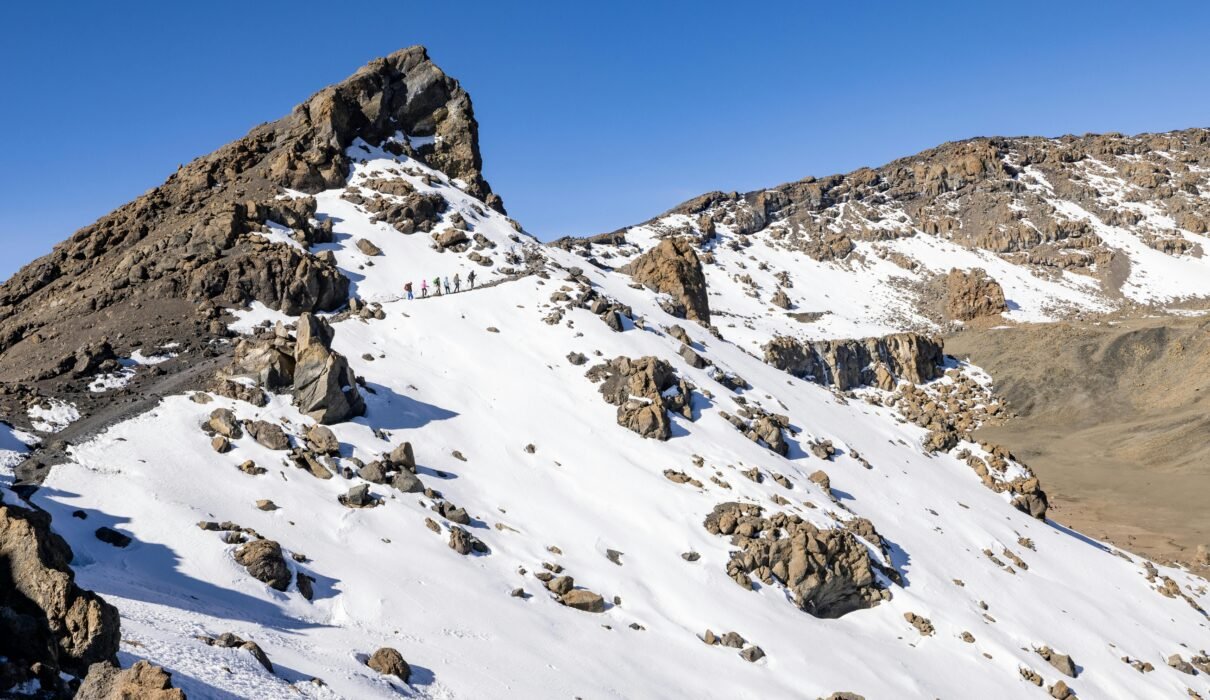
Mount Everest Death Statistics Explained is one of the most searched topics by climbers and adventure travelers who want to understand what truly makes the world’s highest mountain so dangerous. Behind every headline about tragedy on Everest lies a complex combination of altitude stress, weather instability, human decision-making, medical limits and fragile high-mountain environments. Understanding these statistics clearly is not about fear. It is about learning how risk is created, how it can be managed, and why responsible mountain travel matters everywhere – including on safer destinations such as those planned through Eddy Tours & Safaris.
This article presents Mount Everest death data in a simple and human way, using trusted scientific institutions, environmental organizations and medical research. The aim is not to sensationalize loss, but to help readers understand what the numbers actually mean, why they exist, and how better planning, ethics and training can reduce similar risks in other high-altitude environments around the world.
Mount Everest Death Statistics Explained through verified scientific records
When people search for Mount Everest Death Statistics Explained, they often expect a single number. In reality, fatality data is collected and analyzed by research institutions and academic partners who focus on mountain medicine, environmental risk and expedition safety. Large scientific databases such as the U.S. National Library of Medicine and peer-reviewed platforms like PubMed show that most deaths on extreme mountains are linked to altitude illness, trauma, sudden weather exposure and exhaustion rather than technical climbing failure.
Global risk research supported by the World Health Organization and high-altitude physiology studies coordinated by the International Society for Mountain Medicine confirm that the human body reaches its functional limits at extreme elevation. These institutions explain that death statistics must always be read alongside exposure time, rescue capability and decision-making conditions, not as isolated numbers.
Mount Everest Death Statistics Explained by altitude and oxygen science
One of the strongest drivers behind Mount Everest Death Statistics Explained is altitude hypoxia. At extreme elevation, oxygen pressure drops dramatically, affecting the brain, heart and lungs. Medical guidance from the Centers for Disease Control and Prevention and clinical explanations provided by Johns Hopkins Medicine show that cerebral and pulmonary edema are among the most dangerous and fast-developing conditions in high mountains.
Clinical reviews published through Frontiers in Physiology and global emergency care research shared by the International Federation of Red Cross and Red Crescent Societies emphasize that survival depends on early recognition, rapid descent and reliable evacuation. In many Everest cases, weather and terrain delay rescue long enough for symptoms to become fatal.
Mount Everest Death Statistics Explained through weather and climate exposure
Another critical dimension of Mount Everest Death Statistics Explained is environmental exposure. Everest sits within a highly unstable high-altitude climate system. Climate science from NASA Climate and assessments produced by the Intergovernmental Panel on Climate Change confirm that mountain weather patterns are becoming more unpredictable and severe.
Environmental monitoring programs supported by the United Nations Environment Programme and conservation risk studies coordinated by the International Union for Conservation of Nature show that sudden wind shifts, temperature drops and snow instability are major contributors to fatal incidents. Climbers exposed for long periods in the so-called high-risk zones are especially vulnerable to frost injury and collapse.
Mount Everest Death Statistics Explained by human decision pressure
When examining Mount Everest Death Statistics Explained, human decision-making becomes one of the most sensitive factors. Behavioral science research published through ScienceDirect and expedition psychology studies shared by Nature Research show that fatigue, fear of failure and financial pressure can distort judgement in extreme environments.
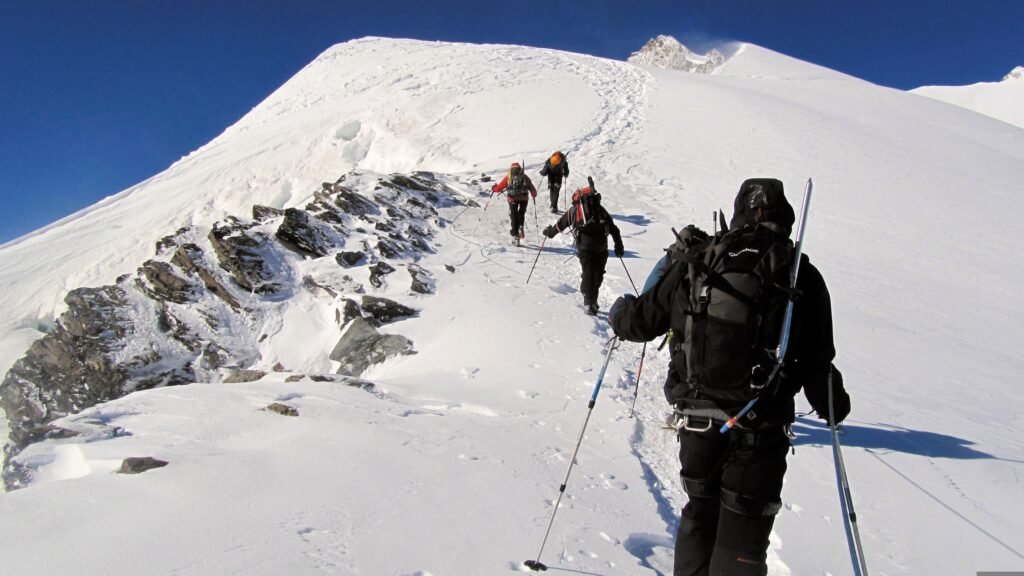
Leadership training principles promoted by the National Outdoor Leadership School and international safety frameworks developed by the International Climbing and Mountaineering Federation confirm that conservative turnaround decisions and strict time limits significantly reduce fatal outcomes. Many deaths occur when climbers continue upward despite worsening physical and environmental warning signs.
Mount Everest Death Statistics Explained and crowding risk
Crowding has become a visible factor in modern discussions of Mount Everest Death Statistics Explained. Environmental impact and visitor pressure studies published by National Geographic Society and conservation management research from the Wildlife Conservation Society demonstrate that congestion at narrow climbing sections increases exposure time to extreme altitude and weather.
Long waiting periods at fixed ropes mean climbers remain motionless in low-oxygen zones for extended periods. This significantly increases exhaustion and hypothermia risk, even for well-trained individuals.
Mount Everest Death Statistics Explained through rescue and logistics limitations
Rescue capability is another key element of Mount Everest Death Statistics Explained. Disaster response research coordinated through the World B_