
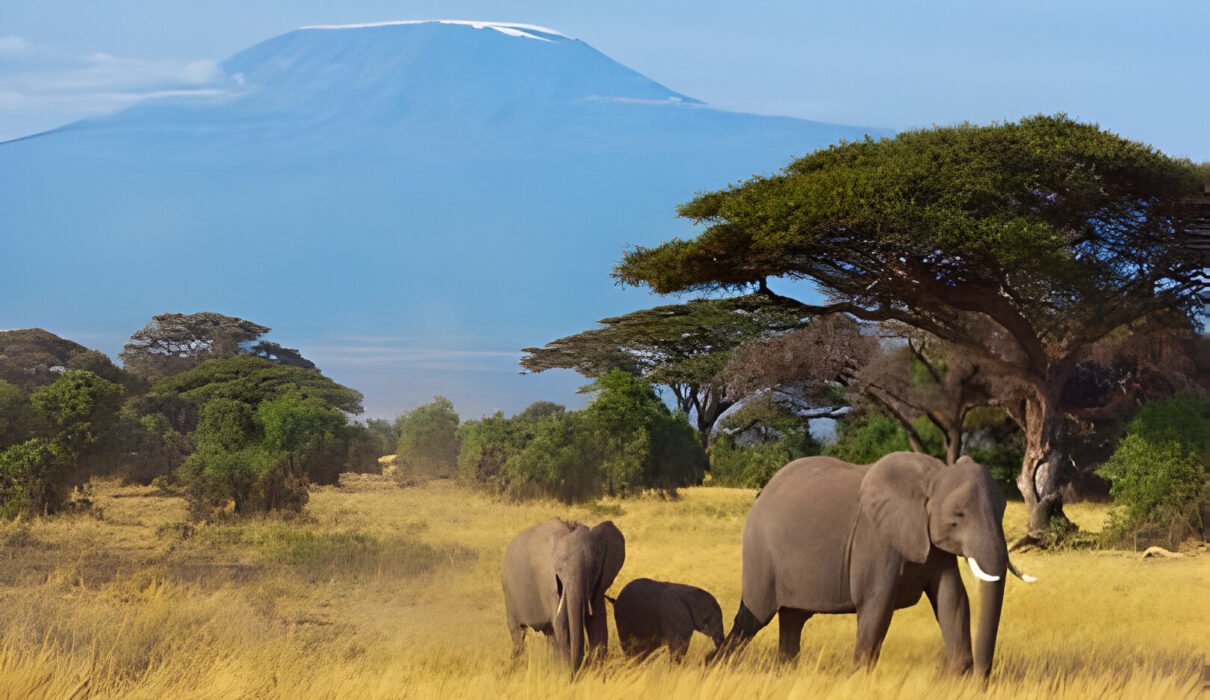
Mount Kenya offers a mountain journey through forest, open moorland and rugged alpine scenery. Its valleys, lakes and dramatic peaks make the trek rewarding well before you reach your highest point.
If you are planning Mount Kenya trekking in 2027, begin by choosing your objective. Most trekking itineraries aim for Point Lenana, approximately 4,985 metres above sea level. Mount Kenya’s higher summits, Batian and Nelion, require technical climbing arrangements.
That distinction affects the route, equipment, guiding and experience required. A package described simply as a “Mount Kenya climb” should identify exactly which summit it targets.
This guide from Eddy Tours & Safaris explains the main trekking routes, what to pack, how to choose your dates and the questions to ask before booking a Kenya mountain journey.
Mount Kenya Trekking at a Glance
| Detail | Planning information |
|---|---|
| Country | Kenya |
| Highest summit | Batian, 5,199 m |
| Second-highest summit | Nelion, 5,188 m |
| Common trekking objective | Point Lenana, approximately 4,984–4,985 m |
| Main established approaches | Sirimon, Chogoria and Naro Moru |
| Typical planning range | Around 5–6 trekking days, depending on route and pace |
| Accommodation | Mountain huts, camping or a combination |
| Main challenges | Altitude, long walking days, cold and changing trail conditions |
| Travel year | 2027 |
| Booking priorities | Route, acclimatisation, guiding, equipment and emergency arrangements |
Kenya Wildlife Service lists Batian at 5,199 metres, Nelion at 5,188 metres and Point Lenana at 4,984 metres. Other sources round Lenana to 4,985 metres.
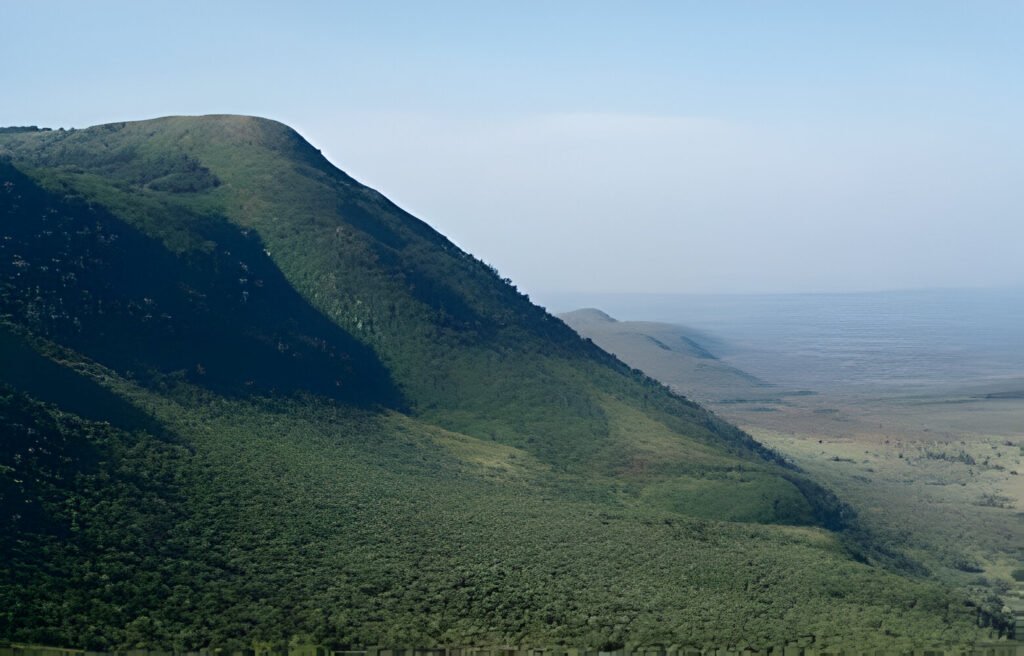
Point Lenana, Batian or Nelion?
Point Lenana: The Usual Trekking Objective
Point Lenana is the objective on many standard Mount Kenya trekking holidays.
The approach involves high-altitude walking, and the final section can include steep, rocky ground. Snow or ice may change the equipment and support required.
It should not be described as an easy walk simply because it is lower than Batian.
Batian and Nelion: Technical Climbing
Batian is Mount Kenya’s highest summit. Nelion is slightly lower, but both require technical climbing skills and specialist planning.
A trekking booking for Point Lenana does not include an ascent of either technical summit unless explicitly arranged.
Before paying, confirm:
- The exact summit objective.
- Required previous experience.
- Technical equipment.
- Guide qualifications and responsibilities.
- The planned approach and descent.
Reaching Point Lenana is a worthwhile achievement, but it is different from reaching Mount Kenya’s highest point.
Comparing the Main Mount Kenya Routes
Kenya Wildlife Service identifies Sirimon, Chogoria and Naro Moru as the principal official approaches to the peaks.
The route name alone does not determine whether a trek is suitable. The number of days, overnight elevations and daily walking demands matter just as much.
| Route or combination | Main appeal | Important consideration |
|---|---|---|
| Sirimon | Established approach through forest and moorland | Check how the itinerary handles altitude gains |
| Chogoria | Valleys, lakes and varied scenery | Accommodation and lower-trail transfers need careful planning |
| Naro Moru | A relatively direct western approach | Wet ground and compressed schedules can be demanding |
| Sirimon–Chogoria traverse | Experience two sides of the mountain | Transfers are needed at different entry and exit points |
| Sirimon–Naro Moru traverse | Combine approaches without retracing the full ascent | Assess the descent distance after the summit |
1. Sirimon Route
Sirimon approaches Mount Kenya from the northwestern side.
It is frequently considered by trekkers looking for an established route with a clear sequence of overnight stops. A common progression uses Old Moses Camp and Shipton’s Camp, with an additional day included in longer versions.
Why Consider Sirimon?
It can provide a practical introduction to Mount Kenya’s changing environments.
You move from lower forest into open terrain before reaching the higher mountain landscape. An itinerary with extra time near the upper camps allows more opportunity to adjust before the summit attempt.
What to Check
Do not assume that every Sirimon package has the same acclimatisation schedule.
Ask for the sleeping elevation each night and the walking distance between stops. A short itinerary can still involve substantial daily altitude gains.
Confirm whether you will return along Sirimon or descend another route.
2. Chogoria Route
Chogoria approaches from the eastern side and is often chosen for its landscape variety.
The wider route includes scenery associated with Gorges Valley and mountain lakes, although your itinerary determines which areas you actually visit.
Why Consider Chogoria?
It suits travellers who want the approach and descent to be a major part of the experience.
Allow enough time to enjoy the surroundings. An attractive route can become tiring if too much distance is packed into each day.
What to Check
Ask where vehicle access ends and walking begins.
Confirm whether accommodation uses camping, huts or a mixture. Also check whether lake visits and side walks are included or merely described as possibilities.
Wet conditions can affect lower sections and daily progress, so the plan should allow sensible flexibility.
3. Naro Moru Route
Naro Moru approaches the mountain from the west.
It is a relatively direct route, but shorter does not mean easier. Wet terrain, steep sections and rapid altitude gain can make compressed itineraries demanding.
Why Consider Naro Moru?
It may suit a route combination or an itinerary selected for specific logistical reasons.
However, choose it after reviewing the daily schedule rather than simply looking for the fewest trekking days.
What to Check
Ask how the plan manages the well-known wet moorland section, sometimes called the “vertical bog.”
Confirm the expected descent after the summit. A very long downhill stage can be difficult when you are already tired from the ascent.
4. Sirimon–Chogoria Traverse
A traverse uses one route for ascent and another for descent.
The Sirimon–Chogoria combination is an appealing option for travellers who want to experience different sides of the mountain.
It also requires clear transport arrangements. Your entry and exit points are different, and luggage, crew logistics and return transfers need coordination.
For most travellers, it is worth comparing a five-day version with a more gradual six-day schedule.
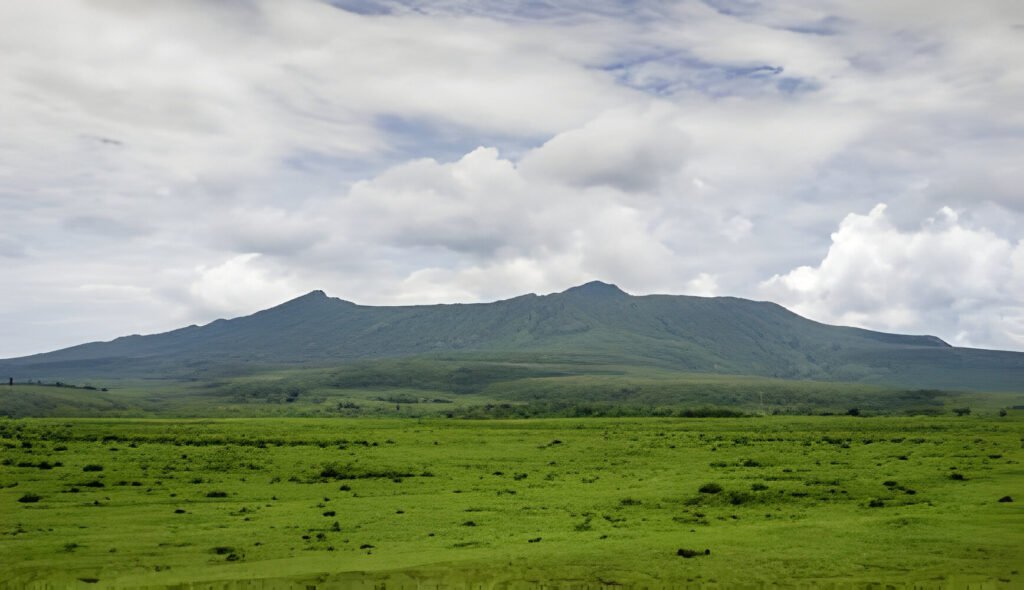
How Many Days Should You Allow?
Around five or six trekking days is a useful starting point for discussing a Point Lenana itinerary.
That is not a guarantee that a particular schedule will suit everyone.
Review:
- Where you sleep each night.
- How quickly sleeping altitude increases.
- Whether an additional acclimatisation day is included.
- The length of the summit and descent day.
- Your recent trekking and altitude experience.
Arrival and recovery days are additional.
An overnight stay before the trek gives you time for a briefing and equipment check. A night after descent makes onward travel more comfortable.
Suggested Six-Day Sirimon Trekking Outline
The following is a planning example using Sirimon for ascent and descent. It spreads the approach over more days than a compressed schedule.
| Day | Suggested plan | Overnight |
|---|---|---|
| 1 | Enter through Sirimon and walk to Old Moses | Old Moses area |
| 2 | Trek towards an intermediate moorland camp, such as Liki North where arranged | Intermediate camp |
| 3 | Continue towards Shipton’s Camp | Shipton’s area |
| 4 | Guided acclimatisation walk and return to the same overnight area | Shipton’s area |
| 5 | Attempt Point Lenana if appropriate, then descend towards Old Moses | Old Moses area |
| 6 | Descend to the gate and transfer onward | Hotel if booked |
The exact camps, accommodation and walking stages require confirmation with your guide. Camping availability, conditions and access may affect the final plan.
Day five remains long despite the more gradual approach. The summit attempt depends on health and conditions.
Best Time for Mount Kenya Trekking in 2027
Two commonly considered trekking windows are January–February and the generally drier July–September period, sometimes extending into October.
The transition months vary, and different sides of the mountain can experience different conditions. A local guiding operator’s seasonal advice highlights these broad windows while noting wetter periods during the long and short rains.
January and February
These months are worth considering if your schedule is flexible and you want to plan around a typically drier period.
You still need clothing and equipment for rain, cold and wind.
July to September
This is another useful planning window.
Confirm route-specific advice rather than assuming conditions are identical across Sirimon, Chogoria and Naro Moru.
Wetter and Transition Periods
Rain can affect trail surfaces, visibility and comfort.
A wet-season trek may be possible, but it requires an appropriate route, equipment and realistic expectations.
The seasonal calendar is not a weather forecast for 2027. Check local advice near departure.
Essential Mount Kenya Trekking Gear
Hiking Boots and Socks
Bring boots you have already worn on longer walks.
They should fit comfortably on descents as well as climbs. Test them with the socks you intend to use.
Pack spare socks and keep a dry pair for overnight use.
Clothing Layers
A practical clothing system includes:
- Moisture-managing base layers.
- Warm mid-layers.
- An insulated jacket.
- Waterproof jacket and trousers.
- Trekking trousers.
- Warm hat and sun hat.
- Gloves appropriate for cold summit conditions.
Avoid relying on one thick item for every situation. Adjustable layers work better as conditions change.
Sleeping Equipment
Bring a sleeping bag appropriate for the expected overnight temperatures.
Ask whether a sleeping mat is included if camping. Hut accommodation also requires confirmation of bedding arrangements.
Daypack and Luggage
Your daypack should hold water, rainwear, warm layers, snacks and personal essentials.
Ask about porter baggage limits and how to protect your main bag from rain.
Keep electronics and important documents in waterproof storage.
Lighting and Personal Items
Bring:
- A reliable headlamp.
- Spare batteries.
- Sunglasses and sunscreen.
- Personal toiletries.
- Blister supplies.
- Prescribed medication.
- A suitable water-carrying system.
- Trekking poles if you use them.
Test your headlamp before departure rather than opening it for the first time on summit night.
Do You Need Crampons or an Ice Axe?
For a standard Point Lenana trek, technical equipment requirements depend on current conditions and the chosen approach.
Ask the guide to confirm what is needed near departure and whether it is supplied.
Do not assume that equipment is unnecessary because the trip is advertised as trekking.
If you need to use unfamiliar equipment, discuss instruction and suitability in advance. Batian and Nelion require a separate technical climbing plan.
Fitness and Altitude Preparation
Build fitness with regular walking, uphill sessions and longer hikes carrying your expected daypack.
Include downhill practice and, where practical, consecutive walking days.
Physical training helps with effort and endurance, but it does not prevent altitude illness.
The CDC advises against further ascent when altitude-illness symptoms are present and recommends descent when symptoms worsen. Discuss your health and any preventive medication with a qualified clinician before travel.
Read the CDC’s high-altitude travel guidance.
Tell your guide promptly about headaches, nausea, dizziness or unusual fatigue. Do not hide symptoms to protect the summit plan.
Accommodation, Meals and Guiding
Mount Kenya itineraries may use huts, camping or both.
Your quotation should identify each overnight stop and explain the facilities provided.
Ask about meals, drinking-water treatment, porter support and dietary requirements.
For guiding, confirm the language, group size and arrangements for different walking speeds. You should also understand the communication and evacuation procedures.
Use the official Mount Kenya National Park information when researching access and park background.
Costs and Booking for 2027
The price depends on route, duration, group size and included services.
Request a quotation that clearly identifies:
- The summit objective.
- Trekking days and overnight stops.
- Park and accommodation charges.
- Guide, cook and porter support.
- Meals and water arrangements.
- Transfers.
- Equipment supplied or available to hire.
- Cancellation and early-descent terms.
Budget separately for flights, insurance, entry requirements, tips and personal equipment where excluded.
Confirm that your insurance covers the altitude and activities in the proposed itinerary.
Combine Mount Kenya With a Safari
A safari can follow your trek, provided the schedule includes recovery time.
For a wider East Africa journey, discuss available Kenya arrangements and local operating partners with Eddy Tours & Safaris.
If you also want to travel in Tanzania, explore our Tanzania safari options. Border or flight connections should be planned clearly rather than treated as a short transfer.
For comparisons with Tanzania trekking, visit Kilimanjaro Climb Specialist.
Frequently Asked Questions
Can beginners trek Mount Kenya?
Well-prepared beginners can discuss a guided Point Lenana itinerary. The route and duration should match their experience, and altitude remains a concern.
Does Point Lenana count as Mount Kenya’s highest summit?
No. Batian is the highest summit. Point Lenana is the common trekking objective.
Which route is best?
It depends on your interests and schedule. Compare Sirimon, Chogoria and Naro Moru alongside the overnight elevations and descent plan.
Is hut accommodation available?
Some itineraries use huts, while others include camping. Confirm every overnight arrangement.
Can the summit be guaranteed?
No. Your guide may change the plan or arrange descent according to health, weather and trail conditions.
Should I book a three-day trek?
Review the ascent profile carefully before choosing a compressed schedule. Fewer days can mean less time to adjust and longer daily stages.
Plan Your Mount Kenya Trek
Start with your objective, then choose the route and duration that support it.
For Mount Kenya trekking in 2027, share your dates, group size and previous experience with Eddy Tours & Safaris. Ask the team to confirm the guiding and local arrangements available for your proposed journey.
Contact Eddy Tours & Safaris to discuss your East Africa travel plans.
Website: eddytours-safaris.com
Email: eddytoursandsafaris@gmail.com
Sales: sales@eddytours-safaris.com
Phone and WhatsApp: +255 711 906 664