
Mount Kilimanjaro Climate Zones 2026, 2027 & 2028 are one of the most fascinating parts of climbing Africa’s highest mountain. Unlike an ordinary hike, Kilimanjaro takes you through several natural environments in only a few days, from warm farmland and rainforest to alpine desert and the icy summit zone. Understanding these climate zones helps climbers prepare better, pack correctly, and know what to expect on the journey to Uhuru Peak.
Climbing Mount Kilimanjaro is often described as walking from the equator to the Arctic. This is because the mountain rises from lower tropical slopes to a cold summit at 5,895 meters above sea level. As you gain altitude, the temperature, vegetation, oxygen level, and landscape change dramatically. For climbers planning a trek in 2026, 2027, or 2028, learning about Mount Kilimanjaro Climate Zones is an important part of preparation.
Each climate zone has its own character. Some areas are warm and green, while others are dry, rocky, windy, and extremely cold. These changes affect your clothing, walking pace, hydration, sleeping comfort, and overall climbing experience. A well-prepared climber understands that Kilimanjaro is not only about fitness, but also about adapting to changing environments.
Why Mount Kilimanjaro Climate Zones Matter
Mount Kilimanjaro Climate Zones matter because they shape the entire climbing experience. You may begin your trek in warm weather, walk through misty rainforest, sleep in cold mountain air, cross dry alpine desert, and finally reach the summit in freezing temperatures. This wide range of conditions is one reason proper packing is so important.
Many first-time climbers underestimate how cold Kilimanjaro can become, especially at night and during summit push. Others bring too many heavy items because they do not understand how the weather changes by altitude. Knowing the climate zones helps you prepare layers, waterproof gear, warm gloves, thermal clothing, and comfortable trekking equipment.
Mount Kilimanjaro Climate Zones Overview
- Cultivation Zone: approximately 800m to 1,800m
- Rainforest Zone: approximately 1,800m to 2,800m
- Heather and Moorland Zone: approximately 2,800m to 4,000m
- Alpine Desert Zone: approximately 4,000m to 5,000m
- Arctic Summit Zone: approximately 5,000m to 5,895m
Mount Kilimanjaro Climate Zones: Cultivation Zone
The cultivation zone is the lower area around Mount Kilimanjaro where local communities live and farm. This zone is usually warm, green, and fertile. You may see banana trees, coffee farms, small villages, and local life before entering the national park gates. Although most climbing routes begin above this zone, it gives visitors a beautiful introduction to the mountain region.
The climate here is generally mild compared to the upper mountain. Temperatures are warmer, oxygen is normal, and the environment feels comfortable. For many travelers, this is where the excitement begins before the real trekking starts. If you are arranging your Tanzania trip through Eddy Tours and Safaris, this lower region can also be combined with cultural tours, coffee visits, or a safari extension before or after your climb.
Mount Kilimanjaro Climate Zones: Rainforest Zone
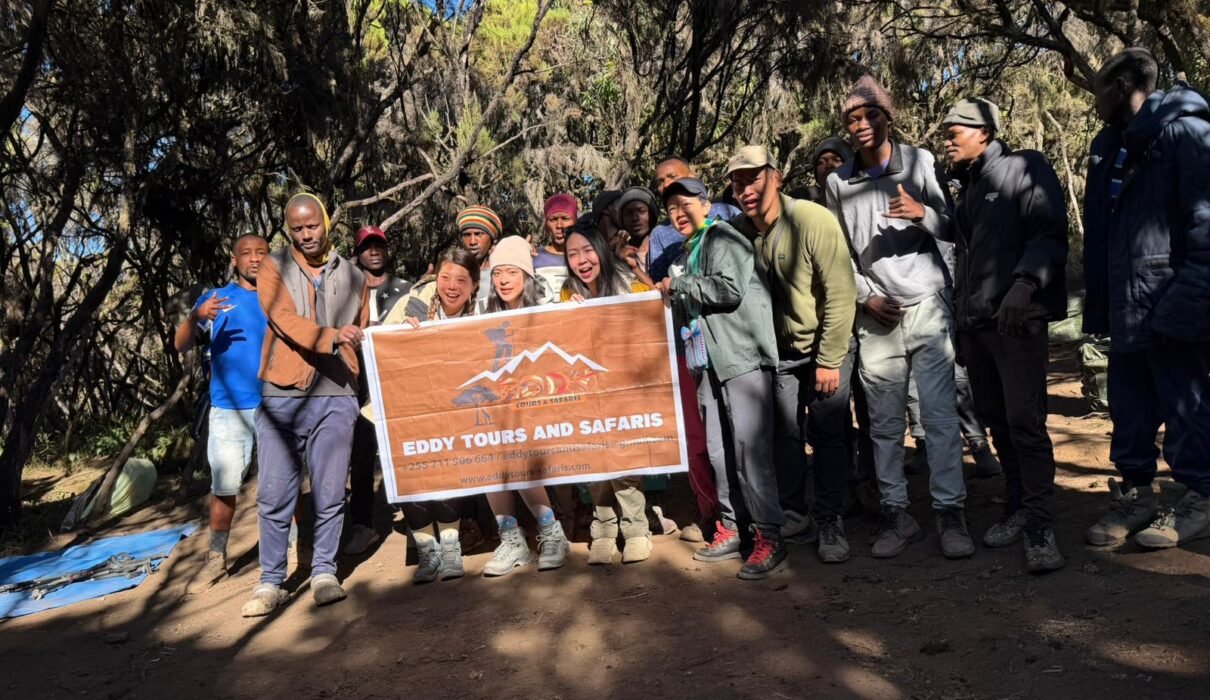
The rainforest zone is one of the most beautiful and refreshing parts of Kilimanjaro. This zone is green, humid, and full of life. Climbers often walk under tall trees, moss-covered branches, and thick vegetation. Depending on the route, you may hear birds, see monkeys, and experience mist or light rain along the trail.
Because this area receives more moisture, waterproof gear is very important. A good rain jacket, rain cover for your daypack, and proper hiking boots can make this section much more comfortable. The trail may become muddy, especially during wetter months. For climbers studying Mount Kilimanjaro Climate Zones, the rainforest zone is a reminder that Kilimanjaro weather can change quickly even at lower altitude.
Mount Kilimanjaro Climate Zones: Heather and Moorland Zone
After leaving the rainforest, the landscape opens into the heather and moorland zone. This area is cooler, drier, and more exposed. The vegetation becomes shorter, and you may see giant heathers, unique mountain plants, and wide views across the slopes. This is often where climbers begin to feel that they are entering a serious mountain environment.
Daytime temperatures may still feel pleasant, but nights become colder. Layering becomes important in this zone. A fleece jacket, warm hat, and good sleeping bag help you stay comfortable. The air also becomes thinner as altitude increases, so walking slowly and drinking enough water become very important for acclimatization.
Mount Kilimanjaro Climate Zones: Alpine Desert Zone
The alpine desert zone is dry, rocky, and dramatic. Vegetation becomes very limited, and the landscape may feel almost like another planet. During the day, the sun can feel strong, but temperatures can drop quickly when clouds move in or when the sun sets. This zone is where many climbers begin to feel the real effect of altitude.
Because the air is thinner and drier, hydration is essential. Sun protection is also important, including sunglasses, sunscreen, and a hat. Even when the air feels cold, the sun can still be intense at high altitude. Understanding this part of Mount Kilimanjaro Climate Zones helps climbers prepare mentally and physically for the more challenging upper sections of the mountain.
Mount Kilimanjaro Climate Zones: Arctic Summit Zone
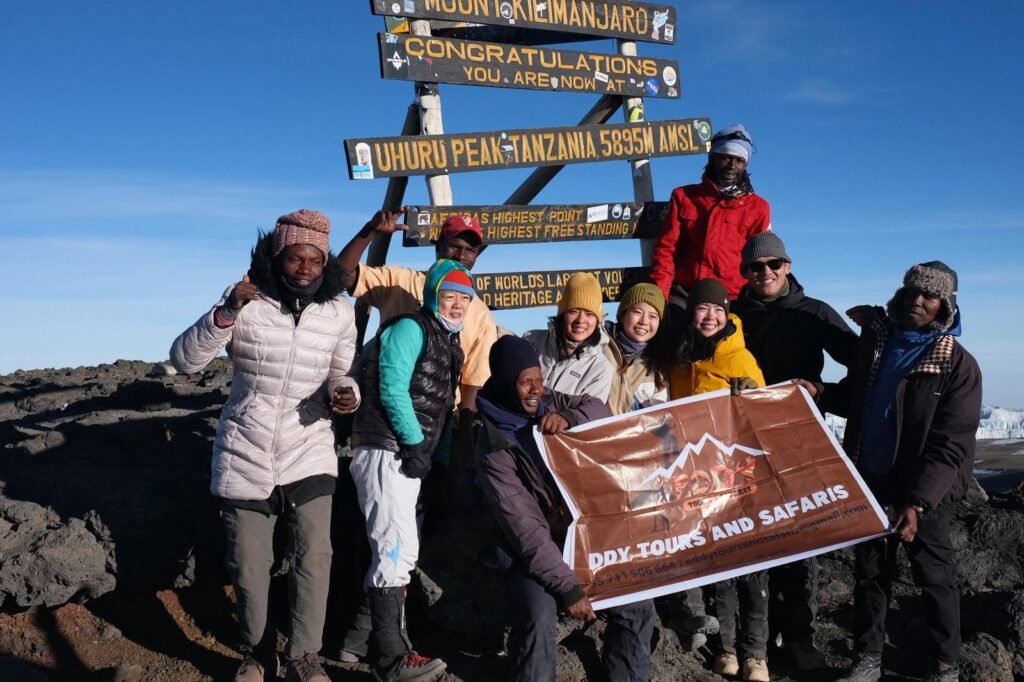
The arctic summit zone is the highest and coldest part of Mount Kilimanjaro. This is the final section toward Stella Point, Gilman’s Point, and Uhuru Peak. The ground is rocky, icy in places, and often extremely cold. Summit night usually begins around midnight, when temperatures can be far below freezing and winds can make the climb even harder.
This zone requires serious preparation. Climbers need thermal base layers, an insulated jacket, warm gloves, a balaclava or warm hat, thick socks, and strong mental focus. The oxygen level is much lower, and every step can feel slow. Reaching Uhuru Peak is emotional because you have passed through all the major Mount Kilimanjaro Climate Zones and arrived at the highest point in Africa.
Best Time to Experience Mount Kilimanjaro Climate Zones
Kilimanjaro can be climbed throughout the year, but the best months are usually January to early March and June to October. These periods often offer better weather, clearer views, and more comfortable trekking conditions. However, weather on the mountain is never fully predictable because altitude creates its own conditions.
For 2026, 2027, and 2028 climbs, early planning is helpful, especially if you want popular routes such as Machame, Lemosho, Marangu, Rongai, or Northern Circuit. You can also use Google for general travel research, flight planning, and checking route maps before confirming your trekking package.
How to Pack for Mount Kilimanjaro Climate Zones
Packing for Kilimanjaro means preparing for warm, wet, dry, windy, and freezing conditions. Since climbers pass through different environments, clothing layers are better than one heavy outfit. You need lightweight clothes for lower areas, waterproof protection for rainforest, warm layers for camp, and insulated gear for summit night.
- Waterproof rain jacket and trousers
- Thermal base layers for cold nights
- Fleece or softshell jacket
- Insulated down or synthetic jacket
- Comfortable trekking trousers
- Warm gloves and liner gloves
- Warm hat and sun hat
- Good hiking boots
- Moisture-wicking socks
- Sunglasses and sunscreen
- Sleeping bag suitable for cold temperatures
- Daypack with rain cover
Mount Kilimanjaro Climate Zones and Altitude
Altitude is one of the biggest challenges on Kilimanjaro. As you move through the climate zones, oxygen levels decrease and your body must adjust. This is why longer routes often have better success rates. Routes such as Lemosho, Northern Circuit, and Machame provide more time for acclimatization compared to shorter climbs.
Climbers should walk slowly, drink enough water, eat properly, and listen to their guides. A good guide understands how altitude affects the body and will help you maintain a safe pace. If you want specialist climbing support, visit Kilimanjaro Climb Specialist for dedicated Kilimanjaro trekking information and route planning.
Which Kilimanjaro Route Shows the Climate Zones Best?
Most Kilimanjaro routes pass through the main climate zones, but some routes provide a richer experience than others. Machame Route is popular because it is scenic and offers good acclimatization. Lemosho Route is excellent for beautiful landscapes and a quieter start. Northern Circuit is longer and gives more time on the mountain. Marangu Route is known for hut accommodation, while Rongai Route approaches from the drier northern side.
If your main interest is experiencing Mount Kilimanjaro Climate Zones fully, Lemosho, Machame, and Northern Circuit are strong choices. They offer beautiful scenery, changing landscapes, and good altitude adjustment. The best route depends on your fitness, budget, available time, and preferred comfort level.
Frequently Asked Questions About Mount Kilimanjaro Climate Zones
How many Mount Kilimanjaro Climate Zones are there?
There are five main Mount Kilimanjaro Climate Zones: cultivation, rainforest, heather and moorland, alpine desert, and arctic summit zone. Each zone has different weather, vegetation, temperature, and trekking conditions.
Which Mount Kilimanjaro Climate Zone is the coldest?
The arctic summit zone is the coldest part of Kilimanjaro. This is the final section near Uhuru Peak, where temperatures can drop far below freezing, especially during summit night.
Which Mount Kilimanjaro Climate Zone is the wettest?
The rainforest zone is usually the wettest. Climbers should carry waterproof clothing and protect their daypack because rain and mist are common in this section.
Do all Kilimanjaro routes pass through the same climate zones?
Most routes pass through the main climate zones, although the scenery and conditions may vary depending on the side of the mountain. Rongai Route is generally drier, while Machame and Lemosho are very scenic.
Why are Mount Kilimanjaro Climate Zones important for packing?
They are important because climbers experience different weather conditions in a short period. You need clothing for warm lower slopes, wet rainforest, cold camps, dry alpine desert, and freezing summit conditions.
Plan Your Mount Kilimanjaro Climb for 2026, 2027 & 2028
Mount Kilimanjaro Climate Zones 2026, 2027 & 2028 give climbers one of the most unique trekking experiences in the world. In a single journey, you can walk through farmland, rainforest, moorland, alpine desert, and the icy summit zone before standing on the roof of Africa.
If you are preparing for Kilimanjaro in 2026, 2027, or 2028, take time to choose the right route, pack the right gear, train properly, and understand how the mountain changes with altitude. With good preparation and experienced guides, your Kilimanjaro climb can become one of the most unforgettable achievements of your life.