
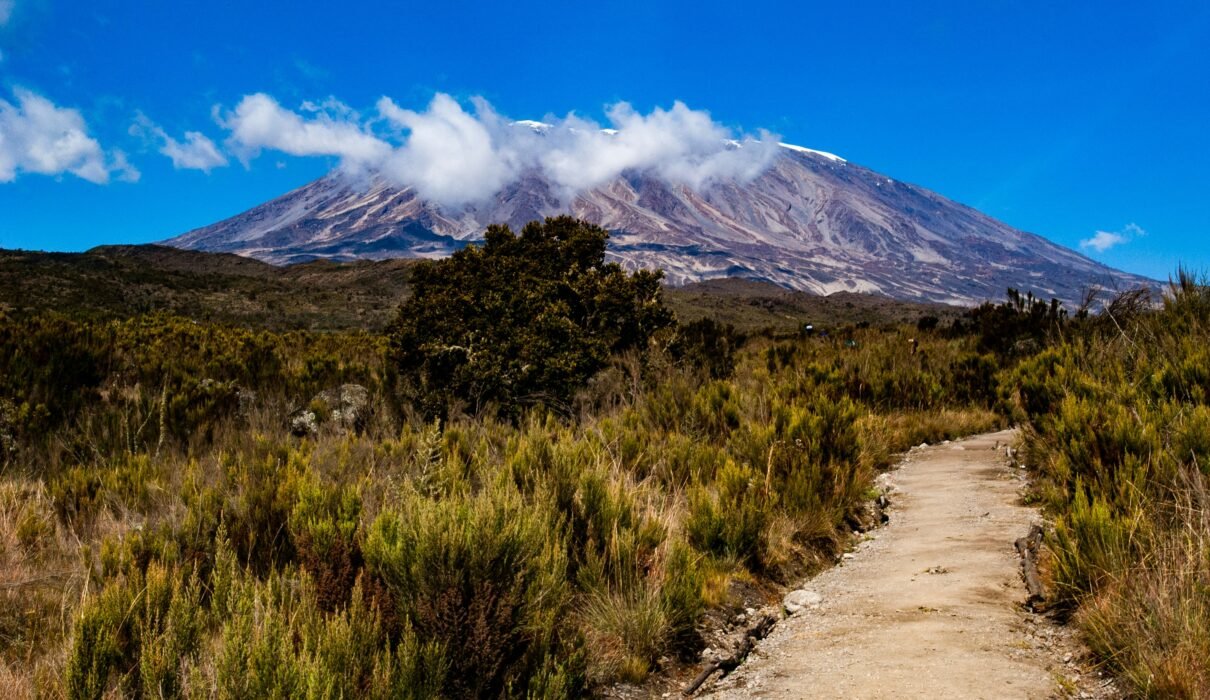
Mount Kilimanjaro Helicopter Crash shook the trekking world when a rescue helicopter responding to climber medical emergencies tragically crashed high on Africa’s tallest mountain, killing five people and reminding adventurers of how challenging high-altitude environments can be despite advanced technology and safety systems.
On Christmas Eve, the helicopter — an Airbus H125 (also known as AS350 B3) operated by KilimedAir Aviation — was on a medical evacuation mission when it went down near Barafu Camp at around 4,700 metres above sea level, leaving no survivors from the five individuals on board.:contentReference[oaicite:0]{index=0}
Climbing Kilimanjaro remains a powerful personal goal for thousands of travellers each year, and this tragic incident has prompted reassessments of aviation safety, mountain-specific protocols, and the support structures that assist trekkers in emergency situations.
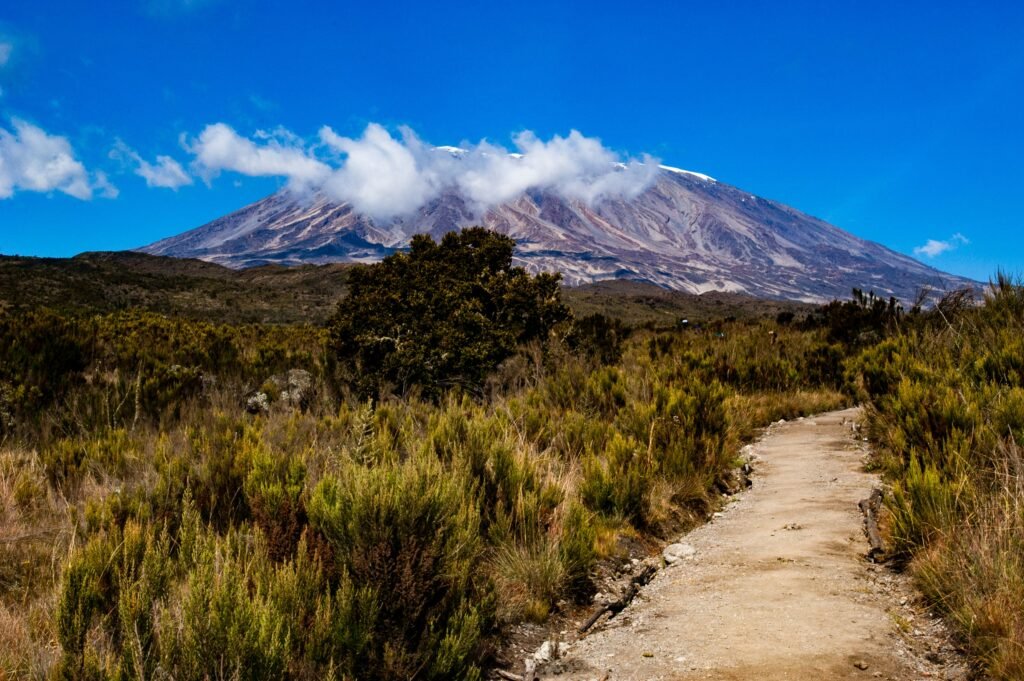
Mount Kilimanjaro Helicopter Crash and what happened during the flight
According to multiple official statements and news reports, the helicopter was assisting with a rescue mission when it suddenly lost altitude minutes after lifting off from the Barafu helipad, a high-altitude staging area used by climbers attempting the summit.:contentReference[oaicite:1]{index=1}
Barafu Camp, one of the last major resting points on several climbing routes, lies in extremely thin air and unpredictable mountain weather, making aerial operations inherently complex. Helicopter flights above 4,000 metres face unique aerodynamic and physiological challenges, even for experienced pilots trained in high-altitude flying.:contentReference[oaicite:2]{index=2}
Mount Kilimanjaro Helicopter Crash and the victims
Local authorities identified the five fatalities as including two foreign climbers, a Tanzanian mountain guide, a Tanzanian medic, and the pilot, all of whom died in the crash. The climbers were part of a summit attempt and were being evacuated due to medical complications at the time of the mission.:contentReference[oaicite:3]{index=3}
Accurate reporting from aviation authorities and regional police confirms that all on board perished. Such aviation accidents remain extremely rare on Kilimanjaro, which has limited safe landing zones and complex weather patterns that can change rapidly without warning.:contentReference[oaicite:4]{index=4}
Mount Kilimanjaro Helicopter Crash and high-altitude aviation risk
Aviation safety protocols for high-altitude rescue missions draw from global standards like those recommended by the Flight Global Aviation Safety reports and ICAO international flight safety guidelines, highlighting that terrain, wind shear, and thin air significantly increase operational risk. These factors demand precise pilot judgment, specialised equipment, and continuous weather monitoring before every flight.:contentReference[oaicite:5]{index=5}
Research published by the Federal Aviation Administration and flight safety analyses from the Aviation Safety Network explain how helicopter performance at high elevation is constrained by reduced power, rotor efficiency, and air density — aspects that challenge even experienced crews.:contentReference[oaicite:6]{index=6}
Mount Kilimanjaro Helicopter Crash and official investigations
The Tanzania Civil Aviation Authority (TCAA) and related aviation safety bodies initiated a formal investigation following the crash. These investigations typically involve technical analysis of aircraft systems, pilot records, flight data, and weather conditions leading up to the accident.:contentReference[oaicite:7]{index=7}
International aviation safety practices, such as those documented by the European Union Aviation Safety Agency and the Flight Safety Foundation, emphasise transparent reviews after every accident to prevent future occurrences and improve emergency response procedures.:contentReference[oaicite:8]{index=8}
Mount Kilimanjaro Helicopter Crash and mountain emergency readiness
Climbers and trekkers should always understand that helicopter evacuations are a last-resort option, primarily used when ground evacuation is impossible due to severe altitude sickness, injuries, or sudden health deterioration. Medical research from the World Health Organization underscores how altitude sickness progression can be unpredictable, making rapid response critical yet logistically difficult at extreme elevations.:contentReference[oaicite:9]{index=9}
Mountaineering organisations such as the American Alpine Club explain that helicopter evacuation success depends on weather, air density, landing zone availability, and pilot experience — all of which vary substantially with altitude.:contentReference[oaicite:10]{index=10}
Mount Kilimanjaro Helicopter Crash and aviation safety evolution
Aviation governing bodies and mountain rescue organisations, including the International Red Cross and International Civil Defence Organization, continually update safety and emergency protocols to reflect lessons learned from accidents like this. Their guidelines help shape training, equipment standards, and flight readiness assessments for extreme environment operations.:contentReference[oaicite:11]{index=11}
Reports by global aviators emphasise that high-altitude helicopter missions — while life-saving — require risk awareness, specialised engineering, and reliable communications networks to maximise safety margins.:contentReference[oaicite:12]{index=12}
Mount Kilimanjaro Helicopter Crash and traveller awareness
For anyone considering a climb up Kilimanjaro, understanding both the physical demands and emergency limitations is essential. Preparing with adequate acclimatisation, health monitoring, and risk planning elevates the chance of a safe and enjoyable journey. Our responsible adventure programmes at Eddy Tours & Safaris include detailed health briefings and risk education for safaris and mountain treks alike.
Visitors seeking comprehensive safety preparation usually consult detailed climbing guides and itineraries available directly through our Kilimanjaro expedition planning page before departure.
Mount Kilimanjaro Helicopter Crash and the human side of adventure
Behind every technical report and aviation bulletin, there are families, friends, and colleagues affected by loss. The climbing and adventure community deeply mourns the victims of this tragedy. Organisations like the American Red Cross and World Health Organization emphasise support systems for crisis situations, helping families and communities navigate recovery after sudden events.:contentReference[oaicite:13]{index=13}
Even as investigators work to understand the exact cause of the crash, climbers and travel planners continue to promote safe expedition standards that respect both the mountain’s beauty and its inherent challenges. For those ready to explore Kilimanjaro safely and respectfully, detailed trip information and expert guidance can be found through our responsible travel services, where safety, stewardship, and unforgettable experiences go hand in hand.