
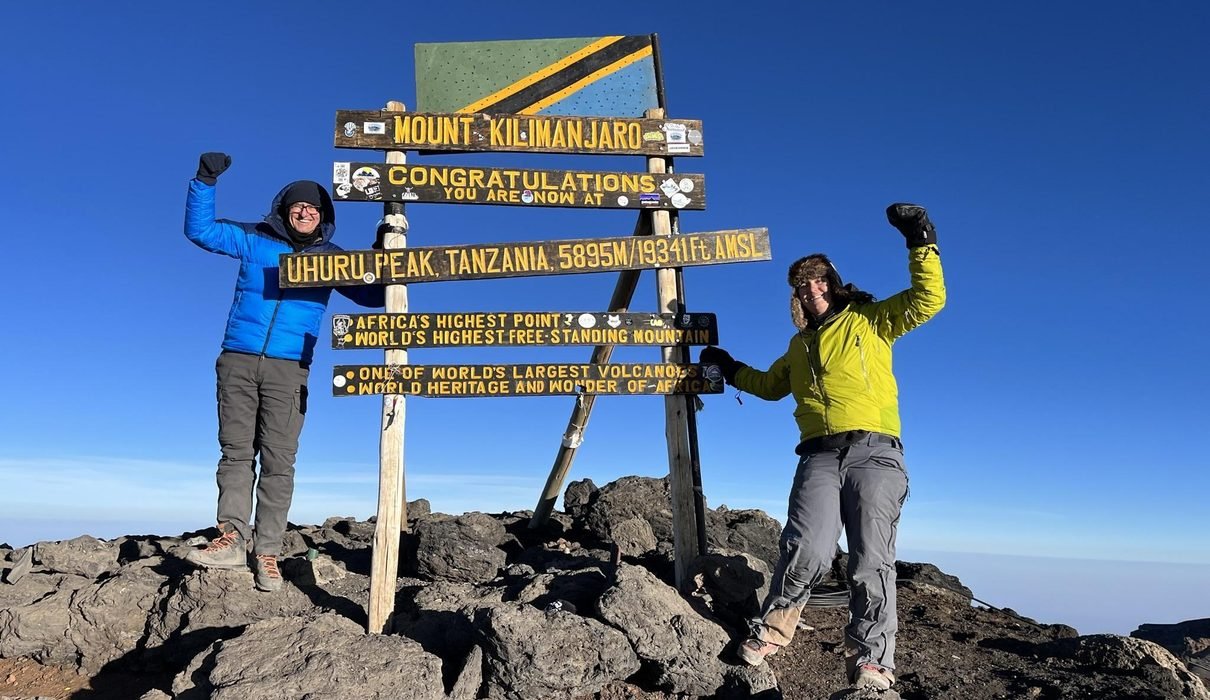
Mount Kilimanjaro National Park is one of Tanzania’s most remarkable destinations, attracting thousands of visitors who come to climb Africa’s highest mountain, explore its mountain forests, and experience landscapes found nowhere else on the continent. Located in northern Tanzania near Moshi, the park protects Mount Kilimanjaro, a massive volcanic mountain rising 5,895 metres (19,341 feet) above sea level. From the green forests covering its lower slopes to the rocky alpine desert and glaciers near its summit, Kilimanjaro offers an extraordinary journey through different environments within a relatively small geographical area.
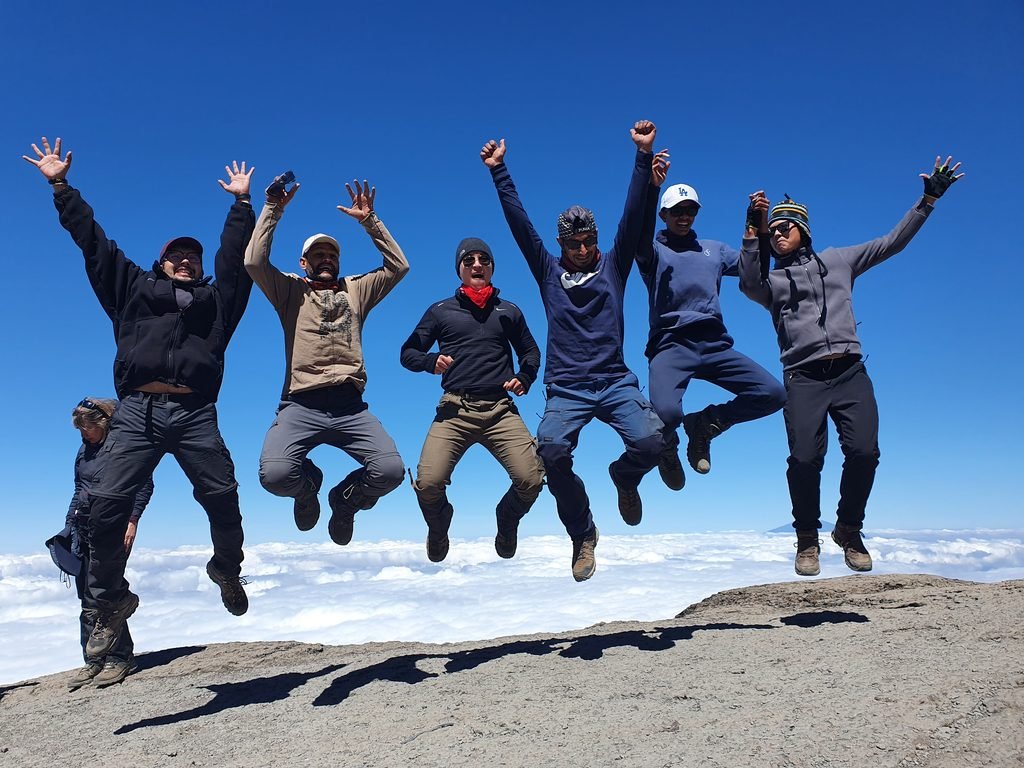
For travellers planning to visit Tanzania in 2027 or 2028, Mount Kilimanjaro National Park offers much more than a demanding mountain climb. Visitors can explore the lower forest trails, learn about the traditions of the Chagga communities living around the mountain, photograph the snow-covered summit, and combine their visit with wildlife safaris across northern Tanzania. Whether you are an experienced hiker preparing for Uhuru Peak or a first-time visitor interested in discovering the mountain’s natural surroundings, understanding the park’s geography, climbing routes, seasons, accommodation, and safety requirements will help you plan a rewarding trip.
At Eddy Tours & Safaris, we help travellers arrange Mount Kilimanjaro climbing experiences and Tanzania holidays according to their available time, interests, and physical preparation. This complete guide explains what to expect when visiting Kilimanjaro National Park in 2027 and 2028, including the best climbing routes, travel arrangements, mountain conditions, and practical advice for planning your journey.
Where Is Mount Kilimanjaro National Park Located?
Mount Kilimanjaro National Park is located in Tanzania’s Kilimanjaro Region, close to Moshi town and approximately 80 kilometres east of Arusha by road, depending on the exact starting and finishing points. The mountain rises above the surrounding plains and agricultural communities, forming one of East Africa’s most recognisable natural landmarks. Its location near the equator makes its snow-covered summit particularly interesting, as visitors can experience tropical conditions at the mountain’s base while encountering freezing temperatures near its highest point.
The park is managed by the Tanzania National Parks Authority (TANAPA), which oversees conservation, visitor activities, climbing regulations, and the protection of the mountain’s natural environment. Kilimanjaro National Park was established in 1973, opened for tourism in 1977, and received UNESCO World Heritage status in 1987. Its internationally recognised importance comes from its outstanding scenery, volcanic formations, mountain ecosystems, and distinctive position above the surrounding East African landscape.
Most international visitors reach Kilimanjaro through Kilimanjaro International Airport, which serves both Moshi and Arusha. Travellers arriving in Arusha can arrange road transfers to their accommodation in Moshi or directly to a mountain entry gate, depending on their itinerary. Those planning a longer Tanzania holiday can also combine Kilimanjaro with visits to Serengeti National Park, Ngorongoro Crater, Tarangire National Park, and other safari destinations.
What Makes Mount Kilimanjaro National Park Special?
Mount Kilimanjaro is the highest mountain in Africa and one of the world’s most famous high-altitude trekking destinations. Unlike mountains requiring extensive technical mountaineering experience on their standard routes, Kilimanjaro can be climbed by physically prepared trekkers without technical rock or ice climbing skills. However, its considerable altitude, changing weather, and demanding summit night mean that climbing the mountain should never be treated as an ordinary hiking trip.
One of Kilimanjaro’s most interesting features is the dramatic change in vegetation and climate as visitors ascend. Climbers begin their journey in dense mountain forests, gradually move into heath and moorland, cross exposed alpine desert landscapes, and eventually reach the cold summit zone. This progression allows travellers to experience several different environments during a single expedition, with each section presenting its own scenery, temperatures, and physical challenges.
The mountain also holds cultural importance for the Chagga people, whose communities have lived on its fertile slopes for generations. Traditional farming, local food production, coffee cultivation, and stories associated with the mountain form an important part of the region’s identity. Travellers spending additional time around Moshi can visit nearby villages, learn about coffee farming, and explore the cultural history of the Kilimanjaro area.
The Three Volcanic Peaks of Mount Kilimanjaro
Mount Kilimanjaro is a volcanic massif formed from three principal volcanic cones known as Kibo, Mawenzi, and Shira. Each has a different geological history and appearance, contributing to the mountain’s distinctive shape and landscape.
Kibo Peak – 5,895 Metres
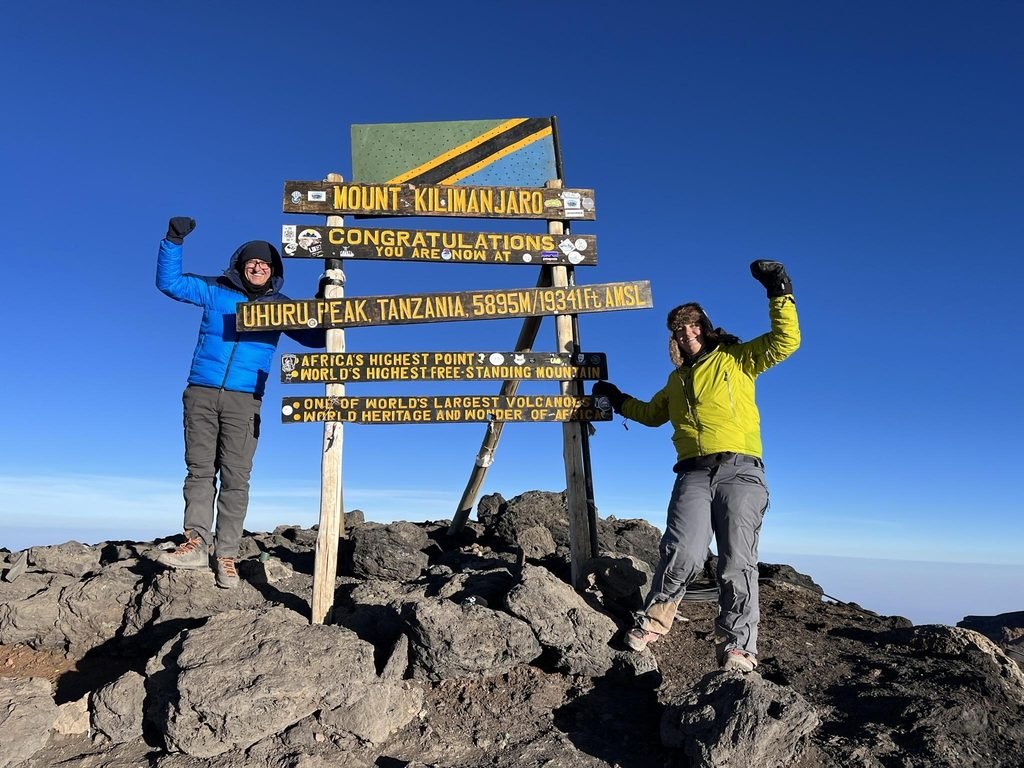
Kibo is the highest and youngest of Kilimanjaro’s three main volcanic cones. It contains Uhuru Peak, the highest point in Africa and the principal destination for most Kilimanjaro climbing expeditions. Kibo has a broad summit area with volcanic crater formations, rocky surfaces, and remaining glaciers. Most standard trekking routes approach the summit through either Stella Point or Gilman’s Point before continuing along the crater rim toward Uhuru Peak.
Reaching Uhuru Peak requires determination, appropriate acclimatisation, and careful management of energy during the final ascent. Summit attempts commonly begin late at night or shortly after midnight, allowing climbers to reach the upper mountain around sunrise. The final section can be physically exhausting because of the altitude, low temperatures, and reduced oxygen availability, making the experience very different from walking at lower elevations.
Mawenzi Peak – 5,149 Metres
Mawenzi is Kilimanjaro’s second-highest volcanic cone and is easily recognised by its rugged appearance, sharp ridges, and steep rock formations. Unlike the standard trekking ascent of Kibo, climbing Mawenzi’s highest sections involves technical mountaineering skills and special arrangements. Most visitors admire Mawenzi from established trekking routes, particularly around Mawenzi Tarn and the Saddle, where its dramatic cliffs create some of the mountain’s most impressive scenery.
Shira Peak – Approximately 3,962 Metres
Shira is the oldest of Kilimanjaro’s three principal volcanic cones and has been heavily altered by ancient volcanic activity and erosion. Its remaining formations are associated with the extensive Shira Plateau on the western side of the mountain. The plateau is an important feature of routes such as Lemosho and Shira, offering open landscapes, distant views, and opportunities to experience the mountain’s high-altitude environment before reaching the steeper upper sections.
The Five Ecological Zones of Mount Kilimanjaro
1. Cultivation and Lower Slopes
The lower slopes surrounding Mount Kilimanjaro are characterised by villages, farms, banana plantations, coffee-growing areas, and other agricultural activities. These landscapes are closely connected to the Chagga communities and provide an introduction to the region’s cultural and economic life. Although much of this cultivated belt lies outside the national park, it forms an important part of the wider Kilimanjaro environment and helps visitors understand how people live around the mountain.
2. Montane Rainforest Zone
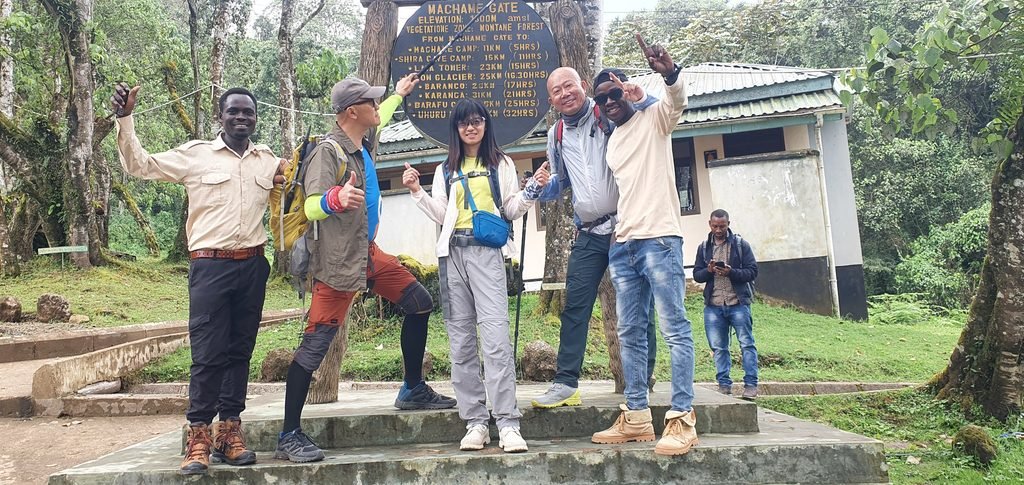
The rainforest zone generally extends from approximately 1,800 to 2,800 metres, although boundaries vary by location. This section contains tall trees, ferns, moss-covered branches, and thick vegetation supported by relatively high rainfall. Climbers entering through routes such as Machame, Marangu, and Lemosho often spend their first trekking hours walking through these forests, where the air can be humid and the trails muddy after rainfall.
The forest is also an important wildlife habitat, supporting monkeys, birds, small mammals, and other species. Black-and-white colobus monkeys and blue monkeys are among the animals visitors may encounter, although sightings depend on the route, time of day, and surrounding conditions.
3. Heath and Moorland Zone
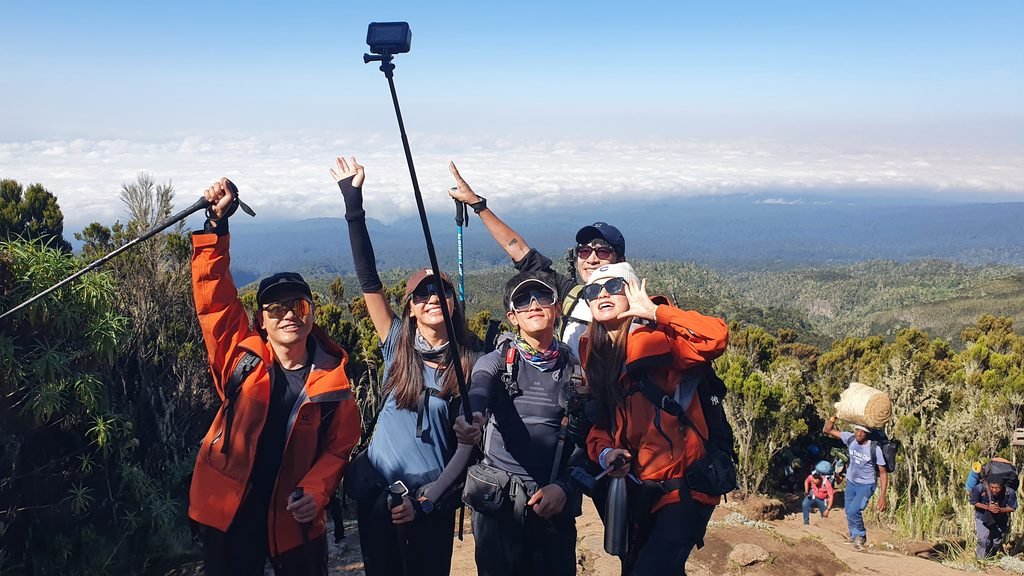
As climbers leave the rainforest, the landscape gradually becomes more open, with shrubs, grasses, giant groundsels, and unusual high-altitude plants replacing the taller forest vegetation. This zone is especially attractive around areas such as Shira Plateau, Barranco Valley, and parts of the Machame and Lemosho routes. Clear weather can provide wide views of Kibo, Mawenzi, and the plains below, while changing cloud cover can quickly alter visibility.
The heath and moorland zone is also where many trekkers begin to notice the effects of increasing altitude. Walking becomes more demanding, nights grow colder, and gradual acclimatisation becomes increasingly important. Taking sufficient time to adjust is essential for maintaining health and improving the chances of completing the climb.
4. Alpine Desert Zone
Above the moorland lies Kilimanjaro’s alpine desert, where vegetation becomes sparse and the landscape is dominated by rocks, volcanic gravel, exposed slopes, and dry conditions. Areas around Lava Tower, Barafu, and the Saddle illustrate the harsh environment found at these elevations. Daytime sunshine can be strong, while temperatures may fall rapidly when clouds arrive or after sunset.
The reduced oxygen availability makes physical activity more difficult, even for travellers who are otherwise fit. Climbers must maintain a steady pace, drink sufficient fluids, eat regularly, and communicate any symptoms of altitude sickness to their guides.
5. Arctic Summit Zone
The highest section of Mount Kilimanjaro is characterised by freezing temperatures, strong winds, volcanic rock, and remaining ice formations. Vegetation is extremely limited, and conditions can be physically demanding throughout the year. This is the environment climbers experience during their final approach to Uhuru Peak, where even relatively short distances may require considerable effort.
Although Kilimanjaro is close to the equator, summit temperatures can fall well below freezing. Proper thermal clothing, insulated gloves, waterproof outer layers, and suitable footwear are essential. Climbers should also understand that reaching the summit is not guaranteed, as weather conditions and individual responses to altitude can affect the outcome.
Best Time to Visit Mount Kilimanjaro National Park in 2027/2028
Mount Kilimanjaro can be visited throughout the year, but weather patterns influence trekking conditions, visibility, rainfall, and visitor numbers. The mountain has two broadly recognised drier climbing periods, although rainfall and cloud cover remain possible in every month. Travellers planning their 2027 or 2028 expedition should choose dates according to their preferred conditions, available time, and tolerance for busier trekking routes.
January to March – Clearer Skies and Cooler Conditions
January, February, and early March are generally considered favourable months for climbing Kilimanjaro. These months often bring relatively stable conditions, with opportunities for clear mountain views and manageable rainfall compared with the main wet season. Summit temperatures remain cold, and snowfall can occur at higher elevations, but many climbers appreciate the combination of mountain scenery and generally suitable trekking conditions.
April to May – The Main Rainy Season
April and May usually experience the long rains in northern Tanzania. During this period, lower mountain trails may become muddy and slippery, while higher sections can experience cloud cover, precipitation, and difficult weather. Climbing remains possible when park conditions allow, but visitors should prepare for wet equipment, reduced visibility, and additional physical challenges.
Travellers who prefer quieter trails may find this period appealing, although the weather can make the experience more demanding. Waterproof clothing, reliable equipment, and a flexible attitude are particularly important.
June to October – Popular Climbing Season
June through October is another widely preferred period for Mount Kilimanjaro expeditions. These months generally bring drier conditions and can provide good visibility across the mountain. July, August, and September are particularly popular with international visitors, so some established routes and campsites may be busier.
Climbers travelling during these months should still prepare for cold nights and potentially severe summit conditions. The dry season does not eliminate mountain weather risks, and temperatures at high elevations can remain extremely low.
November to December – Short Rains and Changing Conditions
November and December are associated with the short rainy season, although rainfall varies considerably between years. Some days may be clear and suitable for trekking, while others bring showers, clouds, and wet trails. Climbers considering this period should be prepared for changing conditions and allow their guides to make safety decisions based on the weather encountered during the expedition.
For most travellers planning a Kilimanjaro climb in 2027 or 2028, January to early March and June to October are practical periods to consider. However, the best month ultimately depends on personal preferences, fitness, route selection, and the type of mountain experience desired.
Best Mount Kilimanjaro Climbing Routes for 2027/2028
Choosing the right climbing route is one of the most important decisions when planning a Mount Kilimanjaro expedition. The main routes differ in duration, scenery, accommodation, physical difficulty, acclimatisation opportunities, and the number of climbers encountered along the way. Longer routes generally allow more time for altitude adjustment, which can improve the overall climbing experience.
Machame Route – 6 to 7 Days
The Machame Route, commonly known as the Whiskey Route, is one of Kilimanjaro’s most popular trekking options. It approaches the mountain from the southwest and passes through rainforest, moorland, the Shira Plateau, Lava Tower, Barranco Valley, and the upper slopes leading toward Barafu Camp. The route is appreciated for its varied scenery and opportunities to gain altitude during the day before sleeping at a lower elevation.
A seven-day Machame itinerary is generally preferable to a six-day version because it provides additional time for acclimatisation. Accommodation is provided in mountain tents, and climbers travel with a support team responsible for guiding, meals, equipment, and camp arrangements. This route is suitable for active travellers who are comfortable with several consecutive days of hiking and want a combination of mountain scenery and a well-established trekking experience.
Lemosho Route – 7 to 8 Days
The Lemosho Route approaches Kilimanjaro from the western side and is particularly popular among travellers seeking attractive scenery and a more gradual introduction to high-altitude trekking. The route begins in forested surroundings before reaching the Shira Plateau and continuing across the mountain toward Barranco and the southern circuit.
An eight-day Lemosho itinerary provides a useful balance between trekking duration and acclimatisation opportunities. The route includes varied landscapes, open mountain views, and several important camps along the ascent. For many first-time Kilimanjaro climbers who can dedicate sufficient time to the expedition, Lemosho is one of the strongest options to consider.
Marangu Route – 5 to 6 Days
The Marangu Route, often called the Coca-Cola Route, is the only standard Kilimanjaro climbing route offering permanent mountain hut accommodation rather than tents. It approaches the mountain from the southeast and passes through Mandara Hut, Horombo Hut, and Kibo Hut before the summit attempt.
Marangu is sometimes described as an easier route because of its established trail and hut facilities. However, this description can be misleading, as the shorter itineraries provide limited time for altitude adjustment. A six-day Marangu climb is generally more suitable than the five-day version because it includes additional acclimatisation time, helping climbers prepare for the demanding final ascent.
Rongai Route – 6 to 7 Days
The Rongai Route approaches Kilimanjaro from the northern side, near the Tanzania–Kenya border. It is known for its relatively quiet trails and different views of the mountain compared with the more frequently used southern approaches. The northern slopes are often drier than the southern side, making Rongai worth considering during periods when rainfall is more likely.
The route passes through open landscapes and offers impressive views of Mawenzi before joining the summit approach toward Kibo. Descent generally follows the Marangu Route, allowing climbers to experience a different section of the mountain on their way down.
Northern Circuit Route – 8 to 9 Days
The Northern Circuit is one of the longest standard trekking routes on Kilimanjaro and is particularly attractive to travellers who want additional acclimatisation time and a quieter mountain experience. It begins from the western side before continuing around the northern slopes, passing through remote areas with broad views of the surrounding landscape.
A nine-day Northern Circuit itinerary is a strong option for climbers who prefer a slower ascent and can spend more time on the mountain. Although the route requires a longer commitment, its gradual progression and varied scenery make it appealing to travellers who place acclimatisation and the overall trekking experience above completing the climb quickly.
Umbwe Route – 6 to 7 Days
The Umbwe Route is among the steepest and most demanding standard approaches to Mount Kilimanjaro. It climbs rapidly through forest and higher mountain terrain, with fewer opportunities for gradual altitude adjustment during the early stages. Because of its steepness and demanding profile, Umbwe is generally better suited to experienced hikers who understand the physical challenges of high-altitude trekking.
Travellers considering Umbwe should carefully evaluate their fitness, previous hiking experience, and ability to manage altitude. For most first-time Kilimanjaro climbers, a longer route such as Lemosho, Machame, or the Northern Circuit is usually a more practical choice.
Shira Route – Approximately 7 to 8 Days
The Shira Route approaches the mountain from the west and begins at a relatively high elevation, often involving vehicle access to the Shira Plateau. Although the route offers attractive landscapes and eventually connects with other western approaches, its high starting altitude can make acclimatisation more difficult for travellers arriving directly from lower elevations.
For climbers interested in the western side of Kilimanjaro, the Lemosho Route is often preferred because it begins lower and provides a more gradual introduction to altitude.
For route comparisons, climbing preparation, and additional mountain travel information, visitors can also consult Kilimanjaro Climb Specialist, which provides resources related to climbing Mount Kilimanjaro.
How Difficult Is Climbing Mount Kilimanjaro?
Climbing Mount Kilimanjaro is physically demanding, even though the standard trekking routes do not require advanced technical mountaineering skills. Most of the journey involves walking along established mountain trails, but the combination of consecutive hiking days, changing temperatures, uneven terrain, and high altitude creates a significant challenge.
The greatest difficulty for many climbers is the altitude rather than the steepness of the trail. As elevation increases, atmospheric pressure decreases, reducing the amount of oxygen available with each breath. This can cause fatigue, headaches, nausea, dizziness, and other symptoms of altitude sickness. Fitness alone does not prevent altitude illness, which means even experienced athletes must allow sufficient time for acclimatisation.
Summit night is usually the most demanding part of the expedition. Climbers often begin walking in darkness, ascending slowly over loose volcanic material and steep slopes while temperatures remain below freezing. The final approach can take several hours, and guides must continuously assess each climber’s condition. Anyone experiencing serious altitude-related symptoms may need to descend rather than continue toward the summit.
Preparation should include regular walking, hill hiking, cardiovascular exercise, and strength training several months before departure. Travellers should also discuss their health and any relevant medical conditions with a qualified healthcare professional before booking a high-altitude expedition.
Wildlife and Birdlife in Kilimanjaro National Park
Although Mount Kilimanjaro is best known for climbing, the national park also protects important wildlife habitats, particularly within its forest and lower mountain zones. These areas support several mammal and bird species, making the park interesting for visitors who enjoy nature and wildlife observation.
Black-and-white colobus monkeys are among the most recognisable animals found in Kilimanjaro’s forests. Their long white tails and contrasting black fur make them relatively distinctive when moving through the trees. Blue monkeys, forest duikers, and various smaller mammals also inhabit the forest belt, while larger animals such as elephants and buffaloes may occur in suitable parts of the wider mountain ecosystem.
Birdlife varies considerably between the forest, moorland, and higher mountain environments. Visitors may encounter turacos, sunbirds, hornbills, ravens, and other species adapted to the different ecological zones. The white-necked raven is particularly familiar to many climbers because it is frequently observed around higher campsites.
Wildlife sightings on Kilimanjaro are less predictable than those experienced during a traditional Tanzania safari. Travellers primarily interested in seeing large mammals should consider combining their mountain visit with a safari through Eddy Tours & Safaris, visiting destinations such as Tarangire, Serengeti, or Ngorongoro.
Mount Kilimanjaro National Park Activities Beyond Summit Climbing
Visitors do not necessarily need to climb to Uhuru Peak to appreciate Mount Kilimanjaro National Park. Shorter guided walks, forest exploration, mountain photography, and cultural visits around the surrounding communities provide alternatives for travellers with limited time or those who prefer less demanding activities.
Kilimanjaro Day Hiking
A Kilimanjaro day hike allows visitors to experience part of the mountain without committing to a multi-day summit expedition. Guided walks may begin from designated entry gates and follow established trails through the forest toward suitable viewpoints or mountain huts, depending on the approved itinerary and available time.
Day hiking is particularly suitable for travellers staying in Moshi or Arusha who want to experience the mountain environment while keeping the remainder of their holiday available for other destinations. Visitors should still prepare for changing weather, uneven walking surfaces, and the physical effort involved in hiking at elevation.
Nature Walks and Forest Exploration
Guided nature walks offer opportunities to observe Kilimanjaro’s vegetation, birds, and forest environment. These experiences are especially interesting for visitors who enjoy learning about mountain ecology and the importance of forest conservation. Local guides can explain the different plant species, environmental conditions, and natural features encountered along approved walking routes.
Cultural Experiences Around Moshi
The communities surrounding Mount Kilimanjaro offer several cultural experiences that complement a mountain visit. Travellers can learn about Chagga traditions, visit local farms, explore coffee production, and enjoy traditional Tanzanian food. These activities help connect the mountain’s natural importance with the people who live and work in the surrounding region.
Photography and Mountain Viewpoints
Mount Kilimanjaro provides excellent opportunities for landscape photography, particularly during clear mornings and late afternoons. The mountain’s appearance changes considerably with cloud cover, sunlight, and seasonal conditions. Visitors can photograph the summit from viewpoints around Moshi and other surrounding areas, while climbers encounter dramatic landscapes throughout the ascent.
Accommodation in Mount Kilimanjaro National Park
Accommodation arrangements depend on the climbing route and the type of visit planned. Most standard Kilimanjaro trekking routes use designated mountain campsites, where support teams establish tents for sleeping, cooking, and dining. Climbers normally carry personal daypacks while porters transport approved equipment and supplies between camps.
The Marangu Route is different because it uses permanent mountain huts at designated overnight locations. These huts provide shared sleeping facilities and basic amenities, although visitors should not expect hotel-style accommodation. Facilities throughout the mountain are generally simple and designed to support trekking rather than luxury travel.
Before and after the climb, visitors usually stay in Moshi or Arusha, where accommodation options range from budget guesthouses to comfortable hotels and higher-end properties. Spending at least one night near the mountain before departure is advisable because it allows time for equipment checks, guide briefings, and final preparations. An additional night after the expedition provides an opportunity to rest before travelling home or continuing with a Tanzania safari.
Mount Kilimanjaro Climbing Costs for 2027/2028
The cost of climbing Mount Kilimanjaro depends on the selected route, number of trekking days, group size, accommodation arrangements, park charges, staffing requirements, equipment, and the services included in the booking. Longer routes generally cost more because they require additional park days, meals, porter services, and mountain logistics.
For preliminary budgeting, international travellers may encounter organised Kilimanjaro trekking packages ranging from approximately USD 1,500 to more than USD 3,500 per person, with some premium private expeditions costing considerably more. These figures are broad planning estimates rather than confirmed Eddy Tours & Safaris prices for 2027 or 2028. Actual quotations should be checked against the applicable TANAPA tariffs, operator arrangements, group size, and services requested.
Travellers comparing prices should pay attention to what is included rather than choosing an expedition solely because it appears inexpensive. Park fees, rescue-related park charges, camping or hut fees, qualified guides, porter support, meals, transport, and safety equipment can represent substantial operating costs. A responsible climbing company should provide a clear explanation of its services and maintain appropriate working conditions for mountain staff.
For official information on park management and published charges, visitors should consult the Tanzania National Parks Authority. Travellers can also contact Eddy Tours & Safaris to request a climbing quotation based on their preferred route and travel dates.
What Is Normally Included in a Mount Kilimanjaro Climbing Package?
The exact inclusions depend on the operator and itinerary, but a standard organised Kilimanjaro climbing package commonly includes the following services:
- Transfers between the designated hotel and Kilimanjaro entry and exit gates.
- Applicable national park entry, camping or hut, and rescue-related park fees.
- Services of professional mountain guides and assistant guides as required.
- Mountain porters responsible for transporting approved expedition equipment.
- Mountain cooks and meal preparation throughout the trek.
- Breakfast, lunch, and dinner during the scheduled climbing days.
- Drinking water arrangements according to the expedition plan.
- Sleeping tents and basic camping equipment on camping routes.
- Designated mountain hut accommodation on the Marangu Route.
- Emergency oxygen and appropriate first-aid arrangements according to the operator’s safety plan.
- Daily mountain briefings and guidance throughout the ascent and descent.
What Is Normally Excluded from a Mount Kilimanjaro Climbing Package?
Unless specifically stated in the booking confirmation, the following expenses are commonly excluded:
- International flights to and from Tanzania.
- Tanzania visa fees and passport-related expenses.
- Personal travel insurance covering high-altitude trekking and emergency evacuation.
- Personal hiking clothing, footwear, sleeping bags, and other individual equipment.
- Optional equipment rental not included in the quoted price.
- Tips for mountain guides, cooks, and porters.
- Personal purchases, alcoholic beverages, and additional refreshments.
- Extra hotel nights outside the agreed itinerary.
- Additional activities or excursions not mentioned in the booking.
- Costs resulting from personal itinerary changes or circumstances outside the agreed services.
These lists describe typical climbing arrangements rather than a fixed package offer. Travellers should request a written quotation confirming all inclusions, exclusions, and payment conditions before booking.
Essential Packing List for Climbing Mount Kilimanjaro
Packing suitable equipment is one of the most important parts of preparing for Kilimanjaro. The mountain’s changing climate requires clothing that can be adjusted as temperatures rise or fall, while the summit attempt demands reliable protection against freezing conditions.
Climbers should carry moisture-wicking base layers, warm fleece or insulated mid-layers, a waterproof jacket, waterproof trousers, thermal underwear, insulated gloves, warm headwear, and a suitable down or synthetic insulated jacket. Well-fitting hiking boots that have already been used during training are essential, together with comfortable socks and suitable footwear for relaxing at camp.
Other important equipment includes a warm sleeping bag rated for mountain conditions, a headlamp with spare batteries, sunglasses, sunscreen, a reusable water bottle or hydration system, trekking poles, a personal first-aid kit, and a waterproof cover for important belongings. A practical daypack should hold water, snacks, rain protection, spare clothing, and personal items needed during daily trekking.
Climbers should confirm equipment requirements with their mountain operator before departure. Some items may be available for rental in Moshi or Arusha, but critical equipment should be checked for quality, fit, and suitability before beginning the expedition.
Health, Altitude Sickness, and Safety on Mount Kilimanjaro
Altitude sickness is one of the most important health concerns associated with climbing Mount Kilimanjaro. Acute mountain sickness can develop when a person ascends faster than their body can adapt to reduced oxygen availability. Common symptoms include headaches, nausea, fatigue, dizziness, and difficulty sleeping, although symptoms vary between individuals.
More serious altitude illnesses, including high-altitude pulmonary oedema and high-altitude cerebral oedema, require urgent attention and descent. Climbers should never conceal symptoms from their guides or continue ascending when serious warning signs are present. Experienced mountain guides monitor their groups and make decisions based on individual health, environmental conditions, and the safety of the expedition.
Choosing an itinerary with adequate acclimatisation time is an important precaution. Travellers should avoid rushing the ascent, maintain a comfortable walking pace, and follow professional guidance throughout the climb. Preventive medication may be appropriate for some people, but it should only be used after discussion with a qualified healthcare professional.
Travel insurance is also essential. Climbers should confirm that their policy specifically covers trekking up to 5,895 metres, emergency evacuation, medical treatment, and other relevant risks. Ordinary travel insurance policies may exclude activities above certain elevations, so checking the policy conditions before departure is particularly important.
How to Prepare Physically for Kilimanjaro in 2027/2028
Preparing for Mount Kilimanjaro should begin several months before the scheduled expedition, especially for travellers who do not regularly participate in long-distance hiking. A practical training programme combines cardiovascular exercise, hill walking, leg strengthening, and longer hikes that gradually increase in duration.
Walking on uneven terrain while carrying a daypack helps prepare the body for the repeated effort required during the climb. Stair climbing, cycling, swimming, and moderate running can also improve general endurance. However, the most useful preparation is regular hiking, particularly on routes involving sustained uphill and downhill walking.
Travellers should also practise using their hiking boots, waterproof clothing, and daypacks before departure. This reduces the likelihood of discomfort and allows equipment problems to be identified early. Adequate rest, balanced nutrition, and realistic expectations are equally important during the preparation period.
Physical training can improve endurance and confidence, but it does not guarantee successful acclimatisation. Climbers should therefore select a suitable route, follow their guides’ instructions, and remain willing to change their plans if health or mountain conditions require it.
How to Get to Mount Kilimanjaro National Park
Kilimanjaro International Airport is the most convenient international arrival point for many travellers visiting the mountain. The airport is located between Arusha and Moshi, providing access to hotels, climbing operators, and the main mountain routes. Travellers arriving through Dar es Salaam or Zanzibar may also use domestic flight connections, depending on airline schedules and availability.
Most climbing expeditions begin with a hotel stay in Moshi or Arusha, followed by a road transfer to the designated park gate. Common access points include Machame Gate, Marangu Gate, Londorossi Gate, Rongai Gate, and Umbwe Gate. The gate used depends on the climbing route, and some expeditions descend through a different gate from the one used at the beginning.
Visitors should confirm airport transfers, accommodation arrangements, mountain briefing times, and equipment checks before travelling. Arriving at least one day before the scheduled climb provides time to recover from the journey and address any missing equipment or travel arrangements.
Combining Mount Kilimanjaro with a Tanzania Wildlife Safari
One of the advantages of climbing Mount Kilimanjaro is its proximity to Tanzania’s northern safari circuit. After completing a mountain expedition, travellers can continue to several of the country’s most famous wildlife destinations without needing to arrange a separate international journey.
Serengeti National Park
Serengeti National Park is internationally recognised for its extensive grasslands, large predator populations, and the seasonal movements of wildebeest and other grazing animals. Travellers visiting after a Kilimanjaro climb can enjoy game drives in search of lions, elephants, giraffes, cheetahs, and many other species. Depending on the season and location, visitors may also encounter parts of the Great Migration.
Ngorongoro Crater
Ngorongoro Crater is one of Tanzania’s most distinctive wildlife destinations, offering game drives within a large volcanic caldera. The crater floor supports numerous animal species, including buffaloes, zebras, wildebeest, lions, and, with some luck, black rhinoceroses. Its relatively concentrated wildlife populations make it an attractive addition to a short northern Tanzania safari.
Tarangire National Park
Tarangire National Park is particularly well known for its elephants, ancient baobab trees, and seasonal wildlife concentrations around the Tarangire River. The park is an appealing destination for travellers who want a different landscape after spending several days on Mount Kilimanjaro.
Lake Manyara National Park
Lake Manyara National Park offers a combination of groundwater forests, open areas, lake environments, and wildlife habitats. Visitors may encounter elephants, monkeys, giraffes, and numerous bird species, depending on seasonal conditions.
Travellers can arrange combined Tanzania safari and Kilimanjaro climbing holidays with Eddy Tours & Safaris, allowing them to experience both the mountain and the country’s wildlife destinations within a single itinerary.
Mount Kilimanjaro and Zanzibar Beach Holidays
After several demanding days on Kilimanjaro, some travellers prefer to finish their Tanzania holiday with a relaxing stay on Zanzibar’s coast. The island offers sandy beaches, warm Indian Ocean waters, historic Stone Town, cultural experiences, and a wide range of accommodation options.
A combined Kilimanjaro and Zanzibar itinerary can be particularly suitable for couples, families, and groups with different travel interests. Climbers can spend the first part of their holiday trekking on the mountain before flying to Zanzibar for several days of rest and coastal activities.
Travellers planning a longer trip can also combine Kilimanjaro, a northern Tanzania safari, and Zanzibar within approximately two to three weeks, depending on the climbing route and the number of days allocated to each destination.
Conservation and Responsible Tourism in Kilimanjaro National Park
Mount Kilimanjaro is an important conservation area, protecting mountain forests, water catchments, wildlife habitats, and sensitive high-altitude ecosystems. Its natural environment faces pressures from changing climate conditions, human activities in surrounding areas, and the effects of tourism.
The mountain’s glaciers have declined substantially over time, making their protection and the wider effects of climate change important subjects of scientific research and environmental discussion. Forest conservation is also essential because the mountain’s vegetation contributes to local water resources and provides habitats for numerous species.
Visitors can help protect Kilimanjaro by remaining on authorised trails, avoiding damage to vegetation, disposing of waste responsibly, and following national park regulations. Climbers should also choose operators that treat mountain workers fairly, provide appropriate equipment, and maintain responsible waste-management practices.
Responsible tourism benefits both the natural environment and the communities whose livelihoods are connected to the mountain. By supporting locally operated businesses and respecting park regulations, travellers contribute to the long-term sustainability of Kilimanjaro tourism.
Frequently Asked Questions About Mount Kilimanjaro National Park
Is Mount Kilimanjaro National Park Worth Visiting in 2027 or 2028?
Yes. Mount Kilimanjaro National Park remains one of Tanzania’s most important natural attractions, offering mountain trekking, scenic landscapes, forest environments, wildlife habitats, and cultural experiences. Visitors do not need to reach the summit to appreciate the mountain, as shorter hikes and activities around Moshi provide alternatives for travellers with limited time.
How Many Days Do You Need to Climb Mount Kilimanjaro?
Most standard Kilimanjaro climbing itineraries take between five and nine days, depending on the selected route and acclimatisation schedule. Although shorter routes are available, seven- to nine-day itineraries are often preferable because they allow more time for altitude adjustment. Travellers should also include additional days for arrival, preparation, recovery, and onward travel.
Can Beginners Climb Mount Kilimanjaro?
Beginners can climb Mount Kilimanjaro if they are appropriately prepared, physically capable, and supported by qualified mountain guides. Standard trekking routes do not require technical mountaineering skills, but the altitude and physical demands should be taken seriously. First-time climbers should consider longer routes with suitable acclimatisation opportunities and complete regular hiking training before departure.
Which Kilimanjaro Route Is Best for First-Time Climbers?
The seven-day Machame Route, eight-day Lemosho Route, and longer Northern Circuit itineraries are commonly recommended for first-time climbers who want reasonable acclimatisation opportunities. The most suitable choice depends on personal fitness, available time, accommodation preferences, and previous hiking experience. Travellers should discuss these factors with their climbing operator before selecting an itinerary.
Is Mount Kilimanjaro an Active Volcano?
Mount Kilimanjaro is a volcanic mountain formed from three principal cones: Kibo, Mawenzi, and Shira. Kibo is considered dormant rather than extinct, while Mawenzi and Shira are generally regarded as extinct volcanic formations. Kilimanjaro is not currently erupting, and there is no established schedule predicting a future eruption. Visitors should rely on scientific and official monitoring information rather than rumours about volcanic activity.
Can You Visit Kilimanjaro National Park Without Climbing the Summit?
Yes. Visitors can arrange shorter guided hikes, nature walks, and other permitted activities without attempting to reach Uhuru Peak. These experiences allow travellers to explore forest environments, observe mountain scenery, and learn about the surrounding region while avoiding the demands of a full summit expedition.
What Is the Highest Point of Mount Kilimanjaro?
Uhuru Peak is the highest point of Mount Kilimanjaro, standing 5,895 metres (19,341 feet) above sea level. It is also the highest point on the African continent. The summit is located on the Kibo volcanic cone and is the main objective of most Kilimanjaro climbing expeditions.
Does Mount Kilimanjaro Have Snow Throughout the Year?
Snow and ice can occur near Kilimanjaro’s summit throughout the year, although the amount of visible snow varies with weather conditions and seasonal changes. The mountain’s remaining glaciers have experienced significant long-term retreat, and visitors should not expect identical snow coverage during every expedition.
How Cold Does Mount Kilimanjaro Get?
Temperatures vary considerably according to altitude, season, wind, and weather conditions. Lower forest areas may be relatively warm during the day, while summit temperatures can fall well below freezing. Climbers should prepare for severe cold and wind chill during the summit attempt, regardless of the month selected.
Do You Need a Guide to Climb Mount Kilimanjaro?
Yes. Standard Mount Kilimanjaro climbing expeditions must follow national park requirements, including the use of authorised guiding arrangements. Independent summit trekking without the required guiding and park arrangements is not permitted. Visitors should book through an appropriately authorised operator and confirm that all necessary park permissions are included.
Can You Combine Kilimanjaro with Serengeti and Zanzibar?
Yes. Kilimanjaro, Serengeti, Ngorongoro, Tarangire, and Zanzibar can be combined into one Tanzania holiday. A typical arrangement may include seven or eight days of climbing, several days on safari, and a final beach stay in Zanzibar. The itinerary can be adjusted according to available travel time, budget, and personal interests.
Plan Your Mount Kilimanjaro Adventure for 2027/2028 with Eddy Tours & Safaris
Mount Kilimanjaro National Park offers an opportunity to experience one of Africa’s most distinctive mountain environments, from the forested lower slopes to the high-altitude landscapes surrounding Uhuru Peak. A successful visit requires more than simply choosing a departure date. Travellers should consider the most suitable climbing route, appropriate acclimatisation time, physical preparation, seasonal weather, equipment requirements, and the quality of their mountain support arrangements.
Whether you are planning a seven-day Machame climb, an eight-day Lemosho expedition, a longer Northern Circuit trek, or a shorter visit to Kilimanjaro’s lower slopes, careful preparation will help you make the most of your time in Tanzania. The mountain can also form part of a wider holiday that includes wildlife safaris, cultural experiences, and relaxation along Zanzibar’s coastline.
Eddy Tours & Safaris is based in Arusha, Tanzania, and helps travellers organise personalised journeys across the country. Our team can assist with Kilimanjaro climbing arrangements, route selection, accommodation, transfers, and combined safari itineraries for visitors planning their travels in 2027 and 2028.
For further climbing information, travellers can explore Kilimanjaro Climb Specialist, while official conservation information and national park regulations are available through Tanzania National Parks and the UNESCO World Heritage Centre.
Start planning your Mount Kilimanjaro climbing adventure with Eddy Tours & Safaris.
Website: Eddy Tours and Safaris
Email: sales@eddytours-safaris.com
Location: Arusha, Tanzania
Contact our team to discuss your preferred climbing route, travel dates, group size, and additional Tanzania holiday arrangements.