
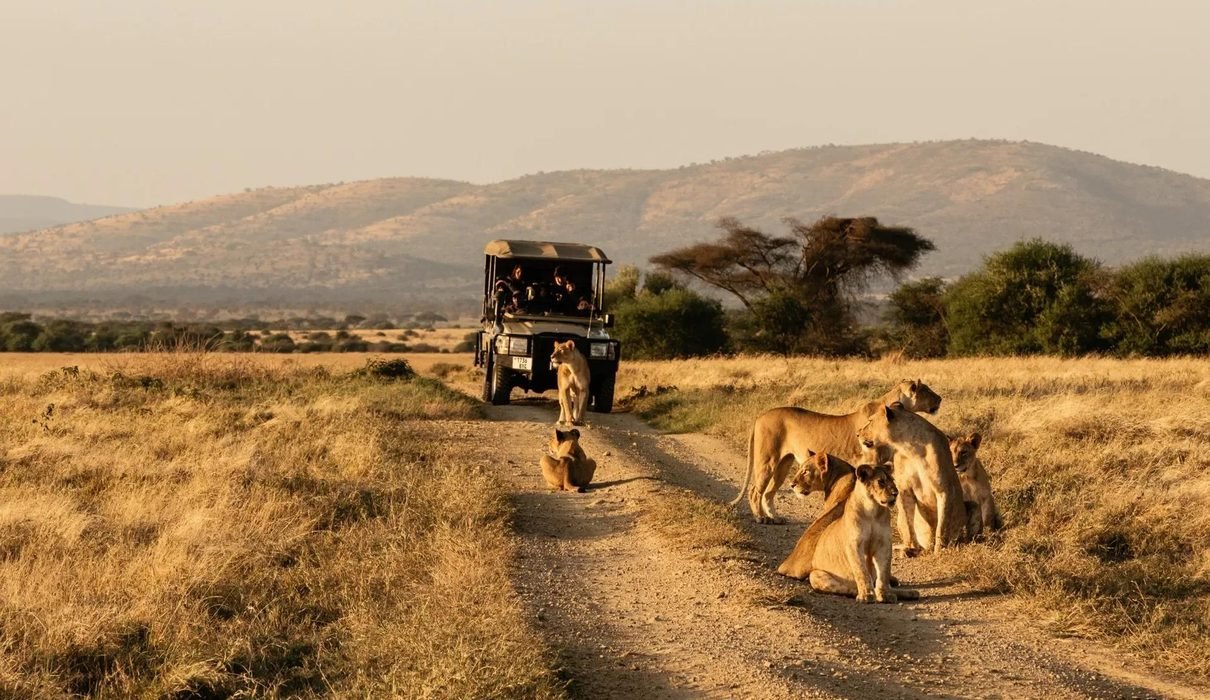
Planning a multi-destination safari in Africa is a great way to experience different wildlife parks, landscapes, cultures, and activities during one holiday. Instead of spending your entire trip in a single national park, you can combine famous safari destinations such as Tanzania’s Serengeti National Park, Ngorongoro Crater, Kenya’s Maasai Mara, and Uganda or Rwanda’s mountain gorilla habitats. You can also finish your adventure with a relaxing beach holiday in Zanzibar, giving you a combination of wildlife viewing, cultural experiences, and time to unwind.
For travelers planning an African safari in 2027 or 2028, choosing the right destinations is only the beginning. You also need to think about travel distances, flights, accommodation, national park fees, seasonal wildlife movements, and how much time you want to spend in each location. Africa is a large continent, and trying to visit too many destinations within a short holiday can leave you spending more time traveling than enjoying the places you came to see.
One of the best ways to organize a multi-destination safari is to begin with a country that offers several attractions within a manageable travel circuit. Tanzania is particularly suitable because visitors can combine Tarangire National Park, Ngorongoro Crater, Serengeti National Park, Lake Manyara, Mount Kilimanjaro, and Zanzibar in one itinerary. Travelers who have more time can extend their holiday to Kenya, Uganda, or Rwanda, depending on their interests and available budget.
At Eddy Tours & Safaris, we help travelers plan Tanzania wildlife safaris and discuss suitable travel arrangements for holidays that combine several destinations. This guide explains how to plan a multi-destination safari in Africa for 2027 and 2028, including destination selection, suggested itineraries, the best time to travel, accommodation, transport, budgeting, and practical advice for organizing your African adventure.
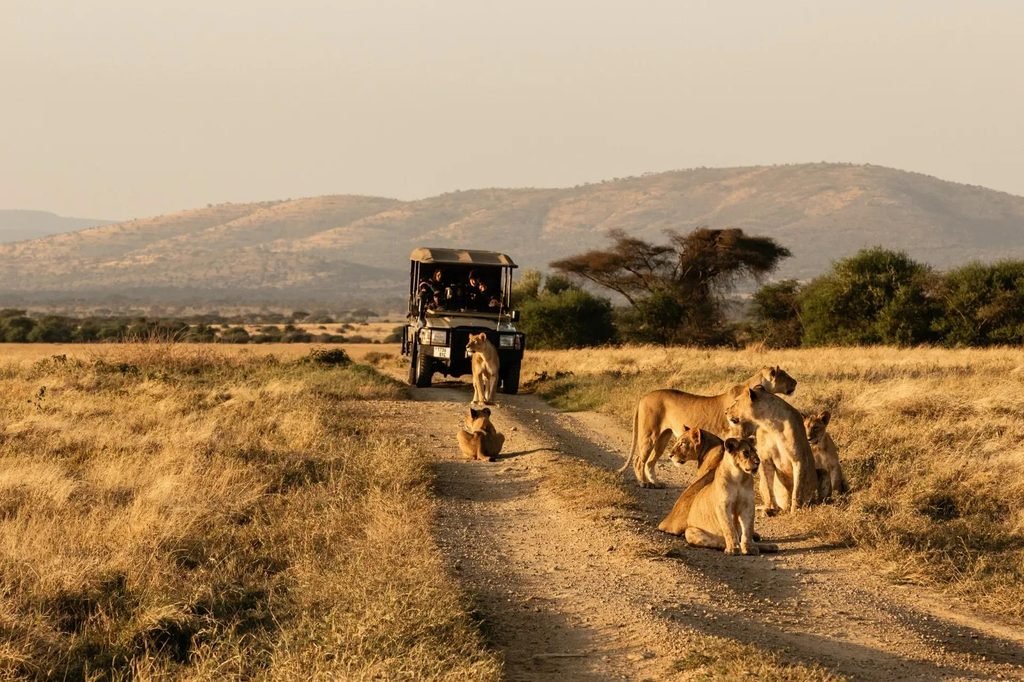
What Is a Multi-Destination Safari in Africa?
A multi-destination safari is a holiday that includes two or more wildlife parks, regions, or countries within the same trip. For example, a traveler might spend two days in Tarangire National Park, three days in Serengeti National Park, one day exploring Ngorongoro Crater, and another few days relaxing in Zanzibar. Another visitor might combine Tanzania’s northern safari circuit with Kenya’s Maasai Mara or continue to Uganda for gorilla trekking.
The main advantage of this type of safari is the variety of experiences it offers. Different national parks have different landscapes, wildlife populations, and seasonal attractions. Tarangire is known for elephants and baobab trees, Serengeti is famous for its open plains and the Great Migration, and Ngorongoro Crater offers wildlife viewing within a remarkable volcanic caldera. By combining these destinations, travelers can experience different environments without repeating the same type of game drive every day.
However, visiting several destinations requires careful planning. Travel times between parks can be substantial, and some destinations are easier to combine than others. A well-designed itinerary should allow enough time for game drives, meals, rest, and unexpected delays rather than filling every day with long road transfers.
1. Choose the Best African Safari Destinations for Your Interests
The first step in planning a multi-destination safari is deciding what you want to experience. Some travelers are mainly interested in seeing lions, elephants, leopards, and other large mammals. Others want to photograph the Great Wildebeest Migration, observe mountain gorillas, climb Kilimanjaro, visit local communities, or relax on the coast after several days of wildlife viewing.
Tanzania is an excellent starting point for a traditional wildlife safari because its northern circuit includes several well-known parks that can be combined by road. Kenya offers another famous wildlife destination in the Maasai Mara, while Uganda and Rwanda are especially attractive to travelers interested in gorilla trekking. Zanzibar provides a beach extension that works particularly well after a safari in northern Tanzania.
The best combination depends on your available days and priorities. A traveler with eight days may be better served by visiting three parks in Tanzania, while someone with two or three weeks can consider a safari that includes two countries and a beach holiday.
Serengeti National Park, Tanzania
Serengeti National Park is one of Africa’s most famous wildlife destinations and is often the main attraction of a northern Tanzania safari. The park is known for its extensive grasslands, large populations of plains animals, and predators such as lions, cheetahs, and leopards. It is also part of the greater Serengeti–Mara ecosystem, where large herds of wildebeest and zebra move in response to seasonal rainfall and grazing conditions.
The Serengeti deserves more than a brief visit because of its size and the distance between different wildlife areas. Spending at least two or three nights in the park allows more opportunities for morning and afternoon game drives and reduces the pressure of traveling long distances each day. Travelers particularly interested in the Great Migration should choose their accommodation according to the expected location of the herds rather than assuming the migration will be visible everywhere in the park.
For more information about planning your wildlife holiday, visit Eddy Tours & Safaris to explore Tanzania safari arrangements and request a customized itinerary.
Ngorongoro Crater, Tanzania
Ngorongoro Crater is one of Tanzania’s most distinctive wildlife destinations. The large volcanic caldera contains grassland, woodland, wetlands, and other habitats that support a variety of animals. Visitors may encounter elephants, buffaloes, zebras, wildebeest, lions, hippos, and numerous bird species during a crater game drive, although sightings vary and cannot be guaranteed.
Ngorongoro is particularly convenient to combine with Serengeti because it lies along the northern Tanzania safari circuit. Many itineraries include a night near the crater rim or in Karatu before an early descent into the crater. Starting the day early can provide more time for wildlife viewing before continuing toward the next destination.
The crater is an excellent addition to a multi-destination safari because its enclosed landscape offers a different experience from the broad plains of Serengeti. Visitors should remember that crater access is subject to conservation regulations, fees, and applicable time limits.
Tarangire National Park, Tanzania
Tarangire National Park is known for its large baobab trees, elephant populations, and the Tarangire River, which attracts wildlife during drier periods. The park is particularly appealing to travelers who enjoy elephant photography and landscapes that look different from the open plains of Serengeti.
Tarangire is relatively convenient to reach from Arusha, making it a practical first destination on a northern Tanzania safari. A full day in the park can provide a good introduction to wildlife viewing, while an overnight stay allows a more relaxed schedule. During the dry season, animals may concentrate around reliable water sources, although wildlife movements vary according to rainfall.
Travelers with limited time can combine Tarangire, Ngorongoro Crater, and Serengeti in a single safari without crossing an international border. This is often simpler and more cost-effective than trying to visit several countries within the same short holiday.
Maasai Mara National Reserve, Kenya
Kenya’s Maasai Mara is another important wildlife destination within the greater Serengeti–Mara ecosystem. It is known for its grasslands, predators, and seasonal wildebeest migration activity. The reserve is especially popular during the period when migrating herds may move into the Mara, although exact crossing dates and locations cannot be predicted.
Combining Serengeti and Maasai Mara can be appealing to travelers who want to experience wildlife viewing in both Tanzania and Kenya. However, the journey requires careful planning because the international border, park access arrangements, and available transport connections can make travel more complicated than the destinations appear on a map.
A combined Tanzania–Kenya safari is generally more practical when travelers have enough days to enjoy both parks rather than spending much of their holiday on transfers. Depending on the itinerary, flights and authorized road connections may be used to reduce unnecessary travel time.
Bwindi Impenetrable National Park, Uganda
Bwindi Impenetrable National Park is one of Africa’s best-known destinations for mountain gorilla trekking. Unlike a traditional vehicle-based safari, gorilla trekking involves walking through forest terrain with authorized guides and trackers to visit a habituated gorilla group under regulated conditions.
This experience is very different from wildlife viewing in Serengeti or Ngorongoro. Travelers should be prepared for potentially steep, muddy, and physically demanding forest trails. Gorilla trekking permits are limited, and availability depends on the chosen date and sector, so booking arrangements should be made well in advance.
Uganda can be combined with a Tanzania safari, but the trip generally requires additional flights, border arrangements, and a larger budget. It is best suited to travelers who have sufficient time and specifically want to include primate trekking in their African holiday.
Volcanoes National Park, Rwanda
Rwanda’s Volcanoes National Park is another major destination for mountain gorilla trekking. The park lies in the Virunga Mountains and offers guided trekking experiences in forested volcanic landscapes. Travelers may choose Rwanda because of its gorilla trekking opportunities and the possibility of combining the visit with time in Kigali.
A Rwanda extension can work well after a Tanzania safari, particularly when travelers are interested in both savannah wildlife and mountain gorillas. However, gorilla permits, transport, accommodation, and international flights can significantly increase the total holiday cost. The trekking experience is also subject to age, health, and conservation requirements that should be checked before booking.
For travelers considering Rwanda or Uganda, it is important to confirm gorilla permit availability before finalizing flights and accommodation.
Zanzibar, Tanzania
Zanzibar is an excellent destination for travelers who want to relax after several days of wildlife viewing. The islands are known for their beaches, Swahili coastal culture, historical Stone Town, spice farms, and marine activities. Unlike a national park safari, a Zanzibar extension allows visitors to spend time swimming, exploring local culture, or simply resting at a beach hotel.
Zanzibar is particularly convenient to combine with Tanzania’s northern safari circuit because flights can connect the safari region with the island. Depending on the schedule, travelers may fly from Arusha, Kilimanjaro, or a safari airstrip, although specific routes and flight availability should be confirmed before booking.
A three- to five-night Zanzibar extension is a popular choice for travelers who want a balance between wildlife activities and relaxation. Longer stays are suitable for visitors interested in exploring different parts of the island.
2. Decide How Many Days You Need for a Multi-Destination Safari
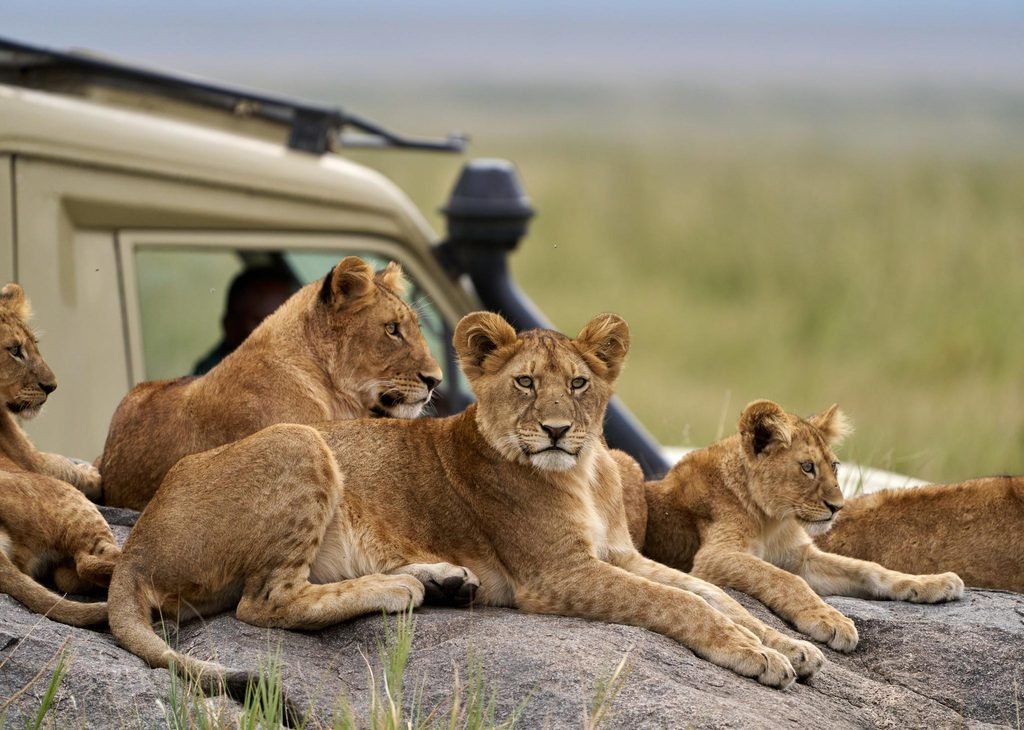
The number of days available will determine how many destinations you can realistically include. Although it may be tempting to visit five or six national parks in one week, such an itinerary often involves long drives and limited time for wildlife viewing. A better approach is to select a smaller number of destinations and allow enough time to experience each one properly.
For a Tanzania-only safari, seven to ten days can provide a good balance between Tarangire, Serengeti, Ngorongoro Crater, and possibly Lake Manyara. Travelers who want to add Zanzibar should consider extending the holiday to approximately twelve to fourteen days. A two-country safari involving Tanzania and Kenya, Uganda, or Rwanda will usually benefit from additional time because of international travel arrangements.
| Trip duration | Suggested destinations | Best suited for |
|---|---|---|
| 5–7 days | Tarangire, Serengeti, Ngorongoro | Travelers with limited time |
| 8–10 days | Tarangire, Lake Manyara, Serengeti, Ngorongoro | A more relaxed Tanzania safari |
| 12–14 days | Northern Tanzania safari and Zanzibar | Wildlife and beach holiday |
| 14–16 days | Tanzania and Kenya | Two-country wildlife safari |
| 15–18 days | Tanzania and Uganda or Rwanda | Safari and gorilla trekking |
| 18–21 days | Tanzania, Kenya, and Zanzibar | Extended wildlife and coastal holiday |
These are planning examples rather than fixed packages. The ideal number of days depends on transfer times, the locations of your accommodation, and the activities you want to include.
3. Plan Your Safari Around the Best Travel Seasons
Choosing the right travel season is particularly important when combining destinations in different parts of Africa. Weather conditions and wildlife movements vary between countries, and the best time for one activity may not be the ideal period for another. For example, travelers interested in the Great Migration may choose different months from visitors who primarily want to see elephants in Tarangire or relax on Zanzibar’s beaches.
In northern Tanzania, June to October is generally a popular safari period because conditions are often drier and wildlife can be easier to observe around water sources. January and February are also attractive for visitors interested in the southern Serengeti and Ndutu calving season. However, the Great Migration is a continuous seasonal movement, and its exact location changes according to rainfall and grazing conditions.
Gorilla trekking in Uganda and Rwanda is possible during much of the year, but wetter months can make forest trails more challenging. Zanzibar is also a year-round destination, although rainfall, wind, and sea conditions vary by season. When planning a combined holiday, choose dates that provide a reasonable balance across all your destinations rather than expecting perfect weather everywhere.
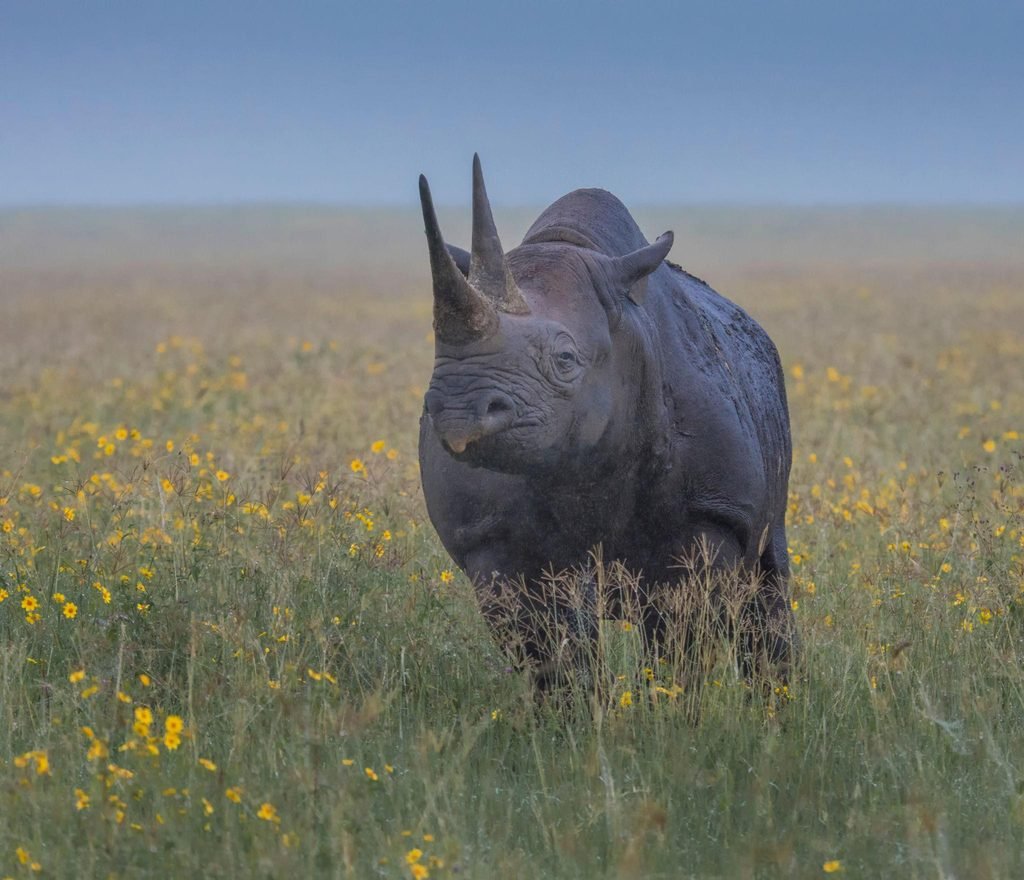
Best Months for Popular Safari Experiences
| Experience | Commonly preferred period | Important consideration |
|---|---|---|
| Serengeti general wildlife viewing | Year-round | Wildlife locations vary |
| Southern Serengeti / Ndutu calving | January–March, often peaking in February | Timing depends on seasonal rainfall |
| Northern Serengeti migration activity | Roughly July–October | River crossings are unpredictable |
| Maasai Mara migration activity | Roughly July–October | Herd movement varies |
| Tarangire elephant viewing | June–October | Wildlife concentrations vary |
| Uganda and Rwanda gorilla trekking | Often June–September and December–February | Rain and trail conditions vary |
| Zanzibar beach holiday | Often June–October and December–February | Coastal weather differs by location |
The dates above describe general seasonal patterns, not guaranteed wildlife sightings or weather forecasts for 2027 or 2028.
4. Create a Realistic Safari Route to Reduce Travel Time
A well-planned multi-destination safari should follow a logical route that avoids unnecessary backtracking. In Tanzania, many safaris begin in Arusha and travel toward Tarangire, Lake Manyara, Ngorongoro, and Serengeti. Depending on the itinerary, travelers may return by road or take a domestic flight from a safari airstrip to another destination.
For example, a traveler visiting Tarangire, Serengeti, and Ngorongoro can follow a route that connects the parks without repeatedly returning to Arusha. Accommodation should be selected according to the next day’s activities rather than simply choosing the cheapest available hotel. Staying close to the intended game-drive area can save considerable travel time, especially in large parks such as Serengeti.
When combining different countries, flight schedules and border arrangements become more important. A route that looks short on a map may involve several hours of driving, a border crossing, or a connection through a major airport. Before confirming a multi-country safari, ask for the expected transfer times and make sure there is enough flexibility for possible delays.
5. Sample 14-Day Tanzania Safari and Zanzibar Itinerary for 2027/2028
This example combines northern Tanzania’s wildlife destinations with a Zanzibar beach holiday. It is particularly suitable for travelers who want to experience several national parks without adding international border crossings.
Day 1: Arrival at Kilimanjaro International Airport
Upon arrival at Kilimanjaro International Airport, you meet your arranged transfer driver and travel to your accommodation in Arusha. Depending on your arrival time, the afternoon can be spent resting after the international flight or exploring a small part of the town. Your safari guide may provide a briefing about the upcoming itinerary, including expected driving times, park regulations, and the wildlife areas you will visit.
Day 2: Arusha to Tarangire National Park
After breakfast, you depart Arusha and travel toward Tarangire National Park for your first game drive. The park is known for its baobab trees, elephants, and varied wildlife habitats, providing an excellent introduction to Tanzania’s northern safari circuit. You spend the day exploring suitable wildlife areas before continuing to your selected lodge or tented camp for dinner and an overnight stay.
Day 3: Tarangire to Lake Manyara and Karatu
Following breakfast, you continue toward Lake Manyara National Park, where the landscape includes groundwater forest, open areas, and the lake environment. Depending on conditions, you may encounter elephants, giraffes, monkeys, hippos, and different bird species during the game drive. In the afternoon, you travel toward Karatu, where you spend the night before continuing to Ngorongoro and Serengeti.
Day 4: Ngorongoro Crater Game Drive
An early departure allows you to reach the Ngorongoro Conservation Area and descend into the crater for a game drive. The crater contains several habitats within a relatively compact area, offering opportunities to observe different wildlife species during the visit. After exploring the crater and enjoying a packed lunch at an appropriate location, you return to your accommodation in Karatu or continue according to the confirmed itinerary.
Day 5: Karatu to Serengeti National Park
After breakfast, you travel toward Serengeti National Park, passing through the Ngorongoro highlands and the changing landscapes of northern Tanzania. The journey is an important part of the safari because it introduces the vast plains and open habitats associated with Serengeti. Depending on your arrival time and park arrangements, you may enjoy an afternoon game drive before reaching your lodge or tented camp.
Day 6: Full-Day Serengeti Safari
You spend the day exploring Serengeti National Park with your professional safari guide. Game drives may focus on areas where wildlife activity has recently been observed, including habitats used by lions, cheetahs, elephants, giraffes, zebras, and other animals. Your guide will adjust the route according to local conditions and your interests, while allowing time for meals and breaks throughout the day.
Day 7: Another Full Day in Serengeti
A second full day in Serengeti provides more opportunities to explore the park without rushing between destinations. Depending on the season, your guide may recommend visiting different wildlife areas or spending more time observing animal behavior in a particular location. The additional day is especially valuable for photography enthusiasts and travelers who want to enjoy longer periods of wildlife viewing.
Day 8: Serengeti to Arusha or onward flight connection
After breakfast, you complete the final Serengeti activities included in your itinerary before traveling toward your next destination. Depending on the selected package, you may return toward Arusha by road or use a scheduled domestic flight from an appropriate safari airstrip. The remainder of the day is reserved for travel and rest, with accommodation arranged according to the confirmed flight schedule.
Day 9: Travel to Zanzibar
You transfer to the airport for your flight to Zanzibar, where a representative meets you and takes you to your selected beach hotel. After several days of early safari departures and road travel, this is an opportunity to relax and enjoy the island’s coastal atmosphere. Depending on your arrival time, you may spend the afternoon at the beach or exploring the area around your accommodation.
Day 10: Zanzibar Beach Relaxation
Today is reserved for enjoying Zanzibar at your own pace. You can relax at your hotel, walk along the beach, or take part in suitable water activities depending on local conditions. Travelers who prefer a more active day may arrange an optional excursion, although the availability of activities depends on the location of the hotel and weather conditions.
Day 11: Stone Town and Cultural Experiences
You can spend the day exploring Stone Town, the historic center of Zanzibar City, with its narrow streets, old buildings, markets, and Swahili coastal heritage. A guided visit provides an opportunity to learn about the island’s history and cultural influences. Depending on your interests, the day may also include a spice farm visit or another locally arranged cultural activity.
Day 12: Optional Marine Excursion
The day can be used for a marine excursion, snorkeling activity, or another coastal experience appropriate to your location. Zanzibar offers several areas known for marine life and coastal scenery, but activities should be selected according to weather, sea conditions, and the operator’s safety procedures. Travelers who prefer a quieter holiday may simply spend another day relaxing at the beach.
Day 13: Final Full Day in Zanzibar
Your final full day on the island provides time to enjoy the beach, explore nearby attractions, or rest before your international journey. This flexible day is useful because it allows travelers to finish the holiday without another long transfer or scheduled wildlife activity. You can also use the time to purchase souvenirs or enjoy a final evening at your hotel.
Day 14: Departure from Zanzibar
After breakfast, you check out of your hotel and transfer to the airport according to your international flight schedule. This marks the end of your Tanzania safari and Zanzibar beach holiday. Additional nights or alternative departure arrangements can be discussed when preparing your final itinerary.
6. How to Plan a Tanzania and Kenya Safari
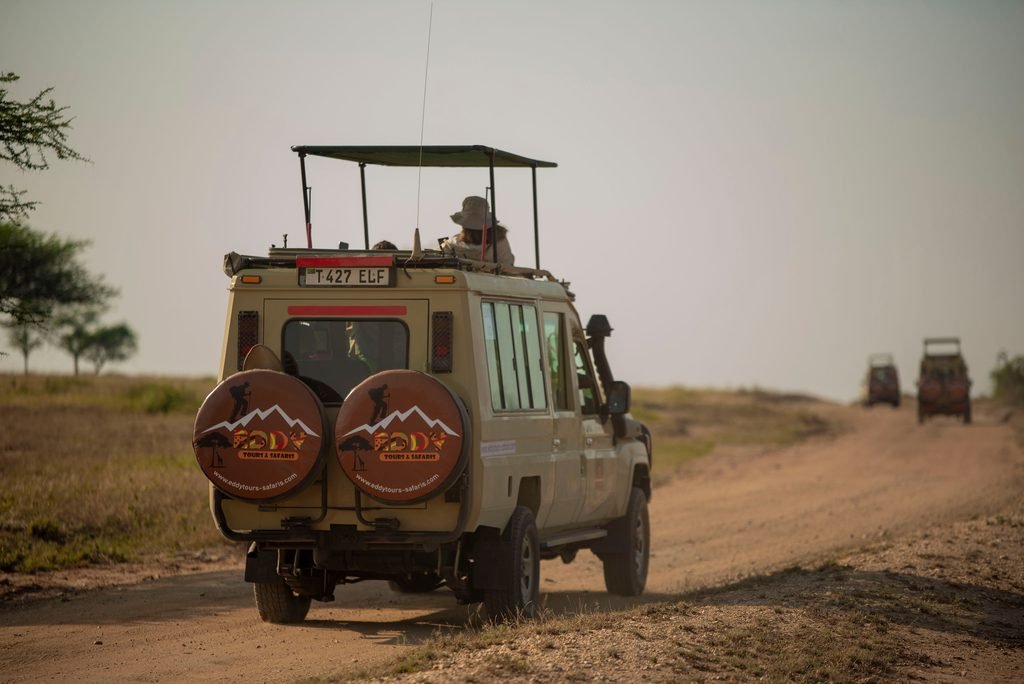
Combining Tanzania and Kenya is a popular option for travelers who want to explore both Serengeti National Park and the Maasai Mara. Although the two destinations form part of the same greater wildlife ecosystem, visiting them requires international travel arrangements and careful coordination between the countries. The most practical route depends on your arrival airport, available flight connections, and the number of days you can spend in each location.
A two-country safari might begin in Arusha with visits to Tarangire, Ngorongoro Crater, and Serengeti before continuing to Kenya for Maasai Mara. Alternatively, travelers may begin in Nairobi, visit the Mara, and then continue to Tanzania. In either direction, it is important to allow sufficient time for border procedures and transfers rather than assuming the parks can be connected through a simple direct drive.
Travelers interested in the Great Migration should also remember that wildebeest movements are seasonal and unpredictable. Visiting both Serengeti and Maasai Mara can provide different wildlife experiences, but it does not guarantee witnessing a river crossing. Your itinerary should be based on the expected seasonal distribution of the herds and the amount of time available for wildlife viewing.
7. How to Combine Tanzania Safari with Gorilla Trekking
A Tanzania safari and gorilla trekking holiday can provide two very different wildlife experiences. In Tanzania, visitors explore open savannah landscapes in safari vehicles, while gorilla trekking in Uganda or Rwanda involves walking through forest terrain with authorized guides. Combining these activities allows travelers to experience different habitats and wildlife conservation areas during one journey.
The main planning consideration is the additional time and cost involved. Gorilla trekking permits are limited and can be expensive, while flights and accommodation between destinations add to the total budget. Travelers should confirm permit availability before finalizing their international travel arrangements because the trekking date may determine the order of the itinerary.
Gorilla trekking also requires suitable physical preparation. Forest trails can be steep, wet, and muddy, and the duration of the walk varies according to the location of the gorilla group. Visitors should review the applicable health and age requirements and discuss any mobility or medical concerns before booking.
8. How Much Does a Multi-Destination Safari in Africa Cost?
The cost of a multi-destination safari depends on the countries visited, travel duration, accommodation standard, transport arrangements, park fees, and number of travelers. A Tanzania-only safari is generally easier to organize than a trip involving several international borders because the itinerary can often be completed using one safari vehicle and a relatively straightforward road circuit.
Accommodation is another major factor. Budget-friendly safaris may use basic lodges or camping arrangements, while mid-range packages commonly include comfortable lodges and tented camps. Luxury safaris may involve exclusive accommodation, fly-in transfers, private vehicles, and additional services. The difference in price can be substantial, particularly during popular travel periods.
For 2027 and 2028, travelers should request current written quotations rather than relying on fixed prices published several years in advance. National park fees, accommodation rates, fuel costs, domestic flights, and government taxes may change before departure.
Main Factors Affecting Safari Cost
| Cost factor | How it affects your budget |
|---|---|
| Number of travel days | More days increase accommodation, meals, transport, and guiding costs |
| Number of countries | Additional flights, visas, and border transfers may be required |
| Accommodation level | Budget, mid-range, and luxury properties have different rates |
| Safari transport | Private vehicles and domestic flights affect the total cost |
| Park and conservation fees | Fees vary by destination and visitor category |
| Group size | Shared transport costs may be lower per person in larger groups |
| Travel season | Accommodation and flight rates may increase during popular periods |
| Special activities | Gorilla trekking, balloon safaris, and other activities add costs |
A good safari quotation should clearly explain which services are included, which are excluded, and whether the price may change because of future government fees or other adjustments.
9. Choose the Right Safari Accommodation
Accommodation plays an important role in a multi-destination safari because it affects both comfort and travel time. In Tanzania, visitors can choose from budget lodges, permanent tented camps, mobile camps, mid-range safari lodges, and luxury properties. Each option offers a different experience, and the best choice depends on your expectations and budget.
Location is often more important than appearance alone. Staying inside or close to the wildlife area you plan to explore can reduce daily travel time and allow more opportunities for game drives. In Serengeti, choosing a camp in the appropriate region is especially important for travelers interested in seasonal migration activity.
When combining several destinations, it is useful to maintain a reasonably consistent accommodation standard while allowing flexibility where necessary. Some remote areas may have fewer lodging options, and certain properties may require advance reservations during popular travel periods.
10. Understand Visa, Passport, and Travel Requirements
International travel requirements should be reviewed carefully when planning a safari that includes more than one African country. Travelers may need separate visas, electronic travel authorizations, or other entry documents depending on their nationality and route. Passport validity requirements, vaccination rules, and travel insurance arrangements should also be checked before departure.
One important point is that the East Africa Tourist Visa covers eligible travel within Kenya, Uganda, and Rwanda, but it does not include Tanzania. Therefore, travelers combining Tanzania with those countries must check the separate Tanzanian entry requirements as well as the conditions applying to the other destinations.
The official Tanzania Immigration Department provides information about Tanzanian entry requirements. Travelers should also consult the relevant government immigration websites for Kenya, Uganda, and Rwanda. Because these rules may change before 2027 or 2028, do not rely solely on information provided when first planning the holiday.
11. Travel Insurance and Health Preparation
Travel insurance is an important part of planning a multi-destination safari. Your policy should be suitable for the countries you intend to visit and the activities included in your itinerary. If you plan to climb Kilimanjaro, go gorilla trekking, or participate in other specialized activities, check that your insurance provides appropriate coverage rather than assuming a standard holiday policy includes everything.
Before departure, consult a travel healthcare professional about recommended vaccinations, malaria prevention, and other health considerations relevant to your destinations. Requirements and medical advice may differ between Tanzania, Kenya, Uganda, and Rwanda, particularly when your itinerary involves several countries or travel through yellow fever risk areas.
It is also sensible to carry any prescribed medication in its original packaging and keep essential documents accessible during international transfers. Travelers should discuss significant mobility limitations or medical conditions with their tour operator before confirming activities that involve walking or challenging terrain.
12. Practical Tips for a Successful Multi-Destination Safari
A good safari should include enough time to enjoy each destination rather than trying to visit every famous park in a single trip. Choose a small number of priority experiences, build a logical travel route, and allow sufficient time for wildlife viewing. If your main interest is the Great Migration, spend more nights in the appropriate Serengeti region rather than adding unnecessary destinations simply to increase the number of parks on the itinerary.
Pack clothing that is comfortable for game drives and suitable for changing temperatures. Early mornings can be cool, while afternoons may become warm, so lightweight layers are useful. Binoculars, a camera, sun protection, comfortable shoes, and personal medication are practical items for most safaris. If you are continuing to Zanzibar or a gorilla trekking destination, you may need additional clothing and equipment suited to those activities.
Finally, work with a tour operator that provides clear communication about transport, accommodation, park fees, and itinerary arrangements. A detailed written program should explain where you will travel each day, where you will stay, and which services are included. This makes it easier to understand the holiday before making a booking.
Frequently Asked Questions About Multi-Destination Safaris in Africa
1. What is a multi-destination safari?
A multi-destination safari is a holiday that combines two or more wildlife parks, regions, or countries in one itinerary.
2. Which African country is best for a multi-destination safari?
Tanzania is an excellent choice because its northern circuit includes Serengeti, Ngorongoro, Tarangire, and Lake Manyara, with Zanzibar available as a beach extension.
3. Can I combine Tanzania and Kenya in one safari?
Yes. Travelers can combine Serengeti and Maasai Mara with suitable international travel arrangements.
4. Can I visit Serengeti and Maasai Mara on the same trip?
Yes, although the journey requires careful planning of border procedures and transport connections.
5. How many days do I need for a Tanzania safari?
Seven to ten days can provide a good experience across several northern Tanzania parks.
6. How many days are ideal for a multi-country safari?
Approximately fourteen to eighteen days or longer is often more practical when visiting two countries.
7. Can I combine Serengeti with Zanzibar?
Yes. A Tanzania wildlife safari followed by a Zanzibar beach holiday is a popular combination.
8. Is Zanzibar suitable for families?
Yes. Zanzibar offers accommodation and activities suitable for many family travel preferences.
9. What is the best time for a Tanzania safari?
June to October is generally popular, although Tanzania offers wildlife viewing throughout the year.
10. When is the Great Migration in Serengeti?
The migration moves throughout the year, with different regions becoming important during different seasons.
11. Can I guarantee seeing a wildebeest river crossing?
No. River crossings depend on unpredictable animal movements and local conditions.
12. Is Ngorongoro Crater worth visiting?
Yes. Its distinctive landscape and wildlife habitats make it a valuable addition to a northern Tanzania safari.
13. Can I combine Tanzania safari with gorilla trekking?
Yes. Uganda and Rwanda are common destinations for gorilla trekking extensions.
14. Is gorilla trekking expensive?
It can significantly increase the trip cost because permits, transport, and accommodation are additional expenses.
15. Do I need separate visas for Tanzania and Kenya?
Entry requirements depend on nationality and the type of authorization held. Tanzania is not covered by the East Africa Tourist Visa.
16. Is the East Africa Tourist Visa valid for Tanzania?
No. It applies to eligible travel within Kenya, Uganda, and Rwanda only.
17. Can I visit three African countries in two weeks?
It may be possible, but travel connections can make the itinerary rushed. Fewer destinations may provide a better experience.
18. Are domestic flights useful on safari?
Yes. Flights can reduce long road transfers, particularly when traveling between distant parks or Zanzibar.
19. Is a private safari better than a group safari?
Private safaris offer more flexibility, while group safaris may reduce shared transport costs.
20. Can I plan a budget-friendly multi-destination safari?
Yes. Choosing fewer destinations, practical accommodation, and a logical road itinerary can help control costs.
21. Are multi-destination safaris suitable for children?
Yes, depending on the children’s ages, travel distances, accommodation, and activity restrictions.
22. Should I book my safari early for 2027?
Booking several months in advance is useful, particularly for popular travel periods and accommodation.
23. Can I plan a safari for 2028?
Yes. You can begin planning early, although final prices and availability should be confirmed.
24. Can I add Mount Kilimanjaro to my safari?
Yes. Travelers can combine a guided Kilimanjaro climb with a wildlife safari, provided sufficient time is allowed.
25. How do I book a multi-destination safari with Eddy Tours & Safaris?
Contact the team with your preferred travel dates, destinations, group size, accommodation preferences, and approximate budget to request a customized quotation.
Plan Your Multi-Destination African Safari for 2027 and 2028 with Eddy Tours & Safaris
Planning a multi-destination safari in Africa requires balancing the places you want to visit with the time and budget available. Tanzania offers an excellent starting point because travelers can explore Serengeti National Park, Ngorongoro Crater, Tarangire National Park, and Lake Manyara before continuing to Zanzibar. Visitors with more time can consider extending their holiday to Kenya, Uganda, or Rwanda for additional wildlife experiences.
The most enjoyable itineraries are not necessarily those that include the greatest number of destinations. A well-organized safari gives you enough time for game drives, rest, and travel between locations without unnecessary rushing. Choosing suitable accommodation, understanding seasonal wildlife movements, and confirming travel requirements before departure can make the entire journey easier to manage.
At Eddy Tours & Safaris, we help travelers plan Tanzania wildlife safaris for 2027 and 2028, including northern circuit itineraries, Serengeti migration experiences, Ngorongoro Crater visits, and Zanzibar holiday extensions. Our team can also discuss how your Tanzania travel arrangements may fit into a wider African holiday before preparing a detailed quotation.
Request Your Customized African Safari Quotation
Chat with Eddy Tours & Safaris on WhatsApp
Email: sales@eddytours-safaris.com
Contact our team with your preferred travel dates, destinations, number of travelers, and accommodation preferences to start planning your African safari for 2027 or 2028.