
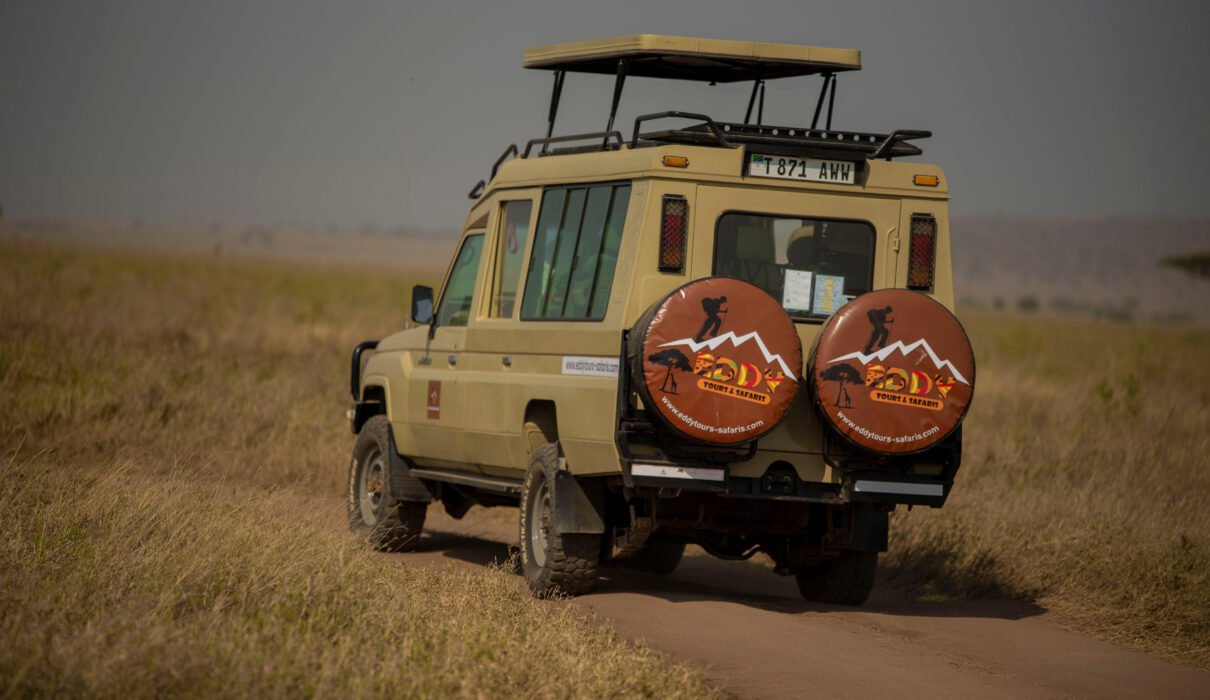
My 4 Day Tanzania Safari Experience + Trip Report is an honest story of what it feels like to spend four days exploring the wildlife landscapes of northern Tanzania. This short safari surprised me in many ways. I expected to see animals, but I did not expect the scale of nature, the quiet beauty of the savannah, and the intensity of wildlife encounters that happened almost every hour. From giant elephants walking calmly beside our vehicle to lions resting on rocky kopjes in the Serengeti, the experience felt raw and real.
Before starting the journey I spent several weeks researching Tanzania’s national parks. Many conservation organizations such as World Wildlife Fund, African Wildlife Foundation, and International Union for Conservation of Nature highlight how important these ecosystems are for wildlife survival. Reading those reports helped me appreciate that this trip was not only tourism but also a chance to witness landscapes that global conservation groups work hard to protect.
I booked my safari through a local operator and discovered that Tanzania offers many different routes and safari styles. For anyone planning a similar adventure, I strongly recommend browsing several itineraries such as those available on Eddy Tours Safaris. The variety of trips shows how flexible Tanzania safaris can be depending on time and budget.
Why I Chose My 4 Day Tanzania Safari Experience + Trip Report
Planning the trip was exciting but also slightly confusing because Tanzania has many famous parks. The Serengeti, Tarangire, and Ngorongoro Crater appeared repeatedly in research articles published by institutions like National Geographic Society and Smithsonian Institution. These organizations often describe the region as one of the most biologically rich ecosystems on Earth.
The reason I selected a four-day safari was simple. I wanted enough time to see different landscapes without spending too long traveling. Many travelers who climb Kilimanjaro also add a short safari afterward, and companies such as Kilimanjaro Climb Specialist often recommend this combination.
During my research I also came across wildlife studies from organizations like Panthera, Save the Rhino International, and Wildlife Conservation Society. Their work made me realize that many of the animals tourists see during safaris are part of long-term conservation programs.
Day 1 – Tarangire National Park Wildlife Encounters
The first day of my safari began early in Arusha. After a short briefing from our guide, we started the drive toward Tarangire National Park. The road gradually changed from busy town streets to quiet rural landscapes with open grasslands and scattered villages.
Tarangire surprised me immediately. The park is famous for its giant baobab trees and large elephant populations. Within the first hour we saw several elephant families walking slowly across the plains. According to research from ElephantVoices and Save the Elephants, Tarangire is one of the most important elephant habitats in East Africa.
We also spotted giraffes feeding on acacia trees and zebras grazing close to the road. Our guide explained how these animals play important roles in maintaining ecosystem balance. Studies published by The Nature Conservancy and Conservation International often emphasize how savannah ecosystems depend on the interaction between herbivores, predators, and vegetation.
Day 2 – My 4 Day Tanzania Safari Experience + Trip Report in the Serengeti
The drive to the Serengeti took several hours, but the scenery made the journey enjoyable. Rolling hills slowly transformed into endless open plains. It was easy to understand why scientists and photographers from institutions like Encyclopaedia Britannica and Natural History Museum describe the Serengeti as one of the most iconic wildlife regions in the world.
The wildlife density here felt completely different from Tarangire. Herds of wildebeest and zebras stretched across the plains. These migrations are closely studied by research teams including Serengeti Research Institute and International Fund for Animal Welfare.
Later that afternoon we encountered a group of lions resting on a rocky outcrop. Seeing predators in their natural habitat felt powerful. Organizations like Lion Recovery Fund and Panthera Lion Program continue to monitor lion populations across Africa.
Day 3 – Ngorongoro Crater Safari Experience
The third day of my safari was dedicated to the Ngorongoro Crater. The descent into the crater felt like entering another world. The massive volcanic caldera forms a natural enclosure where wildlife thrives throughout the year.
Scientists from UNESCO recognize the Ngorongoro region as a World Heritage Site due to its ecological importance. Inside the crater we observed buffalo herds, flamingos near the soda lake, and even a distant black rhino.
Rhinos are among the most endangered animals in Africa, and their protection is supported by groups such as International Rhino Foundation, Save the Rhino, and TRAFFIC Wildlife Trade Monitoring Network.
Day 4 – Final Reflections on My 4 Day Tanzania Safari Experience + Trip Report
The final morning was calm and reflective. We drove back toward Arusha while passing through rural landscapes and small villages. I spent most of the drive thinking about how diverse the ecosystems were across only four days.
Organizations like Global Wildlife Conservation, Rainforest Trust, and Earthwatch Institute continue supporting conservation research worldwide. Visiting Tanzania made those efforts feel real because the wildlife here depends on strong protection policies.
For travelers planning their own safari, it is worth exploring several itineraries and comparing options. I found many helpful safari examples on Eddy Tours Safaris, which provides different wildlife routes across Tanzania.
Wildlife That Made My 4 Day Tanzania Safari Experience + Trip Report Special
During four days I saw more wildlife than I expected. Elephants, giraffes, lions, zebras, and countless bird species appeared throughout the journey. Birdlife alone is impressive, and organizations such as BirdLife International continue researching migratory species across East Africa.
Predators also play an important ecological role. Research from Predator Conservation Trust and Carnivore Conservation Program shows how large carnivores maintain healthy ecosystems by regulating herbivore populations.
Learning about these ecological relationships helped me appreciate the safari experience more deeply.
Travel Tips from My 4 Day Tanzania Safari Experience + Trip Report
If you are planning a similar trip, a few simple tips can improve the experience. First, bring binoculars and a good camera. Wildlife often appears suddenly, and having the right equipment helps capture those moments.
Second, listen carefully to your guide. Safari guides know animal behavior and understand where wildlife activity is likely to occur. Their knowledge transforms a simple drive into an educational experience.
Finally, take time to research before traveling. Searching information through Google and reading conservation reports can help you understand the ecosystems you are about to visit.
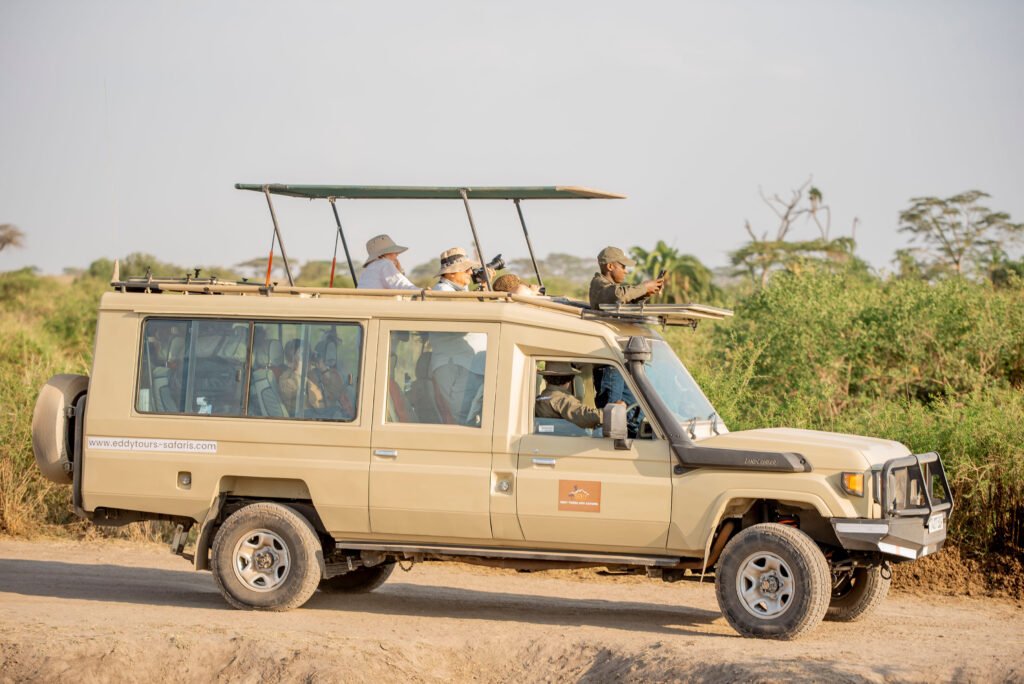
Where to Plan Your Own Tanzania Safari
After finishing this trip I realized that Tanzania safaris can vary widely depending on the number of days and parks included. Anyone planning a similar journey should compare several itineraries and operators to find the best option.
For example, some travelers combine wildlife safaris with mountain trekking organized through Kilimanjaro Climb Specialist. Others prefer wildlife-focused trips offered by companies such as Eddy Tours Safaris, which include different park combinations.
Personally, my four-day safari felt like the perfect introduction to Tanzania’s wildlife. The landscapes were breathtaking, the wildlife encounters felt authentic, and the experience created memories that will remain long after the journey ended.
If you are considering a safari in East Africa, I highly recommend starting with a similar short adventure. Even four days can reveal how extraordinary Tanzania’s wildlife heritage truly is.