
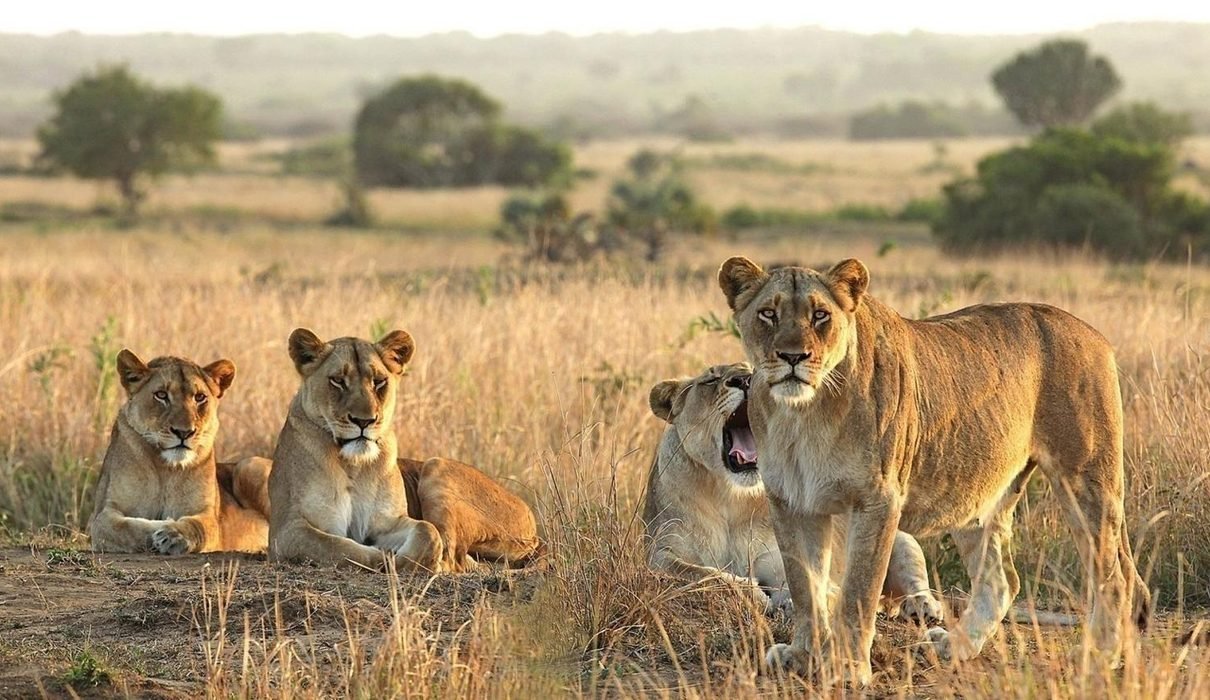
Africa is home to some of the most famous wildlife destinations in the world. From the endless plains of Serengeti National Park in Tanzania to the elephant-filled landscapes of Chobe National Park in Botswana, the continent offers many ways to experience wildlife in its natural environment. Whether you want to watch lions hunting on the savannah, photograph elephants near Mount Kilimanjaro, or explore remote wilderness areas, choosing the right safari destination is an important part of planning your trip.
If you are organizing an African safari for 2027 or 2028, you may be wondering which national parks are worth visiting, when to travel, and how many days to spend in each destination. The answer depends on your interests and budget. Some parks are particularly good for seeing large numbers of animals, while others are better known for birdwatching, river safaris, dramatic landscapes, or quieter wildlife experiences.
Tanzania, Kenya, South Africa, Botswana, Uganda, Rwanda, Namibia, Zambia, and Zimbabwe all offer excellent safari opportunities. However, each country has different wildlife habitats, travel seasons, accommodation choices, and transport arrangements. Understanding these differences will help you choose a destination that matches your expectations rather than simply following the most popular safari advertisements.
At Eddy Tours & Safaris, we help travelers plan Tanzania wildlife safaris, including visits to Serengeti National Park, Tarangire National Park, Lake Manyara National Park, and the Ngorongoro Conservation Area. In this guide, we explore some of Africa’s leading national parks and wildlife reserves for 2027 and 2028, explain what makes each destination special, and share practical advice for choosing the right safari experience.
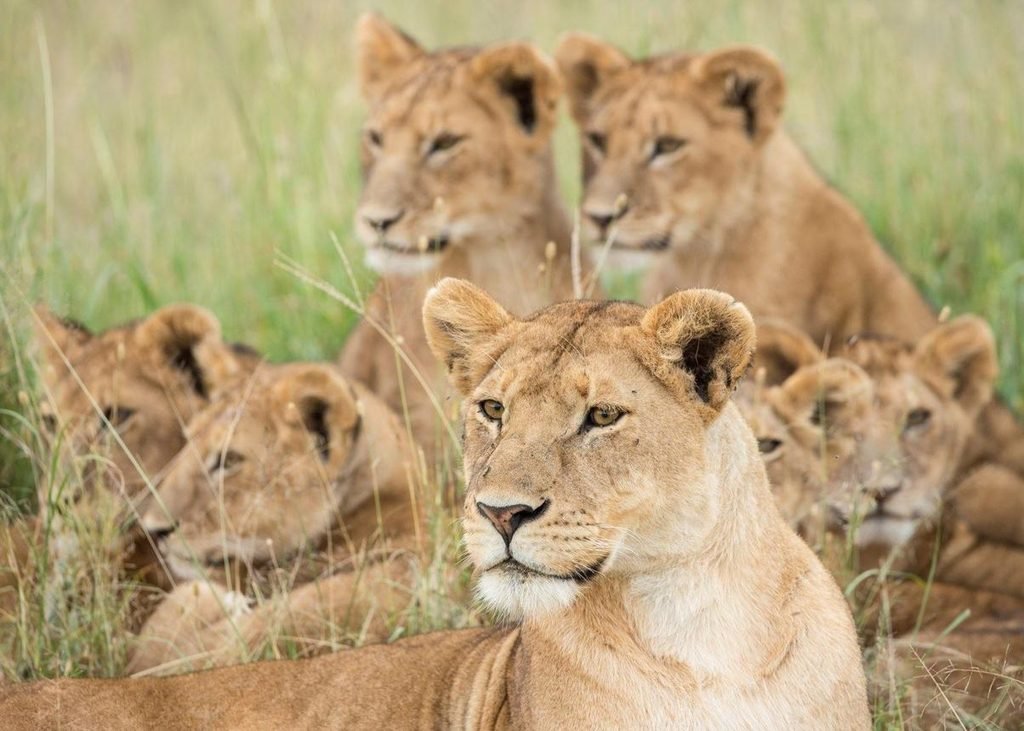
Best National Parks in Africa for 2027 and 2028: Quick Comparison
| Wildlife destination | Country | Main attraction | Commonly favorable travel period |
|---|---|---|---|
| Serengeti National Park | Tanzania | Great Wildebeest Migration and predators | Year-round; location of migration varies |
| Ngorongoro Conservation Area | Tanzania | Wildlife viewing inside Ngorongoro Crater | Year-round |
| Tarangire National Park | Tanzania | Elephants, baobab trees and dry-season wildlife | June–October |
| Maasai Mara National Reserve | Kenya | Big cats and seasonal migration | July–October for potential migration activity |
| Amboseli National Park | Kenya | Elephants and Mount Kilimanjaro views | January–February; June–October |
| Kruger National Park | South Africa | Big Five wildlife and varied safari options | May–September |
| Chobe National Park | Botswana | Elephants and Chobe River wildlife | May–October |
| Moremi Game Reserve | Botswana | Okavango Delta habitats and predators | May–October |
| Etosha National Park | Namibia | Wildlife around waterholes | May–October |
| South Luangwa National Park | Zambia | Leopards and walking safaris | June–October |
| Hwange National Park | Zimbabwe | Elephant herds and diverse wildlife | July–October |
| Queen Elizabeth National Park | Uganda | Savannah wildlife, boat safaris and birdlife | Generally drier months |
These travel periods are general seasonal guidelines, not predictions of exact conditions in 2027 or 2028. Rainfall, animal movements, road access, and accommodation availability can change from year to year.
1. Serengeti National Park, Tanzania – Best for the Great Wildebeest Migration
Serengeti National Park is one of Africa’s most celebrated wildlife destinations and an excellent choice for travelers planning their first safari. Located in northern Tanzania, the park is known for its vast grasslands, rocky outcrops, river systems, and large populations of wild animals. The Serengeti forms part of a wider ecosystem that supports the annual movement of wildebeest, zebras, and other grazing animals in search of fresh pasture and water.
The Great Wildebeest Migration is one of the main reasons travelers visit the Serengeti. During the year, large herds move through different parts of the ecosystem, with their movements influenced by rainfall and grazing conditions. The southern Serengeti and nearby Ndutu area are commonly associated with the calving season early in the year, while the western corridor and northern Serengeti become important during other stages of the migration. River crossings can occur during the migration, but they are unpredictable and cannot be guaranteed on a particular date.
Beyond the migration, Serengeti National Park provides excellent opportunities to observe predators and other wildlife throughout the year. Lions, cheetahs, leopards, elephants, giraffes, buffaloes, hyenas, zebras, and many antelope species inhabit different parts of the park. The central Serengeti, particularly the Seronera area, is a popular destination because its varied habitats support wildlife even when the main migrating herds are elsewhere.
For travelers visiting Tanzania in 2027 or 2028, the Serengeti is especially attractive because it can be combined with Ngorongoro Crater, Tarangire, and Lake Manyara in one northern Tanzania safari itinerary. A stay of three or four days in the Serengeti allows more time for game drives than a rushed overnight visit, while longer stays are particularly useful for travelers interested in wildlife photography or the migration.
Best for: Great Migration experiences, big cats, photography, first-time safaris and extended wildlife holidays.
Recommended stay: Three to five days, depending on the itinerary.
Safari planning: Explore Tanzania safari options through Eddy Tours & Safaris or request a personalized Serengeti quotation.
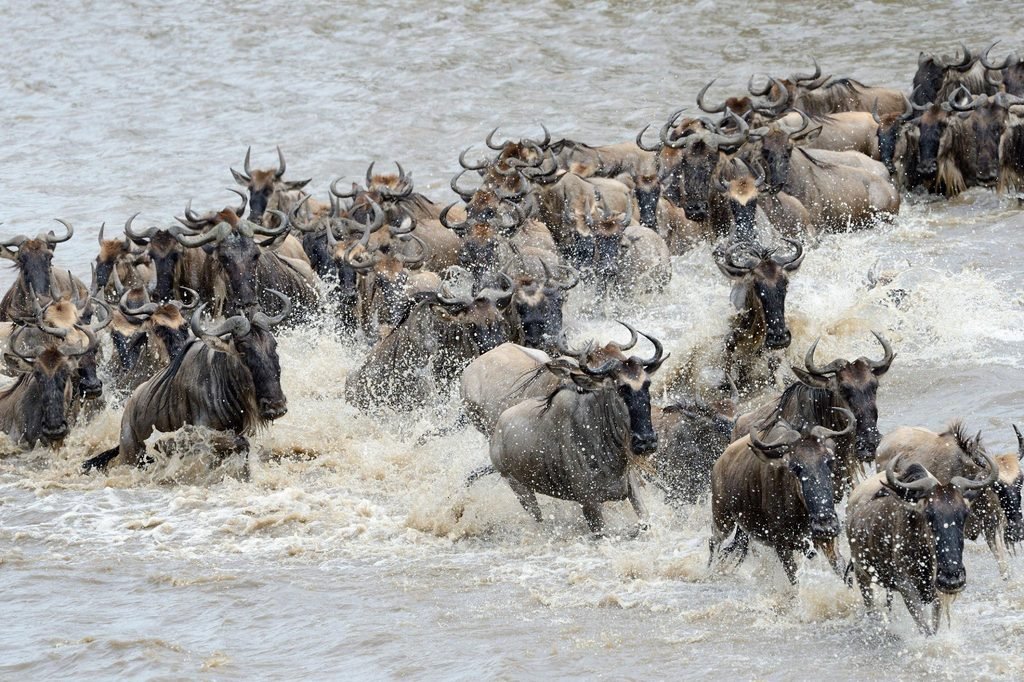
2. Ngorongoro Conservation Area, Tanzania – Best for Crater Wildlife Viewing
The Ngorongoro Conservation Area is one of northern Tanzania’s most distinctive wildlife destinations. Its best-known attraction is Ngorongoro Crater, a large volcanic caldera surrounded by steep walls and containing grasslands, wetlands, woodland, and seasonal water sources. These habitats support a wide range of animals, making the crater an important stop on many Tanzania safari itineraries.
During a crater game drive, visitors may encounter elephants, buffaloes, zebras, wildebeest, hippos, hyenas, and lions. The area is also known for its population of endangered black rhinoceroses, although sightings are never guaranteed. The relatively compact crater floor allows travelers to explore different habitats during a single game drive, making it a popular choice for visitors who have limited time in northern Tanzania.
Ngorongoro offers a different experience from the Serengeti. While the Serengeti is known for its extensive plains and long-distance wildlife movements, the crater provides a more concentrated landscape with dramatic views from the rim. The descent road, crater floor, wetlands, and surrounding highlands all contribute to the experience. Visitors should remember that Ngorongoro is a conservation area rather than a national park, and its management includes both wildlife conservation and the presence of local communities.
For a 2027 or 2028 safari, Ngorongoro can be visited throughout the year, although road and weather conditions vary. It is commonly included in itineraries that also visit Tarangire and Serengeti. One full crater game-drive day is often sufficient for a first visit, while travelers interested in the surrounding highlands may choose a longer stay.
Best for: Crater scenery, Big Five interests, short safaris and wildlife photography.
Recommended stay: One to two days.
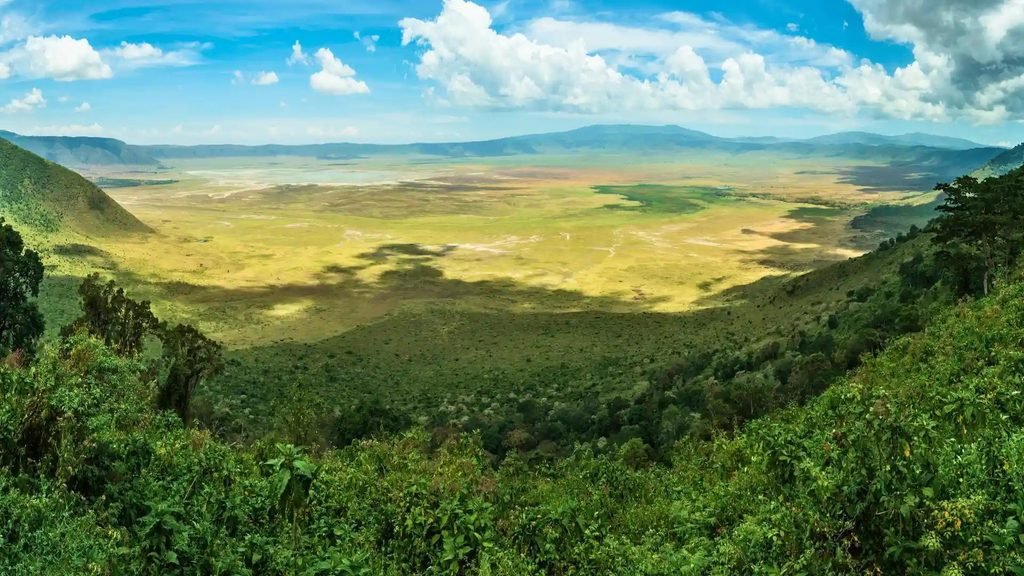
3. Tarangire National Park, Tanzania – Best for Elephants and Baobab Trees
Tarangire National Park is one of the most rewarding wildlife destinations in northern Tanzania, particularly during the dry season. Located southwest of Arusha, the park is known for its large elephant populations, ancient baobab trees, open savannah, and the Tarangire River. The river and other remaining water sources become especially important to wildlife when the surrounding landscape becomes dry.
Elephants are among Tarangire’s most recognizable animals, and visitors may observe family groups moving through woodland, feeding beneath baobab trees, or gathering near water. The park also supports giraffes, zebras, wildebeest, buffaloes, impalas, warthogs, lions, and many bird species. Wildlife sightings vary by season, and the dry months often make it easier to observe animals gathering around water sources.
Tarangire is an excellent choice for travelers who want a quieter atmosphere than some of the busiest sections of the Serengeti. Its combination of elephants, baobab trees, and seasonal wildlife concentrations makes it especially attractive to photographers. The park is also accessible from Arusha, allowing it to fit into both shorter and longer northern Tanzania safari itineraries.
For 2027 and 2028, June through October is generally a strong period to consider for Tarangire wildlife viewing. However, the park remains interesting outside the dry season, particularly for travelers who enjoy green landscapes and birdwatching. A full day is a good introduction, while two days provide more time to explore different areas.
Best for: Elephant photography, baobab landscapes, birdwatching and family safaris.
Recommended stay: One to two days.
Related planning: Travelers can combine Tarangire with the Serengeti and Ngorongoro through a custom Tanzania safari.
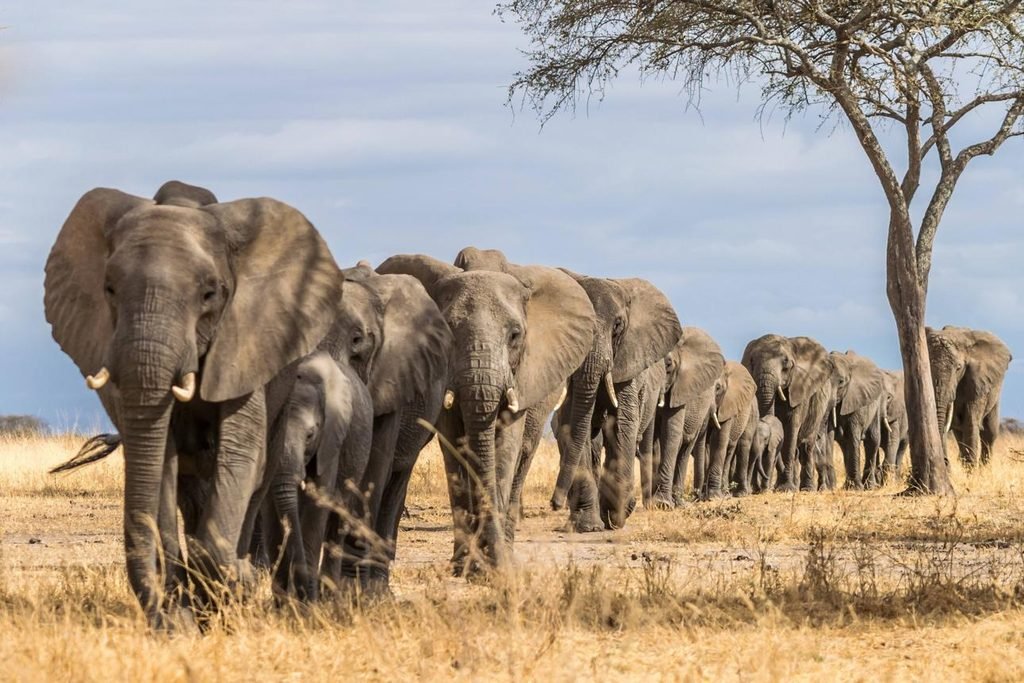
4. Maasai Mara National Reserve, Kenya – Best for Big Cats and Migration Viewing
The Maasai Mara National Reserve is one of Kenya’s most famous wildlife destinations. Located in southwestern Kenya along the border with Tanzania, it forms part of the wider Serengeti–Mara ecosystem. The reserve is known for its rolling grasslands, river systems, predators, and seasonal movement of wildebeest and zebras.
The Maasai Mara is particularly attractive to travelers interested in observing lions, cheetahs, and leopards. Its open grasslands provide opportunities to watch predators moving through the landscape, while the Mara River is an important feature during parts of the Great Migration. From around July to October, migrating herds may be present in the wider Mara region, although their exact arrival and movement depend on rainfall and grazing conditions.
Travelers should understand that the Maasai Mara is officially a national reserve, not a national park. This distinction does not reduce its importance as a safari destination, but it is useful when comparing protected areas across Africa. The surrounding conservancies also provide different accommodation and safari experiences, with activities depending on the regulations of each area.
For 2027 and 2028, the Maasai Mara is a strong choice for travelers interested in big-cat photography, seasonal migration activity, and classic East African savannah landscapes. Three or four days generally provide a more comfortable experience than a short visit, especially when traveling from Nairobi.
Best for: Lions, cheetahs, leopards, migration activity and photography.
Recommended stay: Three to four days.
5. Amboseli National Park, Kenya – Best for Elephants and Kilimanjaro Views
Amboseli National Park is located in southern Kenya and is famous for its elephants and views of Mount Kilimanjaro across the border in Tanzania. The park contains open plains, seasonal wetlands, swamps, and areas of woodland, creating a landscape where wildlife can often be observed against the mountain’s distinctive outline.
One of Amboseli’s main attractions is the opportunity to observe elephant families in relatively open terrain. The park is associated with long-term elephant research and provides opportunities to watch natural elephant behavior, including feeding, social interaction, and movement between habitats. Other animals found in the wider landscape include zebras, wildebeest, giraffes, buffaloes, and various predators.
Amboseli is especially appealing to photographers who want to capture elephants with Mount Kilimanjaro in the background. However, the mountain is not always visible, and clouds can obscure the summit even on otherwise pleasant days. Early morning often provides useful photographic conditions, but clear views cannot be guaranteed.
For 2027 and 2028, Amboseli is a suitable destination for travelers interested in elephants, scenic landscapes, and relatively short wildlife holidays. It can also be combined with other Kenyan parks or included in a broader East African itinerary when travel arrangements allow.
Best for: Elephants, Mount Kilimanjaro photography and family wildlife safaris.
Recommended stay: Two to three days.
6. Kruger National Park, South Africa – Best for Big Five and Flexible Safari Options
Kruger National Park is one of Africa’s largest and most established wildlife destinations. Located in northeastern South Africa, it covers a vast landscape of savannah, woodland, rivers, and other habitats. The park is known for its biodiversity and provides opportunities to observe lions, leopards, elephants, buffaloes, and rhinoceroses, along with giraffes, zebras, antelopes, and numerous bird species.
One of Kruger’s advantages is the range of safari arrangements available. Visitors can explore designated roads in their own vehicles, join guided game drives, stay at public rest camps, or choose private lodge experiences in nearby reserves. This flexibility makes Kruger attractive to different types of travelers, including families, photographers, independent visitors, and those seeking more luxurious accommodation.
The dry season, generally from May through September, is often favorable for wildlife viewing because vegetation becomes thinner and animals may gather near remaining water sources. The wetter summer months create greener landscapes and can be excellent for birdwatching, although dense vegetation may make some animals more difficult to see.
For travelers planning a 2027 or 2028 safari, Kruger is a strong option for a classic Big Five experience with a broad range of accommodation and transport choices. A stay of three to five days allows time to explore different sections of the park, while longer visits can be particularly rewarding for wildlife enthusiasts.
Best for: Big Five wildlife, self-drive safaris, family travel and varied accommodation budgets.
Recommended stay: Three to five days.
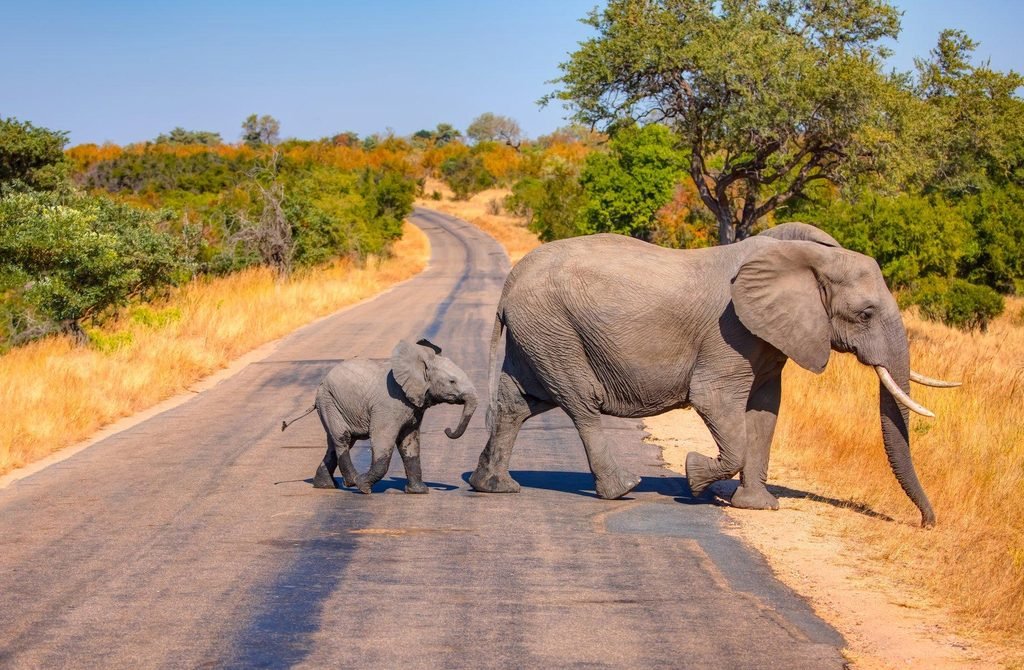
7. Chobe National Park, Botswana – Best for Elephant Herds and River Safaris
Chobe National Park is one of Botswana’s best-known wildlife destinations and is especially famous for its elephants. The park includes several distinct habitats, but the Chobe Riverfront is particularly popular because animals gather near the river, especially during the drier months. Visitors may observe elephants, buffaloes, hippos, crocodiles, and a wide variety of birds along the waterways.
A major attraction of Chobe is the opportunity to experience wildlife from both land and water. Traditional game drives allow travelers to explore the surrounding landscape, while boat safaris on the Chobe River offer a different perspective. Watching elephants approach the river to drink or cross shallow sections can be one of the highlights of a visit, although animal behavior remains unpredictable.
Chobe is also an attractive destination for travelers combining Botswana with Victoria Falls, which lies within reach of the Kasane area through regional travel arrangements. This makes it possible to organize a holiday that includes wildlife viewing and one of southern Africa’s best-known natural attractions.
For 2027 and 2028, the dry season from approximately May to October is commonly considered favorable for wildlife concentrations along the river. A two- or three-day stay can provide a satisfying introduction, while longer itineraries may combine Chobe with Moremi and the Okavango Delta.
Best for: Elephants, river cruises, birdwatching and Botswana wildlife safaris.
Recommended stay: Two to three days.
8. Moremi Game Reserve, Botswana – Best for the Okavango Delta Wilderness
Moremi Game Reserve is situated within Botswana’s Okavango Delta region and protects a landscape of floodplains, lagoons, woodland, islands, and grasslands. It is one of Africa’s most attractive destinations for travelers seeking a wilderness experience with varied wildlife habitats. Unlike the open plains of the Serengeti, Moremi offers a combination of dry-land game viewing and wetland scenery.
The reserve supports elephants, buffaloes, giraffes, antelopes, lions, leopards, wild dogs, and many bird species. Wildlife viewing depends on seasonal water levels and the areas accessible during the visit. Some locations are reached by vehicle, while water-based activities are available through suitable operators and camps in the wider Delta region.
Moremi is particularly attractive to travelers who enjoy quieter safari environments and want to spend several days exploring different habitats. Accommodation ranges from camping arrangements to high-end safari camps, with transport and access varying according to the season and location.
The dry-season months often provide favorable wildlife viewing, although the Okavango’s floodwaters follow their own seasonal cycle. For 2027 or 2028, it is important to select a camp or itinerary that matches the activities you want, rather than assuming every lodge offers the same experience.
Best for: Remote wilderness, predators, birdwatching and luxury safari camps.
Recommended stay: Three to four days.
9. Etosha National Park, Namibia – Best for Wildlife Around Waterholes
Etosha National Park is one of Namibia’s most important wildlife destinations. The park is centered around the enormous Etosha Pan, a seasonal salt pan surrounded by grasslands, woodland, and waterholes. Its relatively open landscapes create a distinctive safari experience compared with the forests and river systems found in other parts of Africa.
During the dry season, animals frequently visit waterholes to drink, creating opportunities for visitors to observe several species in the same area. Elephants, giraffes, zebras, springboks, oryx, lions, and rhinoceroses are among the animals associated with the park. Wildlife sightings vary throughout the day, and patient observation can be particularly rewarding.
Etosha is also suitable for travelers who prefer self-drive safaris because it has established road networks and accommodation facilities. However, visitors must follow park regulations, remain in permitted areas, and respect wildlife safety rules. Driving distances between camps and waterholes should be considered when planning each day.
For 2027 and 2028, the dry season from May to October is generally a strong period for waterhole viewing. Travelers interested in greener landscapes and birdlife may also enjoy other times of year.
Best for: Waterhole wildlife viewing, self-drive safaris and wildlife photography.
Recommended stay: Three to four days.
10. South Luangwa National Park, Zambia – Best for Walking Safaris and Leopards
South Luangwa National Park is one of Zambia’s best-known wildlife destinations and is particularly associated with guided walking safaris. The Luangwa River and surrounding habitats support elephants, buffaloes, hippos, crocodiles, antelopes, lions, and leopards, along with many bird species.
Walking safaris provide a different way to understand the African bush. Rather than focusing only on large animals seen from a vehicle, guided walks may introduce travelers to animal tracks, vegetation, insects, birds, and the relationships between different parts of the ecosystem. These activities must be conducted with qualified guides and in accordance with local regulations.
The park is also popular for photographic safaris, particularly among visitors interested in predators. However, no animal sighting can be guaranteed, and leopard encounters depend on the location, time, and behavior of the animals.
For 2027 and 2028, the drier months are generally favorable for wildlife viewing, while access to some camps can vary during the rainy season. Travelers should confirm the operating dates of their chosen accommodation before booking.
Best for: Guided walking safaris, leopards, river wildlife and photography.
Recommended stay: Three to five days.
11. Hwange National Park, Zimbabwe – Best for Elephants and Open Wilderness
Hwange National Park is Zimbabwe’s largest national park and one of southern Africa’s important elephant habitats. Its landscape includes woodland, grasslands, and seasonal water sources that attract a wide variety of wildlife. Visitors may encounter elephants, buffaloes, zebras, giraffes, lions, and different antelope species during guided game drives.
The park is especially attractive during the dry season, when animals gather around waterholes. This can create rewarding opportunities for wildlife observation and photography, particularly for travelers who enjoy spending time watching natural animal behavior rather than moving constantly between locations.
Hwange can also be combined with a visit to Victoria Falls, making it a practical addition to a southern Africa holiday. Accommodation options range from safari camps to more comfortable lodges, depending on the selected area and budget.
For 2027 and 2028, travelers should allow enough time to explore the park rather than treating it only as a short stop between other destinations. Two to four days can provide a good introduction, while longer stays are useful for dedicated wildlife photography.
Best for: Elephant herds, waterhole viewing, predators and Victoria Falls combinations.
Recommended stay: Two to four days.
12. Queen Elizabeth National Park, Uganda – Best for Boat Safaris and Birdwatching
Queen Elizabeth National Park is one of Uganda’s best-known wildlife destinations. Located in western Uganda, it includes savannah, wetlands, crater lakes, woodland, and the Kazinga Channel, which connects Lake Edward and Lake George. The variety of habitats makes it attractive to travelers who want to combine traditional game drives with boat-based wildlife viewing.
The Kazinga Channel is a major attraction because visitors can observe hippos, crocodiles, waterbirds, and other animals along the shoreline during organized boat excursions. The park also supports elephants, buffaloes, antelopes, and predators, although wildlife distribution varies across its different sectors.
The Ishasha sector is known for its tree-climbing lions, but sightings are not guaranteed. Travelers interested in this particular behavior should allow suitable time and understand that animals may not be visible during every visit.
For 2027 and 2028, Queen Elizabeth National Park is a good choice for travelers combining savannah wildlife with other Ugandan experiences, including primate trekking in separate protected areas. Two or three days is a useful starting point for exploring the park’s main attractions.
Best for: Boat safaris, hippos, birds, varied habitats and Uganda wildlife itineraries.
Recommended stay: Two to three days.
Which African National Park Is Best for Your Safari?
Choosing the best safari destination depends on what you most want to experience. Travelers interested in the Great Wildebeest Migration should consider the Serengeti or Maasai Mara, while those particularly interested in elephants may prefer Tarangire, Amboseli, Chobe, or Hwange. For visitors who want flexible accommodation and self-drive opportunities, Kruger and Etosha are strong choices.
If you enjoy remote wilderness and water-based safari activities, Moremi and the wider Okavango Delta offer a different experience from the classic savannah parks. South Luangwa is especially attractive for guided walking safaris, while Queen Elizabeth National Park combines game drives with boat excursions and varied habitats.
For travelers visiting Africa for the first time, northern Tanzania offers a particularly convenient combination of wildlife destinations. A single safari can include Tarangire, Serengeti, and Ngorongoro, allowing you to experience different landscapes and animal populations without traveling between several countries.
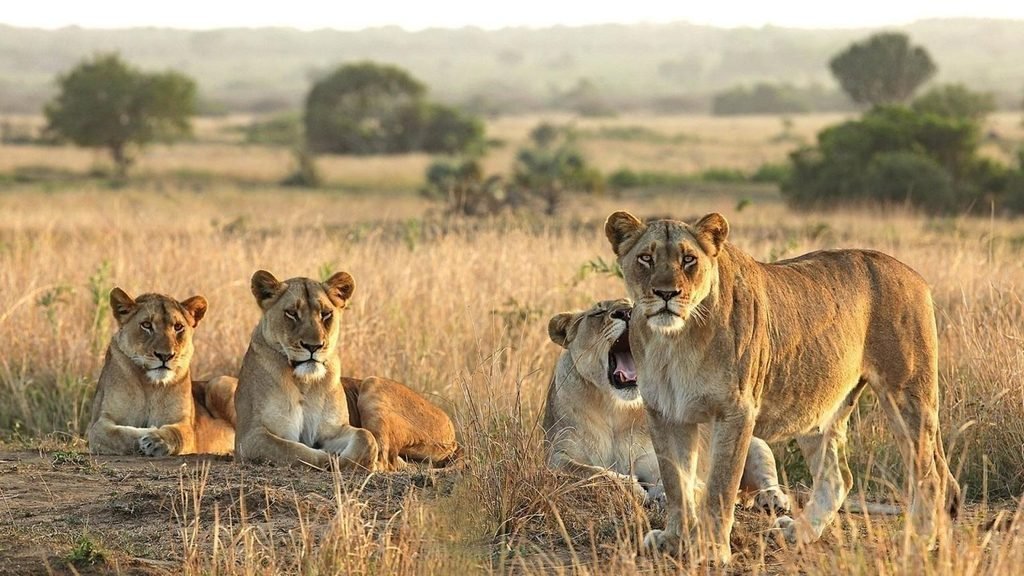
Best Time to Visit Africa’s National Parks in 2027 and 2028
There is no single best month for every safari destination in Africa. East African migration patterns, southern Africa’s dry-season wildlife concentrations, and the Okavango Delta’s flood cycle all follow different seasonal patterns. Travelers should therefore choose their dates according to the specific destination and wildlife experience they want.
In Tanzania, the Serengeti offers wildlife viewing throughout the year, but the location of the Great Migration changes with rainfall and grazing conditions. The southern plains are commonly associated with calving early in the year, while northern Serengeti migration activity is often a focus during the middle and later parts of the dry season. Tarangire is particularly attractive during the drier months when animals gather around water sources.
In southern Africa, the dry season is generally a popular time for wildlife viewing in destinations such as Kruger, Chobe, Etosha, Hwange, and South Luangwa. Reduced vegetation and more concentrated water sources can make animals easier to observe. However, the rainy season can offer greener landscapes, fewer visitors in some areas, and excellent birdwatching.
For 2027 and 2028, these patterns are useful planning guides, but exact rainfall, river crossings, and wildlife movements cannot be predicted so far in advance.
How Many Days Do You Need for an African Safari?
The ideal safari duration depends on the number of parks you want to visit and the distances between them. A three-day safari can provide a good introduction to wildlife viewing, particularly when visiting destinations close to your arrival city. However, a longer itinerary allows more time for game drives and reduces the pressure of traveling between parks.
For northern Tanzania, a five- to seven-day safari is often a practical choice for travelers who want to combine Serengeti, Ngorongoro, and Tarangire. An eight- to ten-day itinerary allows more time in the Serengeti or the addition of Lake Manyara and other destinations. Longer safaris are especially useful for photographers, families who prefer a slower pace, and travelers interested in seasonal wildlife movements.
When comparing itineraries, pay attention to how much time is spent driving between destinations. A package advertised as a six-day safari may include substantial road transfers, while another itinerary of the same length may allow more time inside the parks. A well-balanced safari should provide enough time to enjoy the wildlife rather than focusing only on visiting as many places as possible.
Budget, Mid-Range and Luxury African Safaris
African safaris are available in different comfort categories, from basic camping trips to luxury lodge experiences. Budget safaris generally use simpler accommodation and shared arrangements, while mid-range packages provide more comfortable lodges or tented camps. Luxury safaris may include premium accommodation, private guiding, specialized activities, and fly-in transfers.
The total cost depends on the destination, number of travelers, travel season, accommodation standard, park fees, transport arrangements, and included activities. Some parks have higher conservation fees or more expensive accommodation than others. Remote destinations may also require additional flights or specialized vehicles, which can increase the total price.
For 2027 and 2028, it is better to request a current written quotation than rely on an advertised price from a previous year. Park fees, fuel costs, taxes, and accommodation rates may change before departure. A detailed quotation should explain the total price, included services, excluded expenses, payment arrangements, and cancellation conditions.
What to Pack for an African Wildlife Safari
Packing for a safari is generally straightforward, but the items you bring should match the destination and season. Comfortable lightweight clothing is useful for warm daytime conditions, while a fleece or jacket may be necessary for early morning game drives. Neutral-colored clothing is practical for many safari activities, especially guided walking experiences.
A camera, binoculars, sunscreen, sunglasses, a hat, insect repellent, and comfortable shoes are among the most useful items to bring. Travelers should also carry personal medication, travel documents, insurance details, and suitable charging equipment. If your itinerary includes small aircraft transfers, check luggage weight restrictions before packing.
For photography, a zoom lens can be helpful because wildlife should be observed from a safe distance. Avoid attempting to approach animals for better photographs, and always follow your guide’s instructions. Responsible wildlife viewing protects both visitors and the animals they have traveled to see.
Responsible Safari Travel and Wildlife Conservation
Wildlife tourism can support conservation and local livelihoods when it is managed responsibly. National parks and protected areas require ongoing investment in habitat management, ranger operations, research, and community relationships. Visitors contribute through park fees, accommodation, guiding services, and other tourism activities, although the way benefits are distributed varies between destinations.
During your safari, follow park regulations and respect wildlife viewing distances. Do not feed animals, encourage drivers to leave authorized tracks, or pressure guides to disturb wildlife for photographs. Animals should be allowed to move and behave naturally without interference from visitors.
Choosing an operator that respects park rules, treats staff fairly, and provides accurate information is an important part of responsible travel. A good safari experience should leave you with a better understanding of Africa’s wildlife and the challenges involved in protecting it.
Frequently Asked Questions About African National Parks
1. What is the best national park in Africa for a safari?
Serengeti National Park is one of the strongest choices for a classic African safari because of its wildlife diversity, predators, and the Great Wildebeest Migration. However, the best park depends on your interests.
2. Which African national park is best for first-time visitors?
Serengeti, Kruger, Tarangire, and Amboseli are excellent options to consider, depending on your budget and travel plans.
3. Which national park is best for the Great Migration?
Serengeti National Park in Tanzania and Maasai Mara National Reserve in Kenya are the main destinations associated with the migration.
4. What is the best park in Africa for seeing lions?
Serengeti, Maasai Mara, Kruger, and several other major savannah destinations provide opportunities to observe lions.
5. Which national park has many elephants?
Tarangire, Chobe, Amboseli, and Hwange are particularly well known for their elephants.
6. Which African parks are good for the Big Five?
Kruger, Serengeti, and the Ngorongoro Crater area are popular choices, although sightings of all five species cannot be guaranteed.
7. Is Serengeti better than Maasai Mara?
Both are excellent wildlife destinations. Serengeti offers a much larger park landscape, while Maasai Mara is known for concentrated wildlife viewing and seasonal migration activity.
8. Is Ngorongoro a national park?
No. Ngorongoro is a conservation area, and its crater is one of Tanzania’s major wildlife attractions.
9. Is Maasai Mara a national park?
No. It is officially a national reserve.
10. What is the best time to visit Serengeti?
The Serengeti offers wildlife viewing year-round. The ideal time depends on which stage of the migration or other wildlife activity you want to experience.
11. When is the best time to visit Tarangire?
June to October is generally favorable for observing dry-season wildlife concentrations.
12. What is the best time for Kruger National Park?
The drier months, generally May to September, are often favorable for wildlife viewing.
13. Which African safari destination is best for photography?
Serengeti, Maasai Mara, Amboseli, Etosha, and Chobe all offer excellent photographic opportunities.
14. Which safari destination is best for families?
Northern Tanzania, Kruger, and Amboseli can be good family safari destinations when the itinerary and accommodation are suitable for the children’s ages.
15. Which park is best for a luxury safari?
The Serengeti, Okavango Delta, Maasai Mara conservancies, and private reserves near Kruger offer a range of luxury experiences.
16. Which African national park is best for a budget safari?
Budget options depend on the country and season. Kruger offers self-drive possibilities, while northern Tanzania has camping and group safari options.
17. Can I visit several national parks in one safari?
Yes. Northern Tanzania is particularly suitable for combining Serengeti, Tarangire, Ngorongoro, and Lake Manyara.
18. How many days should I spend on safari in Tanzania?
Five to seven days is a useful starting point for visiting several northern Tanzania wildlife destinations.
19. Can I see the Big Five in one day?
It is possible in some destinations, but there is no guarantee. Wildlife sightings depend on animal movements and conditions.
20. Are African safaris safe?
Safaris can be conducted safely with appropriate planning and professional guidance. Visitors should follow wildlife safety instructions and current travel advice.
21. Can I take children on an African safari?
Yes. Many lodges and safari operators accommodate families, although some activities have minimum age requirements.
22. Do I need travel insurance for a safari?
Comprehensive travel insurance covering medical assistance and relevant safari activities is strongly recommended.
23. How early should I book a 2027 safari?
Booking several months in advance is useful, especially for popular travel periods and sought-after accommodation.
24. Can I book a safari for 2028 now?
You can begin planning and requesting quotations, although exact prices and availability should be confirmed.
25. Can I combine a Tanzania safari with Mount Kilimanjaro or Zanzibar?
Yes. Many travelers combine a northern Tanzania safari with a Kilimanjaro climb or a Zanzibar beach holiday.
Plan Your 2027 or 2028 African Safari with Eddy Tours & Safaris
Africa offers a remarkable variety of wildlife destinations, and the best choice depends on what you want to experience. Serengeti is a leading destination for the Great Wildebeest Migration and predators, Tarangire is known for elephants and baobab trees, while Ngorongoro provides excellent crater wildlife viewing. Elsewhere in Africa, destinations such as Maasai Mara, Kruger, Chobe, Moremi, Etosha, and South Luangwa offer their own distinctive safari experiences.
For travelers visiting Tanzania in 2027 or 2028, combining several northern Tanzania destinations is an excellent way to experience different wildlife habitats within one holiday. A carefully planned itinerary can include the Serengeti’s open plains, Ngorongoro’s crater landscape, and Tarangire’s elephant-rich woodlands, with accommodation and travel arrangements selected according to your budget.
At Eddy Tours & Safaris, we help travelers organize Tanzania wildlife safaris for 2027 and 2028. Whether you are interested in a budget camping safari, a comfortable mid-range itinerary, a private family holiday, or a luxury Serengeti experience, our team can discuss suitable options and prepare a detailed quotation based on your travel plans.
Request Your Tanzania Safari Quotation
Chat with Eddy Tours & Safaris on WhatsApp
Email: sales@eddytours-safaris.com
Contact our team to plan your Tanzania safari with suitable destinations, comfortable travel arrangements, and enough time to enjoy the wildlife experience.