
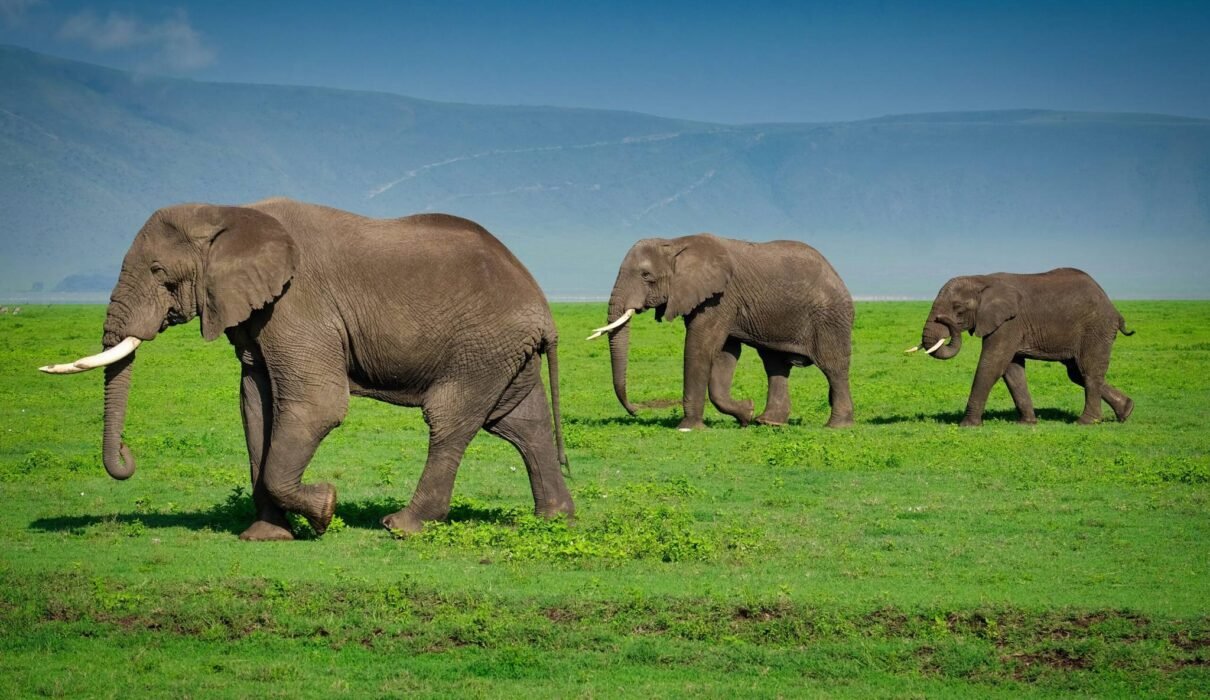
Ngorongoro Travel News 2026 shows clearly that timing and planning now matter more than ever for travelers visiting Tanzania’s famous Ngorongoro Conservation Area. Over the past year, conservation policy changes, visitor regulations, wildlife movement patterns, and climate shifts have reshaped how safaris are planned. For travelers, tour operators, and conservationists alike, understanding these developments is essential for a successful experience inside the crater and surrounding highlands.
Recent research from institutions such as IUCN and WWF highlights how fragile ecosystems like Ngorongoro respond quickly to pressure from tourism and climate variation. At the same time, regional climate data tracked by NASA Climate and environmental monitoring by UNEP confirm that rainfall patterns and seasonal changes are influencing wildlife movement inside the crater more than in previous decades.
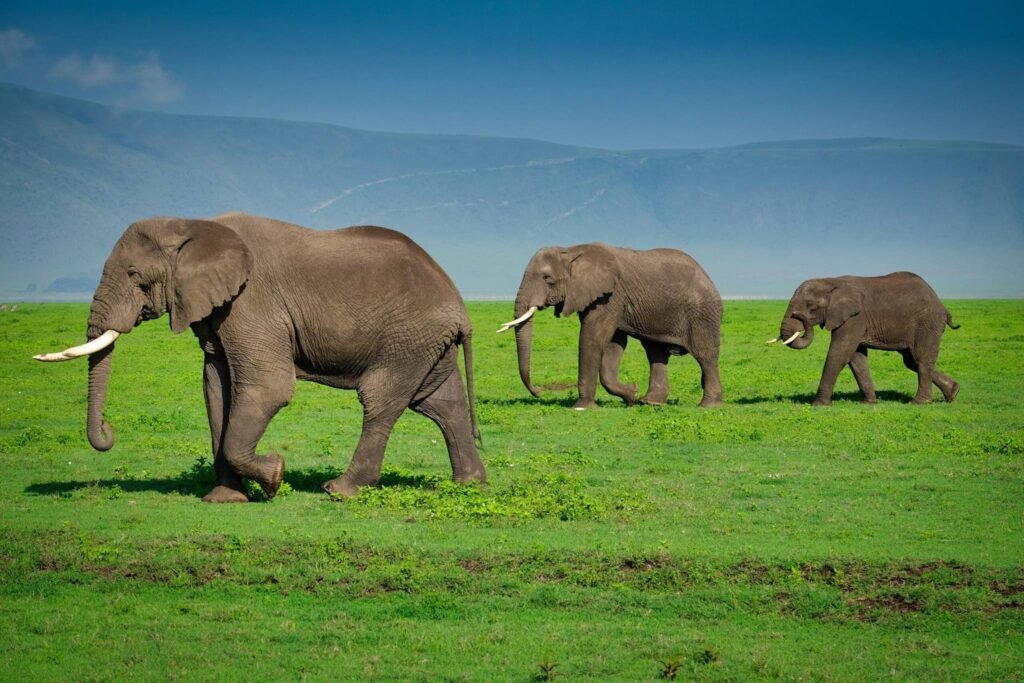
Ngorongoro Travel News 2026 and the Changing Safari Landscape
According to Ngorongoro Travel News 2026, the biggest shift travelers notice is how carefully safaris must now be timed. The Ngorongoro Conservation Area Authority (NCAA) continues to strengthen visitor management systems, while wildlife scientists affiliated with National Geographic Society note that predator–prey dynamics inside the crater are closely tied to seasonal grazing cycles.
Travelers booking through professional operators such as Eddy Tours & Safaris are increasingly advised to secure dates months in advance. Conservation pressure has led to stricter entry controls, especially during peak migration and calving periods.
Visitor Regulations and Conservation Measures in 2026
As highlighted in Ngorongoro Travel News 2026, authorities are focusing heavily on sustainable tourism practices. Studies published by ScienceDirect and biodiversity programs run by Conservation International emphasize limiting vehicle density within sensitive zones.
This means travelers who plan late may struggle to secure preferred entry slots, especially between June and October. Operators increasingly recommend flexible itineraries that include nearby parks like Serengeti or Tarangire, both easily arranged through services such as custom Tanzania safari planning.
Ngorongoro Travel News 2026: Climate Trends Reshaping Wildlife Viewing
Climate analysis from NASA Earth Observatory shows subtle but important rainfall changes across northern Tanzania. These variations affect grass growth, water availability, and grazing patterns, ultimately shaping where animals gather inside the crater.
According to Ngorongoro Travel News 2026, lions and hyenas are being observed closer to water sources during extended dry spells. Meanwhile, herbivores shift their grazing routes depending on rainfall distribution documented by UK Met Office climate tracking initiatives.
Seasonal Wildlife Movements Explained
Field research supported by Nature Research demonstrates that seasonal migration patterns inside Ngorongoro are becoming less predictable. This reinforces why working with experienced safari planners like Ngorongoro safari specialists helps maximize sightings.
Travelers visiting during January and February often witness calving season, supported by ecological studies from African Parks. However, extended rains in recent years have shifted optimal wildlife viewing windows slightly later in the season.
Infrastructure Updates Highlighted in Ngorongoro Travel News 2026
Infrastructure improvements also dominate Ngorongoro Travel News 2026. Road maintenance programs supported by regional development studies from World Bank projects aim to reduce erosion and environmental damage caused by safari vehicles.
Accommodation policies are evolving as well. Environmental standards aligned with frameworks from UNESCO World Heritage Centre ensure lodges maintain strict sustainability practices.
Technology and Visitor Experience
Digital permit systems influenced by global tourism strategies studied by OECD are making park entry more efficient. Travelers planning through platforms like professional safari consultation services benefit from streamlined logistics and updated travel alerts.
Ngorongoro Travel News 2026: Why Timing Matters More Than Ever
The central takeaway from Ngorongoro Travel News 2026 is simple: timing determines the quality of the safari experience. Wildlife concentration varies dramatically month by month, and visitor numbers influence viewing conditions.
Research shared by Fauna & Flora International confirms that early morning and late afternoon remain the best viewing times due to animal behavior patterns linked to temperature and light.
Peak vs Shoulder Season Travel
Peak months (June to October) offer dry conditions and easier wildlife spotting. However, shoulder months such as March and November provide fewer crowds and excellent photographic opportunities, as highlighted by ecological data from Cambridge University Press.
Travelers planning multi-destination itineraries often combine Ngorongoro with Serengeti migration safaris, easily coordinated via Serengeti safari planning.
Planning Strategies Featured in Ngorongoro Travel News 2026
Book Early and Stay Flexible
Experts from World Economic Forum travel reports emphasize booking well in advance while maintaining flexibility to adjust based on weather and wildlife updates.
Choose Responsible Operators
Working with licensed operators ensures compliance with conservation policies supported by Convention on Biological Diversity frameworks.
Understand Altitude and Health Considerations
Medical research from World Health Organization notes that visitors should consider altitude effects, especially those traveling directly from sea level regions.
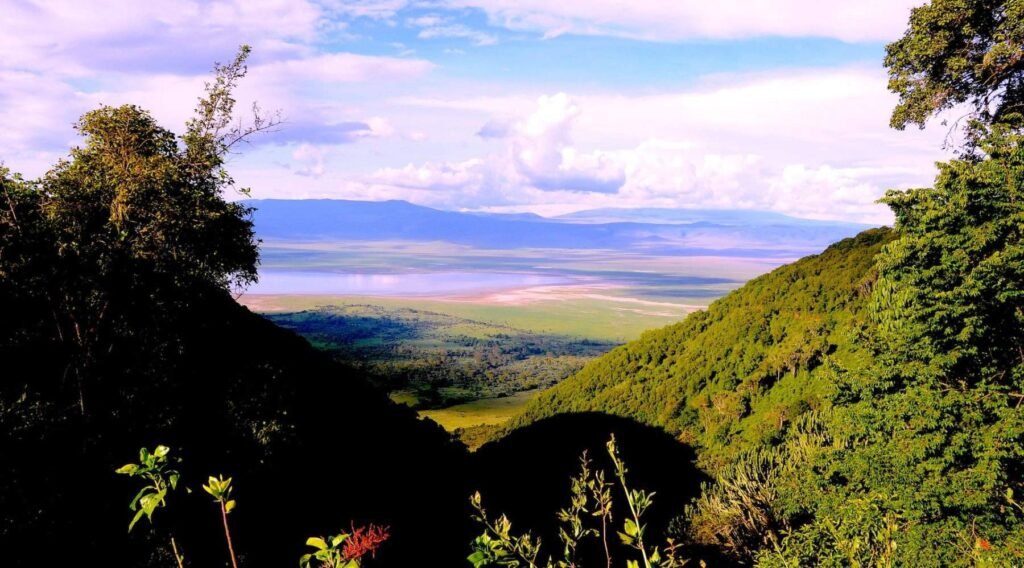
Conservation Perspectives in Ngorongoro Travel News 2026
Conservation remains central in Ngorongoro Travel News 2026. Studies by JSTOR researchers highlight ongoing debates around balancing tourism revenue with environmental protection.
Programs funded by organizations like Rainforest Trust emphasize community involvement, ensuring Maasai communities benefit directly from sustainable tourism initiatives.
Future Outlook for Ngorongoro
Looking ahead, environmental modeling by IPCC suggests continued adaptation will be required to manage tourism sustainably. Travelers who follow Ngorongoro Travel News 2026 updates will stay informed about evolving regulations and conservation priorities.
Conclusion: What Ngorongoro Travel News 2026 Means for Travelers
Ultimately, Ngorongoro Travel News 2026 underscores one message: thoughtful planning leads to a better safari experience. From climate considerations to conservation regulations, every factor now influences travel success.
Travelers who plan carefully, choose experienced operators, and stay informed through credible conservation sources will enjoy one of Africa’s most extraordinary wildlife destinations responsibly and meaningfully.