
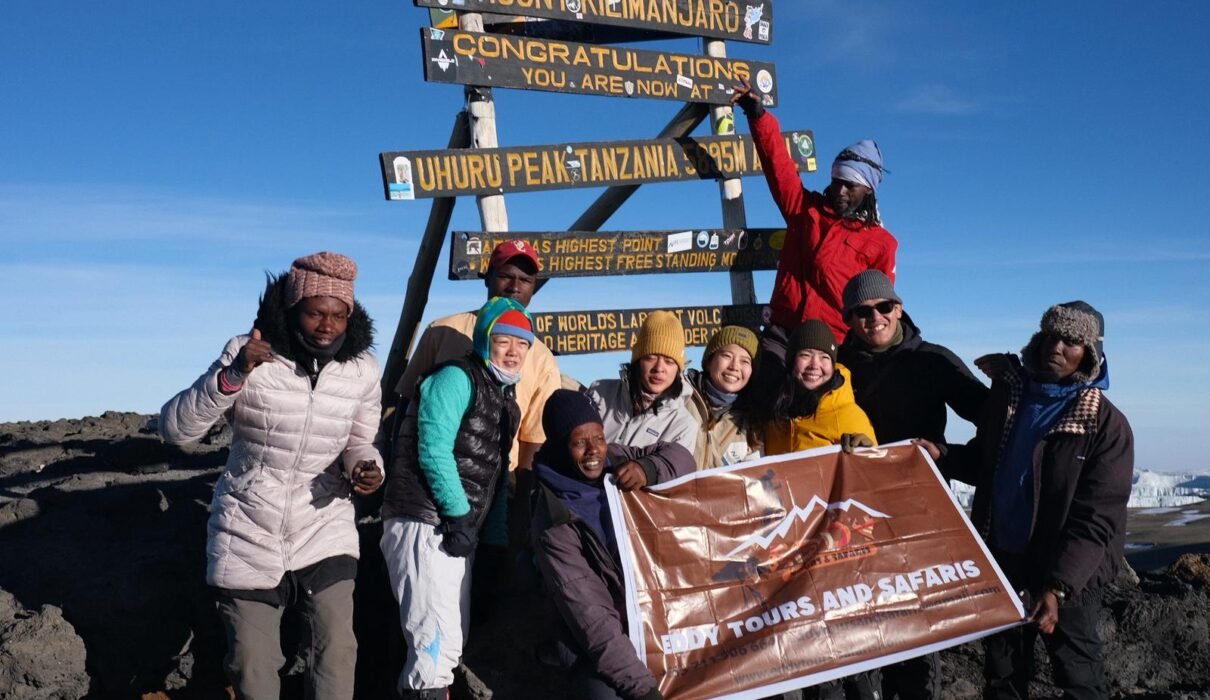
Northern Circuit Route: Longest and Best for Acclimatization is widely respected by professional mountain planners because it gives the human body more time to adapt to altitude than any other established route on Mount Kilimanjaro. For climbers who want to reduce risk, protect their health and improve their overall summit chances, this route offers a carefully balanced journey across remote and environmentally sensitive sections of the mountain.
Instead of rushing upward, the Northern Circuit slowly wraps around the quieter northern slopes of Kilimanjaro, allowing gradual exposure to elevation while offering wide views and less traffic. Many travelers who prepare their climb with experienced local teams such as Eddy Tours & Safaris choose this route because it combines safety, scenery and scientific principles of altitude adaptation in one well-designed itinerary.
Northern Circuit Route: Longest and Best for Acclimatization and why time matters at altitude
When evaluating Northern Circuit Route: Longest and Best for Acclimatization, the most important factor is how the body responds to reduced oxygen. Medical research published by the U.S. National Library of Medicine and summarized in peer-reviewed studies on PubMed confirms that slow ascent significantly improves physiological adaptation to altitude.
Clinical guidance from the Centers for Disease Control and Prevention and the International Society for Mountain Medicine shows that spacing elevation gains over more days reduces the likelihood of acute mountain sickness and improves sleep quality. This is the main scientific reason the Northern Circuit consistently delivers better acclimatization outcomes than shorter routes.
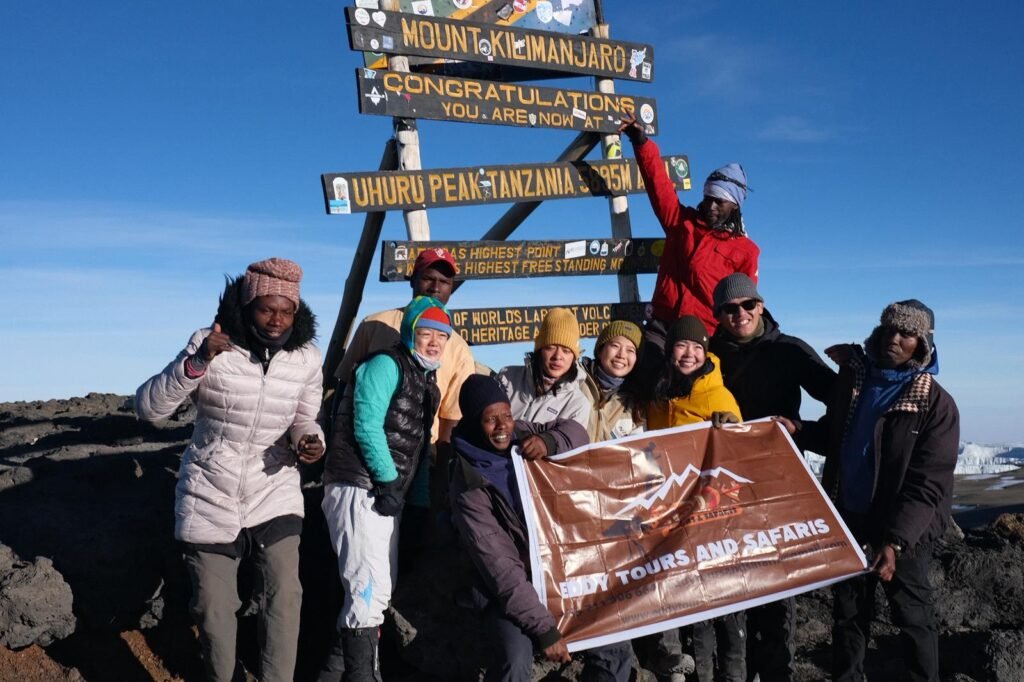
Northern Circuit Route: Longest and Best for Acclimatization through route design
The structure of Northern Circuit Route: Longest and Best for Acclimatization follows outdoor expedition standards developed by professional leadership institutions. Research and training frameworks promoted by the National Outdoor Leadership School emphasize progressive daily effort, controlled ascent and active recovery days to reduce fatigue and improve decision-making in high-risk environments.
Mountaineering safety standards published by the International Climbing and Mountaineering Federation also recommend limiting daily altitude gain whenever possible. The Northern Circuit naturally supports these principles by distributing elevation increases over a longer period while maintaining stable daily walking distances.
Northern Circuit Route: Longest and Best for Acclimatization and climate exposure
Another important part of Northern Circuit Route: Longest and Best for Acclimatization is how it reduces prolonged exposure to extreme weather stress during early stages of the climb. Climate research from NASA Climate and mountain climate assessments produced by the Intergovernmental Panel on Climate Change show that temperature, wind and radiation intensity increase rapidly with altitude.
Environmental monitoring coordinated through the United Nations Environment Programme confirms that gradual altitude exposure supports hydration management and energy balance. By staying longer at intermediate elevations, climbers maintain better thermal regulation and avoid early exhaustion that often undermines summit success.
Northern Circuit Route: Longest and Best for Acclimatization and fragile ecosystems
Understanding Northern Circuit Route: Longest and Best for Acclimatization also requires understanding its role in environmental protection. The northern slopes of Kilimanjaro pass through sensitive alpine and sub-alpine habitats. Conservation guidance published by the International Union for Conservation of Nature and biodiversity research coordinated by the Intergovernmental Science-Policy Platform on Biodiversity and Ecosystem Services show that lower visitor concentration reduces erosion and vegetation damage.
Wildlife and landscape protection organisations such as the World Wide Fund for Nature, the African Wildlife Foundation and the Conservation International highlight that dispersing tourism pressure helps preserve ecological integrity along mountain corridors.
Northern Circuit Route: Longest and Best for Acclimatization and geological stability
The geological character of Northern Circuit Route: Longest and Best for Acclimatization offers additional operational advantages. Geological mapping and landform studies published by the United States Geological Survey show that stable volcanic terrain reduces rockfall risk and improves trail durability.
Environmental field studies supported by the National Geographic Society confirm that carefully managed access routes protect fragile crater slopes and reduce soil displacement in high-altitude environments.
Northern Circuit Route: Longest and Best for Acclimatization and medical preparedness
Medical readiness is a critical advantage of Northern Circuit Route: Longest and Best for Acclimatization. Clinical recommendations published by Johns Hopkins Medicine and the Cleveland Clinic emphasize early symptom monitoring and conservative pacing at altitude.
Emergency response systems promoted by the International Federation of Red Cross and Red Crescent Societies support well-structured evacuation and communication procedures. Longer itineraries allow guides to detect problems early and intervene before conditions escalate.
Northern Circuit Route: Longest and Best for Acclimatization for first-time climbers
For beginners, Northern Circuit Route: Longest and Best for Acclimatization provides psychological and physical comfort that short routes cannot match. Public health research supported by the Harvard T.H. Chan School of Public Health and performance studies published in Frontiers in Physiology show that stress reduction and proper recovery improve overall endurance and cognitive function.
More rest days also allow climbers to build confidence gradually, reducing fear and anxiety associated with rapid elevation gain and unfamiliar mountain environments.
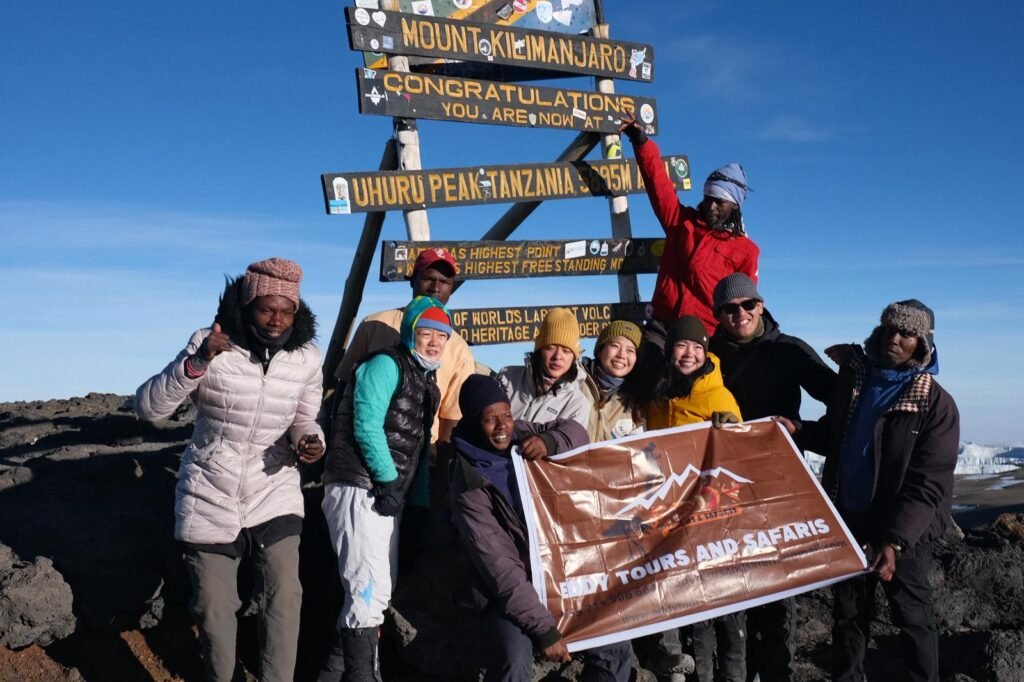
Northern Circuit Route: Longest and Best for Acclimatization and porter welfare
Ethical operations strongly support the reputation of Northern Circuit Route: Longest and Best for Acclimatization. Labour protection standards promoted by the International Labour Organization and social protection initiatives supported by Oxfam International show that fair working conditions improve team performance and safety communication.
Well-rested and properly equipped mountain crews maintain higher alertness and stronger situational awareness throughout the climb, especially during difficult weather or long summit days.
Northern Circuit Route: Longest and Best for Acclimatization and scientific collaboration
Scientific field research benefits directly from controlled access along Northern Circuit Route: Longest and Best for Acclimatization. Environmental and climate studies published through ScienceDirect and conservation research presented by the Wildlife Conservation Society rely on stable infrastructure and regulated visitor flow.
Long-term ecosystem monitoring programs coordinated through Nature Research and Frontiers in Environmental Science also benefit when trekking routes minimise disturbance and waste accumulation.
Northern Circuit Route: Longest and Best for Acclimatization and professional planning
Professional itinerary design is essential when selecting Northern Circuit Route: Longest and Best for Acclimatization. Risk-reduction frameworks published by the World Bank Disaster Risk Management programme and academic field studies coordinated by the University of Oxford research networks demonstrate how structured movement and trained supervision reduce incidents in complex environments.
Many climbers therefore choose professionally planned itineraries offered through Kilimanjaro climbing programs that respect both safety standards and environmental limits.
Northern Circuit Route: Longest and Best for Acclimatization and overall success
In practice, Northern Circuit Route: Longest and Best for Acclimatization delivers higher comfort, better health outcomes and improved mental stability during summit preparation. Longer exposure at moderate elevations allows natural physiological adaptation to occur without forcing the body into emergency responses.
Climbers seeking a calm and well-structured adventure often explore tailored route options through local Tanzania travel specialists who understand daily mountain conditions and ethical field operations.
Northern Circuit Route: Longest and Best for Acclimatization and your personal journey
Choosing Northern Circuit Route: Longest and Best for Acclimatization is a decision about respect for your body, the mountain and the people who support your climb. It allows you to walk with patience, learn about fragile alpine ecosystems and build confidence gradually as you approach the summit.
For honest advice, flexible scheduling and responsible mountain practice, you can speak directly with experienced local planners through personal climbing consultation support. A carefully prepared Northern Circuit journey transforms Kilimanjaro from a rushed challenge into a meaningful and safe high-altitude experience.