
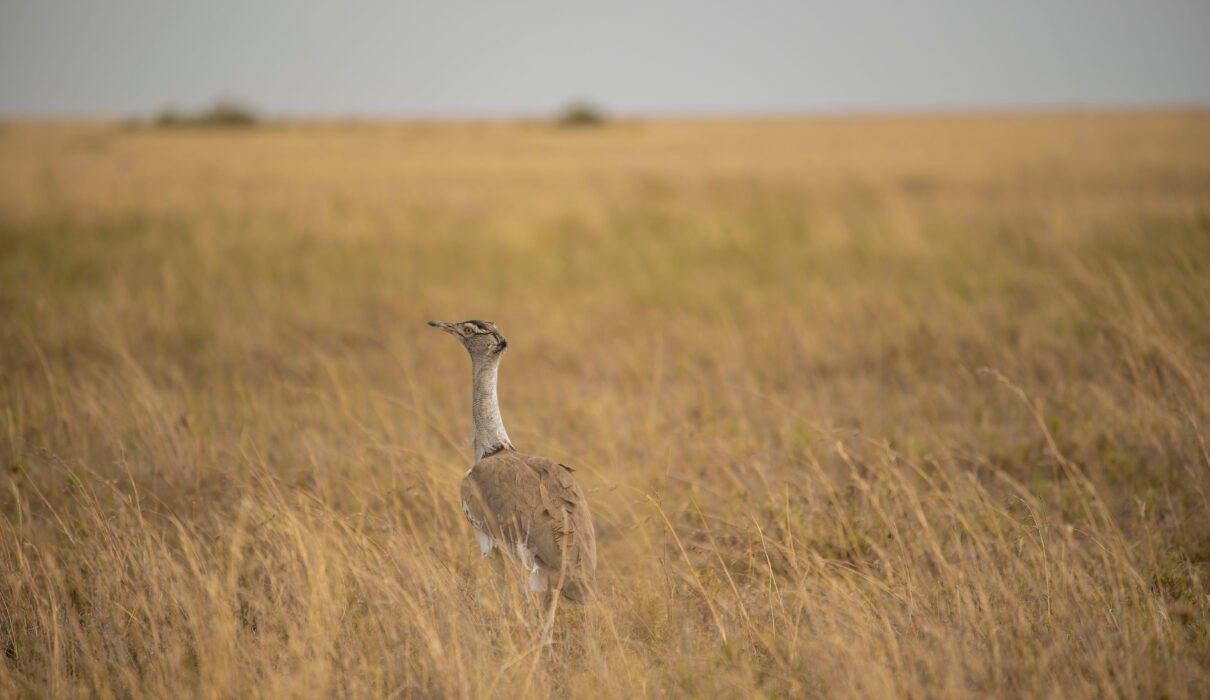
Northern Tanzania Birdwatching Hotspots: An Overview is written for travelers and nature lovers who want to experience East Africa through birds, habitats, and conservation stories rather than only big mammals. Northern Tanzania is one of the richest bird regions in Africa, where savannah, forest, alkaline lakes, highland wetlands and volcanic landscapes meet within a short distance, creating exceptional conditions for both resident and migratory bird species.
This overview explains why this part of Tanzania attracts serious birders, researchers and conservation organisations from around the world. It also shows how a well-planned birding safari, guided by experienced local teams such as Eddy Tours & Safaris, can give you deeper access to key habitats while supporting wildlife protection and local communities.
Northern Tanzania Birdwatching Hotspots: An Overview of global conservation importance
Any serious Northern Tanzania Birdwatching Hotspots: An Overview must begin with the global importance of this landscape for biodiversity. Northern Tanzania lies within several internationally recognised conservation zones and bird areas supported by organisations such as BirdLife International and the International Union for Conservation of Nature. These organisations confirm that the region protects rare habitats for waterbirds, raptors, forest specialists and migratory species moving along the African–Eurasian flyway.
Large-scale ecosystem protection in this region is also supported by the World Wide Fund for Nature, the African Wildlife Foundation and the Wildlife Conservation Society, all of which highlight northern Tanzania as a priority landscape where wildlife tourism, conservation and community development must work together.
Northern Tanzania Birdwatching Hotspots: An Overview of major birding landscapes
A clear Northern Tanzania Birdwatching Hotspots: An Overview shows that the region is defined by habitat diversity rather than one single park. Highland forests, acacia woodlands, crater lakes, soda lakes and open grasslands exist side by side. Global habitat mapping and ecosystem monitoring from the United Nations Environment Programme and biodiversity assessments coordinated by IPBES explain how such landscape diversity allows very different bird communities to survive in close proximity.
Long-term biological data platforms such as the Global Biodiversity Information Facility confirm that northern Tanzania contains exceptionally high bird observation records, reflecting both species richness and international scientific interest.
Northern Tanzania Birdwatching Hotspots: An Overview of alkaline lakes and waterbird systems
One of the strongest highlights in any Northern Tanzania Birdwatching Hotspots: An Overview is the chain of alkaline and freshwater lakes scattered across the Rift Valley. These lakes support flamingos, pelicans, stilts, avocets, grebes and migratory shorebirds. Scientific waterbird research published by the Cornell Lab of Ornithology and field observation networks such as eBird consistently identify northern Tanzania as one of the most productive birding regions in East Africa.
Wetland conservation priorities promoted by the British Trust for Ornithology and the Royal Society for the Protection of Birds emphasize that lake systems in East Africa play a critical role for migratory species that depend on safe resting and feeding grounds.
Northern Tanzania Birdwatching Hotspots: An Overview of forest and highland specialists
A balanced Northern Tanzania Birdwatching Hotspots: An Overview must also focus on montane and sub-montane forests, where many localized and sensitive species occur. Highland forest conservation studies supported by Conservation International and the Nature Conservancy show that forest fragmentation directly affects breeding success for many endemic and near-endemic birds.
Research networks publishing through Nature Research and ScienceDirect demonstrate that forest birds are often the first indicators of ecological stress caused by agriculture expansion, fuelwood collection and climate variability.
Northern Tanzania Birdwatching Hotspots: An Overview of grassland and savannah birdlife
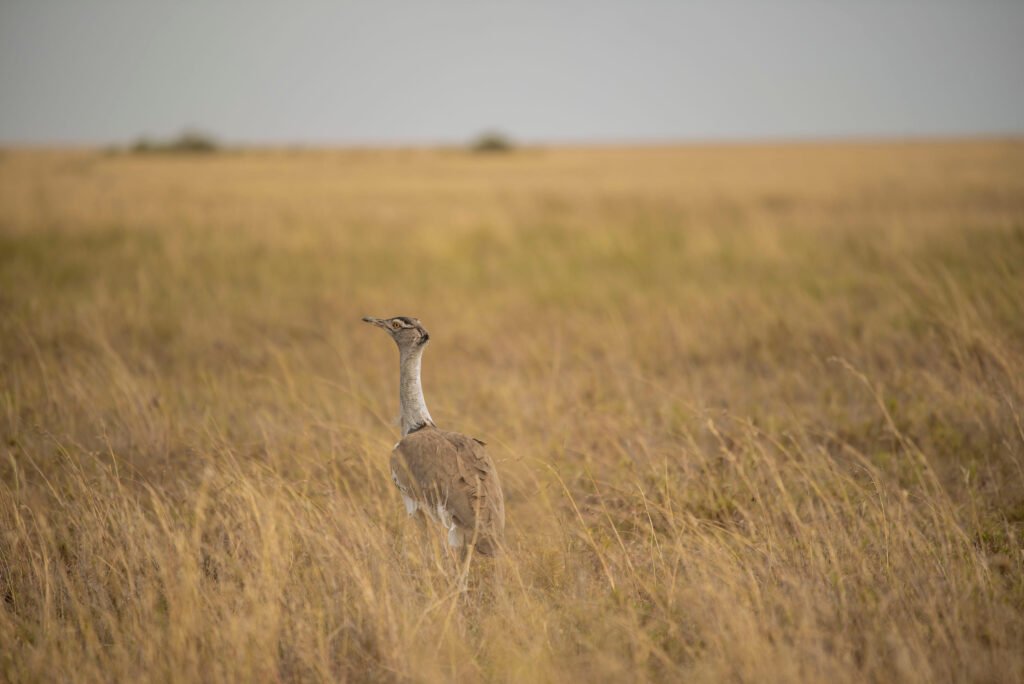
Beyond forests and lakes, a complete Northern Tanzania Birdwatching Hotspots: An Overview must include open grasslands and acacia savannah. These habitats support bustards, larks, secretary birds, rollers and a wide range of raptors. Habitat and land-use research coordinated by the Food and Agriculture Organization highlights how grazing systems and land management directly shape bird diversity across African rangelands.
Satellite-based land-cover and vegetation studies from the United States Geological Survey provide strong evidence that intact savannah mosaics support far greater bird species richness than highly converted agricultural landscapes.
Northern Tanzania Birdwatching Hotspots: An Overview of climate influence on bird movements
Climate patterns play a growing role in any realistic Northern Tanzania Birdwatching Hotspots: An Overview. Seasonal rainfall controls breeding cycles, insect abundance and wetland productivity. Climate data produced by NASA Earth Science and global assessments published by the Intergovernmental Panel on Climate Change show that shifting rainfall timing and temperature patterns are already influencing migration behaviour and breeding success.
Bird monitoring programs increasingly rely on long-term climate-linked datasets to understand how changing conditions affect African flyways and stopover sites.
Northern Tanzania Birdwatching Hotspots: An Overview of cultural and community landscapes
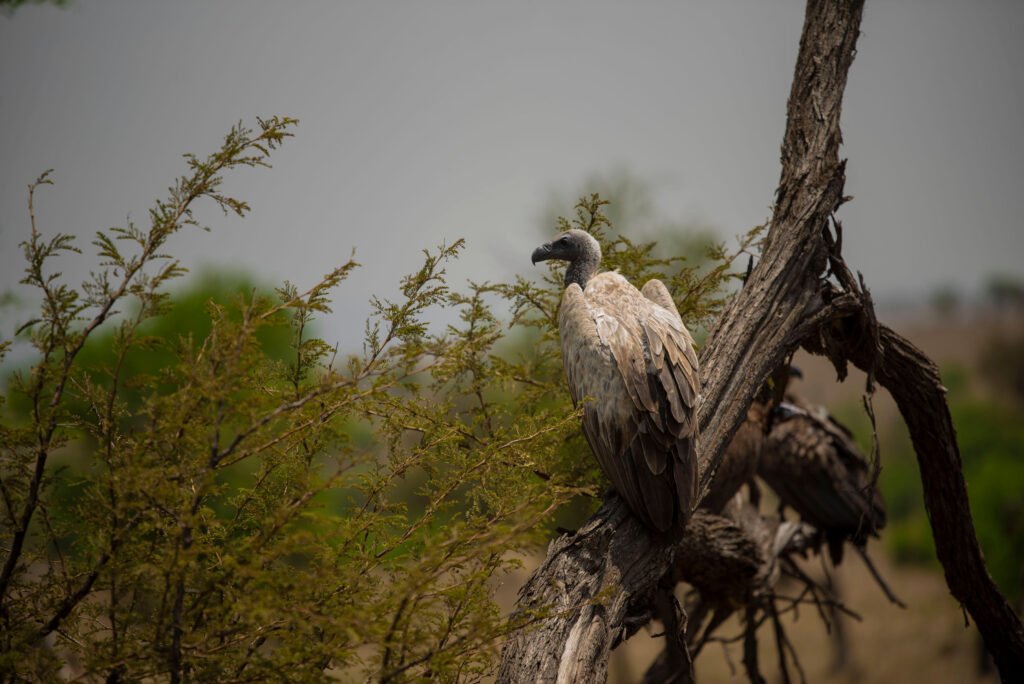
An honest Northern Tanzania Birdwatching Hotspots: An Overview also recognises that many prime bird habitats exist within community lands rather than strictly protected parks. Cultural landscape and heritage frameworks promoted by UNESCO and social research supported by Harvard University research programmes explain how traditional land-use practices can coexist with wildlife conservation when managed carefully.
Community participation strengthens conservation outcomes because local people benefit directly from guiding, accommodation services and cultural interpretation linked to responsible bird tourism.
Northern Tanzania Birdwatching Hotspots: An Overview of responsible birding practices
Ethical birding is central to any credible Northern Tanzania Birdwatching Hotspots: An Overview. Codes of conduct promoted by global conservation organisations stress minimizing disturbance during breeding seasons, maintaining safe viewing distances and avoiding excessive playback that may disrupt territorial behaviour.
Educational initiatives supported by the National Geographic Society continue to demonstrate how well-informed visitors contribute positively to conservation by becoming advocates for habitat protection after their travels.
Northern Tanzania Birdwatching Hotspots: An Overview and scientific monitoring value
Many birding areas described in this Northern Tanzania Birdwatching Hotspots: An Overview also serve as long-term research sites. International biodiversity research programmes and regional monitoring initiatives help track population trends, habitat quality and disease risk in bird communities.
Open data platforms and collaborative research networks allow scientists, guides and conservation managers to share field observations and improve habitat management strategies over time.
Northern Tanzania Birdwatching Hotspots: An Overview for visiting birders
For visitors, a well-designed Northern Tanzania Birdwatching Hotspots: An Overview highlights the importance of slow travel, flexible schedules and experienced interpretation. Bird activity varies by time of day, weather conditions and seasonal habitat use, so rushed itineraries rarely deliver meaningful birding results.
You can explore carefully planned bird-focused and nature itineraries through responsible Tanzania safari programs that allow enough time in key habitats and work closely with knowledgeable local guides.
Northern Tanzania Birdwatching Hotspots: An Overview and professional guiding
Local expertise adds enormous value to any Northern Tanzania Birdwatching Hotspots: An Overview. Skilled Tanzanian bird guides understand calls, flight patterns, micro-habitats and seasonal movements that are difficult for visitors to recognize without training.
For travellers who want personalised planning and habitat-focused routes, professional assistance is available through local birding and safari consultation support.
Northern Tanzania Birdwatching Hotspots: An Overview and combined wildlife experiences
Birdwatching in northern Tanzania naturally blends with wider wildlife experiences. Many birders also enjoy observing large mammals, landscapes and cultural activities, provided these experiences follow conservation standards.
Integrated wildlife journeys can be arranged through responsible adventure and nature programs that combine birding, scenic exploration and environmental awareness in a single trip.
Northern Tanzania Birdwatching Hotspots: An Overview and why local operators matter
Local operators play a critical role in ensuring that bird tourism directly benefits conservation and communities. A trusted local company understands sensitive breeding zones, seasonal access rules and park regulations better than distant resellers.
Working with professionals based in Tanzania strengthens conservation partnerships and improves the quality of your birding experience while supporting local employment and education.
Northern Tanzania Birdwatching Hotspots: An Overview – a final reflection
This Northern Tanzania Birdwatching Hotspots: An Overview shows that northern Tanzania is not only a destination for classic safari imagery but also one of Africa’s most rewarding regions for serious bird observation and conservation learning. From alkaline lakes to montane forests and open savannahs, the diversity of habitats offers exceptional opportunities to understand birds as part of wider ecological systems.
By choosing responsible operators, respecting conservation guidelines and supporting community-based tourism, your birdwatching journey becomes more than a personal adventure. It becomes a meaningful contribution to the protection of one of Africa’s most remarkable natural landscapes.