
Ol Doinyo Lengai Expedition Report reveals a raw, untamed side of Tanzania that few travelers ever witness. Rising dramatically above the Great Rift Valley, this sacred Maasai mountain is the only active volcano in the world that erupts natrocarbonatite lava. That rare geological identity alone makes it one of the most scientifically fascinating and visually striking peaks on the African continent. This detailed narrative captures the terrain, the climb, the wildlife, and the cultural heartbeat surrounding this extraordinary volcano.
Known locally as the “Mountain of God,” Ol Doinyo Lengai stands near Lake Natron in northern Tanzania. Unlike traditional safari routes, this expedition demands endurance, preparation, and a deep respect for nature. For travelers planning extended adventures, combining this climb with curated itineraries from Eddy Tours & Safaris allows seamless exploration across Tanzania’s most iconic landscapes.
Why the Ol Doinyo Lengai Expedition Report Matters for Modern Explorers
The Ol Doinyo Lengai Expedition Report matters because it documents an experience that blends geology, conservation, and authentic African culture in one demanding ascent. According to the Smithsonian Global Volcanism Program, Ol Doinyo Lengai is globally unique due to its cool, fast-flowing lava composition. Scientific institutions such as USGS and NASA continue to monitor volcanic activity across the Rift Valley, emphasizing the mountain’s geological importance.
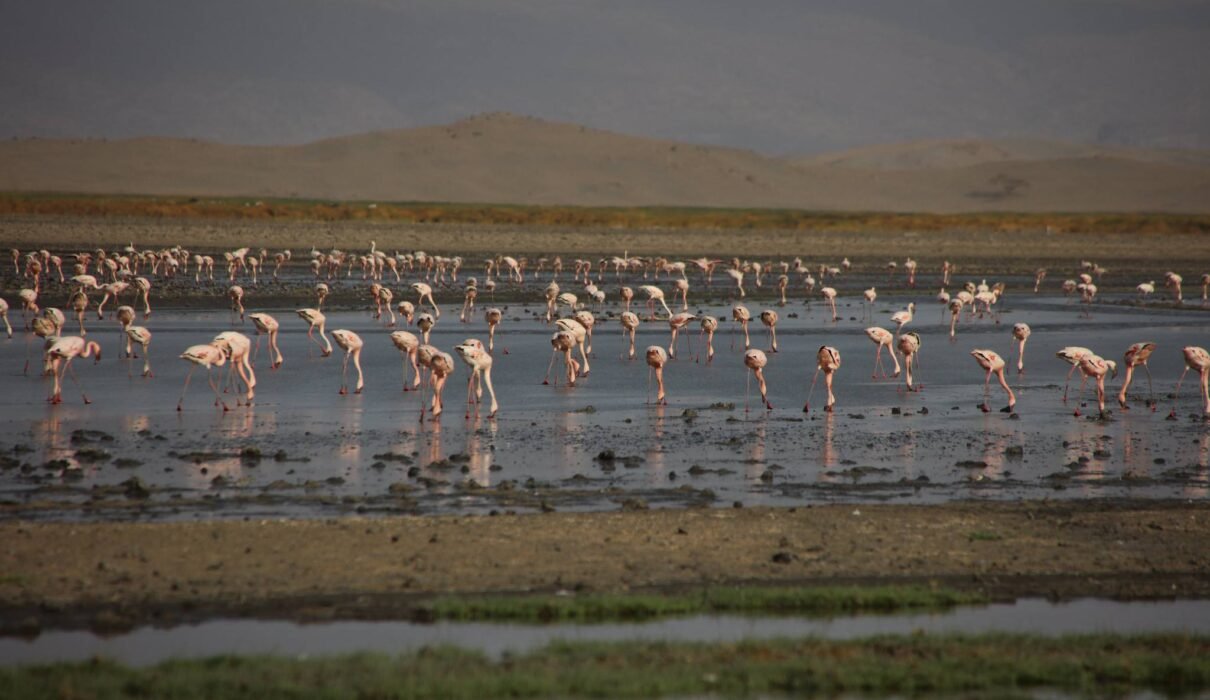
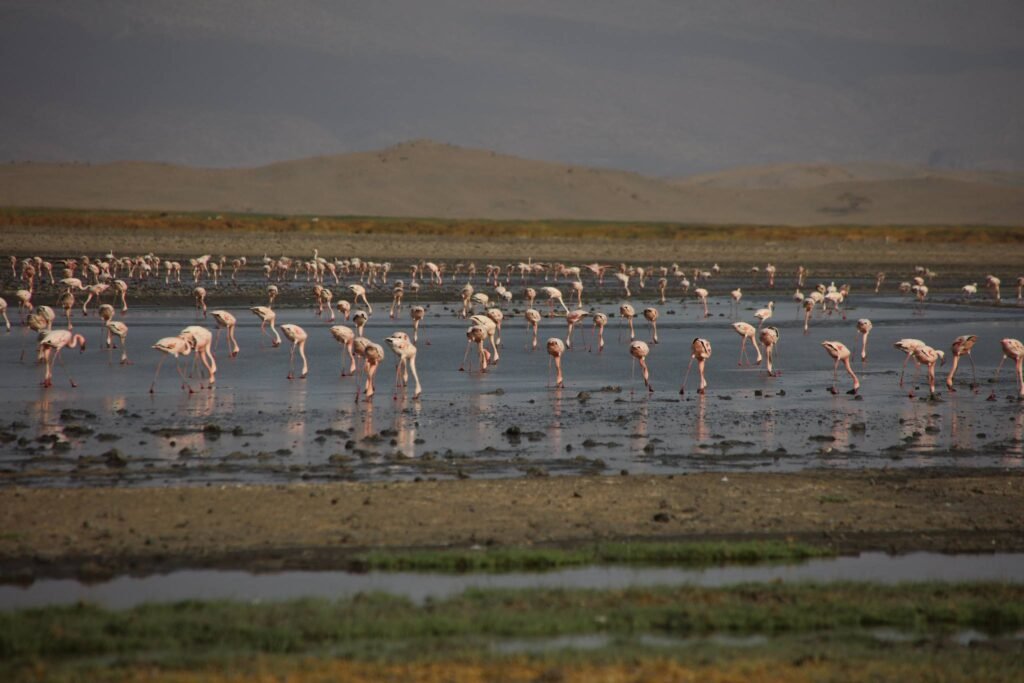
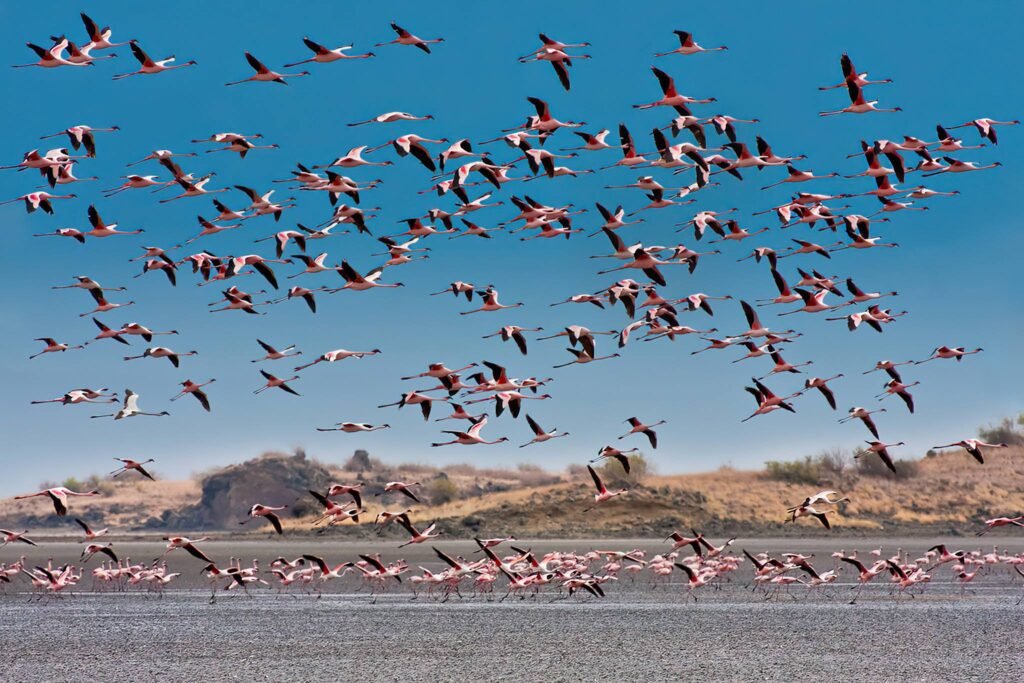
This volcano is not just a climbing challenge; it is part of a fragile ecosystem recognized by organizations like UNEP and IUCN for its environmental value. The surrounding Lake Natron basin supports lesser flamingos and other migratory birds studied by conservation groups including WWF and Conservation International. Reading this account provides insight into why responsible travel is critical in such sensitive landscapes.
Geological Setting Behind the Ol Doinyo Lengai Expedition Report
The Ol Doinyo Lengai Expedition Report highlights the volcano’s position within the East African Rift System, one of the most significant tectonic features on Earth. Research published by platforms such as Nature and ScienceDirect explains how tectonic plates gradually pull apart in this region, allowing magma to rise toward the surface. This geological tension shapes the dramatic escarpments and alkaline lakes that define northern Tanzania.
Unlike typical stratovolcanoes, Ol Doinyo Lengai produces lava rich in sodium and potassium carbonates. The lava appears dark when molten but turns pale white once cooled, creating an almost lunar landscape near the summit. Educational resources from Encyclopaedia Britannica and research supported by the American Museum of Natural History provide further explanation of this rare volcanic chemistry. This geological uniqueness elevates the climb from a physical challenge to a living science lesson.
Climbing Experience in the Ol Doinyo Lengai Expedition Report
The Ol Doinyo Lengai Expedition Report describes a demanding overnight ascent that begins close to midnight to avoid extreme daytime heat. The trail is steep, loose, and physically taxing, with gradients that require steady pacing and mental resilience. Climbers often rely on experienced local guides who understand the shifting volcanic terrain and sudden weather changes common in the Rift Valley corridor.
As documented in the Ol Doinyo Lengai Expedition Report, the final approach to the crater is both thrilling and humbling. At dawn, the horizon reveals Lake Natron glowing below, while distant silhouettes of the Ngorongoro Highlands stretch across the skyline. Many adventurers pair this trek with wildlife safaris such as the Ngorongoro Crater Safari or extended journeys through the Serengeti Safari, creating a well-rounded Tanzanian expedition.
Wildlife and Conservation Observations in the Ol Doinyo Lengai Expedition Report
The Ol Doinyo Lengai Expedition Report emphasizes that this region is far more than volcanic rock and ash. Lake Natron serves as a breeding ground for lesser flamingos, a phenomenon studied by experts connected to African Parks and Tanzania’s official conservation authority at Tanzania National Parks. The alkaline waters create a protective environment for these birds, though climate patterns discussed by the IPCC influence long-term ecological stability.
Environmental and public health considerations, including water quality and ecosystem resilience, are frequently highlighted by the World Health Organization and the Environmental Protection Agency. The Ol Doinyo Lengai Expedition Report reinforces the idea that adventure tourism must align with global sustainability principles promoted by the United Nations and development initiatives discussed by the World Bank.
Cultural Encounters Highlighted in the Ol Doinyo Lengai Expedition Report
The Ol Doinyo Lengai Expedition Report would be incomplete without acknowledging the Maasai communities who consider this volcano sacred. The Maasai pastoral lifestyle has endured for generations, rooted in livestock herding and strong communal traditions. Cultural preservation aligns with frameworks supported by UNESCO and global heritage discussions featured by National Geographic.
In conversations documented within the Ol Doinyo Lengai Expedition Report, local guides explain how the mountain’s eruptions are viewed through spiritual and ancestral narratives. Respecting these beliefs is not optional; it is central to ethical travel. Visitors who extend their journeys through broader Tanzania safari packages gain deeper cultural immersion while contributing directly to community-based tourism initiatives.
Safety Lessons from the Ol Doinyo Lengai Expedition Report
The Ol Doinyo Lengai Expedition Report underlines the importance of preparation, hydration, and proper gear. The climb involves loose volcanic ash, sharp rocks, and high exposure to sun and wind. Emergency planning frameworks promoted through humanitarian platforms like ReliefWeb offer insight into risk awareness and response strategies in remote environments.
Travelers are encouraged to consult reputable operators and maintain communication access when possible. Even simple planning tools such as mapping services found on Google can assist with logistical coordination. For those combining volcanic trekking with mountain climbing elsewhere in Tanzania, insights from Kilimanjaro Climb Specialist help reinforce altitude safety principles that apply across East African peaks.
Environmental Responsibility and the Ol Doinyo Lengai Expedition Report
The Ol Doinyo Lengai Expedition Report ultimately serves as a reminder that exploration must never compromise ecological balance. Sustainable travel principles outlined by the Food and Agriculture Organization stress land stewardship and responsible resource management in fragile regions. Visitors are encouraged to follow strict leave-no-trace practices, respect wildlife breeding zones, and minimize waste in arid landscapes where recovery takes time.
For those inspired to undertake this remarkable climb, professional guidance ensures both safety and conservation alignment. Direct communication through Eddy Tours & Safaris Contact Page allows customized planning that integrates volcanic trekking, wildlife viewing, and cultural encounters into one seamless itinerary.
Conclusion: A Transformative Volcanic Journey
This detailed account captures the scientific rarity, cultural depth, and physical intensity of one of Africa’s most extraordinary mountains. From tectonic forces shaping the Rift Valley to flamingos thriving in alkaline waters, every step of the journey reveals interconnected systems of nature and humanity. The climb is demanding, yet profoundly rewarding for those prepared to embrace its challenges. Standing at the crater rim at sunrise, watching steam rise from the Earth’s crust, leaves an imprint that lasts far beyond the descent.