
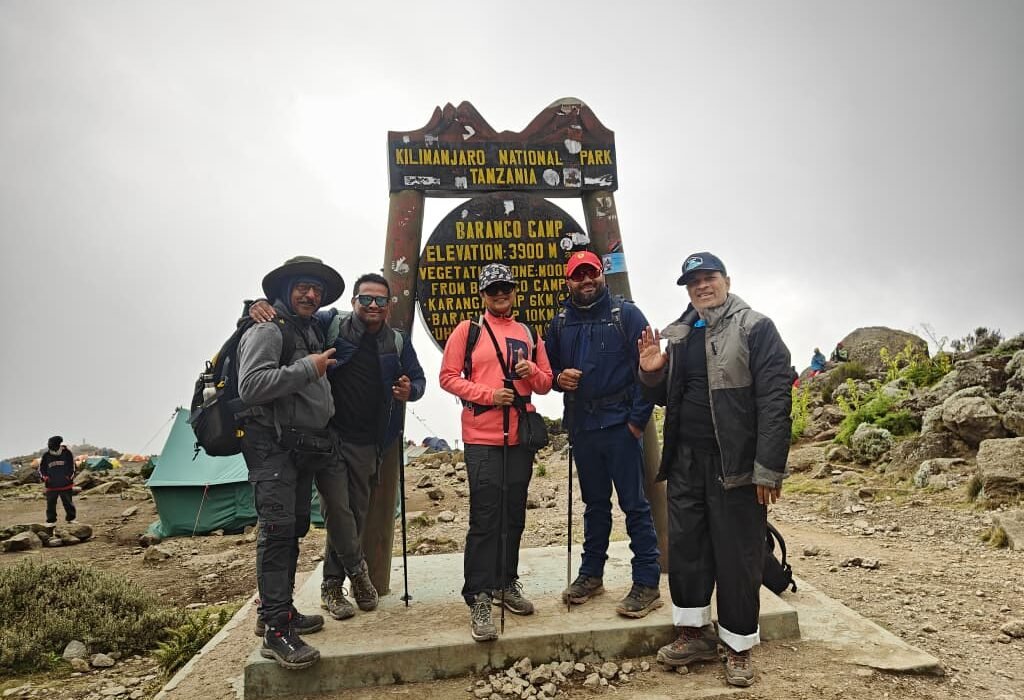
Planning your Kilimanjaro climb properly is the single most important step to reaching the summit safely and enjoying the entire experience.
This guide is written for travelers booking with Eddy Tours and Safaris and explains, in simple and clear language, what you really need to prepare before climbing Mount Kilimanjaro in Tanzania.
Whether this is your first high-altitude trek or not, the steps below will help you plan your Kilimanjaro climb with confidence.
1. Understand what climbing Kilimanjaro really means
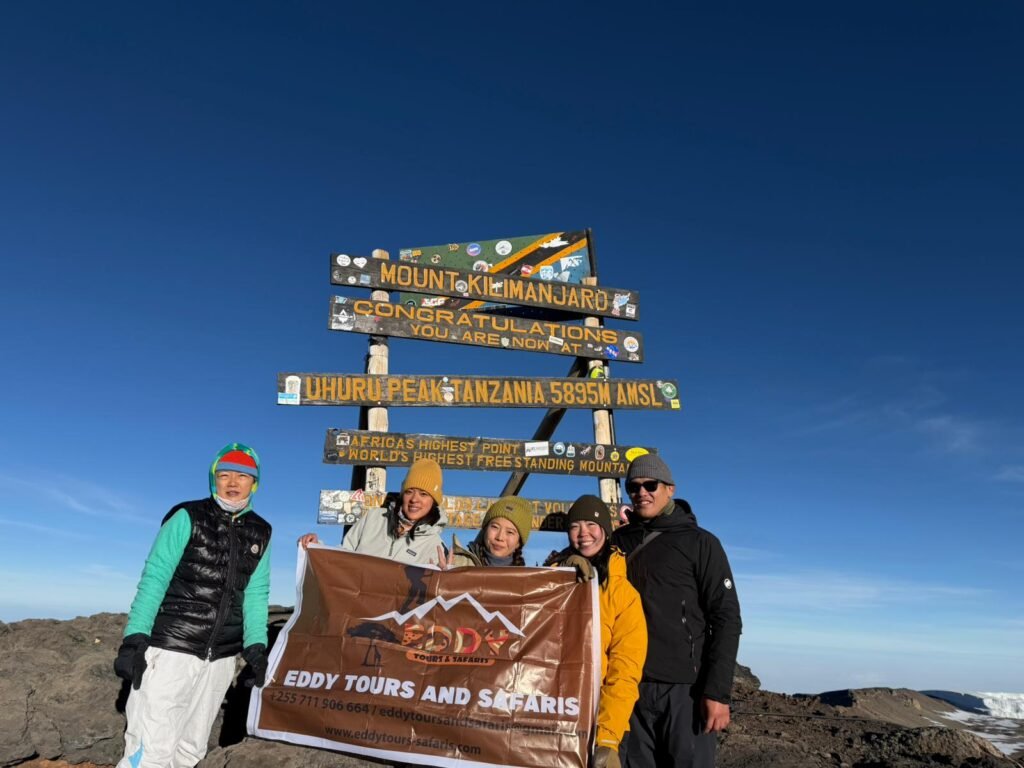
Kilimanjaro is Africa’s highest mountain and the summit is Uhuru Peak.
It is a long multi-day hike inside Kilimanjaro National Park, not a technical mountaineering climb.
You do not need ropes or climbing experience, but you must be prepared for:
- long walking days
- cold temperatures near the summit
- high altitude
This is why proper planning your Kilimanjaro climb is essential.
2. Choose the right route for your ability
Different routes have different success rates, scenery and crowd levels.
The most popular routes include:
- Machame Route – scenic and well balanced
- Marangu Route – hut accommodation
- Lemosho Route – quiet and very good for acclimatization
- Rongai Route – drier and less crowded
- Umbwe Route – steep and demanding
When planning your Kilimanjaro climb, your route should match your fitness and your available days.
Eddy Tours and Safaris will help you choose the most suitable route based on your experience.
3. Select enough days for good acclimatization
More days on the mountain gives your body more time to adjust to altitude.
Short itineraries increase the risk of altitude sickness and reduce your chance of reaching the summit.
A safe plan for planning your Kilimanjaro climb should always prioritize:
- slow ascent
- extra acclimatization days
- proper pacing
4. Know the physical preparation needed
You do not need to be an athlete.
However, you should be comfortable with:
- walking 5–8 hours per day
- hiking uphill with a small day pack
- cold and windy conditions near the summit
Simple preparation before your trip:
- regular walking or hiking
- light strength training for legs
- stair climbing
This makes planning your Kilimanjaro climb much safer and more enjoyable.
5. Learn about altitude and health safety
Altitude affects everyone differently.
Common signs include:
- headache
- loss of appetite
- tiredness
- mild dizziness
Good operators (like Eddy Tours and Safaris) monitor climbers daily using:
- oxygen saturation checks
- health interviews
- trained mountain guides
Never hide symptoms.
Your safety is always more important than reaching the top.
6. Understand the best general climbing seasons
Kilimanjaro can be climbed throughout the year.
When planning your Kilimanjaro climb, you should understand that:
- some months are wetter
- some months are colder
- visibility can change
Your operator will advise you clearly based on your travel dates.
7. Prepare correct clothing and equipment
The mountain has several climate zones:
- rainforest
- moorland
- alpine desert
- arctic summit zone
Essential items include:
- waterproof jacket and trousers
- warm insulated jacket
- gloves and warm hat
- good hiking boots
- sleeping bag rated for cold conditions
Proper equipment is part of serious planning your Kilimanjaro climb.
8. Know what is normally included in your package
A professionally organized climb usually includes:
- park entry fees
- mountain crew (guides, porters, cook)
- meals on the mountain
- tents and dining equipment
- rescue and emergency procedures
Eddy Tours and Safaris provides full logistical support from arrival until the end of your climb.
9. Understand tipping and mountain crew support
Your climb depends on a large support team.
Porters and guides:
- carry equipment
- prepare food
- manage camps
- monitor your health
Tipping is an important and expected part of responsible tourism on Kilimanjaro and should be included when planning your Kilimanjaro climb budget.
10. Plan your travel and arrival properly
For a smooth experience you should plan:
- airport arrival and transfers
- hotel before and after the climb
- equipment checks before departure
Arriving at least one day before your trek allows:
- gear inspection
- briefing with your guides
- rest before starting the climb
11. Book with a trusted local company
The final and most important step in planning your Kilimanjaro climb is choosing a reliable local operator.
A good local company offers:
- licensed and trained mountain guides
- fair treatment of porters
- strong safety systems
- real local knowledge
Eddy Tours and Safaris works directly on the ground and organizes climbs professionally, ethically and safely.
Frequently Asked Questions – Planning Your Kilimanjaro Climb
Is prior climbing experience required?
No. Kilimanjaro is a trekking mountain. Good fitness and proper preparation are enough.
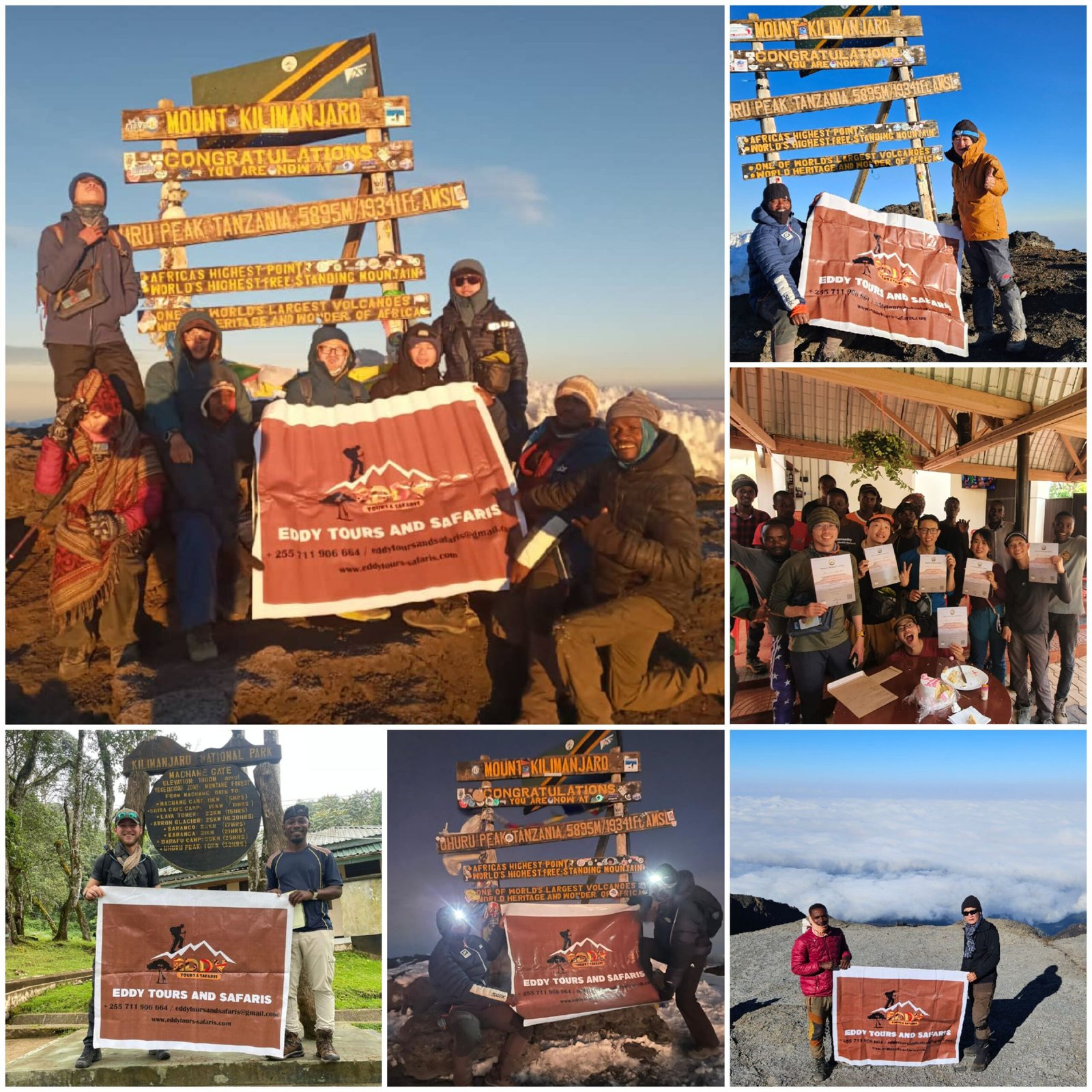
How difficult is planning your Kilimanjaro climb for first-time visitors?
With the right route, enough days and professional support, first-time climbers successfully reach the summit every season.
Can I customize my climbing itinerary?
Yes. Eddy Tours and Safaris can customize routes, hotel options and climb length to fit your travel schedule.
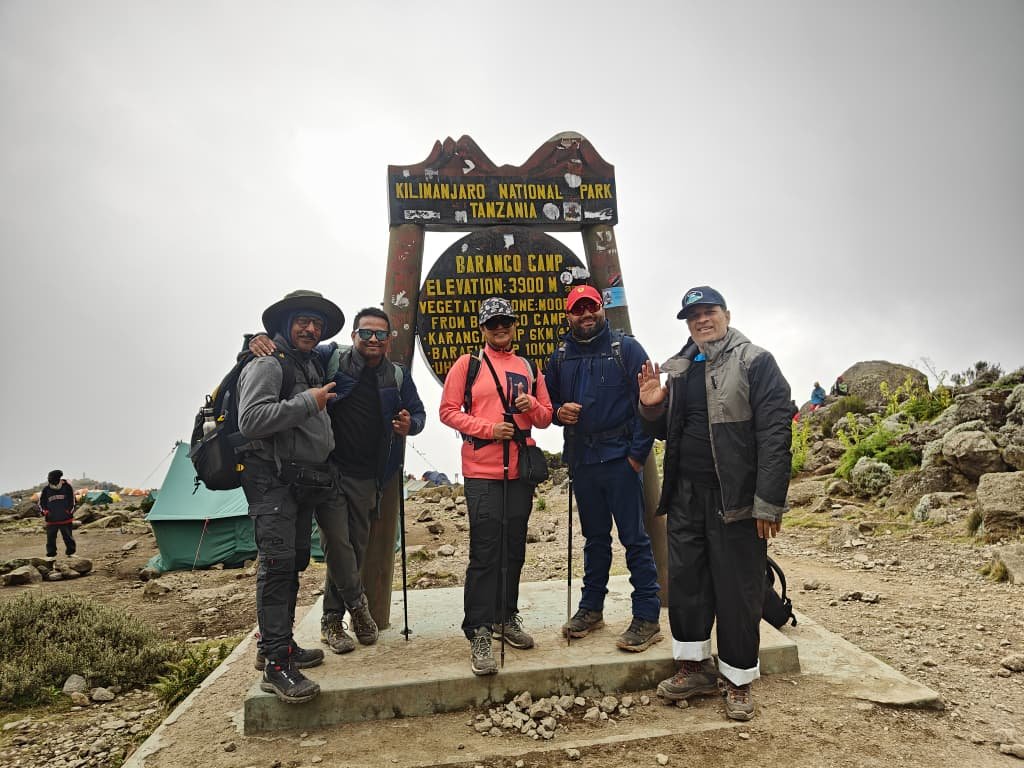
Start planning your Kilimanjaro climb with Eddy Tours and Safaris
If you are ready to start planning your Kilimanjaro climb, contact Eddy Tours and Safaris today for a personalized route recommendation, clear pricing and professional local support.
Our team will help you design a safe, realistic and enjoyable climb that matches your fitness, time and travel goals.