
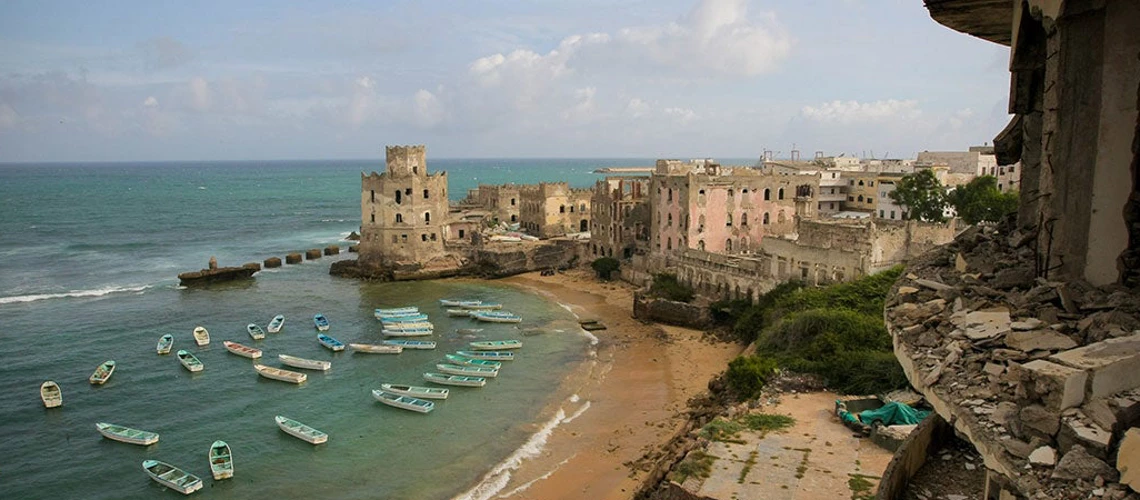
Poorest Countries in Africa Explained is a topic that sparks strong emotions and deep curiosity. Africa is rich in culture, minerals, wildlife, and human resilience, yet some nations continue to face extreme economic hardship. Understanding why certain countries struggle financially requires looking beyond headlines. It demands insight into history, governance, geography, global economics, and climate realities. This article explores the causes, statistics, and hopeful paths forward while maintaining a balanced and human perspective.
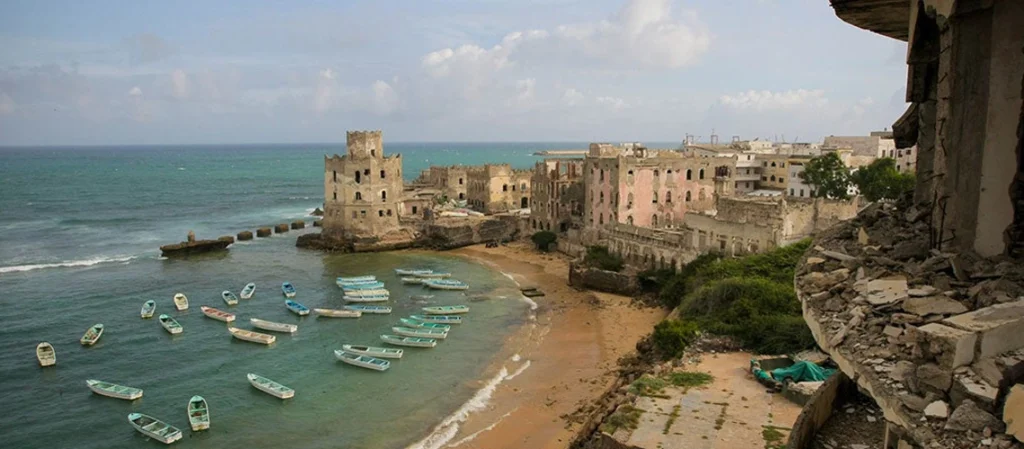
Understanding Poverty Levels in Africa
When discussing the poorest countries in Africa explained, it is important to understand how poverty is measured. Institutions like the World Bank, International Monetary Fund, and United Nations Development Programme measure poverty using Gross Domestic Product per capita, Human Development Index rankings, and multidimensional poverty indicators. These measurements assess access to healthcare, education, income stability, clean water, and infrastructure.
According to research from the African Development Bank, economic fragility is often linked to political instability and weak institutions. Data from World Bank Data shows that many low-income nations face slow industrial growth and limited export diversification, making them vulnerable to global market shifts.
Countries Often Ranked Among the Poorest
When exploring poorest countries in Africa explained, several nations frequently appear in global rankings. Countries such as Burundi, South Sudan, the Central African Republic, and Malawi often record very low GDP per capita. Reports from Transparency International highlight governance challenges that affect development outcomes.
The UNICEF and World Food Programme also document high levels of food insecurity in parts of these nations. However, poverty does not mean lack of potential. Many of these countries possess fertile land, mineral wealth, and youthful populations that could drive growth if properly supported.
Historical Factors Behind Economic Struggles
To fully grasp poorest countries in Africa explained, we must examine colonial history and post-independence governance structures. Studies from University of Cambridge and Harvard University show that colonial-era extraction economies were designed to benefit foreign powers rather than build local industry.
Artificial borders created by colonial administrators often grouped rival communities together, leading to internal conflict. Political instability discouraged foreign investment and weakened institutional growth. The ripple effects are still visible today in infrastructure gaps and fragile governance systems.
Impact of Conflict and Political Instability
Armed conflict remains one of the strongest drivers when analyzing poorest countries in Africa explained. According to the International Crisis Group, prolonged civil wars destroy infrastructure, disrupt agriculture, and force displacement. Millions become internally displaced or refugees, as documented by the UNHCR.
Conflict also reduces foreign direct investment and diverts government spending toward security instead of education or healthcare. Without stability, sustainable development becomes nearly impossible.
Climate Change and Environmental Pressure
Climate vulnerability significantly influences poorest countries in Africa explained. The Intergovernmental Panel on Climate Change reports that Sub-Saharan Africa is highly exposed to droughts, floods, and shifting rainfall patterns. Agriculture, which employs a large portion of the population, suffers when rainfall becomes unpredictable.
Organizations like the Food and Agriculture Organization and International Federation of Red Cross document how environmental shocks push vulnerable communities deeper into poverty. Climate resilience strategies are therefore essential for economic recovery.
Debt Burdens and Global Economic Pressures
External debt is another factor shaping poorest countries in Africa explained. Research from the OECD and the Bank for International Settlements shows that heavy borrowing can limit national spending on public services. When global interest rates rise or commodity prices fall, struggling nations face repayment challenges.
Limited industrial diversification makes many economies dependent on single exports like oil or minerals. Market fluctuations therefore create instability and revenue loss.
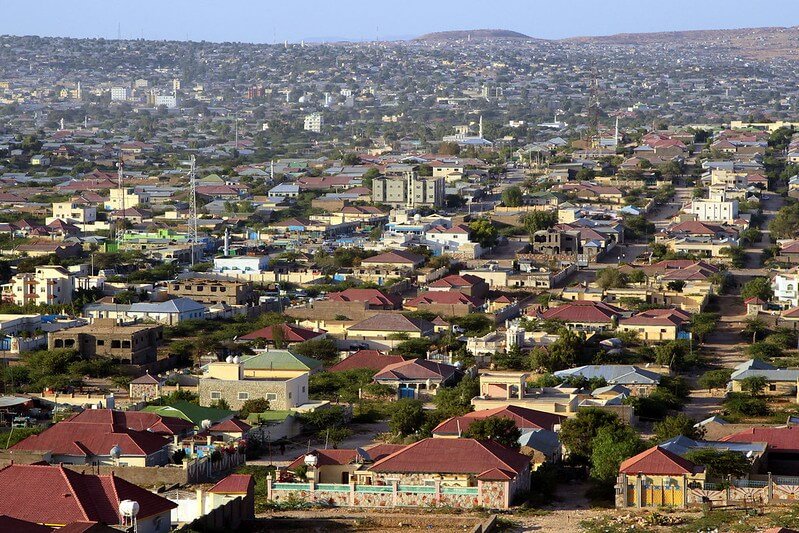
Education and Human Capital Challenges
Education gaps strongly influence poorest countries in Africa explained. Reports from UNESCO Institute for Statistics show lower school completion rates in fragile states. Limited vocational training reduces workforce productivity and innovation potential.
Improving education quality can break the poverty cycle. Partnerships with global institutions and local reforms are key to long-term transformation.
Healthcare Access and Development Barriers
Healthcare systems in low-income nations often face funding shortages. The World Health Organization emphasizes that disease outbreaks, limited facilities, and shortage of medical staff hinder productivity. Healthy populations contribute more effectively to economic growth.
Expanding vaccination programs, maternal care, and preventive health services is essential for sustainable progress.
Natural Wealth and Untapped Potential
Ironically, some nations listed in poorest countries in Africa explained possess significant mineral and wildlife resources. Sustainable tourism, conservation, and ethical resource management offer hope. Organizations such as World Wildlife Fund and International Union for Conservation of Nature promote balanced development that protects biodiversity while supporting communities.
Responsible tourism initiatives can help generate employment. For example, safari experiences offered through Eddy Tours & Safaris contribute to local job creation and conservation awareness. Similarly, ethical climbing services like Kilimanjaro Climb Specialist demonstrate how tourism can empower communities.
Tourism as a Tool for Economic Empowerment
Tourism remains one of Africa’s fastest-growing sectors. Wildlife conservation partnerships supported by African Wildlife Foundation show how eco-tourism supports rural economies. Travelers booking through Eddy Tours & Safaris directly contribute to employment, park protection, and community schools.
Safari circuits, cultural tours, and mountain expeditions bring foreign currency into local markets. By choosing reputable operators such as Eddy Tours & Safaris, visitors participate in sustainable economic ecosystems that create long-term value.
Innovation and Youth Entrepreneurship
Africa has one of the youngest populations globally. Reports from World Economic Forum highlight rising tech innovation hubs across the continent. Mobile banking solutions, agricultural technology, and renewable energy startups are reshaping economic narratives.
Investment in youth skills and entrepreneurship programs can gradually change the trajectory described in poorest countries in Africa explained.
Hopeful Signs and Development Partnerships
International collaboration plays a vital role. Partnerships with the United Nations, global universities, and development banks continue to fund infrastructure and education projects. Community-focused safari operators like Eddy Tours & Safaris show how private enterprise can align with conservation goals.
Gradual reforms in governance, digital infrastructure, and renewable energy adoption provide realistic optimism.
Frequently Asked Questions
What defines the poorest countries in Africa?
They are generally defined by low GDP per capita, weak infrastructure, high poverty rates, and limited access to healthcare and education.
Are natural resources lacking in these countries?
No. Many resource-rich nations still struggle due to governance issues, conflict, and limited diversification.
How does tourism help reduce poverty?
Tourism generates employment, supports conservation, and brings foreign investment into rural communities.
Can climate change worsen poverty?
Yes. Droughts and floods damage agriculture and infrastructure, pushing vulnerable communities deeper into hardship.
What role does education play?
Education improves workforce productivity, entrepreneurship, and long-term economic growth.
Is there hope for improvement?
Absolutely. Youth innovation, sustainable tourism, improved governance, and global partnerships offer strong potential for transformation.
Conclusion: A Balanced Perspective
Understanding poorest countries in Africa explained requires nuance, empathy, and evidence-based analysis. Poverty is complex, shaped by history, conflict, climate, governance, and global economics. Yet within every challenge lies opportunity. With responsible tourism, sustainable resource management, and strong development partnerships, African nations can build resilient futures. Travelers who support ethical operators like Eddy Tours & Safaris become part of that hopeful journey.