
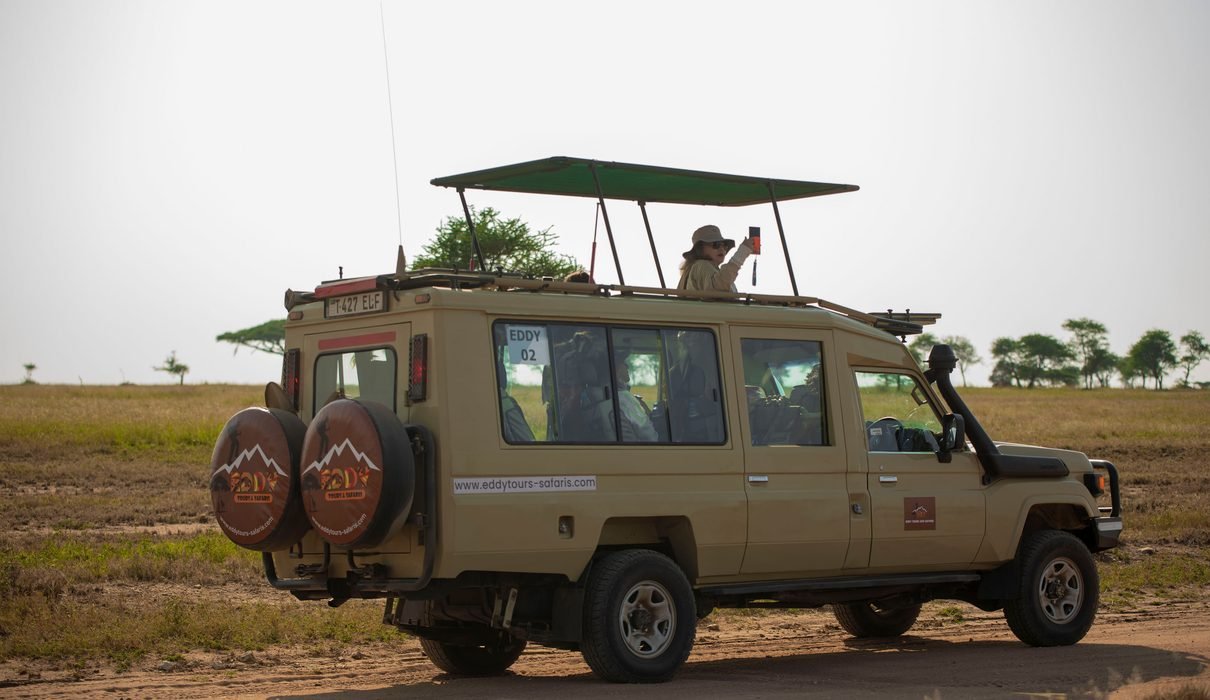
Serengeti National Park is one of the most famous wildlife destinations in Africa and a leading attraction for travellers visiting Tanzania. Known for its endless grasslands, large populations of wild animals, beautiful sunsets and the annual Great Wildebeest Migration, the Serengeti offers visitors an opportunity to experience African wildlife in its natural surroundings. Whether you are planning your first African safari, travelling with your family, visiting Tanzania for your honeymoon or looking for a wildlife photography holiday, the Serengeti deserves a place in your travel itinerary. With Eddy Tours & Safaris, visitors can arrange private and group safaris based on their interests, travel dates, accommodation preferences and budget.
About Serengeti National Park in Tanzania
Serengeti National Park is located in northwestern Tanzania and covers approximately 14,763 square kilometres. Established as a national park in 1951, it is Tanzania’s oldest national park and was declared a UNESCO World Heritage Site in 1981 because of its outstanding wildlife and ecological importance. The name Serengeti comes from the Maasai word meaning endless plains, which perfectly describes the open grasslands stretching across much of the park. Although the Serengeti is widely recognised for its open plains, it also contains riverine forests, rocky hills, acacia woodlands and permanent water sources that support wildlife throughout the year.
The park forms part of the larger Serengeti-Mara ecosystem, which extends into Kenya’s Maasai Mara National Reserve. Animals move freely across much of this ecosystem in search of fresh grass and water, creating one of the world’s most remarkable wildlife areas. Travellers interested in discovering Tanzania’s natural beauty can explore different safari options through Eddy Tours & Safaris and combine their Serengeti visit with other destinations across northern Tanzania.
Why Serengeti National Park Is So Popular
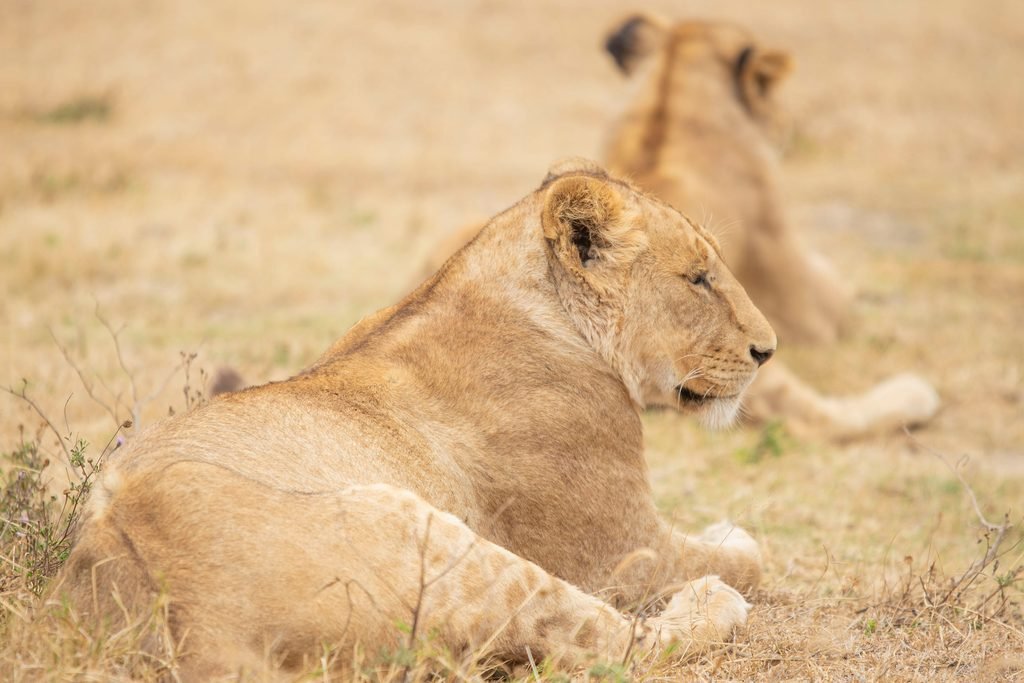
The popularity of Serengeti National Park comes from its remarkable wildlife population, natural landscapes and excellent game-viewing opportunities throughout the year. Unlike destinations where wildlife sightings depend heavily on a particular season, the Serengeti supports large populations of resident animals that remain within the park even when the migrating herds move elsewhere. Visitors can spend several days exploring different areas without having the same experience twice. A morning game drive might involve watching a pride of lions resting near rocky outcrops, while an afternoon drive could bring encounters with elephants, giraffes, cheetahs or leopards resting in trees.
Another reason travellers choose the Serengeti is the variety of accommodation available. From affordable camping safaris to comfortable tented camps and high-end luxury lodges, visitors can enjoy the park according to their preferred travel style. Tanzania safari holidays with Eddy Tours & Safaris can also be combined with mountain trekking, cultural visits and beach holidays, making the Serengeti a central part of a longer Tanzanian adventure.
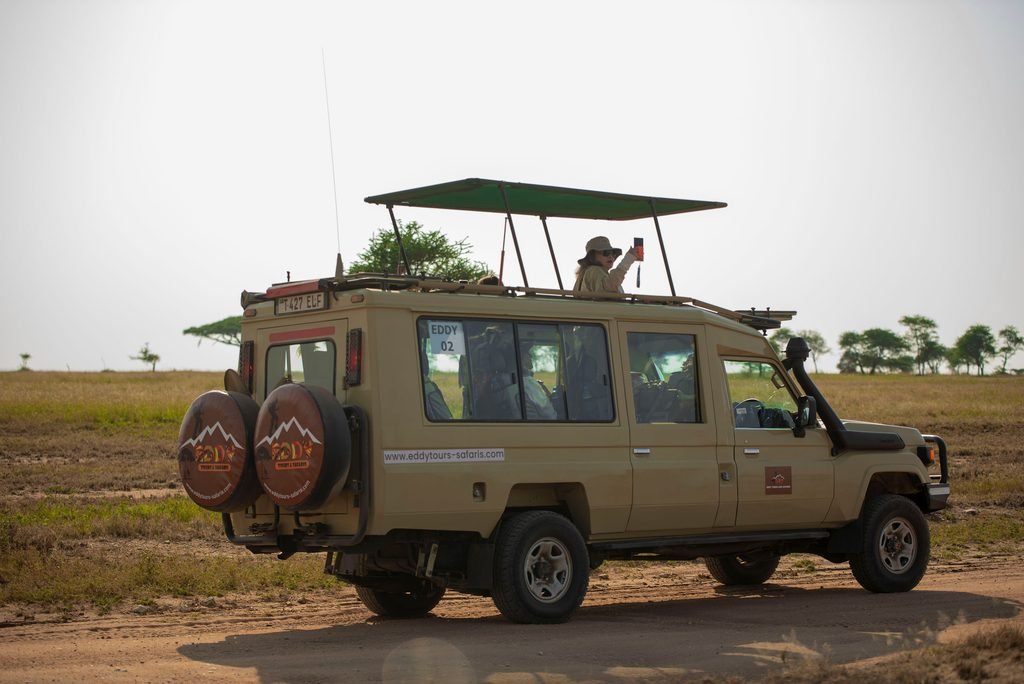
The Great Wildebeest Migration in Serengeti National Park
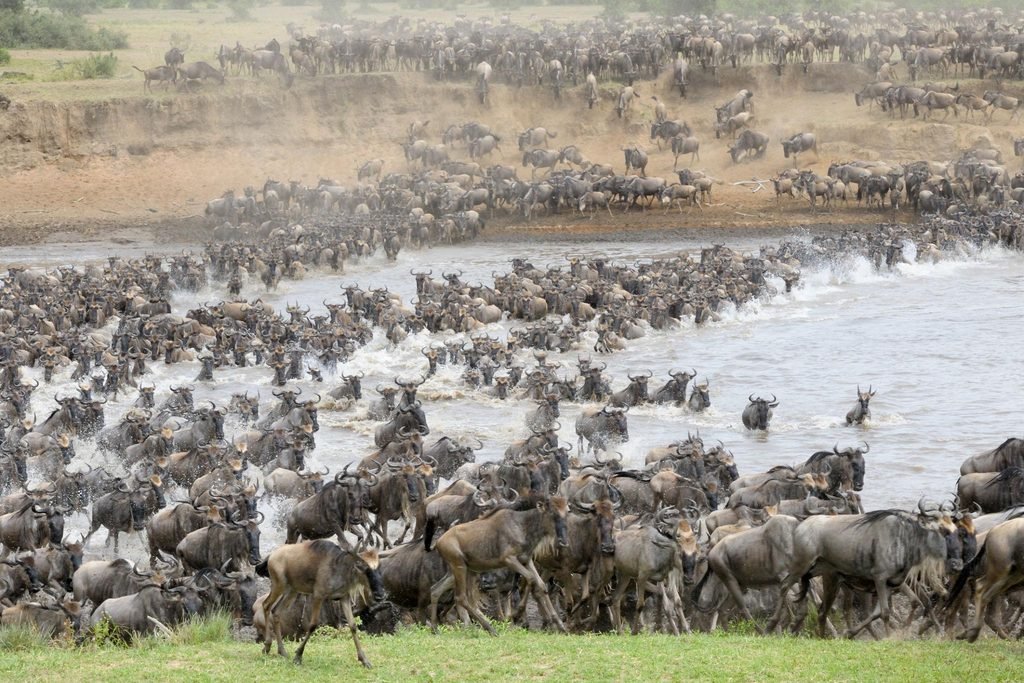
The Great Wildebeest Migration is the Serengeti’s most famous natural attraction. Every year, more than one million wildebeest move across the Serengeti-Mara ecosystem alongside large numbers of zebras and gazelles. Their movement is influenced by seasonal rainfall, the availability of fresh grass and access to water. Predators such as lions, cheetahs, hyenas and crocodiles follow or take advantage of these moving herds, creating excellent opportunities to observe natural animal behaviour.
Contrary to what many travellers believe, the migration is not limited to a few months of the year. It is a continuous journey, with different regions offering different wildlife experiences depending on the season. Planning your safari around the expected location of the herds is important, especially if your main interest is seeing newborn wildebeest or the famous river crossings. Our team at Eddy Tours & Safaris can help you select a suitable migration safari itinerary based on your intended travel dates.
January to March – Wildebeest Calving Season
Between January and March, large herds generally gather around the southern Serengeti plains and the Ndutu area within the greater Serengeti-Ngorongoro ecosystem. The short grass provides nutritious grazing for pregnant wildebeest, and thousands of calves are born during this period. The presence of newborn animals attracts predators, making this an excellent season for observing lions, cheetahs and hyenas. February is often considered particularly rewarding for travellers interested in wildlife photography and predator activity.
April to June – Movement Towards the Western Serengeti
As the rainy season progresses, wildebeest begin moving through central and western parts of the Serengeti in search of fresh grazing. During this period, the landscape becomes greener, and visitors may encounter enormous herds travelling across open plains. Towards June, some herds approach the Grumeti River, where large crocodiles are found. This period can also offer quieter safari experiences, although rainfall may affect road conditions in certain areas.
July to October – Northern Serengeti and Mara River Crossings
From July to October, migrating herds are often found in northern Serengeti and Kenya’s Maasai Mara. This is a popular period for travellers hoping to witness wildebeest crossing the Mara River. The crossings are dramatic natural events involving large numbers of animals navigating strong currents and avoiding predators. However, the exact timing cannot be predicted, and river crossings are never guaranteed. Visitors should consider spending several days in northern Serengeti to improve their opportunities.
November to December – The Return to Southern Serengeti
Following the arrival of seasonal rains, the migrating herds generally begin moving south through the Serengeti towards the short-grass plains. The landscape gradually becomes greener, and wildlife spreads across areas where fresh grazing is available. This period offers good opportunities for photography, birdwatching and game drives with potentially fewer visitors than during the main dry season.
Wildlife Found in Serengeti National Park
Serengeti National Park is home to an impressive variety of mammals, birds and reptiles. Its combination of open grasslands, woodlands and rivers supports both large herbivores and predators, making it one of Africa’s finest destinations for wildlife viewing. Visitors can observe animals feeding, hunting, resting, protecting their young and interacting naturally without the restrictions of artificial enclosures.
The African Big Five
The Serengeti is home to all five animals traditionally known as the African Big Five:
- African lion
- African elephant
- African buffalo
- Leopard
- Black rhinoceros
Lions, elephants and buffalo are regularly encountered during game drives, while leopards require more patience and careful observation. Black rhinos are present but are considerably harder to find. Travellers hoping to increase their chances of seeing all five animals should consider combining the Serengeti with Ngorongoro Crater through a multi-day Tanzania wildlife safari.
Other Animals Found in the Serengeti
Beyond the Big Five, the Serengeti is home to cheetahs, giraffes, wildebeest, zebras, spotted hyenas, hippos, crocodiles, warthogs, jackals, elands, topis, ostriches and several species of antelope. The park is particularly well known for its big cats, and experienced safari guides can help visitors identify areas where these animals are commonly found. Wildlife sightings vary naturally, but spending several days inside the park provides more opportunities to encounter different species.
Birdwatching in Serengeti National Park
With more than 500 recorded bird species, the Serengeti is also a rewarding destination for birdwatching. Visitors may encounter secretary birds, martial eagles, crowned cranes, lilac-breasted rollers, vultures, kori bustards and colourful starlings. The green season is particularly attractive to bird enthusiasts because migratory species arrive, vegetation becomes greener and many resident birds display their breeding plumage.
Best Areas to Visit in Serengeti National Park
Choosing the right part of the Serengeti can make a significant difference to your safari experience. The park is extremely large, and different regions offer distinct landscapes, accommodation options and seasonal wildlife activity. Travellers should select their safari locations according to their interests rather than attempting to cover the entire park within a short period.
Central Serengeti – Seronera Valley
Central Serengeti is one of the most reliable areas for wildlife viewing throughout the year. The Seronera Valley contains permanent water sources that attract resident animals even during the dry season. It is particularly popular for lion, leopard and cheetah sightings, while its central location makes it convenient for exploring surrounding areas. First-time safari travellers and those with limited travel time often find central Serengeti an excellent choice.
Northern Serengeti – Mara River and Kogatende
Northern Serengeti is best known for its seasonal wildebeest migration and Mara River crossings. The region contains open grasslands, rolling hills and riverine vegetation, offering a different landscape from central Serengeti. Between July and October, many travellers choose accommodation around Kogatende and nearby areas to improve their chances of encountering the migrating herds.
Western Serengeti – Grumeti Corridor
The western corridor features river systems, woodlands and open grasslands that support diverse wildlife throughout the year. The Grumeti River is known for its large Nile crocodiles, and the surrounding region can provide excellent migration viewing during parts of May and June. Western Serengeti is also suitable for travellers looking for a quieter safari experience away from some of the busier central game-drive routes.
Southern Serengeti and Ndutu
The southern Serengeti and neighbouring Ndutu plains are particularly popular during the wildebeest calving season. The open landscape makes wildlife easier to observe, while the presence of young animals attracts considerable predator activity. Travellers visiting between January and March should consider spending several nights in this region, especially if their interests include photography, big cats and the Great Migration.
Best Time to Visit Serengeti National Park
Serengeti National Park can be visited throughout the year, but the best time depends on what you would like to experience. The dry season, generally from June to October, offers favourable wildlife-viewing conditions because vegetation becomes thinner and animals frequently gather near available water sources. The green season provides beautiful landscapes, excellent birdwatching and opportunities to observe young animals. Travellers visiting during April and May may also benefit from lower seasonal accommodation rates at some properties.
| Travel period | Main wildlife experience | Recommended area |
|---|---|---|
| January – March | Wildebeest calving and predator activity | Southern Serengeti and Ndutu |
| April – May | Green landscapes and moving herds | Central and Western Serengeti |
| June | Migration and possible Grumeti River activity | Western Serengeti |
| July – October | Possible Mara River crossings | Northern Serengeti |
| November – December | Herds returning south | Central and Southern Serengeti |
| Throughout the year | Resident wildlife and big cats | Central Serengeti |
Travellers planning to combine their safari with a mountain adventure can consult Kilimanjaro Climb Specialist for information about suitable climbing seasons, available routes and mountain preparation.
Top Things to Do in Serengeti National Park
Early Morning and Afternoon Game Drives
Game drives are the main activity in Serengeti National Park. Early morning drives offer opportunities to observe predators before temperatures rise, while afternoon drives allow visitors to watch animals becoming more active as the day cools. With a knowledgeable guide and a suitable safari vehicle, travellers can explore different habitats, learn about wildlife behaviour and spend time observing animals without unnecessary disturbance.
Hot Air Balloon Safari
A hot air balloon safari provides a different perspective of the Serengeti’s expansive landscape. Flights normally take place around sunrise, allowing passengers to observe grasslands, rivers and wildlife from above. Many balloon experiences include a bush breakfast after landing. This optional activity is particularly popular among honeymooners, couples and travellers celebrating special occasions, although flights depend on suitable weather conditions.
Wildlife Photography Safari
The Serengeti is an excellent destination for both amateur and professional wildlife photographers. Open landscapes, natural lighting, large animal populations and seasonal migration activity provide numerous opportunities for photography. Travellers with specific photographic interests can arrange private safari vehicles through Eddy Tours & Safaris, allowing greater flexibility when observing wildlife and selecting game-drive locations.
Bush Dining and Tented Camp Experiences
Staying in a tented camp provides an opportunity to experience the sounds and atmosphere of the African wilderness after the day’s game drives. Depending on the accommodation selected, visitors may enjoy outdoor dining, evening campfires and breakfast overlooking the surrounding plains. These experiences allow travellers to appreciate the Serengeti beyond traditional wildlife viewing while remaining within designated and managed accommodation areas.
How to Get to Serengeti National Park
Most Serengeti safaris begin in Arusha, which serves as the main departure point for Tanzania’s northern safari circuit. Visitors arriving internationally can fly into Kilimanjaro International Airport before transferring to Arusha for an overnight stay or beginning their safari according to their flight arrival time. Travelling by road from Arusha to central Serengeti generally takes around seven to nine hours, depending on the route, road conditions, stops and wildlife encounters along the way.
Alternatively, travellers can take domestic flights from Arusha, Zanzibar or other connected airports to airstrips within the Serengeti, including Seronera, Kogatende and Grumeti. Fly-in safaris are particularly suitable for visitors with limited time or those who prefer to avoid long road journeys. Eddy Tours & Safaris can arrange road-based and fly-in safari itineraries according to individual travel requirements.
Where to Stay in Serengeti National Park
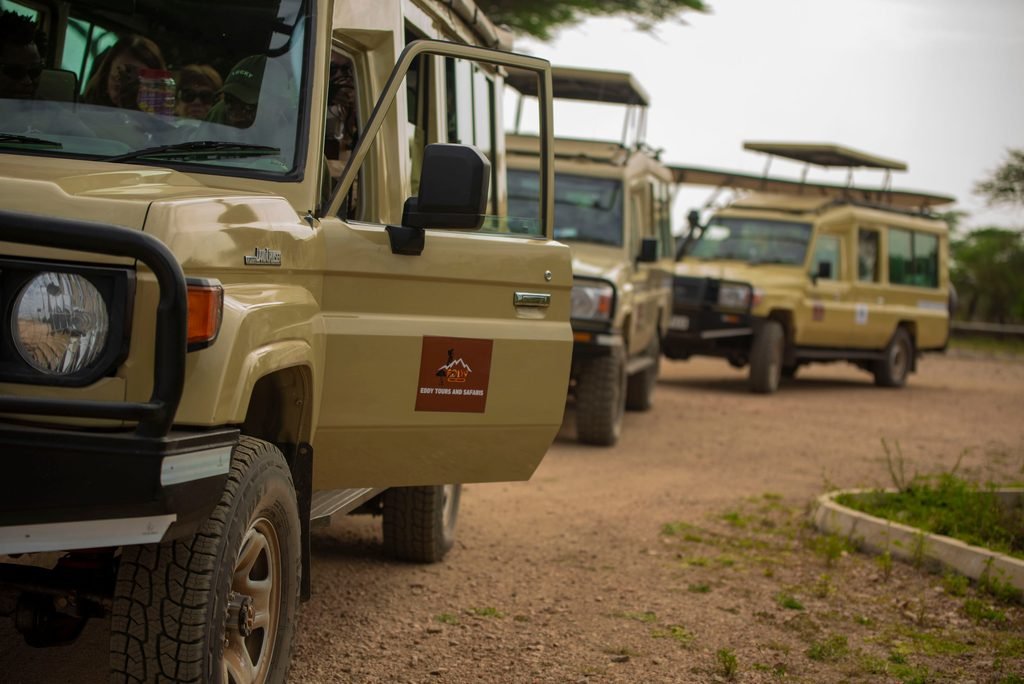
Accommodation in Serengeti National Park ranges from public campsites to exclusive luxury lodges. Choosing suitable accommodation depends on your budget, preferred comfort level, travel season and the wildlife areas you intend to explore. Location is particularly important during migration-focused safaris because staying close to the expected position of the herds can reduce unnecessary driving time.
Budget Camping Safaris
Budget camping is suitable for adventurous travellers who prefer a simple safari experience at a more affordable cost. Accommodation generally consists of camping tents at designated campsites, with shared facilities and meals prepared by the safari team. This option is popular among solo travellers, backpackers and small groups who want to spend more of their budget on exploring Tanzania’s national parks.
Mid-Range Lodges and Tented Camps
Mid-range accommodation provides a balance between comfort and affordability. Many properties offer private bathrooms, comfortable beds, dining facilities and well-positioned locations near wildlife areas. This accommodation category is suitable for families, couples and independent travellers who prefer comfortable facilities without paying luxury accommodation prices.
Luxury Serengeti Safari Lodges
Luxury lodges and high-end tented camps offer spacious accommodation, personalised service, carefully prepared meals and beautiful views of the surrounding wilderness. Some properties feature swimming pools, private decks and additional activities. Travellers planning honeymoon safaris, anniversary celebrations or exclusive wildlife holidays can explore luxury safari arrangements with Eddy Tours & Safaris.
How Much Does a Serengeti Safari Cost?
The cost of a Serengeti safari depends on the number of travellers, duration, accommodation category, travel season and whether the safari is private or shared. Park entrance fees, transport, accommodation, meals and professional guiding services contribute significantly to the overall safari price. Travelling as a group can reduce individual costs because vehicle and guiding expenses are shared among participants.
The following figures provide general planning estimates rather than confirmed package prices.
| Safari category | Estimated cost per person per day |
|---|---|
| Budget camping safari | $200 – $350 |
| Mid-range safari | $350 – $600 |
| Luxury safari | $600 – $1,200 |
| High-end exclusive safari | $1,200 and above |
Travellers should request a personalised quotation from Eddy Tours & Safaris to receive accurate prices based on their travel dates, group size and accommodation preferences. Advance booking is particularly important during the calving season and the northern Serengeti migration season.
Recommended Serengeti Safari Packages
A Serengeti safari can be arranged as a short wildlife holiday or as part of a longer Tanzania itinerary. Spending at least two or three nights in the Serengeti is recommended for travellers who want sufficient time to explore the park without rushing between destinations. Longer itineraries provide additional opportunities to visit different regions and combine wildlife viewing with other national parks.
Popular safari options available through Eddy Tours & Safaris include:
- 3 Days Tanzania Wildlife Safari
- 4 Days Serengeti and Ngorongoro Safari
- 5 Days Tanzania Wildlife Safari
- 6 Days Tanzania Wildebeest Migration Safari
- 7 Days Northern Circuit Tanzania Safari
- Private Serengeti Luxury Safari
- Tanzania Family Wildlife Safari
- Serengeti Wildlife Photography Safari
- Tanzania Safari and Zanzibar Beach Holiday
Combining Serengeti National Park With Other Tanzania Destinations
Serengeti and Ngorongoro Crater
Combining Serengeti National Park with Ngorongoro Crater is one of the most popular safari arrangements in northern Tanzania. Ngorongoro offers excellent wildlife viewing within a volcanic caldera and provides additional opportunities to encounter black rhinos, lions, buffalo and hippos. Together, these destinations offer contrasting landscapes and a wide variety of wildlife experiences within a single safari itinerary.
Serengeti and Tarangire National Park
Tarangire National Park is well known for its elephant herds, enormous baobab trees and seasonal wildlife concentrations along the Tarangire River. Visiting Tarangire before continuing to the Serengeti allows travellers to experience different ecosystems and wildlife habitats. A five- to seven-day northern Tanzania safari generally provides enough time to include Tarangire, Serengeti and Ngorongoro Crater.
Serengeti Safari and Mount Kilimanjaro Climbing
Travellers looking for both physical adventure and wildlife experiences can combine a Serengeti safari with a Mount Kilimanjaro climbing expedition. Many visitors complete their mountain climb first before spending several days relaxing and observing wildlife in Tanzania’s national parks. Popular climbing routes include Machame, Lemosho, Marangu and Rongai, each offering different landscapes, trekking durations and acclimatisation opportunities.
Visit Kilimanjaro Climb Specialist to explore mountain climbing packages, trekking routes, equipment requirements and preparation advice before arranging your combined Tanzania adventure.
Serengeti Safari and Zanzibar Beach Holiday
After several days of wildlife viewing, Zanzibar provides an excellent opportunity to relax along the Indian Ocean. Visitors can enjoy white sandy beaches, swimming, snorkelling, spice farm visits and cultural tours around Stone Town. Domestic flights from Serengeti airstrips to Zanzibar are available on selected schedules, making it possible to combine these destinations without returning to Arusha by road. Eddy Tours & Safaris can help arrange a complete safari and beach holiday.
What to Pack for a Serengeti Safari
Packing suitable clothing and equipment will help make your safari more comfortable. Morning temperatures can be cool, while afternoons are often warm, making lightweight layered clothing a practical choice. Neutral-coloured clothing is generally recommended, together with comfortable shoes and protection against sunlight and insects.
Essential items include:
- Lightweight safari clothing
- Warm jacket or fleece for morning game drives
- Comfortable walking shoes
- Wide-brimmed hat and sunglasses
- Sunscreen and insect repellent
- Binoculars and camera
- Spare batteries and power bank
- Personal medication and toiletries
- Passport and travel documents
- Reusable water bottle
- Travel insurance information
If your safari includes mountain climbing, visit Kilimanjaro Climb Specialist for additional information about appropriate mountain equipment and trekking preparation.
Is Serengeti National Park Safe for Tourists?
Serengeti National Park is generally safe for tourists when travelling with experienced safari guides and following national park regulations. Visitors should remain inside their safari vehicles unless they are in designated areas where leaving the vehicle is permitted. Wild animals should never be approached, fed or disturbed, even when they appear calm. Accommodation staff also provide safety instructions for guests staying in camps and lodges located within wildlife areas.
Travellers should arrange suitable travel insurance and seek professional medical advice regarding vaccinations and malaria prevention before travelling to Tanzania. Booking with a registered local tour operator also helps ensure that transport, park arrangements and accommodation are properly organised.
Why Book Your Serengeti Safari With Eddy Tours & Safaris?
Eddy Tours & Safaris is a locally based Tanzanian tour company operating from Arusha and arranging wildlife safaris, Mount Kilimanjaro climbs and Zanzibar beach holidays. Our team understands Tanzania’s national parks, seasonal wildlife movements and travel requirements, helping visitors choose itineraries that suit their interests and available travel time. Whether you prefer an affordable camping safari, a comfortable lodge experience or a private luxury holiday, we can help you organise a suitable trip.
Our safari arrangements include experienced local guides, suitable safari vehicles, accommodation planning and personalised travel assistance. Rather than following a single itinerary for every traveller, we consider the season, expected wildlife locations, group size and accommodation preferences when preparing safari recommendations.
Frequently Asked Questions About Serengeti National Park
How many days do you need in Serengeti National Park?
Three to four days inside the Serengeti is a good starting point for most travellers. Visitors interested in the Great Migration, photography or exploring multiple regions may benefit from spending five days or longer in the park.
Is Serengeti better than Maasai Mara?
Both destinations offer excellent wildlife experiences and form part of the same larger ecosystem. The Serengeti covers a considerably larger area and offers access to different stages of the annual migration, while Maasai Mara is particularly popular during the migration season in Kenya. The best choice depends on the travel season and individual interests.
Can you see the Big Five in Serengeti National Park?
Yes, all five members of the African Big Five are found in Serengeti National Park. However, sightings are not guaranteed, particularly for black rhinos and leopards. Combining the Serengeti with Ngorongoro Crater may improve your overall opportunities.
Which month is best for the Serengeti migration?
February is often excellent for wildebeest calving, while July to October is generally preferred by visitors hoping to witness Mara River crossings. Migration movements depend on rainfall and grazing conditions, so there is no single month that guarantees a particular wildlife event.
Is Serengeti suitable for family safaris?
Yes, Serengeti National Park is suitable for family holidays. Private safari vehicles and family-friendly accommodation provide flexibility for parents travelling with children. Families should confirm any age restrictions at their selected accommodation and optional activities before booking.
Can I visit Serengeti and climb Kilimanjaro on the same holiday?
Yes, many international travellers combine these two destinations within a single Tanzania holiday. Depending on the climbing route and safari duration, approximately 10 to 15 days can provide sufficient time for both activities. Explore available climbing options through Kilimanjaro Climb Specialist before selecting your safari itinerary.
Book Your Serengeti National Park Safari in Tanzania
Serengeti National Park remains one of Africa’s finest destinations for experiencing wildlife in its natural environment. From large herds of migrating wildebeest and hunting predators to peaceful mornings across the open plains, the park offers something different throughout the year. With proper planning, suitable accommodation and experienced local guides, visitors can enjoy a safari that matches their interests, budget and preferred travel season.
Contact Eddy Tours & Safaris today to start planning your Serengeti safari in Tanzania. Our team can assist with private safaris, group departures, family holidays, migration tours, luxury accommodation and combined Tanzania travel packages.
Email: sales@eddytours-safaris.com
Website: Eddy Tours and Safaris
Location: Arusha, Tanzania